
 Visualizar na parede
 Compartilhar
 Compartilhar
 Detalhes
 Guia
Guia

 Baixar imagem
 Semelhantes
 Raio X
 Ver diaporama
 Perguntas e Respostas
 Estatísticas
Panther seizing a stag


 Ler mais
Giclée / Impressão de Arte
Impressão giclée ou em tela de qualidade de museu, com produção rápida e opções flexíveis de acabamento. ( Comprar pintura feita à mão Alternar para Imagem Digital)




P118B €10

P118H €10

P118W €10

P438Z €10

P508JH €12

P508YH €12

P805H €10

P805Z €10

P919BZ €10

P919G €10

P919XJ €10

P959ZH €10

P968JZ €12

W106C €8

W218G €10

W218JH €8

W218Y €10

W307PJ €10

W316G €10

W316PJ €8

W316Y €10

W398PJ €8

W4111J €10

W500HY €15

W500JH €15

W692G €12

W849H €8

W940BG €15

W953PJ €8




Escolha entre os nossos tamanhos pré-definidos que respeitam as proporções originais da obra de arte.

Insira a largura e a altura desejadas para se ajustarem à sua moldura ou parede. Uma impressão pode ser apenas cortada, nunca ampliada além da imagem original; portanto, um tamanho com proporções diferentes resultará na perda de parte da imagem. Enviamos uma maquete digital para sua aprovação antes de realizarmos a impressão. A imagem exibida nesta página não mostra o corte real — apenas a maquete o faz.
Entrega mundial () em 2 semanas, em vez das 4/5 semanas padrão. (8 Novembro)

Envio expresso gratuito para todo o mundo

Tela de Linho de Alta Qualidade

Seguro de transporte completo

Garantia de Reembolso de Impostos Alfandegários

Garantia de Fidelidade Cromática

Política de Devolução em 100 Dias (Apenas para Defeitos)

Garantia de reembolso de 100%

Oferta de desconto por quantidade
 A opção de vidro está disponível apenas para tamanhos inferiores a 110 cm

Panther seizing a stag
Giclée / Impressão de Arte
Tamanho da Reprodução
-


Preço Total
€ 72
A Raw Display of Power: Antoine Barye’s “Panther Seizing a Stag”
Antoine-Louis Barye's "Panther Seizing a Stag" is not merely a depiction of an animal hunt; it’s a visceral embodiment of primal struggle, a testament to the sculptor’s profound understanding of anatomy and his ability to infuse bronze with a palpable sense of drama. Completed around 1800, this monumental work stands as a cornerstone of the French Romantic movement, capturing a moment of brutal intensity that resonates far beyond its subject matter. Barye, deeply influenced by the natural world and driven by an almost obsessive desire to portray animals in their most authentic and dynamic states, meticulously studied specimens at the Jardin des Plantes and even participated in animal dissections – practices considered unusual for an artist of his time – to achieve this unparalleled level of realism.
The composition itself is a masterclass in controlled chaos. The panther, rendered with a muscularity that borders on violent exaggeration, dominates the left side of the frame, its powerful paws clamped firmly around the stag’s body. Notice the subtle shifts in musculature – the coiled tension in the shoulders, the straining neck, the focused intensity of the eyes. The stag, though struggling desperately, retains a dignity and nobility, his posture conveying both fear and defiance. Barye doesn't shy away from the brutality of the encounter; the textures of the fur, the glistening sheen of the panther’s hide, and the raw, exposed flesh of the wounded animal are all rendered with astonishing detail. The bronze itself is not smoothed or polished; it retains a deliberately rough surface, mirroring the chaotic energy of the scene and adding to its dramatic impact.
The Animalier Tradition and Barye's Innovation
Barye’s work firmly establishes him as a pioneer within the *animalier* tradition – a movement dedicated to elevating animals as subjects worthy of serious artistic consideration. Prior to Barye, animal sculpture often served primarily decorative or allegorical purposes. However, Barye sought to depict animals not as symbols, but as living beings with their own inherent drama and power. He moved away from idealized representations, favoring instead a brutally honest portrayal of their physicality and behavior. This shift was revolutionary, reflecting the Romantic fascination with nature’s untamed beauty and the darker aspects of human existence.
His approach was deeply informed by his study of anatomy – not just the skeletal structure, but also the subtle nuances of muscle movement and skin texture. He wasn't simply copying what he saw; he was striving to capture the *essence* of the animal’s struggle, its instinctual drive for survival. This commitment to anatomical accuracy, combined with his expressive use of line and form, distinguishes Barye’s work from earlier depictions of animals in sculpture.
Symbolism and Romantic Ideals
While seemingly a straightforward depiction of a predatory hunt, “Panther Seizing a Stag” carries deeper symbolic weight. The scene can be interpreted as an allegory for the struggle between life and death, strength and vulnerability, predator and prey – themes central to the Romantic worldview. The panther, often associated with darkness, power, and instinct, represents the forces of nature, while the stag embodies nobility, grace, and resilience. The act of seizing is not merely a violent encounter; it’s a fundamental assertion of dominance within a natural hierarchy.
Furthermore, Barye's work reflects the Romantic fascination with the sublime – that feeling of awe and terror inspired by encounters with overwhelming natural forces. The sheer power and intensity of the scene evoke a sense of both danger and beauty, reminding us of humanity’s smallness in the face of nature’s grandeur. The bronze itself, a material associated with permanence and strength, reinforces this theme.
A Legacy of Dramatic Bronze Sculpture
“Panther Seizing a Stag” remains one of Barye's most celebrated works, exemplifying his mastery of technique and his profound understanding of animal behavior. It’s a powerful reminder of the Romantic movement’s embrace of raw emotion, dramatic intensity, and the untamed beauty of the natural world. Reproductions of this iconic sculpture continue to captivate audiences today, offering a glimpse into the artistic vision of one of France's most influential sculptors. Its dynamic composition and evocative portrayal of struggle make it an enduring symbol of power, vulnerability, and the eternal dance between predator and prey.
Perguntas e Respostas
Quanta luz as cores de "Panther seizing a stag" parecem refletir?
"Panther seizing a stag", de Antoine-Louis Barye possui uma luminância Luminous. A luminância descreve quanta luz as cores parecem refletir.
Qual cor mais se destaca em "Panther seizing a stag"?
Phthalo Green (#26251c) é a cor predominante de "Panther seizing a stag", de Antoine-Louis Barye.
A que período da carreira de Antoine-Louis Barye pertence "Panther seizing a stag"?
Dentro da trajetória de Antoine-Louis Barye, "Panther seizing a stag" pertence ao período Mature Period. Esta fase permite compará-la com outras obras do artista.
Biografia do Artista
Um Pioneiro da Escultura Animal: A Vida e o Legado de Antoine-Louis Barye
Antoine-Louis Barye, nascido em Paris a 24 de setembro de 1795, emergiu como uma figura central na escultura do século XIX. Ele não se limitava a retratar animais; imbuía suas obras com uma intensidade dramática e uma precisão anatômica inéditas, lançando efetivamente o gênero *animalier* – um foco dedicado às formas animais – para o domínio da arte refinada. A jornada de Barye começou não no ateliê de um escultor, mas como aprendiz de ourives, seguindo os passos do seu pai. Este treinamento inicial lhe incutiu uma atenção meticulosa aos detalhes e um domínio da técnica que se revelariam inestimáveis ao longo da sua carreira. Ele aprimorou essas habilidades sob a tutela de escultores como François-Joseph Bosio e Baron Antoine-Jean Gros, absorvendo princípios clássicos enquanto simultaneamente desenvolvia uma sensibilidade romântica singularmente própria. Sua educação formal na École des Beaux-Arts forneceu uma base sólida, mas foi o encontro com o mundo vivo – especificamente os animais abrigados no Jardin des Plantes em Paris por volta de 1823 – que verdadeiramente acendeu sua visão artística.Do Ourives ao Animalier: O Desenvolvimento de um Estilo Único
A dedicação de Barye à observação animal era obsessiva. Ele não apenas olhava; estudava, esboçava e analisava meticulosamente a anatomia, os movimentos e os comportamentos dos animais. Este compromisso com o realismo não era frio ou clínico, mas sim infundido com o fervor emocional característico do movimento romântico. Obras iniciais como “Milo de Crotone Devorado por um Leão” (1819) e “Hércules com o Javali da Eritéia” (c. 1820), criadas enquanto ainda era estudante, prenunciavam seu talento emergente para a composição dinâmica e a narrativa dramática. Mas foi com esculturas como "Tigre Devorando um Crocodilo Gavial" (1831) – um molde de gesso monumental que causou sensação no Salon – e “Leão Esmagando uma Serpente” (1832), fundido em bronze, que Barye verdadeiramente estabeleceu seu estilo característico. Estas não eram representações estáticas; eram momentos de poder bruto congelados no tempo, capturando a beleza brutal da luta pela sobrevivência na natureza. Ele transcendeu a mera imitação para transmitir a própria essência da vida animal – sua força, agilidade e espírito indomável. Suas obras ressoaram com uma crescente fascinação pública pelo exótico e pelo selvagem, refletindo um anseio romântico por experiências além das restrições da sociedade civilizada.Obras-Primas e Comissões Monumentais
Ao longo de sua carreira, Barye produziu uma variedade impressionante de esculturas, cada uma demonstrando sua habilidade incomparável em capturar a forma e o movimento animal. Além do icônico “Tigre Devorando um Crocodilo Gavial” e “Leão Esmagando uma Serpente”, obras-primas como "Teseu e o Minotauro" (1843), “Roger e Angelica no Hipogrifo” (1846), “Lapita e Centauro” (1848) e “Jaguar Devorando um Coelho” (1850) mostraram sua versatilidade e poder imaginativo. Ele não se limitava a representações de encontros predatórios; explorou também cenas mitológicas, imbuindo-as com a mesma energia dinâmica e precisão anatômica que definiam seus estudos animais. Seu talento se estendia além das esculturas menores em bronze. Barye recebeu encomendas prestigiadas para obras monumentais, incluindo o “Leão da Coluna de Julho”, um poderoso símbolo de resiliência francesa, e as esculturas que adornam o Jardim das Tulerias em Paris. Estes projetos em grande escala demonstraram sua capacidade de traduzir sua visão artística em arte pública, solidificando sua reputação como um dos principais escultores da França.Influências, Dificuldades e Significado Duradouro
A obra de Barye foi uma síntese de diversas influências. A ênfase romântica na emoção e no individualismo é palpável na tensão dramática de suas esculturas. Simultaneamente, ele se inspirou na arte clássica, evidente em sua atenção à precisão anatômica e às formas idealizadas. No entanto, o que realmente o diferenciou foi sua abordagem científica da observação – um resultado direto de suas inúmeras horas passadas estudando animais no Jardin des Plantes. Apesar de ter alcançado aclamação crítica, a vida de Barye não foi isenta de dificuldades. Ele lutou com problemas financeiros ao longo de grande parte de sua carreira, em grande parte devido à falta de perspicácia nos negócios. Uma falência em 1848 o forçou a vender seus modelos e moldes, levando a um período em que cópias inferiores inundaram o mercado, prejudicando sua reputação. Ele encontrou alguma estabilidade como Professor de Desenho no Museu de História Natural em 1854, mas foi apenas postumamente que seu gênio recebeu todo o devido reconhecimento. Hoje, Antoine-Louis Barye é reconhecido como o pai da escultura animal moderna. Sua influência sobre as gerações subsequentes de artistas é inegável e suas obras são celebradas por sua força, realismo e beleza duradoura. Seu legado continua a inspirar admiração e apreço em colecionadores e museus em todo o mundo.
Antoine-Louis Barye
1796 - 1875 , França
Dados Rápidos
- Artistas Influenciados Por Este Artista: ['Escultores de animais']
- Artistas Que Influenciaram:
- François-Joseph Bosio
- Baron Antoine-Jean Gros
- Data De Nascimento: 24 de setembro de 1795
- Local De Nascimento: Paris, França
- Movimento Artístico: Romantismo
- Nacionalidade: Francês
- Nome Completo: Antoine-Louis Barye
- Obras Notáveis:
- Milo e o Leão
- Hércules e o Javali
- Tigre Devorando Crocodilo
- Leão Esmagando Serpente
- Teseu e o Minotauro
- Roger e Angelica
- Lapita e Centauro
- Jaguar Devorando Coelho
Artigos Relacionados

The Enduring Legacy of Bronze: History, Technique & Artistic Expression for the Collector
Explore the rich history & enduring appeal of bronze sculpture with expert insights for collectors at OriginalUniqueArt. Learn about casting techniques, iconic artists, and collecting tips.

The Enduring Legacy of Bronze: A Historical & Artistic Exploration for the Collector
Explore the rich history & enduring appeal of bronze sculpture with expert insights for collectors at OriginalUniqueArt. Learn about casting techniques, iconic artists, collecting tips & contemporary interpretations.

As 10 Obras em Bronze Mais Icônicas que Transformaram a História da Arte | OriginalUniqueArt
Descubra as 10 esculturas em bronze mais influentes da história! Explore a arte de Rodin, Michelangelo e outros mestres. Reproduções de alta qualidade para decorar sua casa com elegância. OriginalUniqueArt.

Esculturas em Bronze Icônicas: 10 Obras que Revolucionaram a Arte | OriginalUniqueArt
Descubra as 10 esculturas em bronze mais icônicas da história! Explore a arte de Rodin, Michelangelo e outros mestres. Encontre reproduções de alta qualidade para sua casa em OriginalUniqueArt.com.
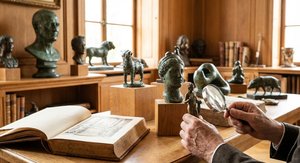
The Enduring Legacy of Bronze Sculpture: A Collector's Guide to Form & Cultural Significance
Explore the rich history & enduring appeal of bronze sculpture with expert insights for collectors at OriginalUniqueArt. Learn about casting techniques, iconic artists, and collecting tips to build a discerning art collection.

