
 Visualizar em escala
 Enviar
 Compartilhar
 Ver detalhes
 Guia de Obras do Aluno

 Baixar imagem
 Semelhantes
 Raio X
 Apresentação de slides
 Estatísticas
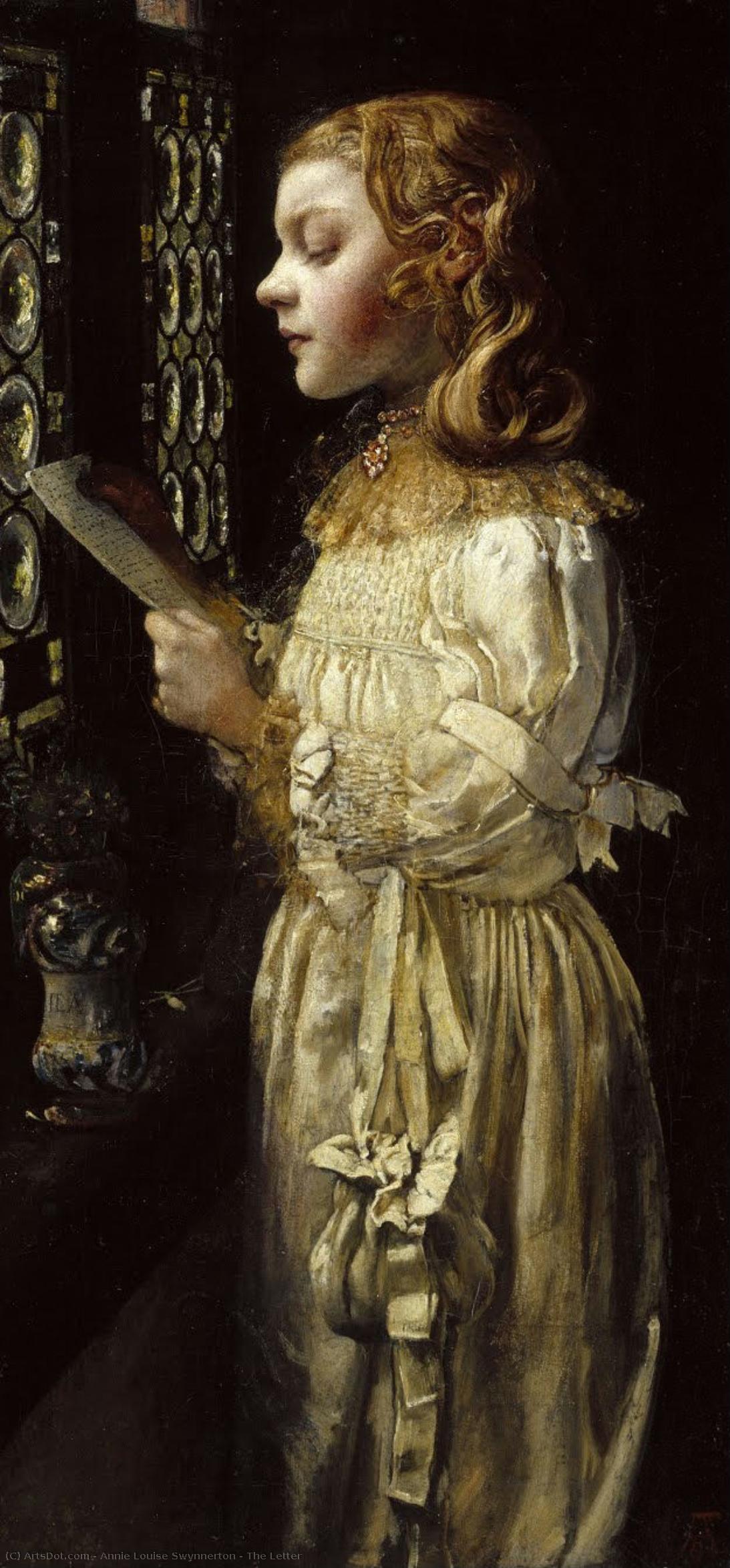
The Letter


 Ver mais
Giclée / Impressão de Arte
Impressão giclée ou em tela de qualidade de museu, com produção rápida e opções flexíveis de acabamento. ( Encomendar reprodução pintada à mão Ver Imagem Digital)




P118B $10

P118H $10

P118W $10

P438Z $10

P508JH $12

P508YH $12

P805H $10

P805Z $10

P919BZ $10

P919G $10

P919XJ $10

P959ZH $10

P968JZ $12

W106C $8

W218G $10

W218JH $8

W218Y $10

W307PJ $10

W316G $10

W316PJ $8

W316Y $10

W398PJ $8

W4111J $10

W500HY $15

W500JH $15

W692G $12

W849H $8

W940BG $15

W953PJ $8




Escolha entre os nossos tamanhos pré-definidos que respeitam as proporções originais da obra de arte.

Você pode inserir suas próprias dimensões para se ajustar a uma moldura ou espaço específico. Se o tamanho selecionado não corresponder às proporções da imagem original, iremos recortar a obra de arte ou estender a imagem com uma borda espelhada ou preenchimento sólido. Um mockup digital será enviado para sua aprovação antes do início da produção.
Por favor, observe que a visualização na tela não reflete o recorte ou a extensão real. Apenas o mockup mostrará com precisão a composição final.
Embora tamanhos personalizados estejam disponíveis, recomendamos selecionar uma dimensão da lista predefinida para preservar as proporções originais.
Entrega mundial () em 2 semanas, em vez das 4/5 semanas padrão. (27 Setembro)

Envio expresso gratuito para todo o mundo

Tela de Linho Premium

Seguro de transporte total

Garantia de Reembolso de Impostos Alfandegários

Garantia de Fidelidade de Cor

Política de Devolução em 100 Dias (Apenas para Defeitos)

Garantia de reembolso de 100%

Desconto para múltiplas unidades
 A opção de vidro está disponível apenas para tamanhos inferiores a 110 cm

The Letter
Giclée / Impressão de Arte
Dimensões da Reprodução
-


Preço Total
$ 80
A Pioneer’s Palette: Exploring Annie Louise Swynnerton's “The Letter”
Annie Louise Swynnerton (1844 – 1933) stands as an extraordinary figure in British art history—a woman who defied societal expectations and achieved remarkable success against considerable odds. Her painting, “The Letter,” created around 1900-1920 and housed within the Royal Academy Collection, transcends mere visual representation; it’s a carefully crafted meditation on femininity, confinement, and the unspoken power of communication.
Swynnerton's artistic journey began modestly—supplementing her family’s income with watercolor sales—yet she possessed an unwavering ambition to hone her craft. Her enrollment at Manchester School of Art, where women faced significant barriers in accessing formal training, particularly nude modeling, foreshadowed her determination to challenge conventions. This early struggle instilled a resilience that would permeate her entire artistic career and inform her profound engagement with social reform.
“The Letter” immediately distinguishes itself from the prevailing portraiture style of its era. Unlike many commissions where subjects gazed directly at the viewer—a gesture intended to convey confidence and authority—Swynnerton opted for a profile view, capturing her subject immersed in solitude and absorbed by reading a letter. This deliberate compositional choice speaks volumes about the artist’s understanding of psychology and her desire to portray inner experience rather than outward appearance.
- Style: Swynnerton's style leans heavily into Symbolism, reflecting the artistic currents of the time—a movement concerned with conveying ideas and emotions beyond literal depiction.
- Technique: Employing oil paints on canvas, Swynnerton utilized a meticulous layering technique, creating subtle gradations of light and shadow that contribute to the painting’s atmospheric depth. The narrow format of the canvas itself is noteworthy; it echoes the stylistic conventions of Italian Renaissance altarpieces—a deliberate reference to artistic traditions aimed at evoking contemplation and conveying spiritual significance.
- Historical Context: Created during a period marked by burgeoning feminist activism, “The Letter” subtly embodies Swynnerton’s commitment to advocating for women's rights. The depiction of a young woman alone with her letter can be interpreted as a metaphor for the limitations imposed upon women in Victorian society and the yearning for intellectual freedom.
- Symbolism: The letter itself serves as a potent symbol—representing unspoken desires, hidden truths, and the transformative potential of correspondence. Its ambiguous content invites viewers to engage in imaginative projection, prompting reflection on themes of intimacy, vulnerability, and personal revelation.
Ultimately, “The Letter” is more than just a portrait; it’s an evocative exploration of human emotion and psychological nuance—a testament to Annie Louise Swynnerton's artistic vision and her enduring legacy as Britain’s first woman elected to the Royal Academy.
Artigos Relacionados
Beyond Reality: The Dark, Dreamy Vibe of the Symbolist Movement
Dive into the dark, hypnotic world of Symbolism. Explore how dreamlike imagery and psychological depth redefined art history, paving the way for Surrealism. Discover how to curate this moody, avant-garde aesthetic for your modern space with expert insights.
Beyond Reality: Exploring the Mystical Depths of Symbolist Painting (1880-1910)
Explore the captivating world of Symbolist painting (1880-1910). Discover key artists like Moreau & Klimt, decode iconic motifs, and understand its lasting impact on modern art. Expert analysis for collectors.

A Era de Ouro Holandesa: 10 Mestras-Obras Imperdíveis para Decorar com Arte
Descubra as 10 obras-primas da Era de Ouro Holandesa! Explore a história, técnica e beleza atemporal de Rembrandt, Vermeer e outros mestres. Encontre reproduções de arte exclusivas para decorar sua casa com elegância em OriginalUniqueArt.com.

Beyond Reality: A Definitive Guide to the Dreamlike World of Symbolist Painting
Explore the evocative world of Symbolist painting. Discover how masters like Gustave Moreau rejected realism to capture dreams, myths, and the subconscious through fine art history and expert analysis.
Beyond Reality: A Sophisticated Guide to the Enigmatic World of Symbolist Painting
Embark on a journey through the dreamlike realm of Symbolist painting. Discover the visionary works of Redon and Moreau, exploring themes of myth, psyche, and mystery in this expert guide for fine art enthusiasts and collectors.