

 Visualizar na parede
 Compartilhar
 Compartilhar
 Detalhes
 Guia
Guia

 Baixar imagem
 Semelhantes
 Raio X
 Ver diaporama
 Estatísticas
Venus, Adonis, and Cupid
 Oil On Canvas
- WallArt
- Italian Baroque
 1595
1595- Early Modern
 212.0 x 268.0 cm
 Museu do Prado
 Ler mais
Giclée / Impressão de Arte
Impressão giclée ou em tela de qualidade de museu, com produção rápida e opções flexíveis de acabamento. ( Comprar pintura feita à mão Alternar para Imagem Digital)




P118B €10

P118H €10

P118W €10

P438Z €10

P508JH €12

P508YH €12

P805H €10

P805Z €10

P919BZ €10

P919G €10

P919XJ €10

P959ZH €10

P968JZ €12

W106C €8

W218G €10

W218JH €8

W218Y €10

W307PJ €10

W316G €10

W316PJ €8

W316Y €10

W398PJ €8

W4111J €10

W500HY €15

W500JH €15

W692G €12

W849H €8

W940BG €15

W953PJ €8




Escolha entre os nossos tamanhos pré-definidos que respeitam as proporções originais da obra de arte.

Insira a largura e a altura desejadas para se ajustarem à sua moldura ou parede. Uma impressão pode ser apenas cortada, nunca ampliada além da imagem original; portanto, um tamanho com proporções diferentes resultará na perda de parte da imagem. Enviamos uma maquete digital para sua aprovação antes de realizarmos a impressão. A imagem exibida nesta página não mostra o corte real — apenas a maquete o faz.
Entrega mundial () em 2 semanas, em vez das 4/5 semanas padrão. (26 Outubro)

Envio expresso gratuito para todo o mundo

Tela de Linho de Alta Qualidade

Seguro de transporte completo

Garantia de Reembolso de Impostos Alfandegários

Garantia de Fidelidade Cromática

Política de Devolução em 100 Dias (Apenas para Defeitos)

Garantia de reembolso de 100%

Oferta de desconto por quantidade
 A opção de vidro está disponível apenas para tamanhos inferiores a 110 cm

Venus, Adonis, and Cupid
Giclée / Impressão de Arte
Tamanho da Reprodução
-


Preço Total
€ 70
A Baroque Symphony of Love and Myth
In the grand tapestry of the late sixteenth century, few works capture the burgeoning drama of the Baroque era as intimately as Annibale Carracci’s Venus, Adonis, and Cupid. Painted around 1595, this oil on canvas masterpiece serves as a breathtaking window into the mythological realms of Ovid, where the boundaries between the divine and the mortal blur amidst lush, atmospheric detail. The painting is not merely a depiction of ancient legend; it is a profound reimagining of Renaissance ideals, infused with a new sense of dynamism and naturalism that marked a decisive shift away from the rigid, often artificial austerity of Mannerist art. As one gazes upon the canvas, the viewer is transported to a moment of suspended animation, where the air itself seems heavy with the scent of the forest and the weight of impending fate.
The narrative unfolds with breathtaking grace, drawing directly from the Metamorphoses of Ovid. Carracci skillfully captures the pivotal moment when Venus discovers Adonis in the forest, initiating their fateful encounter. The composition is anchored by the tender yet heavy presence of Venus, reclining upon the earth with an elegance that speaks to both her celestial status and her profound vulnerability. Beside her stands the youthful shepherd Adonis, his beauty a mirror to the divine attraction that binds them. Between these two figures, the playful Cupid intervenes, subtly orchestrating the unfolding drama by pointing towards Adonis, acting as the silent conductor of this mythological symphony. This retelling prioritizes emotional exploration over strict narrative convention, favoring subtle expressions of desire and tenderness over theatrical gestures.
Mastery of Technique and Visual Splendor
Carracci’s technique exemplifies the Baroque commitment to illusionistic realism, a departure from the distortions of previous decades. The artist achieves a magnificent balance between the classical grandeur of the High Renaissance and the sensual beauty championed by Venetian masters like Titian. Through a masterful use of color and light, Carracci breathes life into the flesh of his subjects, creating a sense of tactile reality that is deeply captivating. The sumptuous palette—rich with deep earth tones, verdant greens, and the luminous glow of skin—creates a depth that draws the eye inward, inviting prolonged contemplation.
Beyond the central trio, the painting is enriched by a delicate layer of symbolic detail that adds complexity to the scene. Small, carefully rendered elements—such as the birds fluttering near the figures, the presence of a watchful dog, and the quiet movement in the undergrowth—serve to ground the divine encounter in a tangible, natural world. These details do more than just decorate; they contribute to the overall atmosphere of life and vitality, reinforcing Carrini's dedication to a more naturalistic approach to painting. For the collector or interior designer, this complexity ensures that the artwork remains a focal point of discovery, offering new visual rewards with every viewing.
An Eternal Inspiration for the Modern Space
For those seeking to infuse a space with historical depth and emotional resonance, Venus, Adonis, and Cupid offers unparalleled inspiration. The painting’s ability to evoke both classical nobility and raw human emotion makes it a versatile masterpiece suitable for grand galleries or sophisticated private collections. Its presence in a room commands attention, not through aggressive movement, but through a quiet, magnetic elegance that elevates the surrounding decor.
Whether displayed as a centerpiece in a formal dining hall or as a soulful addition to a curated study, a high-quality reproduction of this Carracci masterpiece brings with it the prestige of the Galleria Farnese and the enduring legacy of the Bolognese School. It is an investment in beauty, a tribute to the enduring power of myth, and a window into a period of art history where the human spirit was celebrated with newfound vigor and light.
Perguntas e Respostas
"Venus, Adonis, and Cupid" é típico do que Annibale Carracci costumava criar?
Os temas recorrentes de Annibale Carracci incluem classical ideals, venetian color, romantic passion, mythological tale, academy’s revival, baroque style, carracci’s legacy, artistic triumph; "Venus, Adonis, and Cupid" foca em mythology, love, venus, adonis, cupid, landscape, renaissance revival.
Qual é a atmosfera de "Venus, Adonis, and Cupid"?
A atmosfera geral de "Venus, Adonis, and Cupid", de Annibale Carracci é Elegant. O clima descreve a sensação predominante da obra.
De que forma o estilo de "Venus, Adonis, and Cupid" se relaciona com a época de seu criador?
Em "Venus, Adonis, and Cupid", de Annibale Carracci, o movimento Italian Baroque encontra a era Renascimento.
Biografia do Artista
Early Life and the Bolognese Roots
Annibale Carracci, born in Bologna on November 3, 1560, emerged from a family deeply entrenched in artistic tradition. His initial training likely unfolded within the nurturing environment of his familial workshop, laying the foundation for a career that would profoundly reshape the landscape of Italian painting. Bologna at this time was a vibrant hub of intellectual and artistic ferment, yet it felt somewhat distant from the dominant currents emanating from Rome and Venice. This sense of provincialism fueled a desire among a group of young artists—Annibale, his brother Agostino, and cousin Ludovico—to forge a new path, one that would revitalize Italian art by looking to the masters of the High Renaissance while simultaneously embracing a more naturalistic approach.
In 1582, this ambition materialized in the establishment of the *Accademia degli Incamminati*, initially known as the Academy of the Desiderosi. This wasn’t merely a studio; it was a crucible for artistic innovation, a space dedicated to rigorous life drawing, spirited debate, and a collective pursuit of artistic excellence. The academy's name itself—the “Progressives”—signified their intent: to move beyond the stylistic complexities of Mannerism and chart a new course toward a more grounded, emotionally resonant form of expression. The Incamminati became a model for art academies across Europe, emphasizing observation from life as the cornerstone of artistic training.
A Synthesis of Styles and Influences
Carracci’s artistic vision wasn't born in a vacuum; it was meticulously crafted through a deep engagement with the legacies of past masters. He possessed an extraordinary ability to synthesize diverse influences, creating a style that felt both deeply rooted in tradition and strikingly original. He admired the clarity of line and compositional balance found in the works of Raphael and Andrea del Sarto, seeking to emulate their grace and harmony. Yet, he also recognized the power of color and atmospheric effects championed by Venetian painters like Titian, infusing his own work with a vibrant luminosity and emotional depth.
The influence of Correggio was particularly profound, evident in Carracci’s dynamic compositions and illusionistic techniques—especially those showcased in his frescoes. He wasn’t simply copying these masters; he was absorbing their strengths and forging them into something new. This eclectic blend became the hallmark of the Bolognese School, a significant branch of Baroque art that emphasized both classical ideals and naturalistic observation. Carracci’s genius lay in his ability to reconcile seemingly disparate elements, creating a harmonious whole that resonated with both intellectual rigor and emotional power.
The Roman Triumph: Palazzo Farnese and Beyond
The invitation to decorate the Palazzo Farnese in Rome marked a pivotal moment in Annibale Carracci’s career. This monumental commission—a vast fresco cycle depicting scenes from mythology—provided him with an unparalleled opportunity to showcase his artistic prowess and establish his reputation on a grand scale. The *Triumph of Bacchus and Ariadne*, arguably his masterpiece, is a breathtaking display of illusionistic technique, dynamic composition, and vibrant color. The frescoes seem to dissolve the boundaries between painting and reality, drawing the viewer into a world of mythic grandeur.
Alongside the *Triumph*, Carracci also undertook *The Loves of the Gods* at Palazzo Farnese, further exploring themes of mythology and love with a blend of classical idealism and keen observation. These works weren’t merely decorative; they were statements about the power of art to elevate the human spirit and celebrate the beauty of the natural world. His success in Rome solidified his position as one of the leading artists of his time, attracting a stream of commissions and influencing generations of painters.
Legacy and Historical Significance
Annibale Carracci’s impact on art history is immeasurable. He played a crucial role in bridging the gap between the High Renaissance and the Baroque period, moving away from the stylized complexities of Mannerism toward a more dynamic, emotionally charged aesthetic. His emphasis on naturalism—on depicting figures with anatomical accuracy and psychological depth—paved the way for artists like Caravaggio, who would further revolutionize Italian painting with their dramatic use of light and shadow.
The Accademia degli Incamminati, founded by Carracci and his associates, served as a model for art academies across Europe, promoting artistic training based on observation and classical principles. His frescoes at Palazzo Farnese remain iconic examples of Baroque illusionism and artistic grandeur, continuing to inspire awe and admiration centuries after their creation. The collective legacy of the Carracci family—Annibale, Agostino, and Ludovico—is one of profound innovation and enduring influence, establishing Bologna as a major center for artistic creativity.
Carracci’s work wasn't simply about technical skill; it was about conveying emotion, telling stories, and celebrating the human experience. He sought to create art that was both beautiful and meaningful, capable of inspiring wonder and provoking thought. His legacy endures not only in his magnificent paintings but also in the enduring principles he championed: a commitment to observation, a reverence for tradition, and an unwavering belief in the power of art to transform the world.
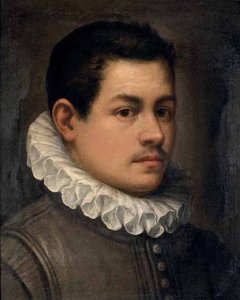
Annibale Carracci
1560 - 1609 , Itália
Dados Rápidos
- Artistic Movement Or Style: Barroco
- Artists Or Movements Influenced By This Artist:
- Caravaggio
- Escola de Bolonha
- Artists Who Influenced This Artist:
- Rafael
- Andrea del Sarto
- Titian
- Date Of Birth: 3 de novembro de 1560
- Date Of Death: 15 de julho de 1609
- Full Name: Annibale Carracci
- Nationality: Italiano
- Notable Artworks:
- Triumph Bacchus
- Loves dos Deuses
- Retrato Gabrieli
- Place Of Birth: Bologna, Itália
Artigos Relacionados

Echoes of Time: Exploring the Enduring Appeal & Historical Context of Vintage Art Prints
Explore the captivating world of vintage art prints! Discover their history, collecting tips & enduring appeal. Expert insights on chromolithography and building a legacy collection with OriginalUniqueArt.

Barroco Brasileiro: Opulência e Emoção para Interiores Contemporâneos
Descubra como o Barroco brasileiro pode transformar seus interiores! Explore a história, elementos-chave e dicas para integrar este estilo luxuoso e cheio de emoção em sua casa.
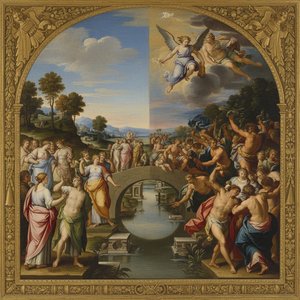
Annibale Carracci: Bridging Renaissance Ideals & Baroque Innovation
Explore the life & art of Annibale Carracci, a pivotal figure bridging Renaissance ideals with Baroque innovation. Discover his masterpieces and lasting influence on Italian painting.

Giclée Prints: Archival Quality & Aesthetic Nuances for the Discerning Collector
Explore the world of giclée prints with OriginalUniqueArt. Learn about archival quality, aesthetic nuances & investment potential. Expert guidance for discerning art collectors seeking museum-quality reproductions and lasting value.

The Enduring Legacy of Fine Art Prints: Technique, History & Aesthetic Impact
Explore the rich history & techniques of fine art prints. Discover investment potential, assess authenticity, and learn how to preserve your collection with expert guidance. Trusted insights for discerning collectors.


