

 Visualizar em escala
 Enviar
 Compartilhar
 Ver detalhes

 Baixar imagem
 Semelhantes
 Raio X
 Apresentação de slides
 Estatísticas
Lord, whither goest thou.
 Oil On Canvas
- WallArt
- Baroque
 1602
1602- Early Modern
 56.0 x 77.0 cm
 Ver mais
Giclée / Impressão de Arte
Impressão giclée ou em tela de qualidade de museu, com produção rápida e opções flexíveis de acabamento. ( Encomendar reprodução pintada à mão Ver Imagem Digital)




P118B $10

P118H $10

P118W $10

P438Z $10

P508JH $12

P508YH $12

P805H $10

P805Z $10

P919BZ $10

P919G $10

P919XJ $10

P959ZH $10

P968JZ $12

W106C $8

W218G $10

W218JH $8

W218Y $10

W307PJ $10

W316G $10

W316PJ $8

W316Y $10

W398PJ $8

W4111J $10

W500HY $15

W500JH $15

W692G $12

W849H $8

W940BG $15

W953PJ $8




Escolha entre os nossos tamanhos pré-definidos que respeitam as proporções originais da obra de arte.

Você pode inserir suas próprias dimensões para se ajustar a uma moldura ou espaço específico. Se o tamanho selecionado não corresponder às proporções da imagem original, iremos recortar a obra de arte ou estender a imagem com uma borda espelhada ou preenchimento sólido. Um mockup digital será enviado para sua aprovação antes do início da produção.
Por favor, observe que a visualização na tela não reflete o recorte ou a extensão real. Apenas o mockup mostrará com precisão a composição final.
Embora tamanhos personalizados estejam disponíveis, recomendamos selecionar uma dimensão da lista predefinida para preservar as proporções originais.
Entrega mundial () em 2 semanas, em vez das 4/5 semanas padrão. (16 Setembro)

Envio expresso gratuito para todo o mundo

Tela de Linho Premium

Seguro de transporte total

Garantia de Reembolso de Impostos Alfandegários

Garantia de Fidelidade de Cor

Política de Devolução em 100 Dias (Apenas para Defeitos)

Garantia de reembolso de 100%

Desconto para múltiplas unidades
 A opção de vidro está disponível apenas para tamanhos inferiores a 110 cm

Lord, whither goest thou.
Giclée / Impressão de Arte
Dimensões da Reprodução
-


Preço Total
$ 80
A Dialogue with Destiny: Exploring Carracci's "Lord, Whither Goest Thou"
To stand before Annibale Carracci’s Lord, Whither Goest Thou is to step directly into the charged atmosphere of early Baroque contemplation. Painted in 1602, this oil on canvas transcends a mere depiction; it captures a moment suspended between profound questioning and spiritual revelation. The scene unfolds with an intimacy that belies its monumental subject matter. Two figures are positioned across from one another, locked in what appears to be a deeply personal, perhaps even fraught, conversation. One man, dramatically holding a cross aloft, serves as the visual anchor, his posture speaking volumes about faith, burden, and unwavering conviction.
The Baroque Brushstroke: Technique and Emotional Resonance
Carracci, a master of the Bolognese school, imbues this work with the characteristic emotional intensity that defines the Baroque period. His technique is masterful; one can almost feel the texture of the oil paint as it catches the dramatic interplay of light and shadow. The use of chiaroscuro here is not merely decorative but narrative—it sculpts the figures out of the surrounding space, forcing the viewer's eye toward the core exchange between the men. Beyond the central drama, the background elements—the suggestion of trees and architecture—are rendered with a careful depth that grounds this spiritual encounter in a tangible reality, making the philosophical weight feel immediate and personal.
Historical Echoes: Carracci’s Artistic Journey
Understanding Annibale Carracci requires understanding his revolutionary spirit. Emerging from Bologna, he was part of a movement seeking to revitalize Italian art by synthesizing the grandeur of High Renaissance masters with a newfound naturalism. Lord, Whither Goest Thou stands as evidence of this synthesis. It possesses the idealized forms and compositional balance associated with classical ideals, yet it is infused with an emotional rawness—a palpable humanity—that marks the burgeoning Baroque era. This painting speaks to a time when art was deeply intertwined with religious fervor and intellectual questioning.
Symbolism of the Cross and Conversation
The cross held by one figure is perhaps the most potent symbol in the composition. It represents sacrifice, redemption, and the weight of divine law or personal conviction. The interaction between the two men suggests a dialogue that could be interpreted as theological debate, spiritual guidance, or even a confrontation with doubt. Are they discussing salvation? Duty? The path of life itself? Carracci invites us, the modern viewer, to participate in this unresolved tension. It is an artwork rich with ambiguity, allowing collectors and designers alike to project their own meditations onto its surface.
Bringing History Home: Owning a Masterpiece
For those seeking to integrate such profound artistic narrative into a contemporary space, reproductions of Lord, Whither Goest Thou offer an unparalleled opportunity. To bring this piece home is not simply to decorate; it is to curate a focal point for contemplation. The rich tonality and dramatic composition ensure that the artwork commands attention while simultaneously inviting quiet reflection. It serves as a timeless conversation starter, echoing the enduring human quest for meaning against a backdrop of sublime artistic execution.
Biografia do Artista
Early Life and the Bolognese Roots
Annibale Carracci, born in Bologna on November 3, 1560, emerged from a family deeply entrenched in artistic tradition. His initial training likely unfolded within the nurturing environment of his familial workshop, laying the foundation for a career that would profoundly reshape the landscape of Italian painting. Bologna at this time was a vibrant hub of intellectual and artistic ferment, yet it felt somewhat distant from the dominant currents emanating from Rome and Venice. This sense of provincialism fueled a desire among a group of young artists—Annibale, his brother Agostino, and cousin Ludovico—to forge a new path, one that would revitalize Italian art by looking to the masters of the High Renaissance while simultaneously embracing a more naturalistic approach.
In 1582, this ambition materialized in the establishment of the *Accademia degli Incamminati*, initially known as the Academy of the Desiderosi. This wasn’t merely a studio; it was a crucible for artistic innovation, a space dedicated to rigorous life drawing, spirited debate, and a collective pursuit of artistic excellence. The academy's name itself—the “Progressives”—signified their intent: to move beyond the stylistic complexities of Mannerism and chart a new course toward a more grounded, emotionally resonant form of expression. The Incamminati became a model for art academies across Europe, emphasizing observation from life as the cornerstone of artistic training.
A Synthesis of Styles and Influences
Carracci’s artistic vision wasn't born in a vacuum; it was meticulously crafted through a deep engagement with the legacies of past masters. He possessed an extraordinary ability to synthesize diverse influences, creating a style that felt both deeply rooted in tradition and strikingly original. He admired the clarity of line and compositional balance found in the works of Raphael and Andrea del Sarto, seeking to emulate their grace and harmony. Yet, he also recognized the power of color and atmospheric effects championed by Venetian painters like Titian, infusing his own work with a vibrant luminosity and emotional depth.
The influence of Correggio was particularly profound, evident in Carracci’s dynamic compositions and illusionistic techniques—especially those showcased in his frescoes. He wasn’t simply copying these masters; he was absorbing their strengths and forging them into something new. This eclectic blend became the hallmark of the Bolognese School, a significant branch of Baroque art that emphasized both classical ideals and naturalistic observation. Carracci’s genius lay in his ability to reconcile seemingly disparate elements, creating a harmonious whole that resonated with both intellectual rigor and emotional power.
The Roman Triumph: Palazzo Farnese and Beyond
The invitation to decorate the Palazzo Farnese in Rome marked a pivotal moment in Annibale Carracci’s career. This monumental commission—a vast fresco cycle depicting scenes from mythology—provided him with an unparalleled opportunity to showcase his artistic prowess and establish his reputation on a grand scale. The *Triumph of Bacchus and Ariadne*, arguably his masterpiece, is a breathtaking display of illusionistic technique, dynamic composition, and vibrant color. The frescoes seem to dissolve the boundaries between painting and reality, drawing the viewer into a world of mythic grandeur.
Alongside the *Triumph*, Carracci also undertook *The Loves of the Gods* at Palazzo Farnese, further exploring themes of mythology and love with a blend of classical idealism and keen observation. These works weren’t merely decorative; they were statements about the power of art to elevate the human spirit and celebrate the beauty of the natural world. His success in Rome solidified his position as one of the leading artists of his time, attracting a stream of commissions and influencing generations of painters.
Legacy and Historical Significance
Annibale Carracci’s impact on art history is immeasurable. He played a crucial role in bridging the gap between the High Renaissance and the Baroque period, moving away from the stylized complexities of Mannerism toward a more dynamic, emotionally charged aesthetic. His emphasis on naturalism—on depicting figures with anatomical accuracy and psychological depth—paved the way for artists like Caravaggio, who would further revolutionize Italian painting with their dramatic use of light and shadow.
The Accademia degli Incamminati, founded by Carracci and his associates, served as a model for art academies across Europe, promoting artistic training based on observation and classical principles. His frescoes at Palazzo Farnese remain iconic examples of Baroque illusionism and artistic grandeur, continuing to inspire awe and admiration centuries after their creation. The collective legacy of the Carracci family—Annibale, Agostino, and Ludovico—is one of profound innovation and enduring influence, establishing Bologna as a major center for artistic creativity.
Carracci’s work wasn't simply about technical skill; it was about conveying emotion, telling stories, and celebrating the human experience. He sought to create art that was both beautiful and meaningful, capable of inspiring wonder and provoking thought. His legacy endures not only in his magnificent paintings but also in the enduring principles he championed: a commitment to observation, a reverence for tradition, and an unwavering belief in the power of art to transform the world.
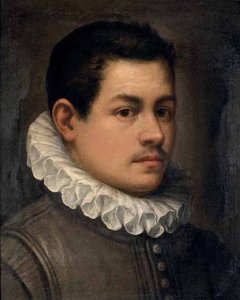
Annibale Carracci
1560 - 1609 , Itália
Informações Rápidas
- Artistic Movement Or Style: Barroco
- Artists Or Movements Influenced By This Artist:
- Caravaggio
- Escola de Bolonha
- Artists Who Influenced This Artist:
- Rafael
- Andrea del Sarto
- Titian
- Date Of Birth: 3 de novembro de 1560
- Date Of Death: 15 de julho de 1609
- Full Name: Annibale Carracci
- Nationality: Italiano
- Notable Artworks:
- Triumph Bacchus
- Loves dos Deuses
- Retrato Gabrieli
- Place Of Birth: Bologna, Itália
Artigos Relacionados
Decoding Baroque Grandeur: A Guide to the Drama and Emotion of 17th-Century Art
Explore the breathtaking drama of 17th-century Baroque art. Our expert guide decodes the use of chiaroscuro, emotional intensity, and historical grandeur to help you appreciate and curate timeless masterpieces for your collection.
Baroque Classicism: The Grandeur of Order and Drama in 17th-Century Art History
Explore the profound elegance of Baroque Classicism. Discover how 17th-century masters synthesized dramatic emotion with classical order through the lens of the Counter-Reformation and the works of legends like Carlo Maratta and Andrea Sacchi.

Os 10 Mestres do Barroco: Obras-Primas que Moldaram a Arte e Decoram o Lar
Descubra os 10 maiores ícones do Barroco! Explore a história, técnica e emoção por trás de Caravaggio, Rembrandt, Bernini e outros mestres. Encontre reproduções de arte barroca para decorar seu lar com luxo em OriginalUniqueArt.com.

The Dramatic Flourish: Exploring the Baroque Movement's Enduring Legacy in Art History
Explore the dramatic world of Baroque art! Discover iconic artists like Caravaggio & Rubens, defining techniques, and its lasting impact on art history. Expert insights for collectors & enthusiasts at OriginalUniqueArt.
Drama and Light: A Definitive Guide to the Power and Emotion of Baroque Art
Explore the dramatic power of Baroque art through an expert guide to light, shadow, and emotion. Discover how the Counter-Reformation shaped 17th-century masterpieces and learn about the profound techniques used by the Old Masters to inspire awe.


