

 Visualizar em escala
 Enviar
 Compartilhar
 Ver detalhes
 Guia de Obras do Aluno

 Baixar imagem
 Semelhantes
 Raio X
 Apresentação de slides
 Estatísticas
A Escolha de Héracles
 Óleo sobre tela
- Arte de Parede
- Baroque Drama
 1596
1596- Idade Moderna
 167.0 x 273.0 cm
 Palácio de Capodimonte
 Ver mais
Adquira uma imagem digital de alta resolução e aprimorada, muito superior à prévia online.
Cada arquivo é meticulosamente preparado por nossos especialistas internos, utilizando ferramentas avançadas e retoques manuais de alta precisão. Garantimos que cada imagem apresente clareza excepcional, fidelidade de cores e detalhes minuciosos.
O arquivo final é entregue por e-mail em até 72 horas, otimizado para uso imediato em ambientes profissionais, editoriais e de impressão. Esta é a mesma qualidade utilizada por estúdios de design de alto nível, editoras e galerias.
Imagem Digital
Baixe um arquivo de alta resolução para exibição pessoal, impressão e projetos criativos. ( Alternar para Impressão Encomendar reprodução pintada à mão)
Incluído em cada pedido de imagem digital
Entrega Digital Especializada e Garantida
Ao escolher o OriginalUniqueArt.com, você não está apenas adquirindo uma imagem — você está recebendo uma obra de arte digital profissionalmente aprimorada, elaborada com precisão e com garantia de satisfação. Aqui está tudo o que acompanha seu pedido, automaticamente:

Entrega rápida por e-mail
O seu arquivo de imagem digital em alta resolução será enviado por e-mail em até 72 horas após o pedido — pronto para uso imediato.

Arquivo Digital com IA Otimizado
Sua obra de arte é otimizada profissionalmente por meio de ferramentas avançadas de IA e edição manual, garantindo o máximo de detalhes, clareza e precisão de cores.

Reenvio gratuito vitalício
Apagou ou perdeu o seu ficheiro acidentalmente? Não se preocupe – nós reenviamos para si a qualquer momento, gratuitamente.

Sem Taxas de Importação - Sempre
Desfrute da sua obra de arte instantaneamente, sem taxas alfandegárias, impostos ou custos de entrega — downloads digitais são sempre isentos de taxas.

Garantia de Precisão de Cores
Garantimos que sua imagem digital reflita as cores originais com a maior fidelidade possível, utilizando ferramentas profissionais e gerenciamento de cores.

Garantia de satisfação de 100 dias
Se não estiver satisfeito com a sua imagem digital, nós a revisaremos ou reembolsaremos 100% dentro de 100 dias — sem perguntas.

Garantia de Reembolso 100%
Não está satisfeito? Receba o reembolso total em até 100 dias após o recebimento do seu arquivo digital — sem perguntas.

Descontos para pedidos em lote
Compre 3 imagens, economize 10% - Compre 5, economize 15% - Compre 10+, economize 20%. Ideal para projetos criativos, galerias e agências.
A Escolha de Heracles: Uma Obra-Prima do Drama Barroco
A Escolha de Heracles, de Annibale Carracci, é uma obra-prima cativante que encapsula a grandiosidade e a profundidade emocional da arte barroca. Criada em 1596, esta pintura é um testemunho da habilidade de Carracci em fundir a mitologia clássica com uma narrativa dramática.
Um Dilema Mitológico
A pintura retrata o momento crucial em que o herói Heracles deve escolher entre uma vida de virtude e uma de prazer. Flanqueado por duas figuras femininas — a Virtude à sua direita, instando-o rumo à glória através da adversidade, e o Prazer à sua esquerda, tentando seduzi-lo com o vício — a cena é rica em significados simbólicos. Atrás de Heracles ergue-se uma palmeira, simbolizando a vitória militar e a fama, enquanto Pégaso, o cavalo alado, aguarda no topo do caminho mais árduo como recompensa por sua escolha virtuosa.
Brilhantismo Barroco
O estilo barroco de Carracci é evidente na composição dinâmica, no uso dramático de luz e sombra (chiaroscuro) e na intensidade emocional das figuras. A paleta de cores quentes e terrosas da pintura, dominada por vermelhos ricos, castanhos e dourados, cria uma sensação de drama e imediatismo. A representação detalhada dos tecidos, dos elementos naturais e da forma humana acrescenta profundidade tátil e realismo à obra.
Significância Histórica
Encomendada pelo Cardeal Odoardo Farnese para o teto de seu camerino no Palácio Farnese, A Escolha de Heracles foi posteriormente transferida para a sede ducal Farnese em Parma. Influenciada pelos afrescos da Capela Sistina de Michelangelo e pelos vestígios clássicos de Roma, como o Hércules Farnese e o grupo Laocoonte, esta obra é considerada uma das maiores obras-primas de Carracci.
Ressonância Emocional
O impacto emocional da pintura reside no seu retrato de um dilema humano universal: a escolha entre a virtude e o prazer. As poses expressivas e os olhares intensos das figuras atraem o espectador para dentro da cena, evocando um sentimento de empatia e contemplação. Esta obra-prima não apenas demonstra a destreza técnica de Carracci, mas também sua capacidade de transmitir temas emocionais e morais profundos.
Por Que Escolher Esta Reprodução?
A Escolha de Heracles é uma adição ideal para qualquer coleção de arte ou projeto de design de interiores que busque evocar um senso de elegância clássica e estilo dramático. Suas cores ricas, composição detalhada e temática atemporal fazem dela uma peça central cativante que desperta conversas e admiração.
Traga a grandiosidade da arte barroca para o seu espaço com uma reprodução de alta qualidade desta obra icônica. Perfeita para amantes da arte, colecionadores e designers de interiores, A Escolha de Heracles é um testemunho do poder duradouro da mitologia clássica e do brilhantismo artístico.
Perguntas e Respostas
Qual é a técnica e o tamanho do original de "A Escolha de Héracles" de Annibale Carracci?
"A Escolha de Héracles" foi realizada em Óleo sobre tela e mede 167 x 273 cm em sua forma original.
O que explica a situação dos direitos autorais de "A Escolha de Héracles" de Annibale Carracci?
O status de direitos autorais de "A Escolha de Héracles" - em domínio público - seus direitos autorais expiraram - decorre do falecimento do artista em 1609.
Que sensação "A Escolha de Héracles" transmite ao ser oferecida como presente?
O tom Dramático de "A Escolha de Héracles" de Annibale Carracci combina com a ocasião de presente recomendada: Aniversário de relacionamento.
Biografia do Artista
Early Life and the Bolognese Roots
Annibale Carracci, born in Bologna on November 3, 1560, emerged from a family deeply entrenched in artistic tradition. His initial training likely unfolded within the nurturing environment of his familial workshop, laying the foundation for a career that would profoundly reshape the landscape of Italian painting. Bologna at this time was a vibrant hub of intellectual and artistic ferment, yet it felt somewhat distant from the dominant currents emanating from Rome and Venice. This sense of provincialism fueled a desire among a group of young artists—Annibale, his brother Agostino, and cousin Ludovico—to forge a new path, one that would revitalize Italian art by looking to the masters of the High Renaissance while simultaneously embracing a more naturalistic approach.
In 1582, this ambition materialized in the establishment of the *Accademia degli Incamminati*, initially known as the Academy of the Desiderosi. This wasn’t merely a studio; it was a crucible for artistic innovation, a space dedicated to rigorous life drawing, spirited debate, and a collective pursuit of artistic excellence. The academy's name itself—the “Progressives”—signified their intent: to move beyond the stylistic complexities of Mannerism and chart a new course toward a more grounded, emotionally resonant form of expression. The Incamminati became a model for art academies across Europe, emphasizing observation from life as the cornerstone of artistic training.
A Synthesis of Styles and Influences
Carracci’s artistic vision wasn't born in a vacuum; it was meticulously crafted through a deep engagement with the legacies of past masters. He possessed an extraordinary ability to synthesize diverse influences, creating a style that felt both deeply rooted in tradition and strikingly original. He admired the clarity of line and compositional balance found in the works of Raphael and Andrea del Sarto, seeking to emulate their grace and harmony. Yet, he also recognized the power of color and atmospheric effects championed by Venetian painters like Titian, infusing his own work with a vibrant luminosity and emotional depth.
The influence of Correggio was particularly profound, evident in Carracci’s dynamic compositions and illusionistic techniques—especially those showcased in his frescoes. He wasn’t simply copying these masters; he was absorbing their strengths and forging them into something new. This eclectic blend became the hallmark of the Bolognese School, a significant branch of Baroque art that emphasized both classical ideals and naturalistic observation. Carracci’s genius lay in his ability to reconcile seemingly disparate elements, creating a harmonious whole that resonated with both intellectual rigor and emotional power.
The Roman Triumph: Palazzo Farnese and Beyond
The invitation to decorate the Palazzo Farnese in Rome marked a pivotal moment in Annibale Carracci’s career. This monumental commission—a vast fresco cycle depicting scenes from mythology—provided him with an unparalleled opportunity to showcase his artistic prowess and establish his reputation on a grand scale. The *Triumph of Bacchus and Ariadne*, arguably his masterpiece, is a breathtaking display of illusionistic technique, dynamic composition, and vibrant color. The frescoes seem to dissolve the boundaries between painting and reality, drawing the viewer into a world of mythic grandeur.
Alongside the *Triumph*, Carracci also undertook *The Loves of the Gods* at Palazzo Farnese, further exploring themes of mythology and love with a blend of classical idealism and keen observation. These works weren’t merely decorative; they were statements about the power of art to elevate the human spirit and celebrate the beauty of the natural world. His success in Rome solidified his position as one of the leading artists of his time, attracting a stream of commissions and influencing generations of painters.
Legacy and Historical Significance
Annibale Carracci’s impact on art history is immeasurable. He played a crucial role in bridging the gap between the High Renaissance and the Baroque period, moving away from the stylized complexities of Mannerism toward a more dynamic, emotionally charged aesthetic. His emphasis on naturalism—on depicting figures with anatomical accuracy and psychological depth—paved the way for artists like Caravaggio, who would further revolutionize Italian painting with their dramatic use of light and shadow.
The Accademia degli Incamminati, founded by Carracci and his associates, served as a model for art academies across Europe, promoting artistic training based on observation and classical principles. His frescoes at Palazzo Farnese remain iconic examples of Baroque illusionism and artistic grandeur, continuing to inspire awe and admiration centuries after their creation. The collective legacy of the Carracci family—Annibale, Agostino, and Ludovico—is one of profound innovation and enduring influence, establishing Bologna as a major center for artistic creativity.
Carracci’s work wasn't simply about technical skill; it was about conveying emotion, telling stories, and celebrating the human experience. He sought to create art that was both beautiful and meaningful, capable of inspiring wonder and provoking thought. His legacy endures not only in his magnificent paintings but also in the enduring principles he championed: a commitment to observation, a reverence for tradition, and an unwavering belief in the power of art to transform the world.
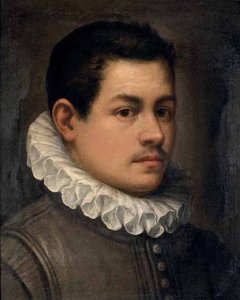
Annibale Carracci
1560 - 1609 , Itália
Informações Rápidas
- Artistic Movement Or Style: Barroco
- Artists Or Movements Influenced By This Artist:
- Caravaggio
- Escola de Bolonha
- Artists Who Influenced This Artist:
- Rafael
- Andrea del Sarto
- Titian
- Date Of Birth: 3 de novembro de 1560
- Date Of Death: 15 de julho de 1609
- Full Name: Annibale Carracci
- Nationality: Italiano
- Notable Artworks:
- Triumph Bacchus
- Loves dos Deuses
- Retrato Gabrieli
- Place Of Birth: Bologna, Itália