Visualizar em escala
 Enviar
 Compartilhar
 Ver detalhes
 Guia de Obras do Aluno

 Baixar imagem
 Semelhantes
 Raio X
 Apresentação de slides
 Estatísticas
Nymph
 Oil On Canvas
- WallArt
- Romanticism
 1800
1800 157.0 x 112.0 cm
 Museo de Arte de Ponce
 Ver mais
Giclée / Impressão de Arte
Impressão giclée ou em tela de qualidade de museu, com produção rápida e opções flexíveis de acabamento. ( Encomendar reprodução pintada à mão Ver Imagem Digital)




P118B €10

P118H €10

P118W €10

P438Z €10

P508JH €12

P508YH €12

P805H €10

P805Z €10

P919BZ €10

P919G €10

P919XJ €10

P959ZH €10

P968JZ €12

W106C €8

W218G €10

W218JH €8

W218Y €10

W307PJ €10

W316G €10

W316PJ €8

W316Y €10

W398PJ €8

W4111J €10

W500HY €15

W500JH €15

W692G €12

W849H €8

W940BG €15

W953PJ €8




Escolha entre os nossos tamanhos pré-definidos que respeitam as proporções originais da obra de arte.

Digite a largura e a altura de que necessita, para se ajustar à sua moldura ou à sua parede. Uma impressão só pode ser cortada, nunca ampliada além da imagem original, pelo que um tamanho com uma proporção diferente perderá parte da imagem. Enviamos-lhe uma maquete digital para aprovação antes de imprimirmos qualquer coisa. A imagem apresentada nesta página não mostra o corte real — apenas a maquete o faz.
Entrega mundial () em 2 semanas, em vez das 4/5 semanas padrão. (25 Outubro)

Envio expresso gratuito para todo o mundo

Tela de Linho Premium

Seguro de transporte total

Garantia de Reembolso de Impostos Alfandegários

Garantia de Fidelidade de Cor

Política de Devolução em 100 Dias (Apenas para Defeitos)

Garantia de reembolso de 100%

Desconto para múltiplas unidades
 A opção de vidro está disponível apenas para tamanhos inferiores a 110 cm

Nymph
Giclée / Impressão de Arte
Dimensões da Reprodução
-


Preço Total
€ 70
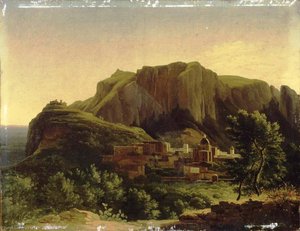
A Vision of Romantic Mystery: Anne-Louis Girodet’s “Nymph”
Anne-Louis Girodet de Roussy-Trioson's "Nymph," painted in 1800, isn’t merely a depiction of a beautiful woman; it’s a carefully constructed tableau brimming with the anxieties and aspirations of early Romanticism. Born into a world shaped by loss – orphaned at a young age and raised under the watchful eye of his physician guardian – Girodet's artistic journey was marked by a profound sensitivity to emotion, a trait he would later fuse with the rigorous training instilled in him by Jacques-Louis David. This painting, housed within the Louvre’s collection, stands as a pivotal bridge between the formality of Neoclassicism and the burgeoning emotionalism that defined the Romantic era, offering a glimpse into a world where nature, beauty, and melancholy intertwine.
The subject herself is presented with an arresting blend of vulnerability and power. A nude female figure, identified as a Nymph – a creature deeply rooted in Greek mythology, associated with springs, rivers, and the wildness of nature – occupies the central space of the composition. She’s positioned slightly off-center, lending a sense of quiet contemplation to her posture. Her gaze is directed downwards, almost lost in the shadowed depths of the forest, inviting the viewer into an intimate, introspective experience. The lighting, dramatically employed by Girodet, sculpts her form with stark contrasts – pools of light illuminating her skin while leaving much of the background shrouded in darkness. This masterful use of chiaroscuro not only emphasizes the figure’s physicality but also contributes to the painting's overall mood of mystery and longing.
The Language of the Forest: Technique and Composition
Girodet’s technical skill is immediately apparent in the meticulous detail with which he renders both the human form and the surrounding landscape. The oil paint technique, executed with a rich layering of glazes and scumbling, creates an astonishingly tactile surface – one that invites close inspection. The brushstrokes themselves are visible, contributing to a sense of volume and realism, yet never sacrificing the painting’s ethereal quality. Notice particularly the careful rendering of the drapery; it flows organically around the figure, suggesting both movement and restraint. The composition is carefully balanced, utilizing atmospheric perspective – the gradual fading of detail in the distance – to create an illusion of depth that pulls the viewer into the heart of the forest.
The background isn’t simply a backdrop; it's an active participant in the narrative. Dense foliage, rendered with remarkable precision, dominates the scene, creating a sense of enclosure and isolation. The trees themselves seem to lean inwards, almost as if guarding the Nymph within her secluded realm. This deliberate use of landscape reinforces the painting’s themes of nature, solitude, and perhaps even vulnerability – suggesting that she is both embraced by and threatened by the wildness surrounding her.
Symbolism and Romantic Ideals
“Nymph” resonates deeply with the core tenets of Romanticism. The nude figure itself represents a rejection of the rigid moral constraints of Neoclassicism, embracing instead an idealized vision of beauty and sensuality. The forest, often associated with the subconscious and the untamed spirit, symbolizes freedom, mystery, and the power of nature. The Nymph’s downward gaze speaks to introspection and perhaps even melancholy – a common theme in Romantic art, reflecting a heightened awareness of human emotion and the complexities of the inner world.
Furthermore, the painting can be interpreted as an exploration of the relationship between humanity and nature. The Nymph is not simply a beautiful woman; she’s a manifestation of the natural world itself – a symbol of its beauty, its power, and its inherent mystery. Girodet's work reflects a shift away from the rationalism of the Enlightenment towards a more intuitive and emotional understanding of the human experience.
A Timeless Masterpiece: Reproduction and Legacy
“Nymph” remains a captivating artwork, offering viewers a glimpse into the artistic sensibilities of early 19th-century France. Its evocative imagery, masterful technique, and profound symbolism continue to resonate today. OriginalUniqueArt offers high-quality reproductions that faithfully capture the painting’s rich textures, dramatic lighting, and emotional depth, allowing you to bring this timeless masterpiece into your home or office. Whether you are an art collector, a design enthusiast, or simply someone seeking inspiration, “Nymph” is a testament to the enduring power of Romantic art.
Perguntas e Respostas
"Nymph" apresenta contrastes fortes entre luz e sombra?
O contraste entre claro e escuro de "Nymph" é registrado como Serene. O contraste descreve a intensidade da diferença entre as áreas claras e escuras.
Qual é a luminosidade de "Nymph" de Anne-Louis Girodet?
A luminância registrada para "Nymph" de Anne-Louis Girodet é Dark.
"Nymph" de Anne-Louis Girodet é uma pintura, um desenho ou uma gravura?
"Nymph" de Anne-Louis Girodet é classificado como WallArt. A categoria descreve o tipo de obra de arte que a peça original representa.
Biografia do Artista
A Bridge Between Worlds: The Life and Art of Anne-Louis Girodet
Anne-Louis Girodet de Roussy-Trioson, um nome talvez menos imediatamente reconhecível que o de seu mestre Jacques-Louis David, no entanto ocupa uma posição fundamental na transição do Neoclassicismo para o Romantismo. Nascido em Montargis, França, em 1767, a jornada artística de Girodet foi marcada por um rigoroso treinamento acadêmico e uma crescente expressão emocional – um equilíbrio delicado que definiu seu estilo único e garantiu seu lugar como figura significativa na arte francesa. Sua vida inicial foi marcada pela perda; os mortes de ambos os pais deixaram sua criação aos cuidados de um tutor, Benoît-François Trioson, médico que mais tarde se tornaria seu adotivo e cuja influência permaneceu constante ao longo da carreira do artista. Essa conexão familiar levou o artista a adotar “Trioson” como parte de seu nome em 1806, significando uma profunda ligação pessoal ao lado de sua identidade artística. Inicialmente atraído pela arquitetura, Girodet logo se viu cativado pela pintura, entrando no estúdio de David e imergindo na estética Neoclássica prevalecente – um ênfase na clareza, precisão e gravidade moral. Essa base foi crucial, instilando nele uma maestria da forma e composição que permaneceria evidente mesmo quando seu trabalho começou a divergir dos princípios clássicos rígidos. Sua vitória no Prix de Rome com uma representação da história de José e seus irmãos aos jovens 22 anos sinalizou um futuro promissor, e seus anos subsequentes na Itália (1789-1793) foram formativos, resultando em obras aclamadas como *Hippocrate refusant les presents d'Artaxerxes* e *Endymion-dormant*.Da Rigidez Neoclássica à Sensibilidade Romântica
A evolução artística de Girodet não foi uma ruptura repentina com o passado, mas sim uma infusão gradual de novas sensibilidades no quadro estabelecido do Neoclassicismo. Embora ele tenha mantido a clareza e a precisão características da escola de David, seu trabalho cada vez mais abraçou a intensidade emocional e explorou temas que antes eram considerados não convencionais. Essa mudança é particularmente evidente em obras como *Scène de déluge* (A Delegação), uma tela monumental que exibe ação dramática e emoção crua, e *Atala au tombeau*, uma representação pungente de beleza trágica que ressoou profundamente com a crescente fascinação romântica pelo pathos e exotismo. No entanto, *Pygmalion et Galatée*, um projeto ambicioso que consumiu oito anos de sua vida, é talvez a obra mais que exemplifica a visão artística de Girodet. Agora alojada no Louvre, esta pintura demonstra não apenas atenção meticulosa aos detalhes, mas também uma disposição para explorar temas míticos com um senso psicológico e sensual aumentado. Seu talento se estendeu além dos temas mitológicos e literários; ele foi procurado por retratos, incluindo aqueles da família Bonaparte, onde soube equilibrar a formalidade Neoclássica com um esforço para capturar o caráter individual. *La révolte du Caire*, representando um evento histórico, demonstrou ainda sua capacidade de transmitir ação dinâmica e profundidade emocional.Um Pioneiro de Undertones Eroticas e Inspirações Literárias
O que realmente diferenciava Girodet de muitos de seus contemporâneos era sua disposição para incorporar elementos de erotismo em suas pinturas – um movimento ousado que desafiou as normas artísticas e abriu caminho para que artistas posteriores explorassem temas semelhantes com mais liberdade. Isso não era mera sensacionalidade; refletia um interesse romântico mais amplo pela paixão, desejo e complexidades da experiência humana. Sua fascinação pela literatura também influenciou profundamente sua arte. Ele não simplesmente ilustrava histórias; buscava capturar seu núcleo emocional, muitas vezes escolhendo temas que permitiam uma expressão dramática e exploração psicológica. A influência de escritores como Chateaubriand é particularmente notável, como visto em retratos e cenas inspiradas pelas obras do autor. Essa inclinação literária o diferenciava de artistas que se concentravam apenas em narrativas históricas ou míticas, adicionando uma camada adicional de profundidade intelectual às suas criações. *Ossian et les généraux français* é um testemunho dessa fusão de literatura e arte, combinando imagens tiradas dos poemas de Macpherson com retratos de heróis caídos – uma composição única e evocativa que capturou o espírito da época.Um Legado Duradouro
Apesar de às vezes ser ofuscado por figuras mais proeminentes como David, Anne-Louis Girodet deixou uma marca indelével no mundo da arte. Sua contribuição para o início do Romantismo é inegável; ele ajudou a preencher a lacuna entre a ordem racional do Neoclassicismo e a intensidade emocional do Romantismo. Ele foi um membro respeitado da Academia de Pintura e do Instituto da França, recebendo honrarias incluindo a Legião de Honra – reconhecimentos de seu mérito artístico e posição social. Suas obras continuam sendo admiradas por sua brilhanteza técnica, poder dramático e insight psicológico. Elas são encontradas em museus prestigiados como o Musée Girodet em sua cidade natal de Montargis, dedicado à sua vida e obra, e o Louvre em Paris, garantindo que seu legado perdure para as gerações futuras. *A disposição de Girodet para desafiar convenções e explorar novos territórios artísticos faz dele uma figura convincente – um verdadeiro pioneiro que ajudou a moldar o curso da pintura francesa.* **Ele permanece um elo vital entre duas correntes artísticas definidoras da história da arte, demonstrando que a inovação muitas vezes surge de uma síntese cuidadosa de tradição e experimentação.**
Anne-Louis Girodet
1767 - 1824 , França
Informações Rápidas
- Artistic Movement Or Style: Neoclassicismo & Romantismo
- Artists Or Movements Influenced By This Artist: ['Romantismo inicial']
- Artists Who Influenced This Artist: ['Jacques-Louis David']
- Date Of Birth: 1767
- Date Of Death: 1824
- Full Name: Anne-Louis Girodet de Roussy-Trioson
- Nationality: Francês
- Notable Artworks:
- Scène de déluge
- Atala au tombeau
- Pygmalion Galatée
- Revolta Cairo
- Place Of Birth: Montargis, França
Artigos Relacionados
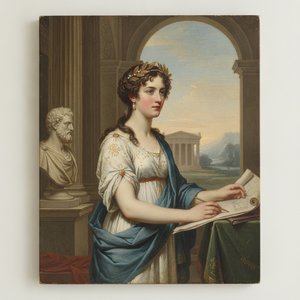
The Revival of Antiquity: Exploring Ideals of Beauty & Power in Neoclassical Portraiture
Explore the captivating world of Neoclassical portraiture! Discover the power & ideals behind masterpieces by David, Girodet & more. Expert analysis, custom reproductions & art appraisal at OriginalUniqueArt.

Romantic Realism's Finest: 10 Masterpieces for Your Home | OriginalUniqueArt
Explore 10 defining masterpieces of Romantic Realism! Discover Courbet, Millet & Daumier's powerful paintings—capturing emotion and social realities. Find museum-quality reproductions for your home at OriginalUniqueArt.com.

Século XIX na Arte: 10 Obras que Definem uma Era | OriginalUniqueArt
Mergulhe no século XIX com 10 obras de arte icônicas! Explore Monet, Renoir e Van Gogh. Descubra a história, técnica e emoção por trás dos mestres do Impressionismo e Realismo. Encontre reproduções de alta qualidade em OriginalUniqueArt.com.

Anne-Louis Girodet: Bridging Neoclassicism & Romanticism with Emotional Truth
Explore the captivating world of Anne-Louis Girodet, a pivotal figure bridging Neoclassicism & Romanticism. Discover his masterpieces and unique artistic vision with OriginalUniqueArt.

The Enduring Legacy of Neoclassical Art: Order, Reason & Antiquity's Revival
Explore the enduring legacy of Neoclassical art! Discover masterpieces by David, Girodet & Garnier. Expert analysis, custom reproductions & art appraisal at OriginalUniqueArt.