
 Visualizar em escala
 Enviar
 Compartilhar
 Ver detalhes

 Baixar
 Semelhantes
 Raio X
 Apresentação de slides
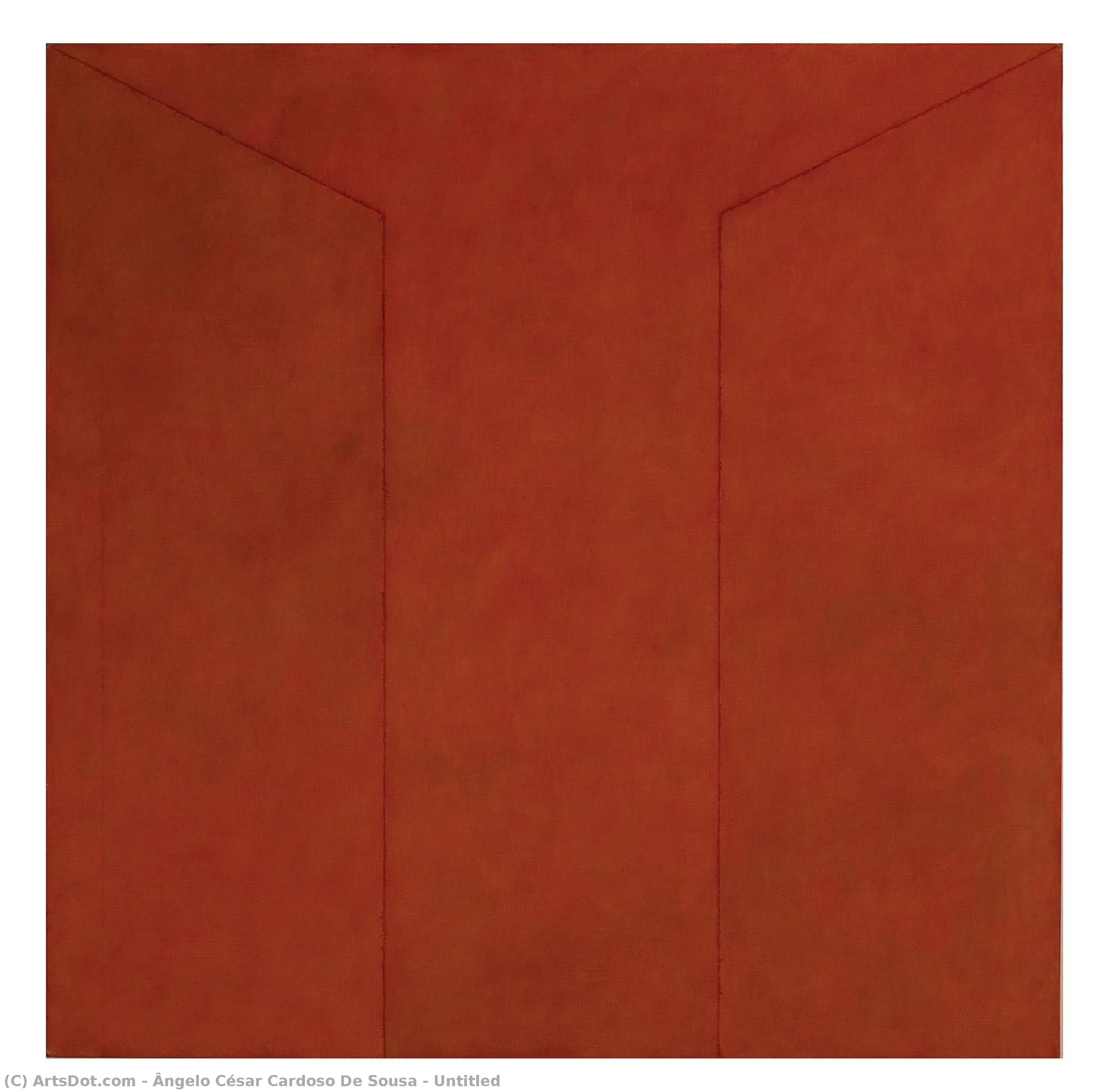
Untitled
 Acrylic On Canvas
- WallArt
- Contemporary Abstract Expressionism
 1979
1979- 19th Century
 170.0 x 170.0 cm
 Rede Portuguesa de Arte Contemporânea a Norte
 Ver mais
Adquira uma imagem digital de alta resolução e aprimorada, muito superior à prévia online.
Cada arquivo é meticulosamente preparado por nossos especialistas internos, utilizando ferramentas avançadas e retoques manuais de alta precisão. Garantimos que cada imagem apresente clareza excepcional, fidelidade de cores e detalhes minuciosos.
O arquivo final é entregue por e-mail em até 72 horas, otimizado para uso imediato em ambientes profissionais, editoriais e de impressão. Esta é a mesma qualidade utilizada por estúdios de design de alto nível, editoras e galerias.
Imagem Digital
Baixe um arquivo de alta resolução para exibição pessoal, impressão e projetos criativos. ( Encomendar impressão Encomendar reprodução pintada à mão)
Incluído em cada pedido de imagem digital
Entrega Digital Especializada e Garantida
Ao escolher o OriginalUniqueArt.com, você não está apenas adquirindo uma imagem — você está recebendo uma obra de arte digital profissionalmente aprimorada, elaborada com precisão e com garantia de satisfação. Aqui está tudo o que acompanha seu pedido, automaticamente:

Entrega rápida por e-mail
O seu arquivo de imagem digital em alta resolução será enviado por e-mail em até 72 horas após o pedido — pronto para uso imediato.

Arquivo Digital com IA Otimizado
Sua obra de arte é otimizada profissionalmente por meio de ferramentas avançadas de IA e edição manual, garantindo o máximo de detalhes, clareza e precisão de cores.

Reenvio gratuito vitalício
Apagou ou perdeu o seu ficheiro acidentalmente? Não se preocupe – nós reenviamos para si a qualquer momento, gratuitamente.

Sem Taxas de Importação - Sempre
Desfrute da sua obra de arte instantaneamente, sem taxas alfandegárias, impostos ou custos de entrega — downloads digitais são sempre isentos de taxas.

Garantia de Precisão de Cores
Garantimos que sua imagem digital reflita as cores originais com a maior fidelidade possível, utilizando ferramentas profissionais e gerenciamento de cores.

Garantia de Satisfação de 60 Dias
Se você não estiver satisfeito com sua imagem digital, nós a revisaremos ou reembolsaremos 100% dentro de 60 dias — sem perguntas.

Garantia de Reembolso 100%
Não está satisfeito? Receba o reembolso total em até 60 dias após o recebimento do seu arquivo digital — sem perguntas.

Descontos para pedidos em lote
Compre 3 imagens, economize 10% - Compre 5, economize 15% - Compre 10+, economize 20%. Ideal para projetos criativos, galerias e agências.
Descrição do Colecionável
Unveiling the Void: Ângelo de Sousa’s ‘Untitled’ (1979)
Ângelo César Cardoso de Sousa’s “Untitled,” created in 1979, is not merely a canvas; it's an invitation to contemplation. This deceptively simple work, measuring 170 x 170 cm and rendered on supple leather, immediately confronts the viewer with its emptiness – a deliberate void that speaks volumes about the artist’s profound engagement with form, space, and the very nature of representation. The stark red backing, a bold statement in itself, amplifies this sense of absence, forcing us to confront our own expectations of what art *should* be.
- The Artist's Context: Born in Maputo, Mozambique, in 1938, Ângelo de Sousa’s artistic trajectory was shaped by a unique duality. His early life immersed him in the vibrant colors and textures of Africa, while his subsequent studies in Portugal grounded him within established academic traditions. This juxtaposition fueled a lifelong exploration of light, material, and the expressive possibilities inherent in their interaction.
- A Revolutionary Approach: De Sousa was not content with simply replicating existing styles; he actively sought to dismantle and reconstruct them. His approach, evident in “Untitled,” reflects a broader movement within Portuguese art during this period – a desire to break free from traditional constraints and embrace experimentation.
Materiality and the Illusion of Form
The choice of leather as the canvas is crucial to understanding the work’s impact. The tactile quality of the material, its inherent softness and slight imperfections, adds another layer of complexity to the piece. It suggests a vulnerability, an openness that contrasts sharply with the emptiness at its core. De Sousa masterfully utilizes this juxtaposition – the solid, tangible nature of the leather against the illusion of space created by the square void. This technique echoes the principles of Minimalism, though predating its widespread adoption, demonstrating de Sousa's intuitive grasp of fundamental artistic concerns.
- Technique: The work is executed with a meticulous attention to detail, characteristic of De Sousa’s approach. The smooth surface of the leather provides a perfect backdrop for the stark contrast between the red backing and the negative space.
- Color as a Catalyst: The bold red color isn't simply decorative; it actively participates in the artwork's conceptual framework, intensifying the feeling of isolation and prompting questions about perception and visual illusion.
Symbolism and the Absence of Content
"Untitled" transcends a simple representation of nothingness. It’s a meditation on the concept of absence itself – a powerful symbol of potential, silence, and the unknown. The square shape, a fundamental geometric form, adds to this sense of order within chaos, suggesting a contained space yearning for definition. This deliberate ambiguity invites viewers to project their own interpretations onto the canvas, transforming it into a mirror reflecting their own thoughts and emotions.
- Conceptual Depth: The work’s power lies in its refusal to offer easy answers. It challenges us to consider the role of the viewer in shaping meaning and the inherent limitations of representation.
- Historical Resonance: Created in 1979, “Untitled” reflects a period of significant artistic upheaval in Portugal, marked by a desire for innovation and a rejection of established norms.
A Statement for the Contemporary Space
“Untitled” remains a compelling work of art today, its themes – absence, perception, and the relationship between form and space – resonating powerfully in contemporary contexts. This reproduction offers an exceptional opportunity to own a piece of significant artistic history, a testament to Ângelo de Sousa’s visionary approach and his profound understanding of the power of emptiness. Its stark simplicity makes it remarkably versatile, capable of enhancing a wide range of interior design styles, from minimalist modern spaces to more eclectic settings where its bold presence commands attention.
Biografia do Artista
A Life Immersed in Color and Form
Ângelo César Cardoso de Sousa, known simply as Ângelo de Sousa, was a pivotal figure in Portuguese art, a restless innovator whose career spanned decades of relentless experimentation. Born in 1938 in Lourenço Marques – now Maputo, Mozambique – his artistic journey began under the vibrant skies and diverse cultural currents of Africa before blossoming within the academic traditions of Portugal. This early exposure to a world brimming with color and texture profoundly shaped his aesthetic sensibility, instilling a lifelong fascination with light, form, and the expressive potential of materials. The move to Porto in 1955 marked a turning point, as he immersed himself in formal training at the School of Fine Arts, quickly distinguishing himself as an exceptional talent. He didn’t merely master traditional techniques; he absorbed them, dissected them, and prepared to transcend their boundaries. Graduating with the highest possible mark – a testament to his dedication and skill – de Sousa soon found himself among “Os Quatro Vintes,” a collective of academically gifted artists who would become influential forces in the Portuguese art scene.The Evolution of an Artistic Vision
De Sousa’s artistic path was one of continuous exploration, defying easy categorization. After establishing himself as a promising painter, he embraced sculpture, drawing, photography, film, and video, demonstrating a remarkable versatility that set him apart. From 1962 to 2000, his tenure as a professor at the University of Porto’s Faculty of Fine Arts wasn't simply an occupation; it was a vital component of his artistic practice. He nurtured generations of artists while simultaneously refining his own vision, fostering an environment where experimentation and critical thinking flourished. His work is immediately recognizable for its bold use of color – often primary hues deployed with striking intensity – and a willingness to challenge conventional approaches. He wasn’t content to simply represent the world; he sought to *interpret* it through abstract forms and innovative techniques. Influences were wide-ranging, from the emotional power of Expressionism to the geometric precision of Oriental art, the raw energy of primitive arts and Art Brut, the expansive fields of Colour Field painting, the cool detachment of Post Painterly Abstraction, the optical illusions of Op Art, and the playful accessibility of Pop Art. He absorbed these diverse currents not as imitation but as fuel for his own unique artistic language.Recognition and Accolades
The recognition of de Sousa’s talent came steadily throughout his career. His first solo exhibition in 1959 offered a glimpse of the innovative spirit that would define his work, while his participation in numerous group shows solidified his presence within the Portuguese art community. However, it was the International Prize awarded at the prestigious São Paulo Art Biennial in 1975 that truly propelled him onto the international stage. This accolade affirmed his standing as a significant contemporary artist and opened doors to exhibitions worldwide. His work found its way into museum collections, including the National Museum of Fine Arts in La Valletta, Malta, demonstrating the broad appeal and enduring quality of his artistic vision. The culmination of a lifetime dedicated to art came with the Gulbenkian Prize in 2007 – a prestigious honor recognizing his profound contribution to Portuguese culture. This award wasn’t merely a celebration of past achievements; it was an acknowledgement of his ongoing influence on the artistic landscape.A Lasting Legacy
Ângelo de Sousa's impact extends far beyond his own body of work. He inspired countless artists with his unwavering commitment to experimentation, his fearless exploration of new techniques, and his ability to synthesize diverse influences into a cohesive and compelling aesthetic. He was, at heart, a scholar of light and color, relentlessly pursuing minimalist expressions that resonated with profound emotional depth. His legacy lies not in adherence to any single style or movement but in the spirit of inquiry he embodied – a constant questioning of boundaries, a refusal to be constrained by convention, and an unwavering belief in the power of art to transform our perception of the world. His work continues to challenge and inspire new generations of artists, ensuring that his innovative spirit will endure for years to come. He remains a beacon for those who seek to push the limits of artistic expression.Key Achievements
- 1959: First solo exhibition, marking the beginning of his public career.
- 1975: International Prize at the 13th São Paulo Art Biennial – a pivotal moment in his international recognition.
- 2007: Gulbenkian Prize, acknowledging his significant contribution to Portuguese culture.
- Throughout his career: Extensive exhibitions in museums and collections worldwide, solidifying his global presence.
- 1962-2000: Dedicated teaching at the University of Porto, shaping generations of artists.

Ângelo César Cardoso de Sousa
1938 - 2011 , Mozambique
Informações Rápidas
- Artistic Movement Or Style: Expressionism, Minimalism
- Artists Or Movements Influenced By This Artist: ['New generations of artists']
- Artists Who Influenced This Artist:
- Klee
- Kandinsky
- Date Of Birth: 1938
- Date Of Death: 2011
- Full Name: Ângelo César Cardoso de Sousa
- Nationality: Portuguese
- Notable Artworks:
- Untitled
- Sem título (Geométrico grande)
- Place Of Birth: Maputo, Mozambique

