- Início

- Imagem Digital
- andrzej dluzniewski
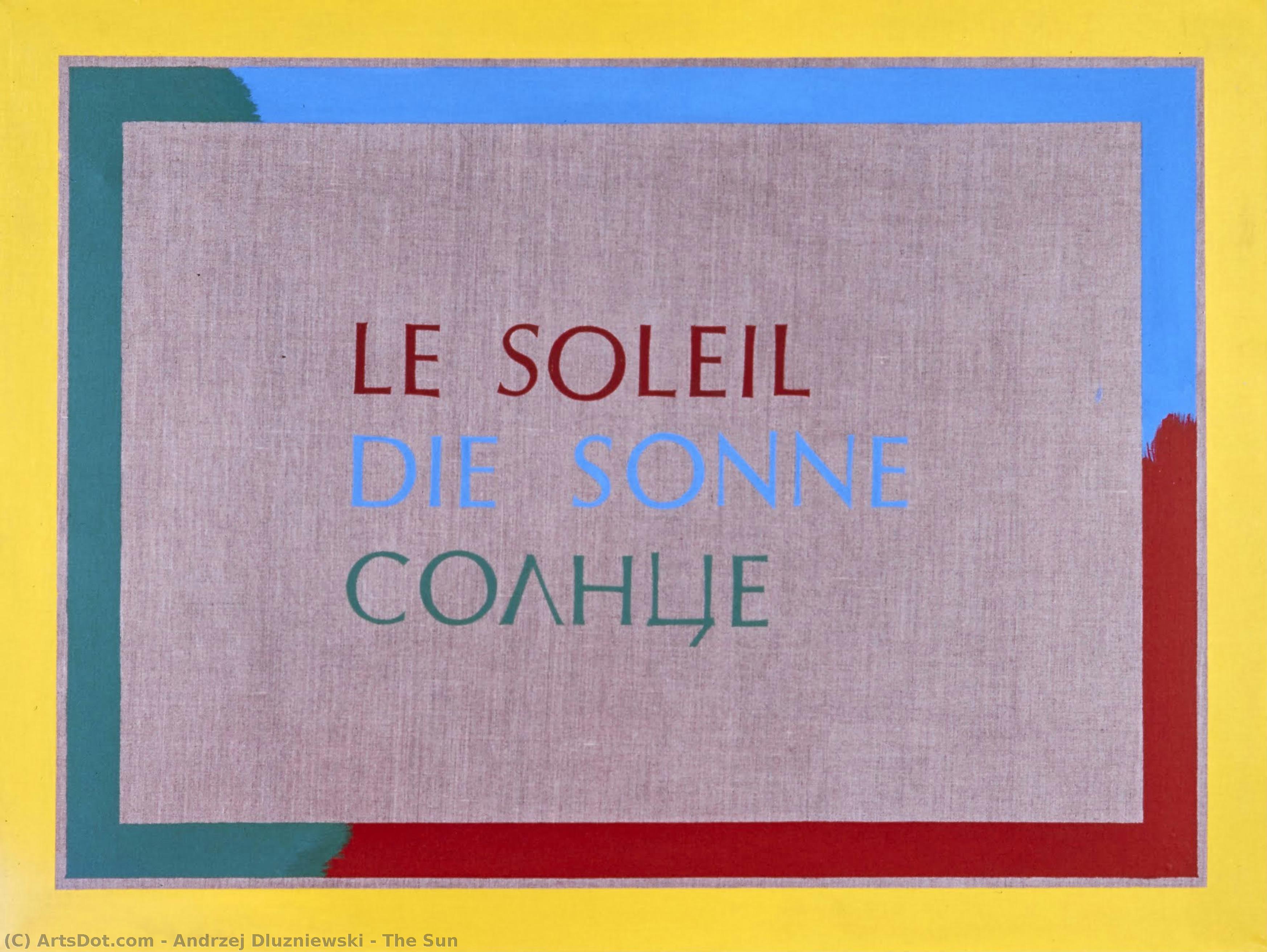
- The Sun
 Preview
 Comprar impressão Encomendar pintura
 Enviar
 Compartilhar
 Detalhes da obra
 Adicionar aos favoritos

 Baixar
 Semelhantes
 Raio X
 Slideshow
The Sun
 1989
1989 80.0 x 120.0 cm
 Ujazdowski Castle Centre for Contemporary Art
 Ver mais
Adquira uma imagem digital de alta resolução e aprimorada, muito superior à prévia online.
Cada arquivo é meticulosamente preparado por nossos especialistas internos, utilizando ferramentas avançadas e retoques manuais de alta precisão. Garantimos que cada imagem apresente clareza excepcional, fidelidade de cores e detalhes minuciosos.
O arquivo final é entregue por e-mail em até 72 horas, otimizado para uso imediato em ambientes profissionais, editoriais e de impressão. Esta é a mesma qualidade utilizada por estúdios de design de alto nível, editoras e galerias.
Imagem Digital
Baixe um arquivo de alta resolução para exibição pessoal, impressão e projetos criativos.
Incluído em cada pedido de imagem digital
Entrega Digital Especializada, Garantida
Ao escolher o OriginalUniqueArt.com, você não está apenas recebendo uma imagem — você está recebendo uma obra de arte digital profissionalmente aprimorada, elaborada com precisão e com garantia de satisfação. Aqui está tudo o que acompanha seu pedido, automaticamente:

Entrega rápida por e-mail
O seu arquivo de imagem digital em alta resolução será enviado por e-mail em até 72 horas após o pedido — pronto para uso imediato.

Arquivo Digital com IA
Sua obra de arte é otimizada profissionalmente por meio de ferramentas avançadas de IA e edição manual, garantindo o máximo de detalhes, clareza e precisão de cores.

Reenvio Gratuito Vitalício
Apagou ou perdeu o seu ficheiro acidentalmente? Não se preocupe – nós reenviamos para si a qualquer momento, gratuitamente.

Sem Taxas de Importação - Sempre
Desfrute da sua obra de arte instantaneamente, sem taxas alfandegárias, impostos ou custos de entrega — downloads digitais são sempre isentos de taxas.

Garantia de Precisão de Cores
Garantimos que sua imagem digital reflita as cores originais com a maior fidelidade possível, utilizando ferramentas profissionais e gerenciamento de cores.

Garantia de Satisfação de 60 Dias
Se você não estiver satisfeito com sua imagem digital, nós a revisaremos ou reembolsaremos 100% dentro de 60 dias — sem perguntas.

Garantia de Reembolso 100%
Não está satisfeito? Receba o reembolso total em até 60 dias após o recebimento do seu arquivo digital — sem perguntas.

Descontos para pedidos em lote
Compre 3 imagens, economize 10% - Compre 5, economize 15% - Compre 10+, economize 20%. Ideal para projetos criativos, galerias e agências.
Biografia do Artista
Andrzej Dłużniewski: Sculpting the Unseen
Andrzej Dłużniewski (1939-2012) stands as a towering figure in contemporary Polish sculpture, an artist whose profound impact extends far beyond the purely visual. Often described as a poet of form and material, he carved a unique space for himself within the art world—one characterized by intellectual rigor, symbolic depth, and a persistent questioning of perception. Born in Poznań, Poland, Dłużniewski’s artistic journey was shaped not only by formal training but also by a deeply ingrained philosophical sensibility, a willingness to challenge conventional notions of representation, and an enduring fascination with the interplay between language, image, and reality. His career spanned nearly six decades, marked by a constant evolution in style and technique, culminating in works that are both monumental in scale and intensely intimate in their exploration of human experience.Early Influences and Artistic Formation
Dłużniewski’s artistic trajectory began with studies at the Wrocław University of Technology, initially focused on architecture—a discipline that instilled within him a fundamental understanding of spatial relationships and structural principles. However, his true calling lay in sculpture, leading him to pursue further education at the Warsaw Academy of Fine Arts under the tutelage of prominent figures like Marian Wnuk and Oskar Hansen. These formative years were crucial, exposing him to diverse artistic approaches—from the expressive dynamism of Wnuk’s work to the conceptual rigor of Hansen’s design philosophy. Crucially, his time in Warsaw also coincided with a period of significant social and political change in Poland, an environment that fostered critical thinking and a desire to engage with pressing societal issues through art. The influence of Fluxus, a loosely organized international artistic movement emphasizing spontaneity, collaboration, and the blurring of boundaries between art and life, is evident in his early explorations of performance and object-based sculpture.The Language of Form: Iconograms and Beyond
A defining characteristic of Dłużniewski’s oeuvre is his deliberate manipulation of language within the visual realm. His series of “Iconograms” (1974), exhibited at Foksal Gallery in Warsaw, exemplifies this approach. These meticulously crafted works—featuring fifty-five pieces that combined images with text—demonstrated a profound understanding of semiotics and the ways in which meaning is constructed through the interplay of symbols. The title itself suggests a desire to move beyond literal representation, hinting at a deeper, more elusive truth. Later, in 1978, he produced “Image of an Absent Picture,” a photographic documentation of a blank wall—a seemingly simple gesture that nonetheless interrogated the very nature of perception and the role of the artist’s intervention. This work, along with his exploration of grammatical gender in language (“Rodzaj i cień”, 1984-1994), reveals a sustained interest in deconstructing established systems of thought and exposing their inherent contradictions.A World Without Sight: The Geonauts and the Shift in Perspective
The tragic loss of Dłużniewski’s sight in 1997 marked a pivotal moment in his artistic practice, forcing him to re-evaluate his relationship with form and space. Remarkably, rather than succumbing to despair, he embraced this new sensory experience, creating an astonishing body of work—including the miniature bronze sculptures known as “Geonauts” (1998-2004)—that are imbued with a unique poignancy and depth. These tiny figures, seemingly poised on the brink of departure, represent a profound meditation on human existence, mortality, and the search for meaning in an indifferent universe. The creation of these sculptures, often undertaken with the assistance of his wife and son, became a deeply collaborative process—a testament to the enduring power of artistic connection.Legacy and Historical Significance
Andrzej Dłużniewski’s legacy extends far beyond the confines of the Polish art world. His work has been exhibited internationally, earning him critical acclaim and recognition as one of the most important sculptors of his generation. He was awarded the Katarzyna Kobro Award (2003) and the Jan Cybis Award (2006), both prestigious accolades recognizing his contributions to contemporary art. More importantly, Dłużniewski’s artistic practice serves as a powerful reminder of the transformative potential of art—its ability to challenge assumptions, provoke thought, and offer new perspectives on the world around us. His willingness to embrace ambiguity, to question established conventions, and to explore the hidden depths of human experience ensures that his work will continue to resonate with audiences for generations to come. He remains a sculptor who dared to sculpt the unseen, revealing profound truths through the language of form.
andrzej dluzniewski
1939 - 2012 , Poland
Informações Rápidas
- Artistic Movement Or Style: Monumental sculpture
- Artists Or Movements Influenced By This Artist: ['Fluxus']
- Artists Who Influenced This Artist: ['Oskar Hansen']
- Date Of Birth: August 3, 1939
- Date Of Death: December 16, 2012
- Full Name: Andrzej Dłużniewski
- Nationality: Polish
- Notable Artworks:
- The Sun
- Geonauts
- Iconograms
- Place Of Birth: Poznań, Poland

