Alternar para Impressão
 Ler mais







































 Para obras de arte ou reproduções com mais de 105 cm (aproximadamente 41 polegadas) em qualquer um dos lados, a moldura será enviada como um kit desmontado. Este método garante uma entrega segura e evita danos durante o transporte.


A Renaissance Excavation: Exploring Andrea Mantegna’s “The Ascension”
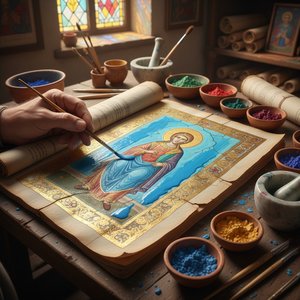
Andrea Mantegna's "The Ascension," housed in collections worldwide, isn’t merely a depiction of biblical scripture; it’s an audacious declaration of artistic ambition—a testament to the burgeoning fervor for classical scholarship that defined the High Renaissance. Born around 1431 near Padua, Mantegna’s formative years under Francesco Squarcione instilled within him a singular obsession: the meticulous reconstruction of Roman antiquity. Unlike many artists preoccupied with idealized beauty, Mantegna sought truth through observation and emulation, immersing himself in the fragmented grandeur of Pompeii and Herculaneum—sites that had captivated European imaginations since their rediscovery. This dedication to archaeological accuracy profoundly shaped his artistic vision, informing every brushstroke with a palpable respect for the past.- Style & Technique: The painting embodies the stylistic hallmarks of Early Renaissance sculpture blended seamlessly with innovative perspectival techniques. Mantegna’s masterful manipulation of linear perspective—a revolutionary departure from Byzantine conventions—creates an illusionistic depth that draws viewers into the scene, mirroring the monumental scale and sculptural solidity characteristic of Roman architecture.
- Historical Context: Commissioned during Mantegna's prolific period in Gonzaga Chapel frescoes, “The Ascension” reflects the humanist intellectual currents sweeping across Italy. Artists like Leonardo da Vinci and Michelangelo were actively engaged in studying classical texts and reviving artistic traditions—a collective effort to recapture the glory of Rome and elevate human understanding.
Symbolism: Angels, Light & Divine Triumph
The composition itself is laden with symbolic significance. The central figure of Jesus dominates the canvas, positioned at the apex of a pyramidal structure—a deliberate allusion to Christian iconography and Roman funerary monuments. Surrounding him are angels bearing scrolls proclaiming divine pronouncements, symbolizing God’s word and authority. Notably, the radiant light emanating from above illuminates the scene, representing divine grace and illuminating the spiritual realm. The inclusion of doves—traditional symbols of peace—underscores the triumphant victory over death and darkness—a cornerstone of Christian theology.- Color Palette: Mantegna employs a restrained color palette dominated by earthy tones—ochre, umber, and Sienna—reflecting the influence of Roman sculpture and emphasizing textural richness. However, strategic use of gold leaf highlights key elements—particularly Jesus’s halo—creating an aura of majesty and conveying spiritual luminescence.
- Material: Executed in tempera on canvas—a technique favored by Mantegna for its durability and ability to achieve remarkable tonal gradations—the painting demonstrates a profound understanding of material properties. The careful layering of pigments ensures that the artwork retains its vibrancy and integrity across centuries.
Emotional Impact: Capturing Sacred Wonder
“The Ascension” transcends mere representation; it aspires to evoke profound emotional response in the viewer. Mantegna’s meticulous attention to detail—from the folds of Jesus’s robe to the expressions on the angels' faces—captures a palpable sense of solemn reverence and spiritual awe. The pyramidal composition reinforces the grandeur of the event, conveying an overwhelming feeling of divine majesty. Ultimately, the painting serves as a powerful reminder of humanity’s relationship with God—a celebration of faith, hope, and eternal life.This breathtaking artwork exemplifies Mantegna's unwavering commitment to artistic innovation and scholarly rigor—a legacy that continues to inspire artists and collectors alike. Its enduring appeal lies in its ability to communicate timeless spiritual truths through masterful technique and evocative symbolism.
Perguntas e Respostas
Onde posso comprar uma impressão de "The Ascension", de Andrea Mantegna?
Uma impressão de "The Ascension", de Andrea Mantegna pode ser encomendada diretamente na sua página de Impressão Fine Art: uma impressão fine art em tela de algodão ou papel canvas de arquivo.
"The Ascension" é típico do que Andrea Mantegna costumava criar?
Os temas recorrentes de Andrea Mantegna incluem roman antiquity, byzantine tradition, religious beliefs, artistic accuracy, renaissance legacy; "The Ascension" foca em religious scene, angels, ascension, byzantine influence, renaissance art, perspective, detail.
A que período da carreira de Andrea Mantegna pertence "The Ascension"?
Dentro da trajetória de Andrea Mantegna, "The Ascension" pertence ao período Mature Period. Esta fase permite compará-la com outras obras do artista.
 Visualizar na parede
 Compartilhar
 Compartilhar
 Detalhes
 Guia
Guia

 Baixar imagem
 Semelhantes
 Raio X
 Ver diaporama
 Perguntas e Respostas
 Estatísticas