 Visualizar em escala
 Enviar
 Compartilhar
 Ver detalhes

 Baixar
 Semelhantes
 Raio X
 Apresentação de slides
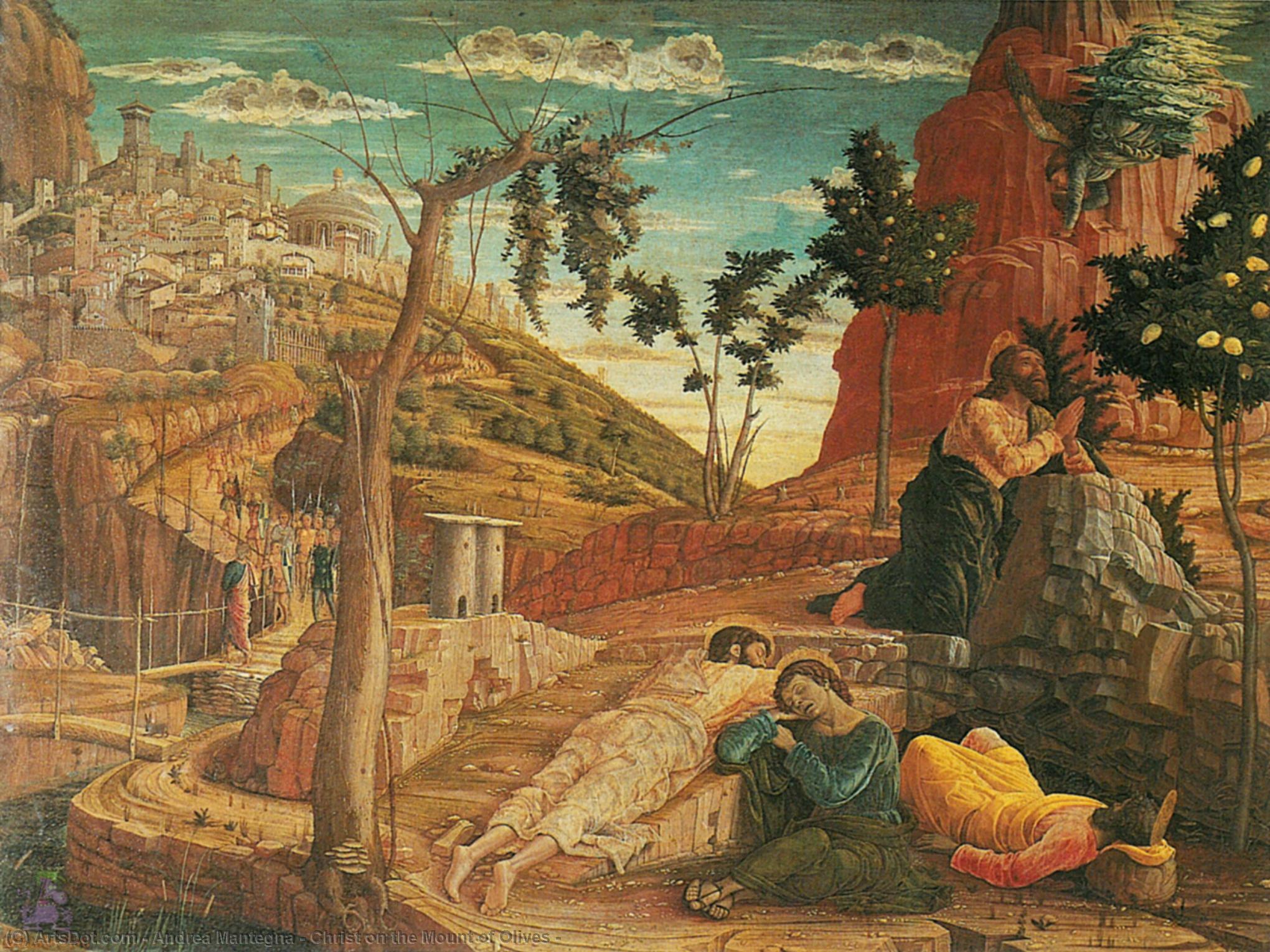
Cristo no Monte Olivete


 Ver mais
Reprodução em Óleo Feita à Mão
Óleo sobre tela pintado à mão no seu tamanho e moldura, feito sob encomenda pelos nossos artistas. ( Encomendar impressão Comprar imagem em alta resolução)




P118B $10

P118H $10

P118W $10

P438Z $10

P508JH $12

P508YH $12

P805H $10

P805Z $10

P919BZ $10

P919G $10

P919XJ $10

P959ZH $10

P968JZ $12

W106C $8

W218G $10

W218JH $8

W218Y $10

W307PJ $10

W316G $10

W316PJ $8

W316Y $10

W398PJ $8

W4111J $10

W500HY $15

W500JH $15

W692G $12

W849H $8

W940BG $15

W953PJ $8




Escolha entre os nossos tamanhos pré-definidos que respeitam as proporções originais da obra de arte.

Pode inserir as suas próprias dimensões para se adequar a uma moldura ou espaço específico. Se o tamanho selecionado não corresponder às proporções da imagem original, iremos cortar a obra de arte ou estender a pintura com elementos adicionais pintados à mão. Um esboço digital será enviado para sua aprovação antes do início da produção.
Tenha em atenção que a pré-visualização no ecrã não reflete o corte ou extensão real. Apenas o esboço mostrará com precisão a composição final.
Embora tamanhos personalizados estejam disponíveis, recomendamos selecionar uma dimensão da lista predefinida para preservar as proporções originais.
Após o pedido, a equipa OriginalUniqueArt.com enviará um e-mail ao cliente para solicitar instruções e fornecer uma prévia do esboço.
Entrega mundial () em 3 a 4 semanas, em vez das 5 semanas padrão. (20 Agosto). Sem comprometer a qualidade.

Envio Expresso Gratuito para todo o Mundo

Tela de Linho Premium

Seguro de transporte total

Garantia de Reembolso de Impostos Alfandegários

Garantia de Fidelidade de Cor

Política de Devolução de 60 Dias (Apenas para Defeitos)

Garantia de reembolso de 100%

Desconto para múltiplas unidades
 A opção de vidro está disponível apenas para tamanhos inferiores a 110 cm

Cristo no Monte Olivete
Técnica de Reprodução
Dimensões da Reprodução
-


Preço Total
$ 300
Descrição da Obra
Andrea Mantegna: A Renaissance Forged in Antiquity – Exploring “Christ on the Mount of Olives”
Andrea Mantegna (1431–1506) stands as a pivotal figure bridging the Early and High Renaissances. His artistic journey wasn’t merely about adopting classical forms; it was an immersive excavation of antiquity, a passionate attempt to resurrect the spirit of Rome within the burgeoning Italian Renaissance. Unlike many contemporaries who drew inspiration from classical models, Mantegna possessed a unique fervor for archaeological accuracy. This obsession stemmed from his formative years under Francesco Squarcione, whose workshop functioned less as a traditional studio and more as an academy dedicated to the study of Roman ruins, sculptures, and inscriptions. It was within these walls, surrounded by fragments of a lost empire, that Mantegna’s artistic vision began to take shape—a vision characterized by sculptural forms, dramatic perspective, and an unwavering commitment to capturing the essence of classical art.His fascination with Roman sculpture profoundly influenced his approach to painting. He meticulously studied statues from antiquity, absorbing their anatomical precision and expressive gestures. This dedication translated into a remarkable ability to render human figures with astonishing realism—a hallmark of Mantegna’s oeuvre that distinguishes him from many of his peers.
“Christ on the Mount of Olives”: A Masterpiece of Perspective and Emotion
"Christ on the Mount of Olives," painted around 1458–60, exemplifies Mantegna's groundbreaking mastery of perspective. Unlike earlier artists who relied on illusionistic techniques to create depth, Mantegna employed a radical approach—lowering the horizon line—to achieve an unprecedented sense of spatial realism. This daring innovation wasn’t simply stylistic; it served as a deliberate tool for conveying the profound psychological drama unfolding within the scene.
The painting depicts Jesus alone on Mount Olivet, contemplating his impending crucifixion. Surrounding him are disciples who appear lost in thought, reflecting the weight of their faith and fear. Mantegna’s meticulous attention to detail—from the rough texture of the rocky terrain to the subtle gradations of light and shadow across Jesus’s face—creates an immersive experience for the viewer.
Symbolism Rooted in Antiquity
Mantegna's artistic sensibilities were deeply rooted in classical ideals. The composition itself echoes monumental Roman sculptures, particularly those depicting emperors—a deliberate homage to the grandeur of antiquity. Notice the careful placement of figures and objects: the doves symbolize peace, while the cypress tree represents mourning and remembrance.
Furthermore, Mantegna’s use of tempera on panel—a technique favored by Renaissance artists—allowed for exceptional luminosity and tonal richness. The artist skillfully blended colors to evoke a mood of solemn contemplation, capturing the spiritual intensity of the moment.
A Timeless Reflection on Suffering and Grace
"Christ on the Mount of Olives" transcends mere visual representation; it embodies a profound meditation on human suffering and divine grace. Mantegna’s masterful execution—combined with his unwavering dedication to classical principles—solidifies its place as one of the most iconic artworks of the Renaissance.
Reproductions: Bringing Mantegna's Vision Home
OriginalUniqueArt offers meticulously hand-painted reproductions of Andrea Mantegna’s “Christ on the Mount of Olives,” capturing the artist’s remarkable skill and attention to detail. These reproductions are created using traditional techniques, employing high-quality pigments and archival materials to ensure their longevity and beauty.
Whether you seek a stunning addition to your home or office, or a unique gift for an art lover, our hand-painted reproduction provides an authentic representation of this timeless masterpiece. Explore the available sizes and options on our website to bring Mantegna’s vision into your space.
Biografia do Artista
A Renaissance Forged in Antiquity: The Life and Art of Andrea Mantegna
Andrea Mantegna, born near Padua around 1431, stands as a pivotal figure bridging the Early and High Renaissances. His artistic journey wasn’t merely about adopting classical forms; it was an immersive excavation of antiquity, a passionate attempt to resurrect the spirit of Rome within the burgeoning Italian Renaissance. Unlike many contemporaries who drew inspiration from classical models, Mantegna possessed a unique fervor for archaeological accuracy. This obsession stemmed from his formative years under Francesco Squarcione, a painter and collector whose workshop functioned less as a traditional studio and more as an academy dedicated to the study of Roman ruins, sculptures, and inscriptions. It was within these walls, surrounded by fragments of a lost empire, that Mantegna’s artistic vision began to take shape—a vision characterized by sculptural forms, dramatic perspective, and an almost obsessive attention to detail. His early life remains somewhat shrouded in mystery; accounts suggest he was discovered as a promising apprentice, his innate talent recognized and nurtured by Squarcione despite humble origins. This unconventional beginning perhaps fueled Mantegna’s relentless pursuit of artistic mastery and his determination to forge a style distinctly his own.The Gonzaga Court and the Illusion of Reality
Mantegna's career truly blossomed when he entered the service of the Gonzaga family in Mantua, becoming court painter in 1488. This patronage provided him with an unprecedented level of artistic freedom and a platform to realize his most ambitious projects. The Gonzaga’s were not simply patrons; they were collaborators, commissioning works that pushed the boundaries of artistic innovation. It was during this period that Mantegna created what is arguably his masterpiece: the *Camera degli Sposi* (Bridal Chamber) frescoes in the Palazzo Ducale. This groundbreaking work transcends mere decoration; it's a complete illusionistic environment, seamlessly integrating architecture and painting to create an extended sense of space. The frescoes depict scenes from the life of the Gonzaga family, portraits that are remarkably lifelike and engaging, and a breathtaking *di sotto in sù* (seen from below) ceiling panel that creates the illusion of an open sky. This masterful manipulation of perspective wasn’t simply about technical skill; it was about creating a world within a room, blurring the lines between reality and representation. Beyond the *Camera degli Sposi*, Mantegna continued to produce works of exceptional quality for the Gonzaga court, including the monumental series *Triumphs of Caesar*. These paintings, inspired by Roman triumphal processions, are not merely historical depictions; they are elaborate allegories celebrating the power and prestige of the Gonzaga family, presented with a grandeur that rivals the imperial ambitions of ancient Rome.A Master of Perspective and Anatomical Precision
Mantegna’s artistic innovations extended far beyond illusionistic environments. He was a pioneer in the use of perspective, frequently employing techniques that went against conventional methods to achieve dramatic effects. Frequently, he adjusted the horizon line, creating a sense of monumentality and imposing scale. This technique, coupled with his meticulous attention to anatomical detail, gave his figures an unparalleled sense of weight and presence. He wasn’t content with simply representing the human form; he dissected it, studied its musculature, and rendered it with a precision that was revolutionary for his time. His mastery of *trompe-l'oeil* – creating illusions so convincing they deceive the eye – further enhanced this effect, blurring the boundaries between painting and reality. This dedication to anatomical accuracy wasn’t merely an exercise in technical skill; it reflected Mantegna’s deep engagement with classical sculpture and his desire to emulate the idealized forms of antiquity. He sought not just to depict the human body but to capture its inherent dignity and power.Influences and Artistic Development
Mantegna's artistic development was profoundly shaped by several key influences. His early training under Francesco Squarcione, a collector and scholar of Roman antiquities, instilled in him a deep appreciation for classical art and architecture. This fascination with antiquity permeated his work, evident in the sculptural forms, architectural details, and mythological themes that he frequently incorporated into his paintings. He was also influenced by the works of Giovanni Bellini, his uncle, whose softer color palettes and expressive figures provided a counterpoint to Mantegna’s more rigorous and analytical style. Furthermore, Mantegna's exposure to the artistic traditions of Padua, a center of humanist learning, contributed to his intellectual curiosity and his desire to synthesize classical ideals with contemporary concerns. His work demonstrates a complex interplay between these influences, resulting in a unique artistic voice that is both deeply rooted in the past and strikingly modern.Legacy and Enduring Influence
Andrea Mantegna died in Mantua in 1506, leaving behind a legacy that continues to resonate with art historians and enthusiasts alike. His work represents a crucial turning point in the history of Renaissance art, bridging the gap between the Early and High Renaissance styles. He wasn’t simply an imitator of classical forms; he was an interpreter, adapting ancient motifs and techniques to create something entirely new and uniquely his own. His meticulous attention to detail, his mastery of perspective, and his profound engagement with classical antiquity established him as a leading figure of his time. Mantegna’s exploration of classical themes helped revive interest in ancient art and culture, paving the way for the artistic achievements of the High Renaissance. His influence can be seen in the works of countless artists who followed, from Raphael's graceful compositions to Michelangelo's powerful figures. Today, his paintings are housed in major museums around the world, including The National Gallery in London and the Pinacoteca di Brera in Milan, where they continue to inspire awe and admiration.- His innovative use of perspective continues to be studied by artists and art historians.
- His anatomical precision remains a benchmark for realistic representation.
- His dedication to classical themes helped shape the course of Renaissance art.

Andrea Mantegna
1431 - 1506 , Itália
Informações Rápidas
- Artistic Movement Or Style: Renascimento Inicial
- Artists Or Movements Influenced By This Artist:
- Rafael
- Michelangelo
- Artists Who Influenced This Artist:
- Donatello
- Jacopo Bellini
- Date Of Birth: 1431
- Date Of Death: 1506
- Full Name: Andrea Mantegna
- Nationality: Italiano
- Notable Artworks:
- Lamentação
- Câmera dos Esposos
- Triumfos de César
- Place Of Birth: Padua, Itália
Artigos Relacionados
Top 10 Pinturas Famosas em Tons de Verde Oliva Escuro | Arte e Decoração
Descubra 10 pinturas famosas dominadas por tons de verde oliva escuro! Explore a história, artistas como Monet e Van Gogh, e o significado da cor na arte clássica. Encontre reproduções de alta qualidade para sua decoração em OriginalUniqueArt.com.
Fra Angelico: As 25 Obras-Primas que Definem a Arte Renascentista | OriginalUniqueArt
Descubra as 25 obras-primas de Fra Angelico, o mestre renascentista da arte sacra. Explore a beleza dos afrescos e pinturas que inspiram fé e contemplação. Reproduções de alta qualidade em OriginalUniqueArt.com!

Katsushika Hokusai: As 25 Obras-Primas que Definem um Mestre da Arte Japonesa
Descubra as 25 obras-primas de Katsushika Hokusai, o mestre do ukiyo-e! Explore a história por trás de 'A Grande Onda' e outras gravuras japonesas icônicas. Encontre reproduções de arte exclusivas para decorar sua casa com elegância em OriginalUniqueArt.com.

El Greco: As 25 Obras-Primas que Definem um Gênio da Pintura | OriginalUniqueArt
Descubra as 25 obras-primas de El Greco, o mestre renascentista espanhol! Explore a história, técnica e emoção por trás de quadros icônicos como 'O Enterro do Conde Orgaz'. Encontre reproduções de arte exclusivas e inspire sua decoração em OriginalUniqueArt.com.

OriginalUniqueArt.com F.A.Q.: Preservando a Essência da Arte: Opções de Enquadramento e Montagem para Colecionadores Exigentes
OriginalUniqueArt.com oferece soluções de enquadramento e montagem personalizadas para colecionadores exigentes. Preserve a beleza e valorize sua coleção com qualidade museológica, materiais premium e consultoria especializada.