

 Visualizar em escala
 Enviar
 Compartilhar
 Ver detalhes
 Guia de Obras do Aluno

 Baixar imagem
 Semelhantes
 Raio X
 Apresentação de slides
 Estatísticas
Hyde Park
 Oil On Panel
- Fauvism
 1906
1906 66.0 x 99.0 cm
 Musee d'Art Moderne de Troyes
 Ver mais
Adquira uma imagem digital de alta resolução e aprimorada, muito superior à prévia online.
Cada arquivo é meticulosamente preparado por nossos especialistas internos, utilizando ferramentas avançadas e retoques manuais de alta precisão. Garantimos que cada imagem apresente clareza excepcional, fidelidade de cores e detalhes minuciosos.
O arquivo final é entregue por e-mail em até 72 horas, otimizado para uso imediato em ambientes profissionais, editoriais e de impressão. Esta é a mesma qualidade utilizada por estúdios de design de alto nível, editoras e galerias.
Imagem Digital
Baixe um arquivo de alta resolução para exibição pessoal, impressão e projetos criativos. ( Alternar para Impressão Encomendar reprodução pintada à mão)
Incluído em cada pedido de imagem digital
Entrega Digital Especializada e Garantida
Ao escolher o OriginalUniqueArt.com, você não está apenas adquirindo uma imagem — você está recebendo uma obra de arte digital profissionalmente aprimorada, elaborada com precisão e com garantia de satisfação. Aqui está tudo o que acompanha seu pedido, automaticamente:

Entrega rápida por e-mail
O seu arquivo de imagem digital em alta resolução será enviado por e-mail em até 72 horas após o pedido — pronto para uso imediato.

Arquivo Digital com IA Otimizado
Sua obra de arte é otimizada profissionalmente por meio de ferramentas avançadas de IA e edição manual, garantindo o máximo de detalhes, clareza e precisão de cores.

Reenvio gratuito vitalício
Apagou ou perdeu o seu ficheiro acidentalmente? Não se preocupe – nós reenviamos para si a qualquer momento, gratuitamente.

Sem Taxas de Importação - Sempre
Desfrute da sua obra de arte instantaneamente, sem taxas alfandegárias, impostos ou custos de entrega — downloads digitais são sempre isentos de taxas.

Garantia de Precisão de Cores
Garantimos que sua imagem digital reflita as cores originais com a maior fidelidade possível, utilizando ferramentas profissionais e gerenciamento de cores.

Garantia de satisfação de 100 dias
Se não estiver satisfeito com a sua imagem digital, nós a revisaremos ou reembolsaremos 100% dentro de 100 dias — sem perguntas.

Garantia de Reembolso 100%
Não está satisfeito? Receba o reembolso total em até 100 dias após o recebimento do seu arquivo digital — sem perguntas.

Descontos para pedidos em lote
Compre 3 imagens, economize 10% - Compre 5, economize 15% - Compre 10+, economize 20%. Ideal para projetos criativos, galerias e agências.
The Vibrant Spirit of Parisian Leisure in Fauvist Hues
To gaze upon André Derain's Hyde Park is to step directly into the effervescent heart of early 20th-century Parisian life. This painting, executed in 1906, is far more than a mere depiction of an afternoon stroll; it is a vibrant celebration of modern leisure captured through the revolutionary lens of Fauvism. The scene unfolds with an almost palpable energy—a tapestry woven from bold color and dynamic movement. We see figures meandering through the park's expanse, their companions, dogs on leashes, adding rhythmic life to the composition. Near the center-left, a bicycle rests, a silent testament to the era’s embrace of outdoor recreation, grounding the viewer in a specific moment of joyful activity.
Mastery of Color and Expressive Brushwork
Derain's technical brilliance shines through every visible stroke. The painting is rendered in oil on panel, allowing him to achieve a luminosity that seems to emanate from within the canvas itself. What immediately strikes the contemporary viewer is the audacious palette. Far removed from the muted tones of academic tradition, Derain employs colors with an almost primal intensity—the hallmark of Fauvism. These are not merely descriptive colors; they are emotional ones. The vivid hues clash and harmonize, creating a visual symphony that vibrates against the quiet suggestion of the park setting. His brushwork is energetic, visible, and utterly confident, suggesting that the act of painting itself was as vital to the work as the subject matter.
A Window into Fauvist Revolution
Understanding Hyde Park requires an appreciation for its historical moment. The early 1900s marked a profound rupture in art history, and Derain stood at the vanguard of this change. Fauvism, as represented here, was a deliberate rebellion against established norms. It championed emotion over strict realism, allowing color to become the primary conveyor of feeling. This painting embodies that spirit—it doesn't just show you a park; it makes you feel the sun on your skin and the lively chatter echoing between strolling couples. It is art that demands an emotional response before any intellectual one.
Bringing the Park Home: Owning a Piece of Modern History
For those who wish to incorporate this burst of historical vitality into their own living spaces, acquiring a high-quality reproduction of Hyde Park offers a unique connection to modern art's genesis. The original dimensions of 66 x 99 cm provide an ideal scale for making a significant artistic statement on a wall. Owning this piece is not just decorating; it is curating a dialogue with the masters, allowing the bold spirit of André Derain’s journey—from his early studies to his breakthrough into expressive color—to illuminate your home. It remains a timeless embodiment of life lived vibrantly.
Perguntas e Respostas
A obra "Hyde Park" de André Derain, pertencente ao acervo do Musee d'Art Moderne de Troyes, pode ser reproduzida legalmente?
"Hyde Park" de André Derain, pertencente ao Musee d'Art Moderne de Troyes, está em em domínio público - seus direitos autorais expiraram. Este status determina se reproduções da imagem podem ser feitas.
Posso usar realidade aumentada para ver "Hyde Park" de André Derain no meu ambiente?
A página de Visualização em RA de "Hyde Park" de André Derain utiliza realidade aumentada para mostrar a obra em seu próprio espaço, em um dispositivo compatível.
Qual era a idade de André Derain quando "Hyde Park" foi criada?
André Derain tinha 26 anos quando criou "Hyde Park" em 1906. A idade é calculada a partir do ano de nascimento do artista, 1880.
Biografia do Artista
Early Life and the Seeds of Fauvism
André Derain, born in 1880 in the charming village of Chatou near Paris, wasn’t initially destined for a life steeped in paint and canvas. Contrary to some narratives suggesting an immediate artistic awakening through encounters with fellow painters like Vlaminck or Matisse, Derain embarked on his artistic journey independently around 1895. These early explorations were often undertaken alongside Father Jacomin and his sons during countryside excursions—a formative experience that instilled a deep appreciation for the natural world. He briefly pursued engineering at the Académie Camillo in 1898, where fatefully, he crossed paths with Henri Matisse, initiating a pivotal artistic partnership. Further studies under Eugène Carrière honed his foundational skills, but it was military service from 1901 to 1904 that temporarily interrupted his burgeoning career. Upon his return, persuaded by the unwavering belief of Matisse, Derain decisively abandoned engineering and fully committed himself to painting, continuing his education at the Académie Julian. This commitment marked a turning point, setting him on a path toward becoming a central figure in one of modern art’s most revolutionary movements.The Explosive Birth of Color: Fauvism
The summer of 1905 proved to be an explosive moment for Derain and Matisse as they collaborated in the sun-drenched coastal village of Collioure. This period birthed works like “Mountains at Collioure,” characterized by a radical departure from representational color. The landscapes weren’t merely depictions of places; they were expressions of feeling, rendered through intensely vibrant, non-naturalistic hues. When their work was exhibited at the Salon d'Automne that same year, it provoked outrage and astonishment. Critic Louis Vauxcelles famously dubbed them “Les Fauves”—the wild beasts—a name initially intended as derisive but ultimately embraced by the artists themselves. Derain’s contribution to this movement wasn’t merely stylistic; he possessed a unique ability to translate emotional intensity into pure color. In 1906, Ambroise Vollard commissioned him to paint London, resulting in a series of striking canvases depicting the Thames and Tower Bridge. These weren't conventional cityscapes; they were bold interpretations, capturing the energy and atmosphere of London through an unconventional lens—a testament to Derain’s innovative vision. Influenced by artists like Van Gogh and Cézanne, he pushed the boundaries of color and form, laying the groundwork for future generations of expressionist painters.Beyond Fauvism: A Shifting Aesthetic
The initial fervor of Fauvism didn't define Derain’s entire artistic trajectory. Around 1907, his style began a significant evolution, moving away from the unrestrained chromatic exuberance toward more subdued tones and an increased emphasis on form. This period, often referred to as his “gothic” phase (1911-1914), reflected a growing interest in structure and composition. He immersed himself in the study of Old Masters, incorporating elements of Cubism while simultaneously seeking inspiration from classical forms. This wasn’t a rejection of his earlier work but rather an expansion of his artistic vocabulary. Derain's versatility extended beyond painting; in 1919, he designed the ballet “La Boutique Fantasque” for Sergei Diaghilev’s Ballets Russes, demonstrating his aptitude for theatrical design and further showcasing his diverse talents. Key works from this era, such as "Harlequin and Pierrot" and the monumental mural "Return of Ulysses," exemplify this stylistic shift—a move toward a more controlled and intellectually rigorous approach to artmaking.Major Achievements and Legacy
André Derain’s legacy is firmly rooted in his pivotal role in establishing Fauvism, a movement that irrevocably altered the course of modern painting. His bold use of color, coupled with an expressive brushstroke, created works that were both emotionally charged and visually arresting. Beyond this foundational contribution, he demonstrated remarkable adaptability throughout his career. His London paintings stand as particularly significant examples of his ability to capture atmosphere and emotion through unconventional means. Later in life, he returned to a more classical style, producing portraits, landscapes, and still lifes characterized by a refined elegance. His work was exhibited widely across Europe and America, solidifying his reputation as one of the most important artists of the early 20th century. His influence can be seen in the works of numerous subsequent painters who followed in his footsteps, embracing color and experimentation.A Complex Figure
André Derain’s life was not without its complexities. During World War II, his presence in Germany drew criticism, leading to a period of estrangement from some former supporters after the war. Despite this controversy, his artistic contributions remain undeniable. He died in 1954, leaving behind a rich and diverse body of work that continues to be studied and admired for its innovation, emotional intensity, and enduring appeal. His journey represents not only an artistic evolution but also a reflection of the turbulent times through which he lived—a testament to the power of art to both reflect and shape our understanding of the world.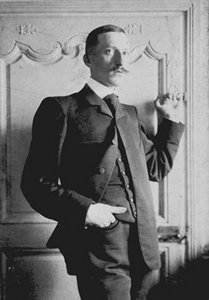
André Derain
1880 - 1954 , França
Informações Rápidas
- Artistic Movement Or Style: Fauvismo, Cubismo
- Artists Or Movements Influenced By This Artist:
- Matisse
- Cubismo
- Artists Who Influenced This Artist:
- Van Gogh
- Cézanne
- Date Of Birth: 10 Jun 1880
- Date Of Death: 8 Sep 1954
- Full Name: André Derain
- Nationality: Francês
- Notable Artworks:
- Montanhas Collioure
- Harlequin Pierrot
- Londres - Porto
- Place Of Birth: Chatou, França