

 Visualizar em escala
 Enviar
 Compartilhar
 Ver detalhes
 Guia de Obras do Aluno

 Baixar imagem
 Semelhantes
 Raio X
 Apresentação de slides
 Estatísticas
Charing Cross Bridge, Londres


 Ver mais
Giclée / Impressão de Arte
Impressão giclée ou em tela de qualidade de museu, com produção rápida e opções flexíveis de acabamento. ( Encomendar reprodução pintada à mão Ver Imagem Digital)




P118B €10

P118H €10

P118W €10

P438Z €10

P508JH €12

P508YH €12

P805H €10

P805Z €10

P919BZ €10

P919G €10

P919XJ €10

P959ZH €10

P968JZ €12

W106C €8

W218G €10

W218JH €8

W218Y €10

W307PJ €10

W316G €10

W316PJ €8

W316Y €10

W398PJ €8

W4111J €10

W500HY €15

W500JH €15

W692G €12

W849H €8

W940BG €15

W953PJ €8




Escolha entre os nossos tamanhos pré-definidos que respeitam as proporções originais da obra de arte.

Digite a largura e a altura de que necessita, para se ajustar à sua moldura ou à sua parede. Uma impressão só pode ser cortada, nunca ampliada além da imagem original, pelo que um tamanho com uma proporção diferente perderá parte da imagem. Enviamos-lhe uma maquete digital para aprovação antes de imprimirmos qualquer coisa. A imagem apresentada nesta página não mostra o corte real — apenas a maquete o faz.
Entrega mundial () em 2 semanas, em vez das 4/5 semanas padrão. (21 Outubro)

Envio expresso gratuito para todo o mundo

Tela de Linho Premium

Seguro de transporte total

Garantia de Reembolso de Impostos Alfandegários

Garantia de Fidelidade de Cor

Política de Devolução em 100 Dias (Apenas para Defeitos)

Garantia de reembolso de 100%

Desconto para múltiplas unidades
 A opção de vidro está disponível apenas para tamanhos inferiores a 110 cm

Charing Cross Bridge, Londres
Giclée / Impressão de Arte
Dimensões da Reprodução
-


Preço Total
€ 70
Uma Obra-Prima Urbana Vibrante
"Charing Cross Bridge, London", de André Derain, é uma representação cativante de um dos marcos mais icônicos de Londres, renderizada no estilo audacioso e expressivo do Fauvismo. Esta obra transforma a paisagem urbana familiar em um espetáculo dinâmico e vibrante, exibindo o domínio de Derain sobre a cor e a forma.Estilo Expressivo e Técnica
A abordagem fauvista distinta de Derain é evidente nesta peça, caracterizada pelo uso não convencional da cor e por pinceladas expressivas. A pintura apresenta uma paleta vívida dominada por tons de púrpura, rosa, amarelo, verde e azul, criando uma sensação de energia e movimento. A textura espessa, semelhante ao impasto, adiciona profundidade e uma qualidade tátil à obra, tornando-a uma adição marcante a qualquer coleção.Contexto Histórico
Pintada durante a estadia de Derain em Londres, em 1906, esta obra faz parte de uma série que revolucionou a representação da cidade. Diferente de artistas anteriores como Whistler ou Monet, Derain apresentou um retrato radicalmente diferente de Londres, utilizando cores intensas e composições audaciosas para capturar a essência da vida urbana. Este período marcou uma mudança significativa na carreira de Derain, enquanto ele transitava de seus primeiros trabalhos fauvistas para tons mais suaves influenciados pelo Cubismo e por Paul Cézanne.Simbolismo e Impacto Emocional
A obra transmite uma sensação de dinamismo e modernidade, capturando a essência da vida urbana com suas cores brilhantes e técnicas expressivas. Os reflexos abstratos na água simbolizam a fluidez e a natureza mutável da vida na cidade, enquanto os contornos marcantes e as formas simplificadas contribuem para o sentimento estilizado e moderno da pintura. Esta peça evoca sentimentos de excitação e energia, sendo a escolha perfeita para aqueles que buscam infundir seus espaços com uma sensação de vivacidade e movimento.Por Que Escolher Esta Reprodução?
Para amantes da arte, colecionadores e designers de interiores, esta reprodução de alta qualidade oferece a oportunidade de possuir um pedaço da história artística. As cores vibrantes e as pincelentes expressivas tornam a obra um ponto focal em qualquer ambiente, adicionando um toque de elegância moderna e significado cultural. Quer você esteja procurando aprimorar sua coleção pessoal ou adicionar uma peça de destaque ao seu projeto de design de interiores, "Charing Cross Bridge, London" é uma escolha atemporal que inspirará e encantará por muitos anos.Perfeita para Interiores Modernos
As cores ousadas e a composição dinâmica desta obra tornam-na uma escolha ideal para interiores contemporâneos. Sua paleta vibrante pode complementar uma variedade de estilos de design, do minimalismo moderno ao boêmio eclético. Seja exibida em uma sala de estar, escritório ou galeria, esta reprodução adicionará um toque de cor e estilo artístico, criando um ambiente visualmente deslumbrante que reflete seu gosto único e apreciação pelas belas artes.Investimento em Excelência Artística
Ao escolher uma reprodução de alta qualidade de "Charing Cross Bridge, London", você está investindo em uma peça de excelência artística que valorizará com o tempo. O trabalho de André Derain é celebrado por sua abordagem inovadora da cor e da forma, tornando esta obra uma adição valiosa a qualquer coleção. Seja você um colecionador experiente ou um comprador de primeira viagem, esta reprodução oferece uma maneira acessível de possuir uma obra-prima do Fauvismo, garantindo que você possa desfrutar da beleza e da inspiração do trabalho de Derain em seu próprio espaço.Traga a Vibração de Londres para Casa
Experimente a energia e a vivacidade de Londres com esta reprodução deslumbrante. "Charing Cross Bridge, London" captura a essência da cidade de uma forma que é visualmente impactante e emocionalmente ressonante. Traga um pedaço da história artística para sua casa ou escritório, e deixe as cores ousadas e as pinceladas expressivas inspirarem você todos os dias. Esta obra é mais do que apenas uma pintura; é um testemunho do poder da arte de transformar espaços e evocar emoções, tornando-a indispensável para qualquer entusiasta da arte ou projeto de design de interiores.Explore Mais de André Derain
Se você ficou cativado por "Charingamente Cross Bridge, London", explore mais obras de André Derain. Suas pinturas icônicas, como "Arlequim e Pierrot" e sua outra série de Londres, exibem seu estilo único e abordagem inovadora da arte. Cada peça oferece um vislumbre do mundo do Fauvismo e dos movimentos artísticos que moldaram o século XX. Descubra o brilho do trabalho de Derain e encontre a adição perfeita para sua coleção ou projeto de design de interiores.Eleve seu Espaço com Arte
A arte tem o poder de transformar qualquer espaço, adicionando profundidade, caráter e uma sensação de sofisticação. Com "Charing Cross Bridge, London", você pode elevar seu ambiente com uma peça que é visualmente deslumbrante e culturalmente significativa. Quer você esteja procurando criar um ponto focal em sua sala de estar, adicionar um toque de elegância ao seu escritório ou inspirar a criatividade em seu estúdio, esta reprodução oferece a mistura perfeita de arte e estilo.Transforme seu Espaço Hoje
Pronto para transformar seu espaço com uma peça de excelência artística? Explore nossas reproduções de alta qualidade de "Charing Cross Bridge, London" e descubra a adição perfeita para sua casa ou escritório. Experimente as cores vibrantes, as pinceladas expressivas e a composição dinâmica que fazem desta obra uma verdadeira obra-prima. Eleve seu ambiente com uma peça que inspira e encanta, e deixe a beleza do trabalho de André Derain trazer alegria e inspiração à sua vida todos os dias.Descubra a Magia do Fauvismo
Mergulhe no mundo do Fauvismo com "Charing Cross Bridge, London". Esta obra captura a essência do movimento, caracterizada por suas cores ousadas, pinceladas expressivas e o afastamento da representação realista. Experimente a magia do Fauvismo e deixe esta obra-prima inspirá-lo a explorar mais trabalhos de André Derain e outros artistas que moldaram o século XX.Arte que Inspira
A arte tem o poder de inspirar, elevar e transformar nossas vidas. Com "Charing Cross Bridge, London", você pode trazer um pedaço de inspiração para seu espaço, criando um ambiente que reflete seu gosto único e apreciação pelas belas artes. Quer você esteja procurando adicionar um toque de cor à sua sala de estar, criar um ponto focal em seu escritório ou inspirar a criatividade em seu estúdio, esta reprodução oferece a mistura perfeita de arte e estilo.Experimente a Beleza de Londres
Capture a beleza e a vivacidade de Londres com "Charing Cross Bridge, London". Esta obra transporta você ao coração da cidade, oferecendo uma perspectiva única de um de seus marcos mais icônicos. Experimente a energia e o dinamismo da vida urbana através das pinceladas expressivas e cores vívidas de Derain, e deixe esta obra-prima trazer um pedaço de Londres para sua casa ou escritório.Adicione um Toque de Elegância
Eleve seu espaço com um toque de elegância e sofisticação. "Charing Cross Bridge, London" é a escolha perfeita para aqueles que buscam adicionar uma peça de destaque ao seu projeto de design de interiores. Suas cores vibrantes e composição dinâmica fazem dela um ponto focal em qualquer ambiente, criando um cenário que é visualmente deslumbrante e culturalmente significativo.Invista em Qualidade
Quando se trata de arte, a qualidade importa. Nossas reproduções de alta qualidade de "Charing Cross Bridge, London" são elaboradas com atenção aos detalhes, garantindo que você receba uma peça que capture a essência do trabalho original de Derain. Invista em qualidade e experimente a beleza e a inspiração que vêm com a posse de uma verdadeira obra-prima.Traga Alegria e Inspiração
A arte tem o poder de trazer alegria e inspiração para nossas vidas. Com "Charing Cross Bridge, London", você pode criar um ambiente que reflita seu gosto único e apreciação pelas belas artes. Quer você esteja procurando adicionar um toque de cor à sua sala de estar, criar um ponto focal em seu escritório ou inspirar a criatividade em seu estúdio, esta reprodução oferece a mistura perfeita de arte e estilo.Descubra a Adição Perfeita
Explore nossa coleção de reproduções de alta qualidade e descubra a adição perfeita para sua casa ou escritório. "Charing Cross Bridge, London" é um testemunho do gênio de André Derain e de suas contribuições ao mundo da arte. Traga um pedaço da história artística para sua vida e experimente a alegria e a inspiração que vêm com a posse de uma verdadeira obra-prima.Transforme seu Ambiente
Pronto para transformar seu ambiente com uma peça de excelência artística? Explore nossas reproduções de alta qualidade de "Charing Cross Bridge, London" e descubra a adição perfeita para sua casa ou escritório. Experimente as cores vibrantes, as pinceladas expressivas e a composição dinâmica que fazem desta obra uma verdadeira obra-prima. Eleve seu espaço com uma peça que inspira e encanta, e deixe a beleza do trabalho de André Derain trazer alegria e inspiração à sua vida todos os dias.Experimente a Magia da Arte
Perguntas e Respostas
Quais temas aparecem em "Charing Cross Bridge, Londres" de André Derain?
"Charing Cross Bridge, Londres" de André Derain retrata: urban landscape, bold colors, impasto texture, london bridge, fauvist style, modern art, city life.
Quais cores predominam em "Charing Cross Bridge, Londres" de André Derain?
"Charing Cross Bridge, Londres" é definido por uma paleta Tons escuros liderada por Violeta de Cobalto (#5c4298).
Em que período da carreira de André Derain se situa "Charing Cross Bridge, Londres"?
Dentro da carreira de André Derain, "Charing Cross Bridge, Londres" pertence ao período Mature Fauvist. Esta fase ajuda a compará-la com outras obras do artista.
Biografia do Artista
Early Life and the Seeds of Fauvism
André Derain, born in 1880 in the charming village of Chatou near Paris, wasn’t initially destined for a life steeped in paint and canvas. Contrary to some narratives suggesting an immediate artistic awakening through encounters with fellow painters like Vlaminck or Matisse, Derain embarked on his artistic journey independently around 1895. These early explorations were often undertaken alongside Father Jacomin and his sons during countryside excursions—a formative experience that instilled a deep appreciation for the natural world. He briefly pursued engineering at the Académie Camillo in 1898, where fatefully, he crossed paths with Henri Matisse, initiating a pivotal artistic partnership. Further studies under Eugène Carrière honed his foundational skills, but it was military service from 1901 to 1904 that temporarily interrupted his burgeoning career. Upon his return, persuaded by the unwavering belief of Matisse, Derain decisively abandoned engineering and fully committed himself to painting, continuing his education at the Académie Julian. This commitment marked a turning point, setting him on a path toward becoming a central figure in one of modern art’s most revolutionary movements.The Explosive Birth of Color: Fauvism
The summer of 1905 proved to be an explosive moment for Derain and Matisse as they collaborated in the sun-drenched coastal village of Collioure. This period birthed works like “Mountains at Collioure,” characterized by a radical departure from representational color. The landscapes weren’t merely depictions of places; they were expressions of feeling, rendered through intensely vibrant, non-naturalistic hues. When their work was exhibited at the Salon d'Automne that same year, it provoked outrage and astonishment. Critic Louis Vauxcelles famously dubbed them “Les Fauves”—the wild beasts—a name initially intended as derisive but ultimately embraced by the artists themselves. Derain’s contribution to this movement wasn’t merely stylistic; he possessed a unique ability to translate emotional intensity into pure color. In 1906, Ambroise Vollard commissioned him to paint London, resulting in a series of striking canvases depicting the Thames and Tower Bridge. These weren't conventional cityscapes; they were bold interpretations, capturing the energy and atmosphere of London through an unconventional lens—a testament to Derain’s innovative vision. Influenced by artists like Van Gogh and Cézanne, he pushed the boundaries of color and form, laying the groundwork for future generations of expressionist painters.Beyond Fauvism: A Shifting Aesthetic
The initial fervor of Fauvism didn't define Derain’s entire artistic trajectory. Around 1907, his style began a significant evolution, moving away from the unrestrained chromatic exuberance toward more subdued tones and an increased emphasis on form. This period, often referred to as his “gothic” phase (1911-1914), reflected a growing interest in structure and composition. He immersed himself in the study of Old Masters, incorporating elements of Cubism while simultaneously seeking inspiration from classical forms. This wasn’t a rejection of his earlier work but rather an expansion of his artistic vocabulary. Derain's versatility extended beyond painting; in 1919, he designed the ballet “La Boutique Fantasque” for Sergei Diaghilev’s Ballets Russes, demonstrating his aptitude for theatrical design and further showcasing his diverse talents. Key works from this era, such as "Harlequin and Pierrot" and the monumental mural "Return of Ulysses," exemplify this stylistic shift—a move toward a more controlled and intellectually rigorous approach to artmaking.Major Achievements and Legacy
André Derain’s legacy is firmly rooted in his pivotal role in establishing Fauvism, a movement that irrevocably altered the course of modern painting. His bold use of color, coupled with an expressive brushstroke, created works that were both emotionally charged and visually arresting. Beyond this foundational contribution, he demonstrated remarkable adaptability throughout his career. His London paintings stand as particularly significant examples of his ability to capture atmosphere and emotion through unconventional means. Later in life, he returned to a more classical style, producing portraits, landscapes, and still lifes characterized by a refined elegance. His work was exhibited widely across Europe and America, solidifying his reputation as one of the most important artists of the early 20th century. His influence can be seen in the works of numerous subsequent painters who followed in his footsteps, embracing color and experimentation.A Complex Figure
André Derain’s life was not without its complexities. During World War II, his presence in Germany drew criticism, leading to a period of estrangement from some former supporters after the war. Despite this controversy, his artistic contributions remain undeniable. He died in 1954, leaving behind a rich and diverse body of work that continues to be studied and admired for its innovation, emotional intensity, and enduring appeal. His journey represents not only an artistic evolution but also a reflection of the turbulent times through which he lived—a testament to the power of art to both reflect and shape our understanding of the world.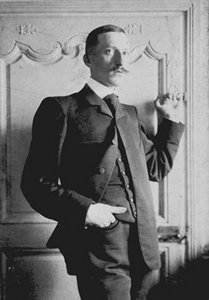
André Derain
1880 - 1954 , França
Informações Rápidas
- Artistic Movement Or Style: Fauvismo, Cubismo
- Artists Or Movements Influenced By This Artist:
- Matisse
- Cubismo
- Artists Who Influenced This Artist:
- Van Gogh
- Cézanne
- Date Of Birth: 10 Jun 1880
- Date Of Death: 8 Sep 1954
- Full Name: André Derain
- Nationality: Francês
- Notable Artworks:
- Montanhas Collioure
- Harlequin Pierrot
- Londres - Porto
- Place Of Birth: Chatou, França
Artigos Relacionados

Top 10 Obras de Arte Audazes para Decorar com Impacto | OriginalUniqueArt.com
Descubra 10 obras de arte audazes que inspiram e transformam! Explore a história por trás de Van Gogh, Picasso, Monet e outros mestres. Encontre reproduções de alta qualidade para decorar sua casa com impacto. OriginalUniqueArt.com: Arte para todos os estilos.
Fauvismo: 10 Obras-Primas que Definiram a Expressão Artística | OriginalUniqueArt
Descubra as 10 obras-primas do Fauvismo com Matisse, Derain e Vlaminck. Explore a história, cores vibrantes e emoção por trás deste movimento artístico revolucionário. Reproduções de arte exclusivas em OriginalUniqueArt.com!
André Derain: Fauvism's Bold Visionary & the Evolution of Modern Color
Explore the revolutionary art of André Derain, co-founder of Fauvism. Discover his bold use of color, evolution from radical expressionism to classicism, and lasting influence on modern art history. Learn more at OriginalUniqueArt.
Wild Colors & Bold Strokes: A Definitive Guide to the Primal Magic of Fauvism
Explore the vibrant world of Fauvism with our expert guide. Discover how Matisse and Derain revolutionized art through bold colors and expressive strokes. Perfect for classic art enthusiasts seeking to deepen their passion for modern masterpieces.
Fauvismo: 10 Obras-Primas que Revolucionaram a Arte Moderna | OriginalUniqueArt
Descubra as 10 obras-primas do Fauvismo, com Matisse e Derain! Explore a história, cores vibrantes e técnicas revolucionárias deste movimento artístico. Encontre reproduções de arte exclusivas para decorar sua casa em OriginalUniqueArt.com.


