Fauvism
Cassis (André Derain)
André Derain (1880–1954) criou Cassis. Pertence ao movimento Fauvism. É feito em Oil On Canvas.
- Oil On Canvas

 Visualizar na parede

 Pintura a Óleo Feita à Mão
 Compartilhar
 Compartilhar
 Guia


 Baixar imagem
 Semelhantes
 Raio X
 Ver diaporama
 Perguntas e Respostas

 Estatísticas
Cassis: o essencial
- Título
- Cassis
- Artista
- André Derain (1880–1954)
- Artista nascido em
- Chatou, França
- Técnica
- Oil On Canvas
- Movimento
- Fauvism
- Período
- Modern
- Tema
- village, trees, church, house, people, buildings
O que Cassis retrata?
Identification of the Landscape at Cassis
The artwork titled Cassis, also known as Landscape at Cassis, is an oil on canvas painting. This work was executed by the French artist André Derain in 1907. The subject matter focuses on a landscape setting located in Cassis, France.
The painting depicts a village scene characterized by various structures and natural elements. A church occupies a central position within the town. Surrounding this central building are numerous trees. The composition includes a house with a red roof and a building resembling a barn. Several people are positioned throughout the scene, appearing to move through or observe the village environment.
Visual Composition and Subject Matter
The composition centers on a hillside landscape where a house with a red roof sits among various trees. This structure is positioned on an incline, surrounded by dense vegetation. Several people are scattered throughout the scene, appearing as small figures engaged in activities or observing the view. The arrangement of the terrain and the placement of the buildings create a sense of a settled village environment.
The natural elements are rendered as a dense web of stylized forms. These shapes are distributed across a smooth surface, creating a patterned effect within the landscape. The trees and the surrounding greenery form a complex network of lines and colors that define the topography of the hillside. The presence of the church and the barn adds structural variety to the village setting, contrasting with the organic shapes of the foliage.
Artistic Style and Technique
The work exemplifies the essence of Fauvism through its use of vivid colors and energetic brushstrokes. The application of paint involves thick black outlines that define the various structures and natural elements within the scene. These heavy contours create a sharp separation between the buildings, the trees, and the sky. The color palette relies on stark contrasts to establish form and depth. This approach moves away from naturalistic shading in favor of direct, unmixed hues.
The composition occupies a position halfway between Fauvism and Cubism. While the color application remains bold and non-representational, there is an emerging interest in structure and form. The artist uses a dense web of stylized natural elements across the surface. These elements are rendered with a controlled, almost geometric quality that suggests a transition toward more structured compositions. The brushwork remains visible and rhythmic, contributing to the overall sense of movement within the landscape.
Related Works by André Derain
The artist's exploration of the French coastline includes The Cypresses at Cassis and Landscape near Cassis (Paysage aux environs de Cassis). These works focus on the specific light and topography of the region. In the latter, the composition features a house with a red roof situated on a hillside, surrounded by trees and figures. The palette in these studies often utilizes the intense colors associated with the Fauvist movement, employing bold and non-naturalistic hues to define the landscape.
During a period of travel to the United Kingdom, Derain produced a series of thirty paintings focused on the urban environment of London. These works move away from the quietude of the French countryside to capture the structural weight of the city and the movement of the Thames. His later output also includes Harlequin and Pierrot, a work from 1924 that reflects a shift in his stylistic direction following his earlier experimental years.
- The Cypresses at Cassis
- Landscape near Cassis (Paysage aux environs de Cassis)
- Harlequin and Pierrot
Where to See This Artwork Today
The oil on canvas painting is currently held within the collection of the New Orleans Museum of Art. This institution maintains the work as part of its permanent holdings. Visitors seeking to observe the piece in person can find it within this specific museum setting.
The provenance and ownership of the work involve the Hermann und Margrit Rupf-Stiftung, Kunstmuseum Bern. This association links the painting to the collection at the Kunstmuseum Bern. Additionally, the artist's broader body of work is represented in the Musee d'art moderne Andre Malraux, which houses other pieces by the same hand.
Cassis em alta resolução

André Derain, Cassis. Domínio público.
Um especialista digital verifica as cores em relação à pintura original e retoca o ficheiro, respeitando fielmente a pincelada do artista.
Comprar a imagem em alta resoluçãoPerguntas sobre Cassis
Quão clara é a obra "Cassis" no geral?
No geral, "Cassis" é registrado como shadow. A luminosidade percebida descreve o quão clara ou escura a obra parece ser.
"Cassis", de André Derain é uma obra de tons claros ou escuros?
"Cassis", de André Derain apresenta um brilho de shadow, com uma luminância de Soft Shadow.
A que época pertence "Cassis"?
"Cassis", de André Derain data do período Modern. Este período fornece o contexto histórico da obra.
Qual uso e espaço são recomendados para "Cassis", de André Derain?
"Cassis" é sugerida para Focal, e o espaço recomendado é um(a) Living Room.
Posso visualizar "Cassis", de André Derain antes de fazer o pedido?
Uma prévia de "Cassis", de André Derain está disponível na página de Pré-visualização da obra.
Como "Cassis" se posiciona entre os temas recorrentes de André Derain?
"Cassis" retrata village, trees, church, house, people, buildings, red roof, enquanto os temas recorrentes de André Derain são influenced by matisse, influenced by cézanne, fauvist movement essence, key fauvist work. A comparação entre ambos revela como a obra se relaciona com os temas habituais do artista.
Qual é a cor predominante de "Cassis", de André Derain?
Aquamarine (#96e1e8) é a cor predominante de "Cassis", de André Derain.
Que atmosfera "Cassis", de André Derain traz a um ambiente?
"Cassis", de André Derain possui uma atmosfera Bold e é recomendado para um(a) Living Room. O clima é o que a obra traz para o espaço ao seu redor.
Como o contraste e a harmonia se combinam em "Cassis"?
A composição cromática de "Cassis", de André Derain combina um contraste Statement com uma harmonia Discordant Palette.
Sobre o artista, André Derain
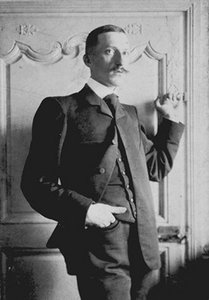
1880–1954, França
André Derain
Juventude, Família e Formação No ano de 1880, André Derain chegou ao mundo em Chatou, uma vila aninhada na região de Yvelines, na França. Seus primeiros anos foram moldados pelas paisagens serenas da Île-de-France, onde uma curiosidade natural pelo que o rodeava começou a criar raízes. Já em 1895, ele havia iniciado seus estudos de forma autodidata, buscando compreender o mundo visual através de seus próprios olhos, em vez de seguir uma instrução formal. Este período de exploração autônoma permitiu que ele desenvolvesse uma forma pessoal de enxergar, antes que o rigor de uma academia pudesse impor sua vontade sobre sua visão artística.
Também de André Derain
 bathers1907
 London Bridge1906
 Charing Cross from sw1906
 Landscape at L'Estaque1906
Ensaios sobre Cassis
 French artworks of the 1870sFrench Impressionist masterpieces by Claude Monet, Pierre-Auguste Renoir, and Édouard Manet define the 1870s. View the full collection on O…
 Early Netherlandish Painting vs. Italian Renaissance: A Comparative StudyMaster the differences between Netherlandish detail and Renaissance perspective. Explore this expert comparative study now.
 Fauvism and Cubism: Distinguishing Color Revolution from Spatial AnalysisMaster the core differences between Fauvism and Cubism through expert analysis. Discover how color and space redefined modern art today.