

 Visualizar em escala
 Enviar
 Compartilhar
 Ver detalhes
 Guia de Obras do Aluno

 Baixar imagem
 Semelhantes
 Raio X
 Apresentação de slides
 Estatísticas
Isabella Stewart Gardner in Venice
 Oil On Canvas
- WallArt
- Impressionism
 1894
1894- 19th Century
 91.0 x 66.0 cm
 Museu Isabella Stewart Gardner
 Ver mais
Giclée / Impressão de Arte
Impressão giclée ou em tela de qualidade de museu, com produção rápida e opções flexíveis de acabamento. ( Encomendar reprodução pintada à mão Ver Imagem Digital)




P118B $10

P118H $10

P118W $10

P438Z $10

P508JH $12

P508YH $12

P805H $10

P805Z $10

P919BZ $10

P919G $10

P919XJ $10

P959ZH $10

P968JZ $12

W106C $8

W218G $10

W218JH $8

W218Y $10

W307PJ $10

W316G $10

W316PJ $8

W316Y $10

W398PJ $8

W4111J $10

W500HY $15

W500JH $15

W692G $12

W849H $8

W940BG $15

W953PJ $8




Escolha entre os nossos tamanhos pré-definidos que respeitam as proporções originais da obra de arte.

Você pode inserir suas próprias dimensões para se ajustar a uma moldura ou espaço específico. Se o tamanho selecionado não corresponder às proporções da imagem original, iremos recortar a obra de arte ou estender a imagem com uma borda espelhada ou preenchimento sólido. Um mockup digital será enviado para sua aprovação antes do início da produção.
Por favor, observe que a visualização na tela não reflete o recorte ou a extensão real. Apenas o mockup mostrará com precisão a composição final.
Embora tamanhos personalizados estejam disponíveis, recomendamos selecionar uma dimensão da lista predefinida para preservar as proporções originais.
Entrega mundial () em 2 semanas, em vez das 4/5 semanas padrão. (25 Setembro)

Envio expresso gratuito para todo o mundo

Tela de Linho Premium

Seguro de transporte total

Garantia de Reembolso de Impostos Alfandegários

Garantia de Fidelidade de Cor

Política de Devolução em 100 Dias (Apenas para Defeitos)

Garantia de reembolso de 100%

Desconto para múltiplas unidades
 A opção de vidro está disponível apenas para tamanhos inferiores a 110 cm

Isabella Stewart Gardner in Venice
Giclée / Impressão de Arte
Dimensões da Reprodução
-


Preço Total
$ 80
A Vision of Grace: The Luminous World of Zorn’s Venice
In the quiet, amber-hued corridors of art history, few portraits capture the ephemeral magic of a single moment as poignantly as Anders Leonard Zorn’s 1894 masterpiece, Isabella Stewart Gardner in Venice. This is not merely a likeness of one of America’s most formidable art patrons; it is an evocative exploration of light, shadow, and the profound connection between a soul and her surroundings. As the viewer gazes upon Isabella, seated within the dim, dignified embrace of a Venetian room, they are invited into a private reverie. The painting transcends the boundaries of traditional portraiture, functioning instead as a window into the very spirit of Impressionism, where the atmosphere is just as much a subject as the woman herself.
Zorn, a Swedish master renowned for his ability to manipulate light, employs a technique that feels both spontaneous and deeply controlled. The composition centers on Isabella, whose figure is bathed in a palette of whites, creams, and pale yellows—hues that suggest an ethereal elegance amidst the darker, more grounded tones of the background. Through the use of broken color and loose, expressive brushstrokes, Zorn creates a sense of movement that breathes life into the heavy fabrics of her gown and the architectural textures of the palazzo. The interplay between the bright, luminous highlights on her form and the deep, moody browns and greens of the paneled room creates a dramatic chiaroscuro effect, pulling the eye toward the subject while maintaining an air of mysterious depth.
Symbolism and the Impressionistic Soul
Beyond the technical brilliance lies a profound layer of symbolism that resonates with collectors and lovers of fine art alike. Isabella’s posture—arms outstretched as if to embrace the very air of Venice—serves as a powerful metaphor for openness, intellectual curiosity, and her legendary connection to the beauty she sought to preserve. There is a palpable sense of tableau vivant here, a living picture that captures the tension between the permanence of the Venetian architecture and the fleeting nature of a single breath. The window in the background, offering glimpses of soft light, acts as a bridge between the intimate interior world of the collector and the vast, vibrant world of art and history that she so passionately curated.
For the discerning interior designer or art enthusiast, this piece offers more than just aesthetic beauty; it provides an emotional anchor. The painting’s ability to balance light and shadow makes it a versatile inspiration for sophisticated spaces, particularly those seeking to evoke a sense of timelessness and quiet luxury. Whether placed in a sun-drenched gallery or a moody, library-style study, the artwork brings with it the prestige of the late 19th-century American Impressionist movement. It stands as a testament to a period when artists like Zorn, Sargent, and Bellows sought to capture not just what the eye sees, but what the heart feels—making this reproduction an exquisite acquisition for any collection dedicated to the enduring power of grace and light.
Biografia do Artista
A Swedish Master of Light and Life: The World of Anders Zorn
Anders Leonard Zorn, a name synonymous with vibrant Impressionism and masterful portraiture, stands as Sweden’s most celebrated artist. Born in 1860 amidst the rustic beauty of Dalarna, his journey from humble beginnings to international acclaim is a testament to raw talent nurtured by relentless dedication. Unlike many artists who sought formal training within established circles, Zorn's early education was rooted in the practicalities of rural life and an innate artistic sensibility that blossomed even before entering the Royal Swedish Academy of Arts at the remarkably young age of twelve. His childhood on his grandparents’ farm instilled a deep connection to the land and its people—a theme that would resonate throughout his oeuvre, particularly in his evocative depictions of Swedish peasant life. This early exposure wasn't merely about subject matter; it was about capturing a way of being, an authenticity that infused his work with a unique emotional depth.From Watercolors to International Recognition
Zorn’s initial artistic explorations centered on watercolors, a medium he mastered with astonishing speed and skill. He quickly gained recognition for his ability to capture fleeting moments of light and atmosphere, particularly in scenes depicting everyday life. A pivotal moment arrived with “In Mourning” (1880), a watercolor portrait that showcased his remarkable sensitivity and technical prowess. This work propelled him onto the art scene, attracting commissions from Stockholm’s elite and setting the stage for an international career. He embarked on extensive travels throughout Europe—London, Paris, Spain—and eventually to the United States, where he found immense success as a portraitist. His ability to distill the essence of his sitters, whether royalty like King Oscar II or American presidents Grover Cleveland, William H. Taft, and Theodore Roosevelt, earned him widespread admiration. Zorn didn’t simply paint likenesses; he captured character, intellect, and even a hint of the soul. This talent wasn't accidental—it stemmed from an acute observational skill honed through years of studying human form and expression.A Synthesis of Influences and Artistic Development
While Zorn’s style is often categorized as Impressionistic, it was far from a simple imitation of French trends. He absorbed influences from various sources, blending them into a uniquely personal vision. The luminosity of Spanish masters like Velázquez resonated in his handling of light and shadow, while the directness and realism of Scandinavian naturalism informed his approach to subject matter. His time spent with artists like Albert Edelfelt in Paris exposed him to new ideas and techniques, but he always remained true to his own artistic instincts. A crucial turning point came when Zorn began experimenting with oil painting in the late 1880s. This allowed him to achieve a greater richness of color and texture, further enhancing the vibrancy and immediacy of his work. He embraced a limited palette, focusing on achieving maximum impact through subtle variations in tone and hue—a technique that became a hallmark of his style. His paintings from this period, such as “A Fisherman in St Ives,” demonstrate a newfound confidence and mastery of the medium.The Palette and Technique: A Master’s Touch
Zorn's artistic approach was characterized by a remarkable control over color and light. He developed a distinctive palette consisting primarily of white lead (alabaster), yellow ochre, vermilion, and black ivory. This restricted range, surprisingly, allowed him to create an astonishing variety of tones and effects through careful mixing. His use of tonal gradations—the subtle shifts in value that define form and depth—was particularly masterful. He meticulously observed the way light interacted with surfaces, capturing the shimmering reflections on water or the play of shadows on skin. This dedication to realism was balanced by a sensitivity to atmosphere and emotion, creating paintings that were both visually stunning and deeply moving. The artist's meticulous attention to detail, combined with his intuitive understanding of color and composition, resulted in works of enduring beauty and emotional resonance.Legacy and Enduring Impact
Anders Zorn’s influence extends far beyond his stunning body of work. He was not only a gifted artist but also a dedicated patron of the arts, establishing the Bellman Prize in 1920—a prestigious literary award for Swedish poets that continues to be awarded today. This act underscores his commitment to fostering creativity and supporting cultural expression within his homeland. His paintings are now held in prominent museums worldwide, including the Nationalmuseum in Stockholm, the Musée d'Orsay in Paris, and the Metropolitan Museum of Art in New York. The Zorn Collections in Mora, Sweden—comprising Zorngården, Zorn Museum, Gammelgård, and Gopsmor—serve as a lasting tribute to his life and legacy, offering visitors an intimate glimpse into his world. Zorn’s ability to capture the beauty of everyday life, combined with his technical brilliance and unwavering artistic vision, cemented his place as one of the most important artists of his generation. He remains a source of inspiration for artists today, a testament to the enduring power of light, color, and human connection in art. His work continues to resonate with audiences worldwide, reminding us of the beauty that can be found in both the grand and the mundane.
Anders Zorn
1860 - 1920 , Suécia
Informações Rápidas
- Artistic Movement Or Style: Impressionismo
- Artists Or Movements Influenced By This Artist: ['Naturalismo escandinavo']
- Artists Who Influenced This Artist:
- Egron Lundgren
- Albert Edelfelt
- Date Of Birth: 18 de fevereiro de 1860
- Date Of Death: 22 de agosto de 1920
- Full Name: Anders Leonard Zorn
- Nationality: Sueco
- Notable Artworks:
- Midsummer Dance
- Model Study
- Karleksnymf
- Place Of Birth: Mora, Suécia
Artigos Relacionados

Os 10 Mestres do Impressionismo e a Paisagem que Mudou a Arte | OriginalUniqueArt
Descubra os 10 quadros impressionistas que revolucionaram a arte! Explore Monet, Renoir e outros mestres da paisagem francesa. Encontre reproduções de alta qualidade para decorar sua casa com beleza e história em OriginalUniqueArt.com.
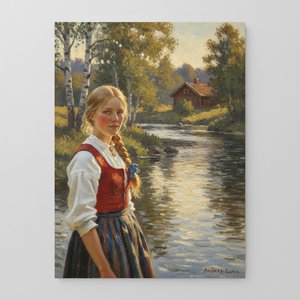
Anders Zorn: A Master of Swedish Impressionism & Ephemeral Light
Explore the life & art of Anders Zorn, a celebrated Swedish Impressionist painter renowned for his masterful portraits, vibrant watercolors, and captivating etchings. Discover his legacy at OriginalUniqueArt.

Paisagens Impressionistas Icônicas: 10 Obras que Mudaram a Arte | OriginalUniqueArt
Descubra as 10 obras impressionistas que revolucionaram a arte! Explore Monet, Renoir e outros mestres da paisagem. Encontre reproduções de alta qualidade para decorar sua casa com a beleza do Impressionismo em OriginalUniqueArt.com.
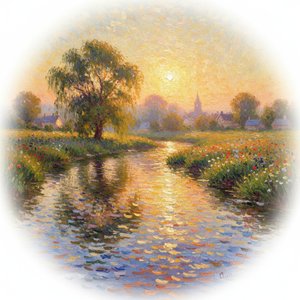
Capturing Light: A Masterclass in the Ethereal Beauty of Impressionistic Landscapes
Explore the ethereal beauty of Impressionist landscapes. Discover how masters like Monet captured fleeting light through color and texture, and learn to curate these timeless, luminous masterpieces for your home collection.

Impressionistic Realism's Finest: 10 Masterpieces for Your Home | OriginalUniqueArt
Journey through Impressionistic Realism with 10 iconic masterpieces by Monet, Renoir & Van Gogh. Explore art history, techniques & find museum-quality reproductions for your home at OriginalUniqueArt.com. Discover all masterpieces online!
