Tamanho do texto

() ·

Uma pintura feita para você, à mão

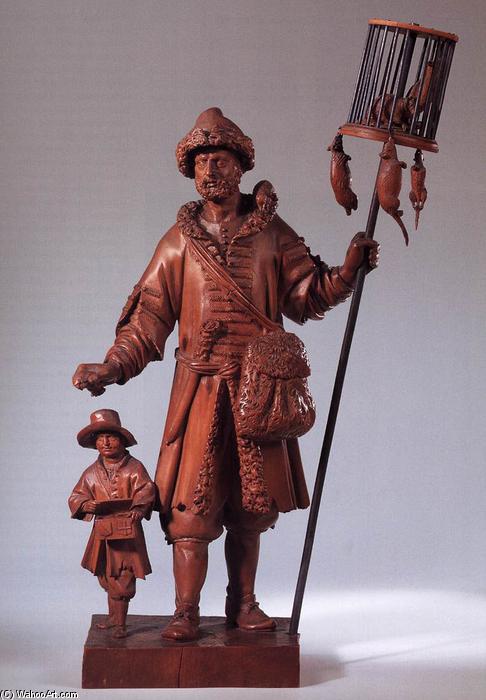
O Ratcatcher

Reprodução em Óleo Feita à Mão

Óleo sobre tela pintado à mão no tamanho e moldura de sua escolha, feito sob encomenda pelos nossos artistas. ( Alternar para Impressão Alternar para Imagem Digital)

Descrição do Item

Admire 'O Ratcatcher,' uma escultura barroca impressionante de Ambrosius van Swol em 1660. Explore esta obra-prima holandesa – um olhar fascinador para a arte do século XVII.

Biografia do Artista

Discover Ambrosius van Swol, a Dutch master of the 17th century! Explore his captivating rat-catcher scenes & historical art at Museum Van Loon & beyond.

de ·

Capítulo 1

Qual deve ser o tamanho?

Deslize para alterar o tamanho; a imagem à esquerda mostra a moldura em sua largura real. As proporções originais são mantidas.

Tamanho padrão
personalizado
CM
INCH

Escolha entre os nossos tamanhos pré-definidos que respeitam as proporções originais da obra de arte.

largura
altura

Insira a largura e a altura desejadas para se ajustarem à sua moldura ou parede. Como esta obra é pintada à mão, para um tamanho com proporções diferentes, o artista poderá pintar um pouco mais ao redor da imagem ou reduzir ligeiramente a composição — você escolhe. Enviamos uma maquete digital para sua aprovação antes de iniciar a pintura. A imagem exibida nesta página não representa o resultado real — apenas a maquete mostra o resultado final.

Capítulo 2

Como deve chegar?

Escolha as bordas da tela esticada

Escolha sua moldura

Corner sample of the WhiteWrap canvas edge finish, stretched on madeira maciça bars
Branco €1
Corner sample of the BlurSideWrap canvas edge finish, stretched on madeira maciça bars
Bordas esfumaçadas €1
Corner sample of the ExtendedWrap canvas edge finish, stretched on madeira maciça bars
Bordas estendidas €1
Corner sample of the P118B picture frame: poliestireno moldado, 5 cm wide and 3 cm thick
P118B €10
Corner sample of the P118H picture frame: poliestireno moldado, 5 cm wide and 3 cm thick
P118H €10
Corner sample of the P118W picture frame: poliestireno moldado, 5 cm wide and 3 cm thick
P118W €10
Corner sample of the P438Z picture frame: poliestireno moldado, 5.5 cm wide and 3.5 cm thick
P438Z €10
Corner sample of the P508JH picture frame: poliestireno moldado, 7 cm wide and 3.5 cm thick
P508JH €12
Corner sample of the P508YH picture frame: poliestireno moldado, 7 cm wide and 3.5 cm thick
P508YH €12
Corner sample of the P805H picture frame: poliestireno moldado, 5 cm wide and 3.5 cm thick
P805H €10
Corner sample of the P805Z picture frame: poliestireno moldado, 5 cm wide and 3.5 cm thick
P805Z €10
Corner sample of the P919BZ picture frame: poliestireno moldado, 7 cm wide and 3.5 cm thick
P919BZ €10
Corner sample of the P919G picture frame: poliestireno moldado, 7 cm wide and 3.5 cm thick
P919G €10
Corner sample of the P919XJ picture frame: poliestireno moldado, 7 cm wide and 3.5 cm thick
P919XJ €10
Corner sample of the P959ZH picture frame: poliestireno moldado, 5 cm wide and 3 cm thick
P959ZH €10
Corner sample of the P968JZ picture frame: poliestireno moldado, 6 cm wide and 4 cm thick
P968JZ €12
Corner sample of the W106C picture frame: madeira maciça, 5 cm wide and 3 cm thick
W106C €8
Corner sample of the W218G picture frame: madeira maciça, 5 cm wide and 3 cm thick
W218G €10
Corner sample of the W218JH picture frame: madeira maciça, 5 cm wide and 3 cm thick
W218JH €8
Corner sample of the W218Y picture frame: madeira maciça, 5 cm wide and 3 cm thick
W218Y €10
Corner sample of the W307PJ picture frame: madeira maciça, 6 cm wide and 3 cm thick
W307PJ €10
Corner sample of the W316G picture frame: madeira maciça, 6 cm wide and 3 cm thick
W316G €10
Corner sample of the W316PJ picture frame: madeira maciça, 6 cm wide and 3 cm thick
W316PJ €8
Corner sample of the W316Y picture frame: madeira maciça, 6 cm wide and 3 cm thick
W316Y €10
Corner sample of the W398PJ picture frame: madeira maciça, 5 cm wide and 3 cm thick
W398PJ €8
Corner sample of the W4111J picture frame: madeira maciça, 6.5 cm wide and 3.5 cm thick
W4111J €10
Corner sample of the W500HY picture frame: madeira maciça, 7 cm wide and 5 cm thick
W500HY €15
Corner sample of the W500JH picture frame: madeira maciça, 7 cm wide and 5 cm thick
W500JH €15
Corner sample of the W692G picture frame: madeira maciça, 8 cm wide and 4 cm thick
W692G €12
Corner sample of the W849H picture frame: madeira maciça, 5 cm wide and 3 cm thick
W849H €8
Corner sample of the W940BG picture frame: madeira maciça, 7.5 cm wide and 4.5 cm thick
W940BG €15
Corner sample of the W953PJ picture frame: madeira maciça, 6 cm wide and 3.5 cm thick
W953PJ €8
Corner sample of the H24-GOLD picture frame: madeira entalhada com gesso, 10 cm wide and 6 cm thick
H24-GOLD €30
Corner sample of the H24-SILVER picture frame: madeira entalhada com gesso, 10 cm wide and 6 cm thick
H24-SILVER €30
Corner sample of the H36-GOLD picture frame: madeira entalhada com gesso, 15 cm wide and 6.5 cm thick
H36-GOLD €45
Corner sample of the H36-SILVER picture frame: madeira entalhada com gesso, 15 cm wide and 6.5 cm thick
H36-SILVER €45
Prévia da moldura
Com moldura

Moldura: . Dimensões totais com a moldura: .

Capítulo 3

Quem o pinta, e deveria algo mudar?

Exemplos do que pode ser alterado: Substituir o rosto pela foto do cliente; Adicionar um animal de estimação (ex: substituir gato por cachorro); Incluir uma mensagem oculta no fundo; Alterar a paisagem ou elementos do fundo.
Após o pedido, a equipe da OriginalUniqueArt.com enviará um e-mail ao cliente para instruções e fornecerá uma prévia da montagem

Entrega mundial () em 3 a 4 semanas, em vez das 5 semanas padrão. (4 Novembro). Sem comprometer a qualidade.

Capítulo 4

Os retoques finais

Uma placa de identificação, como em um museu?

Detalhes da Placa de Bronze Gravada

This elegant plaque features the artist's name and the title of the artwork, finely engraved for a timeless presentation.

It is made from bronze with a refined, elegant finish. The text is precisely laser-engraved for a sharp and permanent result. Measuring 9x2 cm, the plaque is compact yet easy to read. It's built to be durable and scratch-resistant, offering a professional, museum-quality look. Mounting is simple thanks to the included adhesive backing.

Detalhes da Placa de Acrílico Transparente

The plaque includes essential engraved details such as the artist's name, the title of the artwork, the date it was created, the type of media used-like oil on canvas or watercolor-a brief description of the piece, and a QR code that links to the complete artwork information.

It is crafted from clear acrylic, offering a sleek, modern appearance. The text is UV-engraved in black to ensure strong visual contrast. With a size of 10x15 cm, it ensures optimal readability. It comes equipped with two metal hooks for secure wall mounting. The plaque is designed to be weather-resistant, making it suitable for various environments, and it includes interactive features that work seamlessly with smartphone scanning.

Detalhes da Placa de Acrílico Preto

This elegant plaque includes engraved information such as the artist's name, the title of the artwork, the date it was created, the type of media used (like oil on canvas or watercolor), a short description of the artwork, and a QR code for quick access to more information.

The plaque itself is made from refined black acrylic with a premium finish. The text is laser-engraved in white for high contrast and readability. Its size is 10x15 cm, designed to be easy to read. It comes with two metal hooks for professional mounting. The design is sleek and fits any interior style. It is also weather-resistant and durable, with built-in digital integration for mobile compatibility.

Um verniz protetor?

Para quando você precisa?

Capítulo 5

A sua pintura, conforme encomendada

O Ratcatcher

Técnica de Reprodução

Tamanho da Reprodução

-

Artista Sênior de Elite

Mais detalhes, refinamento e tempo de produção adicional

-

Moldura para Reprodução

-

-

Para obras de arte ou reproduções com mais de 105 cm (aproximadamente 41 polegadas) em qualquer um dos lados, a moldura será enviada como um kit desmontado. Este método garante uma entrega segura e evita danos durante o transporte.

Montagem profissional necessária — este não é um produto DIY (faça você mesmo).
O kit deve ser montado e a tela esticada por um profissional de molduraria experiente, utilizando cola de madeira (não inclusa), um alicate de esticar tela e grampos para manter as travessas alinhadas enquanto a cola seca. A montagem incorreta ou a tensão desigual da tela podem danificar permanentemente a obra de arte e não estão cobertas pela nossa garantia.

  • Todas as barras de madeira maciça estão incluídas, precisamente cortadas ao tamanho certo.

  • Montado com os parafusos fornecidos, além de cola para madeira para as junções dos cantos, que não está inclusa e deve ser providenciada pelo seu moldurista.

  • São necessárias ferramentas profissionais não incluídas: um alicate de estiramento de tela (esticador) e grampos para manter as ripas alinhadas enquanto a cola seca.

Importante:
As junções dos cantos requerem cola para madeira, as ripas devem ser mantidas com grampos até que a cola esteja completamente seca, e o estiramento da tela na moldura montada requer um alicate de esticar tela. Nenhum destes itens está incluído no kit. Por favor, certifique-se de contar com um profissional de molduraria experiente antes de encomendar este tamanho.

Etiqueta de identificação

-

-

Verniz de Proteção

Verniz brilhante (realça as cores e protege contra a luz e a umidade)

-

Personalizar minha obra

Exemplos de alterações possíveis: Substituir o rosto por uma foto do cliente; Adicionar um animal de estimação (ex.: substituir gato por cachorro); Incluir uma mensagem oculta no fundo; Alterar a paisagem ou os elementos do fundo.

-

Urgente

Entrega mundial () em 3 a 4 semanas, em vez das 5 semanas padrão. (4 Novembro). Sem comprometer a qualidade.

-

Envio Expresso

Entrega mundial para em 5 semanas. (11 Novembro).

Com envio incluído

Preço Total

€ 267

Preço Total € 267

A opção de vidro está disponível apenas para tamanhos inferiores a 110 cm

Incluído em todos os pedidos

  • Envio expresso gratuito para todo o mundo
  • Tela de Linho de Alta Qualidade
  • Seguro de transporte completo
  • Garantia de Reembolso de Impostos Alfandegários
  • Garantia de Fidelidade Cromática
  • Política de Devolução em 100 Dias (Apenas para Defeitos)
  • Garantia de reembolso de 100%
  • Oferta de desconto por quantidade

Ambrosius van Swol: Um escultor Silencioso de Utrecht

Ambrosius van Swol (c. 1640 – 1680) permanece uma figura envolta em relativa obscuridade comparada aos seus contemporâneos—artistas que adornaram as telas de Rembrandt e Vermeer—ainda que sua contribuição à escultura barroca holandesa mereça reconhecimento como um testemunho da inovação artística dentro de um período definido por grandeza e expressão dramática. Nasceu em Utrecht, Países Baixos, os detalhes da vida de Van Swol são escassos, deixando muito para especulação sobre seus anos formativos e suas primeiras inclinações artísticas. No entanto, documentos sobreviventes confirmam que ele estabeleceu-se como escultor e fabricante de molduras por volta de 1643, marcando o início de uma carreira prolífica que se estendeu por quase quatro décadas. Sua obra é considerada um exemplo da maestria técnica combinada com ideais humanistas, refletindo uma compreensão sofisticada da óptica e da estética artística.
  • Early Career & Patronage: Van Swol’s initial commissions primarily focused on crafting ornate frames for paintings—a crucial element in the visual culture of Utrecht during his time. These frames weren't merely decorative; they were meticulously designed to enhance the luminosity and color palette of artworks, reflecting a sophisticated understanding of optics and artistic aesthetics. Evidence suggests he worked under the patronage of influential families like the Van Loon clan, whose opulent estates served as hubs for artistic activity. Notable Sculptures: While his frame work undoubtedly provided a steady income, Van Swol’s true artistry shone through in his sculptures—particularly “The Rat-Catcher,” currently housed at Museum Van Loon. This remarkable piece exemplifies the Baroque style's penchant for dramatic realism and emotional intensity. Executed around 1660, it depicts a rat catcher engaged in capturing a rodent with considerable skill and determination. The sculpture’s meticulous anatomical detail—particularly the musculature of the rat catcher’s arms—demonstrates Van Swol’s mastery of sculptural technique and his commitment to portraying human figures with unparalleled accuracy.

O Rat-Catcher: Uma Cena Barroca Fascinante

A imagem apresenta uma escultura tridimensional de uma figura que parece ser da época barroca, julgando pela estética das roupas e pelo estilo geral. A figura está em pé sobre uma base, o que sugere que pode ser uma peça decorativa ou uma obra de arte destinada à exibição. O escultor Ambrosius van Swol capturou um momento cotidiano com grande habilidade artística, como evidenciado por esta obra-prima holandesa do século XVII. A escultura retrata um rat catcher em ação, buscando desesperadamente uma rata com determinação e precisão anatômica impressionantes. Os detalhes minuciosos da musculatura dos braços do escultor revelam sua maestria técnica e seu compromisso em representar figuras humanas com uma fidelidade excepcional. O trabalho é caracterizado por superfícies suaves, mármore ou alabastro polido e drapeados sutis que contribuem para uma sensação geral de elegância e sofisticação.
  • Estilo e Técnica: Van Swol empregou técnicas tradicionais da escultura barroca holandesa, buscando transmitir emoção através da forma—capturando o físico do movimento e gesto para infundir suas esculturas com vitalidade palpável. Sua obra é marcada pela atenção aos detalhes anatômicos e pela busca por uma expressão emocional poderosa, características típicas do estilo barroco que buscavam capturar a beleza e o drama da vida humana.

Contexto Histórico e Simbolismo

O contexto histórico da obra reflete as preocupações culturais e religiosas da época barroca holandesa, onde artistas como Rembrandt e Vermeer exploraram temas religiosos e humanos com grande intensidade emocional. A escultura "O Rat-Catcher" não é apenas uma representação realista de uma atividade comum—como a captura de animais—mas também carrega simbolismo profundo relacionado à luta entre o bem e o mal, a busca pela ordem e pelo controle em um mundo frequentemente caótico. O uso da figura humana como modelo artístico demonstra o impacto do pensamento renascentista e científico na arte barroca holandesa, onde os escultores buscavam compreender o corpo humano como uma expressão da alma humana.

Impacto Emocional e Legado

Embora Van Swol permaneça um artista relativamente desconhecido para o público em geral, sua obra continua a inspirar artistas e estudiosos até hoje. Sua escultura "O Rat-Catcher" é considerada uma das mais importantes obras da arte barroca holandesa e um testemunho da capacidade dos escultores de capturar momentos cotidianos com beleza e emoção. O trabalho de Van Swol permanece relevante para compreender o espírito artístico do século XVII e a busca pela expressão humana como objetivo fundamental da arte clássica.

Perguntas e Respostas

O que retrata "O Ratcatcher" e qual é a sua atmosfera?

"O Ratcatcher", de Ambrosius Van Swol retrata dutch baroque, sculpture detail, rat catcher scene, human anatomy, xvii century art, wooden sculpture, elegant composition, em uma atmosfera Elegante. O tema e a ambientação descrevem, juntos, a obra.

Qual cor mais se destaca em "O Ratcatcher"?

Café expresso (#3f1e20) é a cor predominante de "O Ratcatcher", de Ambrosius Van Swol.

Como posso visualizar uma reprodução de "O Ratcatcher", de Ambrosius Van Swol?

A página de Pré-visualização de "O Ratcatcher" permite visualizar a obra de arte antes de fazer o pedido.

Saiba mais sobre esta pintura

Alternar para Impressão Alternar para Imagem Digital Compartilhar
Detalhes Guia Adicionar aos favoritos Baixar imagem Semelhantes Ver diaporama Perguntas e Respostas Estatísticas

Em números

  • 1660o ano em que foi pintada
  • 29molduras para escolher
  • tamanhos padrão, em suas próprias proporções
  • 5semanas para pintar e entregar
Ambrosius Van Swol

Ambrosius Van Swol

1640 - 1680, Netherlands

Informações rápidas sobre Ambrosius Van Swol

  • Full Name: Ambrosius van Swol
  • Nationality: Dutch
  • Date Of Birth: 1640
  • Date Of Death: 1680
  • Place Of Birth: Utrecht, Netherlands
  • Notable Artworks: ['The Rat-Catcher']
  • Artistic Movement Or Style: Baroque
  • Artists Who Influenced This Artist: ['Albert Vinckenbrinck']
  • Artists Or Movements Influenced By This Artist: ['Vincent Van Gogh']

Biografia do Artista

The Silent Sculptor of Utrecht

In the golden twilight of the Dutch seventeenth century, amidst the bustling workshops of Utrecht, lived a master whose hands shaped both the boundaries of art and the figures within them. Ambrosius van Swol (c. 1640 – 1680) remains a figure shrouded in a certain poetic obscurity, a name whispered alongside the giants of his era like Rembrandt and Vermeer, yet possessing a distinct, tactile legacy. While history often favors the sweeping narratives of painters, Van Swol carved a niche for himself through a dual mastery of the frame and the form. His early documented career, beginning around 1643, reveals an artist deeply embedded in the visual fabric of his city, serving as both a meticulous frame maker and a sculptor of profound anatomical insight.

To understand Van Swol is to understand the importance of the threshold. In his early years, he was renowned for crafting ornate frames that were far more than mere borders; they were essential extensions of the masterpieces they held. These gilded and carved enclosures were designed with a sophisticated grasp of optics, intended to enhance the luminosity and color palettes of the era's great paintings. Through this work, Van Swol developed an intimate relationship with light and shadow, a sensitivity that would later breathe life into his three-dimensional creations.

A Mastery of Form and Drama

As his career matured, Van Swol’s true sculptural voice emerged, characterized by the dramatic realism and emotional intensity synonymous with the Baroque style. His most celebrated achievement, “The Rat-Catcher,” stands as a testament to this period of creative flowering. Executed around 1660, this remarkable piece transcends simple depiction to offer a visceral glimpse into the grit and determination of everyday life. The sculpture captures a moment of focused tension, where the musculature of the figure—particularly the straining arms of the catcher—is rendered with an unparalleled accuracy that speaks to his deep study of human anatomy.

This work was not born in isolation but was part of a rich dialogue with the broader Dutch artistic landscape. Van Swol’s sculptural vision aligned closely with the naturalism and expressive dynamism championed by Albert Vinckenbrinck, another prominent Utrecht sculptor. There is a palpable sense of movement and life in his figures, an attempt to freeze a singular, breathless moment of action within the permanence of stone or bronze. His ability to convey complex human emotions through physical form allowed him to bridge the gap between the decorative and the profound.

Legacy and Historical Significance

Though his life was relatively short, ending in 1680, the impact of Van Swol’s craftsmanship left an indelible mark on the Utrecht school. His work often drew inspiration from the evocative imagery found in the etchings of Rembrandt, particularly the themes of common laborers and the dramatic interplay of light. By translating the graphic energy of printmaking into the physical weight of sculpture, he contributed to a unique synthesis of mediums that defined the Dutch Golden Age.

Today, the remnants of his brilliance can still be found in prestigious collections, such as Museum Van Loon, where his work continues to invite contemplation. His legacy is defined by several key contributions:

  • The Art of the Frame: Elevating the decorative border into a vital component of the viewing experience through an advanced understanding of light and aesthetics.
  • Baroque Realism: Bringing a heightened sense of anatomical truth and emotional urgency to small-scale sculpture.
  • Cultural Integration: Connecting the sculptural traditions of Utrecht with the broader, world-renowned influences of the Dutch masters.

Ambrosius van Swol may be remembered as a "silent" sculptor, yet his work speaks with a resounding clarity, reminding us that the true essence of art often lies in the meticulous details and the profound strength found in the most humble of subjects.

Informações Rápidas

  • Subject or theme: Caçador de ratos
  • Influences: Albert Vinckenbrinck
  • Title: O Ratcatcher
  • Movement: Barroco Holandês
  • Artistic style: Naturalismo dramático

Quiz de Arte

Cada pergunta possui apenas uma resposta correta.

Pergunta 1:
¿Quién fue Ambrosius van Swol?
Pergunta 2:
¿En qué período artístico se creó 'El Ratcatcher'?
Pergunta 3:
¿Qué estilo escultórico caracteriza a Ambrosius van Swol?
Pergunta 4:
¿Dónde se encuentra actualmente la escultura 'El Ratcatcher'?
Pergunta 5:
¿Qué influencia tuvo Rembrandt en el estilo escultórico de Ambrosius van Swol?
Explore obras de arte organizadas por temas, estilos e características.





































