

 Visualizar em escala
 Enviar
 Compartilhar
 Ver detalhes
 Guia de Obras do Aluno

 Baixar imagem
 Semelhantes
 Raio X
 Apresentação de slides
 Estatísticas
Salome litho
 Lithograph
- Art Nouveau
 1897
1897- 19th Century
 41.0 x 31.0 cm
 Ver mais
Reprodução em Óleo Feita à Mão
Óleo sobre tela pintado à mão no tamanho e moldura de sua escolha, feito sob encomenda pelos nossos artistas. ( Alternar para Impressão Ver Imagem Digital)




P118B €10

P118H €10

P118W €10

P438Z €10

P508JH €12

P508YH €12

P805H €10

P805Z €10

P919BZ €10

P919G €10

P919XJ €10

P959ZH €10

P968JZ €12

W106C €8

W218G €10

W218JH €8

W218Y €10

W307PJ €10

W316G €10

W316PJ €8

W316Y €10

W398PJ €8

W4111J €10

W500HY €15

W500JH €15

W692G €12

W849H €8

W940BG €15

W953PJ €8




Escolha entre os nossos tamanhos pré-definidos que respeitam as proporções originais da obra de arte.

Digite a largura e a altura de que necessita, para se ajustar à sua moldura ou à sua parede. Esta obra é pintada à mão, por isso, para um tamanho com uma proporção diferente, o artista pode pintar um pouco mais ao redor da imagem ou cortar um pouco — você escolhe. Enviamos-lhe uma maquete digital para aprovação antes de a pintura começar. A imagem exibida nesta página não mostra o resultado real — apenas a maquete mostra.
Após o pedido, a equipa OriginalUniqueArt.com enviará um e-mail ao cliente para solicitar instruções e fornecer uma prévia do esboço.
Entrega mundial () em 3 a 4 semanas, em vez das 5 semanas padrão. (22 Outubro). Sem comprometer a qualidade.

Envio expresso gratuito para todo o mundo

Tela de Linho Premium

Seguro de transporte total

Garantia de Reembolso de Impostos Alfandegários

Garantia de Fidelidade de Cor

Política de Devolução em 100 Dias (Apenas para Defeitos)

Garantia de reembolso de 100%

Desconto para múltiplas unidades
 A opção de vidro está disponível apenas para tamanhos inferiores a 110 cm

Salome litho
Técnica de Reprodução
Dimensões da Reprodução
-


Preço Total
€ 263
The Enigmatic Allure of Art Nouveau
To gaze upon Alphonse Maria Mucha's Salome litho is to step directly into the opulent dreamscape of the late nineteenth century. This piece is not merely an illustration; it is a visual poem rendered in ink and pigment, encapsulating the very spirit of Art Nouveau. The style itself—with its sinuous, whiplash curves and organic embrace of form—was a deliberate rebellion against the rigid structures of academic art. Mucha masterfully channeled this movement's ethos, creating an aesthetic that celebrates nature’s fluidity and the exquisite curve of the human figure. Every flowing strand of hair, every drape of fabric, seems to move with an internal, rhythmic life, drawing the viewer into its mesmerizing current.
Composition and Mystique
At the heart of the composition stands the central figure, Salome, whose presence is both captivating and deeply enigmatic. She is depicted in a state of poised concentration, her upward gaze suggesting communion with something unseen or divine. Her flowing gown seems less like woven material and more like liquid silk caught mid-swirl. The inclusion of the large wheel or spinning top adds an intriguing layer of symbolism—a suggestion of cyclical time, fate, or perhaps the turning nature of earthly desires. Flanking her, the two background figures complete a tableau vivant, grounding the central mystery within a richly populated narrative space. It is this careful orchestration of forms and gazes that gives the artwork its profound sense of mystique.
Historical Echoes and Symbolism
The choice of Salome, a figure steeped in biblical lore, speaks volumes about the cultural currents of Mucha's time. The late nineteenth century saw an intense fascination with mythology, the exotic, and narratives that touched upon profound spiritual or dramatic themes. Mucha did not simply illustrate a story; he imbued it with universal symbolism. The interplay between the earthly beauty of the woman and the weight of her narrative suggests a contemplation on desire, devotion, and the passage from mortal life to mythic legend. For the modern collector, this piece offers a tangible connection to an era when art was deeply intertwined with storytelling and decorative splendor.
Bringing Salon Grandeur Home
The reproduction of this 1897 lithograph allows contemporary interiors to absorb the grandeur of a bygone artistic epoch. The delicate detail inherent in Mucha's technique—the way light seems to catch on jewelry, or how the background elements blend into the main subject—demands appreciation up close. Whether placed above a mantelpiece or incorporated into a gallery setting, this artwork acts as an immediate focal point, lending an air of sophisticated, bohemian elegance. It is a piece that whispers tales of Parisian salons and Bohemian artistry, transforming any space it graces with enduring beauty and artistic depth.
Perguntas e Respostas
Posso ver uma visão de raio-X de "Salome litho" de Alphonse Mucha?
A página Raio X de "Salome litho" de Alphonse Mucha é um visualizador interativo que permite percorrer onze camadas ópticas da imagem da obra, incluindo uma visualização em estilo raio-X.
Qual é a tonalidade predominante de "Salome litho" de Alphonse Mucha?
"Salome litho" inclina-se para um tom Golden Yellow Range.
A qual artista "Salome litho" é atribuída?
"Salome litho" foi criado por Alphonse Mucha. As informações nesta página descrevem a obra original de Alphonse Mucha.
Biografia do Artista
Early Life and Artistic Beginnings
Alphonse Maria Mucha, nascido em 24 de julho de 1860, na pitoresca cidade de Ivančice, na Morávia (hoje parte da República Tcheca), foi um artista cuja jornada artística começou com uma paixão precoce pela pintura. Desde a infância, demonstrou um talento inegável para o desenho e a cor, habilidades que lhe renderam um lugar de destaque no coro da Catedral de São Pedro em Brno, sua cidade natal. Aos 12 anos, ingressou na escola secundária local, mas sua inclinação para as artes logo se mostrou incompatível com os métodos tradicionais de ensino, levando à sua expulsão. Apesar dessa interrupção formal, a determinação de Mucha em seguir seu caminho artístico permaneceu inabalável.
Um evento crucial em sua trajetória foi a visita a uma igreja local onde admirou um afresco em estilo barroco tcheco. A beleza e o impacto da obra despertaram nele um profundo interesse pela arte, e ele decidiu que seu destino era se tornar um artista profissional. Após um breve período trabalhando como pintor decorativo em Viena, Mucha encontrou-se em Paris, a capital artística da época, onde iniciou seus estudos na Academia Julian e na Académie Colarossi, absorvendo as técnicas e influências do movimento Art Nouveau.
The Rise of a Style: Art Nouveau and Sarah Bernhardt
Paris se tornou o palco para a ascensão meteórica de Mucha. Sua habilidade em capturar a beleza feminina e sua sensibilidade estética rapidamente chamaram a atenção da comunidade artística e comercial. Em 1894, uma oportunidade inesperada surgiu quando foi contratado para criar um pôster para a peça Gismonda, estrelada pela lendária atriz Sarah Bernhardt no Théâtre de la Renaissance. Este pôster, com suas cores vibrantes, linhas sinuosas e figuras femininas idealizadas, se tornou um sucesso instantâneo, catapultando Mucha ao reconhecimento nacional e internacional.
A colaboração com Bernhardt durou seis anos, durante os quais Mucha projetou cartazes para diversas produções da atriz. Sua reputação cresceu exponencialmente, e ele passou a ser considerado o principal designer de pôsteres do estilo Art Nouveau. A demanda por seus trabalhos aumentou significativamente, impulsionando sua carreira e consolidando seu lugar na história da arte.
The Slav Epic: A Monumental Undertaking
Em 1912, Mucha recebeu um importante patrocínio de Charles Richard Crane, um industrial americano filiado ao movimento nacionalista eslavo. Com o apoio financeiro de Crane, Mucha embarcou em um projeto ambicioso e de longo prazo: a criação da Épopée Slave (Slav Epic), uma série de 20 grandes pinturas que retratavam a história e a cultura dos povos eslavos. Este ciclo de obras, que se estendeu por quase duas décadas, é considerado sua obra-prima e um testemunho de seu talento e visão artística.
A Épopée Slave é uma representação épica da história eslava, combinando elementos tradicionais com a estética Art Nouveau. As pinturas são ricamente detalhadas, cheias de simbolismo e expressivas, e refletem o interesse de Mucha pela identidade cultural de seu país de origem. A conclusão do projeto em 1930 marcou um momento significativo na carreira de Mucha e deixou um legado duradouro na arte tcheca.
Legacy and Influence
Alphonse Mucha faleceu em 14 de julho de 1939, em Praga, deixando para trás um corpo de trabalho impressionante que continua a inspirar artistas e designers até hoje. Seu estilo Art Nouveau, caracterizado por linhas fluidas, formas orgânicas e uma forte ênfase na beleza feminina, influenciou gerações de artistas e designers, tanto na Europa quanto nos Estados Unidos. Sua obra é admirada por sua elegância, sofisticação e capacidade de evocar emoção e sensibilidade.
Além de suas contribuições artísticas, Mucha também desempenhou um papel importante na promoção da cultura tcheca no exterior. Seus cartazes, pôsteres e ilustrações ajudaram a divulgar a arte e o folclore tchecos em todo o mundo, contribuindo para a construção da identidade nacional do país. Sua vida e obra são um exemplo de talento artístico, paixão pela cultura e compromisso com a beleza.

Alphonse Mucha
1860 - 1939 , República Tcheca
Informações Rápidas
- Artistic Movement Or Style: Art Nouveau
- Artists Or Movements Influenced By This Artist: ['Propreta']
- Artists Who Influenced This Artist:
- Renoir
- Moreau
- Date Of Birth: 15 Jul 1860
- Date Of Death: 14 Jul 1939
- Full Name: Alphonse Maria Mucha
- Nationality: Tcheco
- Notable Artworks:
- Uprising Slavo
- Salon Cent
- Filhas de Tespio
- Ribambelle Gobelins
- Campones
- Place Of Birth: Brno, República Tcheca
Artigos Relacionados
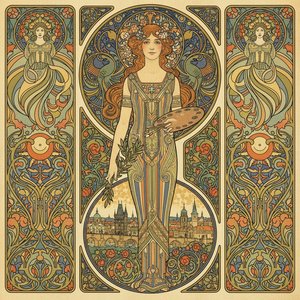
Alphonse Mucha: A Comprehensive Exploration of Art Nouveau's Master of Decorative Symbolism
Explore the life & art of Alphonse Mucha, master of Art Nouveau! Discover his iconic posters, stunning illustrations, and the monumental Slav Epic. A comprehensive guide for collectors & enthusiasts.

Giclée Prints: Archival Quality & Aesthetic Nuances for the Discerning Collector
Explore the world of giclée prints with OriginalUniqueArt. Learn about archival quality, aesthetic nuances & investment potential. Expert guidance for discerning art collectors seeking museum-quality reproductions and lasting value.
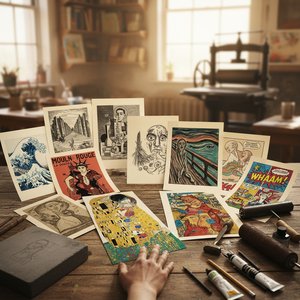
10 Obras-Primas da Litografia que Revolucionaram a Arte | OriginalUniqueArt
Descubra 10 obras-primas da litografia que revolucionaram a arte! Explore a história de Toulouse-Lautrec, Munch e Picasso. Encontre reproduções de alta qualidade para decorar sua casa com estilo em OriginalUniqueArt.com.
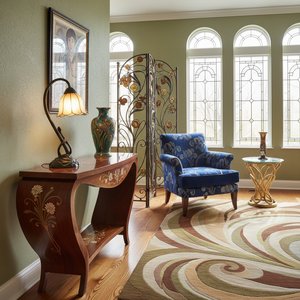
Art Nouveau: 10 Obras-Primas que Definiram um Movimento Atemporal | OriginalUniqueArt
Descubra as 10 obras-primas que moldaram a Art Nouveau! Explore a beleza floral de Mucha, o simbolismo de Klimt e a inovação de Gaudí. Encontre reproduções de arte exclusivas e inspire sua decoração em OriginalUniqueArt.com.

The Enduring Legacy of Fine Art Prints: Technique, History & Aesthetic Impact
Explore the rich history & techniques of fine art prints. Discover investment potential, assess authenticity, and learn how to preserve your collection with expert guidance. Trusted insights for discerning collectors.