

 Visualizar em escala
 Enviar
 Compartilhar
 Ver detalhes
 Guia de Obras do Aluno

 Baixar imagem
 Semelhantes
 Raio X
 Apresentação de slides
 Estatísticas
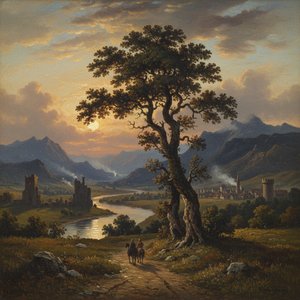
Landscape with a Road over a Hill


 Ver mais
Giclée / Impressão de Arte
Impressão giclée ou em tela de qualidade de museu, com produção rápida e opções flexíveis de acabamento. ( Encomendar reprodução pintada à mão Ver Imagem Digital)




P118B $10

P118H $10

P118W $10

P438Z $10

P508JH $12

P508YH $12

P805H $10

P805Z $10

P919BZ $10

P919G $10

P919XJ $10

P959ZH $10

P968JZ $12

W106C $8

W218G $10

W218JH $8

W218Y $10

W307PJ $10

W316G $10

W316PJ $8

W316Y $10

W398PJ $8

W4111J $10

W500HY $15

W500JH $15

W692G $12

W849H $8

W940BG $15

W953PJ $8




Escolha entre os nossos tamanhos pré-definidos que respeitam as proporções originais da obra de arte.

Você pode inserir suas próprias dimensões para se ajustar a uma moldura ou espaço específico. Se o tamanho selecionado não corresponder às proporções da imagem original, iremos recortar a obra de arte ou estender a imagem com uma borda espelhada ou preenchimento sólido. Um mockup digital será enviado para sua aprovação antes do início da produção.
Por favor, observe que a visualização na tela não reflete o recorte ou a extensão real. Apenas o mockup mostrará com precisão a composição final.
Embora tamanhos personalizados estejam disponíveis, recomendamos selecionar uma dimensão da lista predefinida para preservar as proporções originais.
Entrega mundial () em 2 semanas, em vez das 4/5 semanas padrão. (27 Setembro)

Envio expresso gratuito para todo o mundo

Tela de Linho Premium

Seguro de transporte total

Garantia de Reembolso de Impostos Alfandegários

Garantia de Fidelidade de Cor

Política de Devolução em 100 Dias (Apenas para Defeitos)

Garantia de reembolso de 100%

Desconto para múltiplas unidades
 A opção de vidro está disponível apenas para tamanhos inferiores a 110 cm

Landscape with a Road over a Hill
Giclée / Impressão de Arte
Dimensões da Reprodução
-


Preço Total
$ 80
Alphonse Legros’ “Landscape with a Road over a Hill” – A Window into Victorian England
Alphonse Legros' "Landscape with a Road over a Hill," painted in 1885, isn’t merely a depiction of a rural scene; it’s a carefully constructed tableau that speaks volumes about the artistic sensibilities and evolving social landscape of late Victorian Britain. The painting captures a modest hillside vista – a road winding its way through a field, framed by a scattering of trees and dominated by a brooding, yet beautiful, sky – but within this seemingly simple composition lies a wealth of detail and subtle symbolism that invites contemplation. Legros, a French-born artist who spent much of his career in London, masterfully blends elements of Realism with the burgeoning Impressionistic techniques gaining traction at the time, creating an image both grounded in observation and imbued with a sense of atmospheric mood.
Legros’ artistic journey is itself fascinating. Born in Dijon, France, he initially trained as a house decorator before finding his true calling in painting. His early years were spent honing his skills through apprenticeships and working as a journeyman wall-painter – an experience that instilled in him a practical understanding of materials and a keen eye for detail. He later moved to Paris, studying with prominent artists like Charles-Antoine Cambon, and eventually settled in London, where he became a respected teacher at the Slade School of Art, nurturing a new generation of British artists. This transatlantic movement profoundly shaped his artistic vision, blending French realism with the evolving aesthetics of Victorian England.
The Palette and Technique: Impressionistic Hints within Realist Foundations
Examining the painting’s technique reveals Legros' skillful balance between traditional Realism and nascent Impressionism. The brushstrokes are visible, lending a sense of immediacy to the scene – not the smooth, polished surfaces favored by later Impressionists. However, he employs broken color and dappled light in a way that suggests fleeting atmospheric effects, particularly in the sky. The clouds aren’t rendered as solid masses but rather as layers of muted blues, greys, and whites, creating a dynamic sense of depth and movement. The road itself is painted with a slightly rough texture, emphasizing its materiality and suggesting the passage of time and use. Legros' masterful use of color – predominantly earthy tones punctuated by flashes of vibrant green in the trees and the distant blue of the sky – contributes significantly to the painting’s evocative atmosphere.
Symbolism and the Victorian Psyche
Beyond its purely visual qualities, “Landscape with a Road over a Hill” is rich in symbolic meaning. The road itself can be interpreted as a metaphor for life's journey, winding through an uncertain landscape. The solitary figure standing near the trees – often speculated to be a shepherd or perhaps simply a traveler – represents humanity’s relationship with nature and its inherent solitude. The overcast sky hints at a sense of melancholy or introspection, reflecting the anxieties and uncertainties prevalent in Victorian society. The painting's quietude speaks to a broader cultural trend towards contemplation and a yearning for escape from the pressures of industrialization and urban life. The scene evokes a feeling of nostalgia for a simpler time, a sentiment deeply rooted in the Victorian imagination.
A Legacy of Landscape Painting
Alphonse Legros’ “Landscape with a Road over a Hill” stands as a testament to his artistic versatility and his ability to capture the essence of both French and British landscapes. It exemplifies the Realist movement's focus on depicting everyday life while subtly incorporating Impressionistic techniques, creating an image that is both grounded in observation and imbued with emotional resonance. Reproductions of this painting offer a beautiful window into Victorian England – a time of rapid change, social upheaval, and a profound appreciation for the beauty of the natural world. Its enduring appeal lies in its ability to evoke a sense of quiet contemplation and remind us of the timeless connection between humanity and the landscape.
Biografia do Artista
Alphonse Legros (1837–1911): Bridging Realism and British Artistic Spirit
- Early Life and Training:
- Realism's Embrace and Parisian Influences:
- The Etching Revival and London Calling:
- A Multifaceted Artist: Painting, Sculpture, and Medals:
- Legacy and Enduring Significance:
Early Life and Training
Alphonse Legros’s journey began in Dijon, France, a city steeped in artistic tradition. Born in 1837 to a modest family—his father an accountant—Legros’s formative years were marked by exposure to the rural landscapes surrounding Véronnes, experiences that would profoundly shape his artistic vision. From a young age, he demonstrated an innate fascination with observation and detail, qualities nurtured by his apprenticeship under Maître Nicolardo, a house painter who instilled in him a practical understanding of materials and form. This grounding contrasted sharply with the burgeoning intellectual currents of his time, yet it provided the bedrock for his subsequent artistic explorations.Realism's Embrace and Parisian Influences
Legros’s arrival in Paris in 1851 coincided with a pivotal moment in French art history—the ascendance of Realism led by Gustave Courbet. Recognizing the movement’s commitment to depicting everyday life with unflinching honesty, Legros enrolled at Horace Lecoq de Boisbaudran's drawing school alongside fellow artists like Auguste Rodin and Jules Dalou. These formative years exposed him to a diverse range of artistic ideas and techniques, fostering his stylistic evolution. Notably, he studied under Jean-Charles Cazin, whose influence would contribute to the artist’s distinctive approach to portraying human figures.The Etching Revival and London Calling
Inspired by James McNeill Whistler's encouragement, Legros relocated to England in 1863, embarking on a transformative chapter that cemented his place as a champion of British etching. Recognizing the potential for capturing subtle tonal nuances—a skill honed through self-taught experimentation—he established himself as a respected teacher at South Kensington School of Art and later became Slade Professor at University College London. His dedication to draughtsmanship and meticulous observation resonated deeply with students, shaping generations of artists in the art of etching.A Multifaceted Artist: Painting, Sculpture, and Medals
Beyond his renown as an etcher, Legros possessed remarkable versatility across various mediums. His paintings frequently depicted scenes from religious devotion—interior church views capturing the quiet intensity of faith—characterized by restrained palettes and meticulous detail. Similarly, his sculptural work demonstrated a commitment to realism and emotional depth. Furthermore, he excelled in medal-making, producing pieces celebrated for their craftsmanship and artistic merit.Legacy and Enduring Significance
Alphonse Legros passed away in Watford in 1911, leaving behind an indelible mark on the history of British art. His influence extended beyond his teaching role at Slade School; he championed traditional artistic values—the importance of draftsmanship, careful observation, and technical skill—while simultaneously embracing new ideas and techniques. Today, Legros’s paintings and etchings reside in prominent museums across Europe and America, ensuring that his artistic vision continues to inspire audiences worldwide. He stands as a testament to the enduring power of Realist aesthetics—a quiet contemplation of human experience conveyed with unwavering precision and emotional resonance.
Alphonse Legros
1837 - 1911 , França
Informações Rápidas
- Artistic Movement Or Style: Realismo
- Artists Who Influenced This Artist:
- Gustave Courbet
- Charles-Antoine Cambon
- Date Of Birth: 8 Maio 1837
- Date Of Death: 8 Dezembro 1911
- Full Name: Alphonse Legros
- Nationality: Francês
- Notable Artworks:
- L'Angelus
- Ex Voto
- Place Of Birth: Dijon, França
Artigos Relacionados
Paul Huet: Capturing the Essence of French Romanticism Through Light and Landscape
Explore the captivating world of Paul Huet (1803-1869), a master of French Romantic landscape painting. Discover his influence on Barbizon & Impressionism, and browse high-quality reproductions at OriginalUniqueArt.

Echoes of Arcadia: Nostalgia & Transformation in Vintage Landscape Art
Explore the evocative world of vintage landscape art! Discover the history, artists & emotional power behind masterpieces from the Hudson River School & beyond. Expert insights for collectors & enthusiasts.

Evocations of Place: A Historical Journey Through Landscape Art
Explore the rich history of landscape art with OriginalUniqueArt. Discover renowned artists, movements like Impressionism & Romanticism, and expert guidance for collecting timeless pieces. Find your perfect serene escape today!

Os 10 Mestres da Paisagem Romântica: Arte para Inspirar a Sua Casa
Descubra os 10 quadros mais emblemáticos da Paisagem Romântica! Explore a história de Turner, Friedrich e outros mestres. Encontre reproduções de arte exclusivas para inspirar sua decoração em OriginalUniqueArt.com.

Evoking Nature's Sublime: A Comprehensive Exploration of 19th-Century Landscape Painting
Explore the captivating world of 19th-century landscape painting! Discover renowned artists like Friedrich & Monet, key movements, and find the perfect artwork to bring nature's serenity into your home. Expert insights at OriginalUniqueArt.