
 Visualizar em escala
 Enviar
 Compartilhar
 Ver detalhes

 Baixar
 Semelhantes
 Raio X
 Apresentação de slides
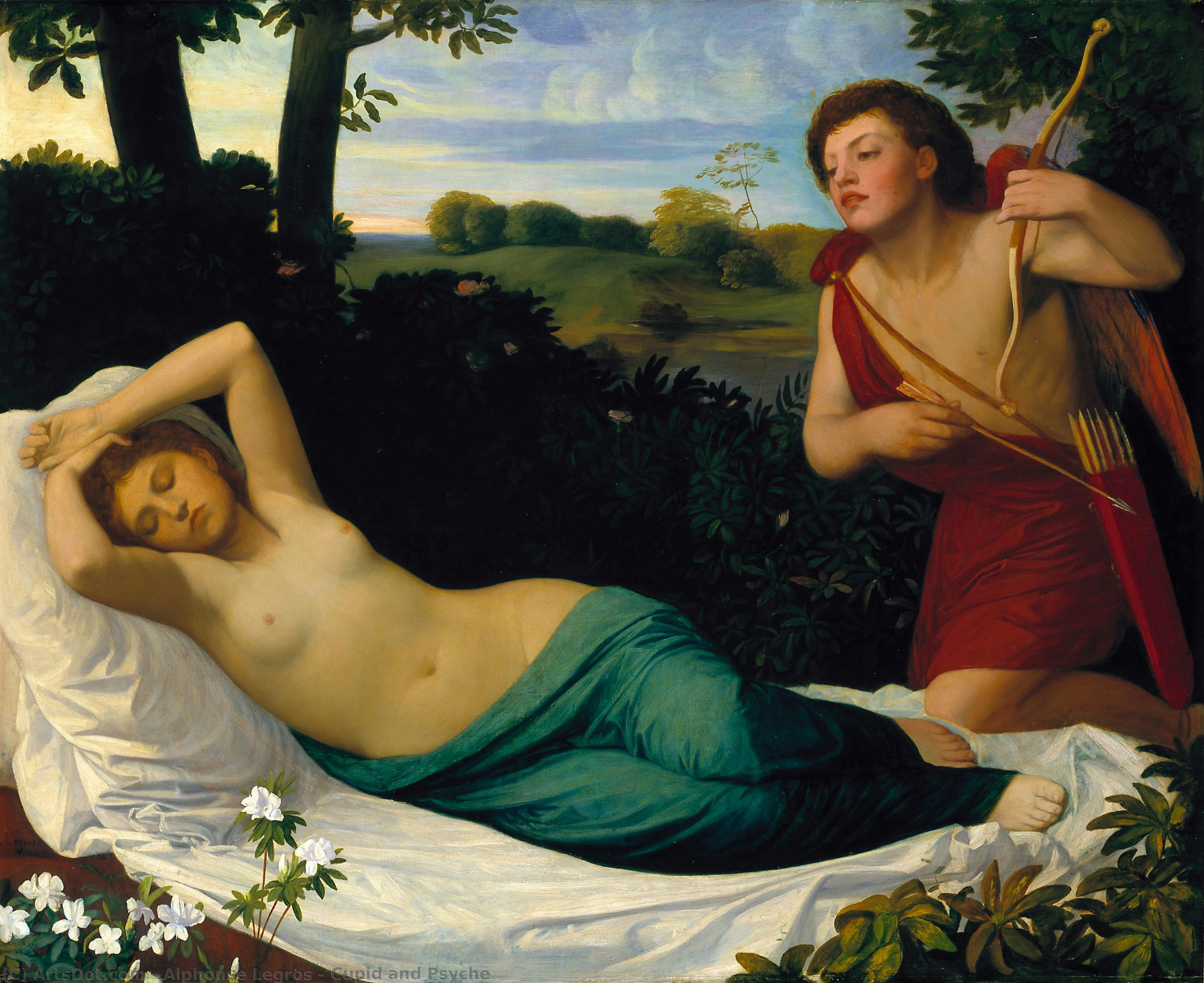
Cupid and Psyche
 Oil On Canvas
- WallArt
- Venetian Renaissance Influence
 1867
1867 141.0 x 116.0 cm
 Tate Britain
 Ver mais
Reprodução em Óleo Feita à Mão
Óleo sobre tela pintado à mão no seu tamanho e moldura, feito sob encomenda pelos nossos artistas. ( Ver impressão do pedido Baixar imagem em alta resolução)




P118B $10

P118H $10

P118W $10

P438Z $10

P508JH $12

P508YH $12

P805H $10

P805Z $10

P919BZ $10

P919G $10

P919XJ $10

P959ZH $10

P968JZ $12

W106C $8

W218G $10

W218JH $8

W218Y $10

W307PJ $10

W316G $10

W316PJ $8

W316Y $10

W398PJ $8

W4111J $10

W500HY $15

W500JH $15

W692G $12

W849H $8

W940BG $15

W953PJ $8




Escolha entre os nossos tamanhos pré-definidos que respeitam as proporções originais da obra de arte.

Pode inserir as suas próprias dimensões para se adequar a uma moldura ou espaço específico. Se o tamanho selecionado não corresponder às proporções da imagem original, iremos cortar a obra de arte ou estender a pintura com elementos adicionais pintados à mão. Um esboço digital será enviado para sua aprovação antes do início da produção.
Tenha em atenção que a pré-visualização no ecrã não reflete o corte ou extensão real. Apenas o esboço mostrará com precisão a composição final.
Embora tamanhos personalizados estejam disponíveis, recomendamos selecionar uma dimensão da lista predefinida para preservar as proporções originais.
Após o pedido, a equipa OriginalUniqueArt.com enviará um e-mail ao cliente para solicitar instruções e fornecer uma prévia do esboço.
Entrega mundial () em 3 a 4 semanas, em vez das 5 semanas padrão. (11 Agosto). Sem comprometer a qualidade.

Envio Expresso Gratuito para todo o Mundo

Tela de Linho Premium

Seguro de transporte total

Garantia de Reembolso de Impostos Alfandegários

Garantia de Fidelidade de Cor

Política de Devolução de 60 Dias (Apenas para Defeitos)

Garantia de reembolso de 100%

Desconto para múltiplas unidades
 A opção de vidro está disponível apenas para tamanhos inferiores a 110 cm

Cupid and Psyche
Técnica de Reprodução
Dimensões da Reprodução
-


Preço Total
$ 300
Descrição da Obra
Cupid and Psyche: A Renaissance Reverie
The painting “Cupid and Psyche” by Alphonse Legros stands as a testament to the burgeoning humanist spirit of the late 1860s, capturing a pivotal moment in classical mythology with remarkable sensitivity and stylistic nuance. Executed in oil on canvas measuring 141 x 116 cm, this artwork embodies the influence of Venetian Renaissance painting—specifically Titian’s masterful depictions of reclining nude figures—while simultaneously grounding itself in the meticulous observation of naturalism characteristic of British Realism. Legros's deliberate choice of palette—dominated by muted earthy tones punctuated by splashes of crimson and gold—creates an atmosphere of serene contemplation, mirroring the idealized beauty of the biblical narrative it portrays.- Style: Venetian Renaissance Influence – Legros skillfully borrows compositional elements from Titian’s celebrated works like “Flora” and “Venus Disbathing,” prioritizing elegance and grace over dramatic gesture.
- Technique: Legros employed a glazing technique, layering thin translucent washes of pigment to achieve luminous skin tones and subtle gradations of color. This meticulous approach reflects the prevailing artistic ethos of the time, valuing precision and realism alongside aesthetic beauty.
- Composition: The figures are positioned in a horizontal embrace, mirroring the classical tradition of portraying idealized human forms. Cupid’s left arm rests casually on Psyche's thigh, conveying intimacy and vulnerability—a deliberate contrast to the heroic narratives prevalent in earlier artistic periods.
- Symbolism: The birds circling overhead serve as emblems of divine providence—a subtle reminder that Cupid and Psyche's happiness is ordained by the gods.
- Color Palette: The dominant earthy hues evoke a sense of pastoral tranquility, reflecting the Romantic fascination with nature’s restorative powers. However, the crimson accents symbolize passion and desire, highlighting the central theme of the narrative.
Biografia do Artista
Alphonse Legros (1837–1911): Bridging Realism and British Artistic Spirit
- Early Life and Training:
- Realism's Embrace and Parisian Influences:
- The Etching Revival and London Calling:
- A Multifaceted Artist: Painting, Sculpture, and Medals:
- Legacy and Enduring Significance:
Early Life and Training
Alphonse Legros’s journey began in Dijon, France, a city steeped in artistic tradition. Born in 1837 to a modest family—his father an accountant—Legros’s formative years were marked by exposure to the rural landscapes surrounding Véronnes, experiences that would profoundly shape his artistic vision. From a young age, he demonstrated an innate fascination with observation and detail, qualities nurtured by his apprenticeship under Maître Nicolardo, a house painter who instilled in him a practical understanding of materials and form. This grounding contrasted sharply with the burgeoning intellectual currents of his time, yet it provided the bedrock for his subsequent artistic explorations.Realism's Embrace and Parisian Influences
Legros’s arrival in Paris in 1851 coincided with a pivotal moment in French art history—the ascendance of Realism led by Gustave Courbet. Recognizing the movement’s commitment to depicting everyday life with unflinching honesty, Legros enrolled at Horace Lecoq de Boisbaudran's drawing school alongside fellow artists like Auguste Rodin and Jules Dalou. These formative years exposed him to a diverse range of artistic ideas and techniques, fostering his stylistic evolution. Notably, he studied under Jean-Charles Cazin, whose influence would contribute to the artist’s distinctive approach to portraying human figures.The Etching Revival and London Calling
Inspired by James McNeill Whistler's encouragement, Legros relocated to England in 1863, embarking on a transformative chapter that cemented his place as a champion of British etching. Recognizing the potential for capturing subtle tonal nuances—a skill honed through self-taught experimentation—he established himself as a respected teacher at South Kensington School of Art and later became Slade Professor at University College London. His dedication to draughtsmanship and meticulous observation resonated deeply with students, shaping generations of artists in the art of etching.A Multifaceted Artist: Painting, Sculpture, and Medals
Beyond his renown as an etcher, Legros possessed remarkable versatility across various mediums. His paintings frequently depicted scenes from religious devotion—interior church views capturing the quiet intensity of faith—characterized by restrained palettes and meticulous detail. Similarly, his sculptural work demonstrated a commitment to realism and emotional depth. Furthermore, he excelled in medal-making, producing pieces celebrated for their craftsmanship and artistic merit.Legacy and Enduring Significance
Alphonse Legros passed away in Watford in 1911, leaving behind an indelible mark on the history of British art. His influence extended beyond his teaching role at Slade School; he championed traditional artistic values—the importance of draftsmanship, careful observation, and technical skill—while simultaneously embracing new ideas and techniques. Today, Legros’s paintings and etchings reside in prominent museums across Europe and America, ensuring that his artistic vision continues to inspire audiences worldwide. He stands as a testament to the enduring power of Realist aesthetics—a quiet contemplation of human experience conveyed with unwavering precision and emotional resonance.
Alphonse Legros
1837 - 1911 , França
Informações Rápidas
- Artistic Movement Or Style: Realismo
- Artists Who Influenced This Artist:
- Gustave Courbet
- Charles-Antoine Cambon
- Date Of Birth: 8 Maio 1837
- Date Of Death: 8 Dezembro 1911
- Full Name: Alphonse Legros
- Nationality: Francês
- Notable Artworks:
- L'Angelus
- Ex Voto
- Place Of Birth: Dijon, França
Artigos Relacionados

The Enduring Legacy of Oil on Canvas: Technique, History & Aesthetic Impact
Explore the rich history & techniques of oil painting – from Renaissance masters to Impressionism. Discover pigments, layering methods, and why this timeless medium endures. Expert insights for artists & art enthusiasts.

Oil on Canvas: A Historical & Technical Exploration of a Timeless Artistic Medium
Explore the rich history & enduring techniques of oil painting on canvas. Discover the science behind its longevity, conservation practices, and contemporary relevance. Expert insights for art enthusiasts.

O Legado Duradouro da Pintura a Óleo sobre Tela: Técnica, História e Prática Contemporânea
Explore a história e as técnicas da pintura a óleo com especialistas. Descubra os mestres, materiais essenciais e o futuro desta arte atemporal. Reproduções de qualidade museológica.
Top 10 Obras-Primas em Óleo que Revolucionaram a História da Arte | OriginalUniqueArt
Descubra as 10 obras primas em óleo que moldaram a história da arte! Explore Van Gogh, Monet, Da Vinci e outros mestres. Reproduções de alta qualidade para sua decoração. Explore a coleção completa na OriginalUniqueArt.com
The Timeless Beauty of Oil on Canvas: A Masterclass in Texture, Impasto, and Artistic Mastery
Discover the profound allure of oil on canvas. Explore the mastery of impasto textures, the science of pigment longevity, and expert guides to selecting museum-quality reproductions that elevate your collection with timeless elegance and tactile depth.

