

 Visualizar em escala
 Enviar
 Compartilhar
 Ver detalhes

 Baixar
 Semelhantes
 Raio X
 Apresentação de slides
Centaur Woman
 Realism
 1911
1911- 19th Century
 29.0 x 42.0 cm
 Ver mais
Reprodução em Óleo Feita à Mão
Óleo sobre tela pintado à mão no seu tamanho e moldura, feito sob encomenda pelos nossos artistas. ( Encomendar impressão Comprar imagem em alta resolução)




P118B $10

P118H $10

P118W $10

P438Z $10

P508JH $12

P508YH $12

P805H $10

P805Z $10

P919BZ $10

P919G $10

P919XJ $10

P959ZH $10

P968JZ $12

W106C $8

W218G $10

W218JH $8

W218Y $10

W307PJ $10

W316G $10

W316PJ $8

W316Y $10

W398PJ $8

W4111J $10

W500HY $15

W500JH $15

W692G $12

W849H $8

W940BG $15

W953PJ $8




Escolha entre os nossos tamanhos pré-definidos que respeitam as proporções originais da obra de arte.

Pode inserir as suas próprias dimensões para se adequar a uma moldura ou espaço específico. Se o tamanho selecionado não corresponder às proporções da imagem original, iremos cortar a obra de arte ou estender a pintura com elementos adicionais pintados à mão. Um esboço digital será enviado para sua aprovação antes do início da produção.
Tenha em atenção que a pré-visualização no ecrã não reflete o corte ou extensão real. Apenas o esboço mostrará com precisão a composição final.
Embora tamanhos personalizados estejam disponíveis, recomendamos selecionar uma dimensão da lista predefinida para preservar as proporções originais.
Após o pedido, a equipa OriginalUniqueArt.com enviará um e-mail ao cliente para solicitar instruções e fornecer uma prévia do esboço.
Entrega mundial () em 3 a 4 semanas, em vez das 5 semanas padrão. (22 Agosto). Sem comprometer a qualidade.

Envio Expresso Gratuito para todo o Mundo

Tela de Linho Premium

Seguro de transporte total

Garantia de Reembolso de Impostos Alfandegários

Garantia de Fidelidade de Cor

Política de Devolução de 60 Dias (Apenas para Defeitos)

Garantia de reembolso de 100%

Desconto para múltiplas unidades
 A opção de vidro está disponível apenas para tamanhos inferiores a 110 cm

Centaur Woman
Técnica de Reprodução
Dimensões da Reprodução
-


Preço Total
$ 300
Descrição da Obra
A Mythological Encounter in Brushstrokes
In the delicate interplay of light and shadow within Alphonse Legros’s 1911 masterpiece, Centaur Woman, we find ourselves transported to a realm where the boundaries between the human and the animalistic dissolve into a singular, poetic vision. The painting presents a breathtakingly intimate scene: a woman, draped in nothing but the soft glow of natural light, rests her arms tenderly upon the neck of a creature that defies simple classification. This is not merely a study of anatomy, but an exploration of a symbiotic existence. As she sits atop the horse—a being possessing a strikingly human torso and limbs paired with a noble equine head—the viewer is invited to witness a moment of profound stillness. The composition breathes with a quiet harmony, suggesting that even in the wildest corners of myth, there exists a capacity for tenderness and shared peace.
The setting serves as more than just a backdrop; it is an essential participant in the narrative. Legros utilizes a lush, naturalistic landscape, where the rugged textures of stones and the soft, verdant silhouettes of distant trees frame the central figures. This outdoor environment, rendered with the masterful touch of a Realist, grounds the fantastical subject matter in a tangible reality. The interplay between the organic elements of the earth and the ethereal nature of the centaur-like figure creates a tension that is both captivating and grounding. For the discerning collector or interior designer, this piece offers a unique focal point—a window into a world where the wildness of nature meets the grace of human emotion.
The Mastery of Legros: Technique and Soul
Alphonse Legros, a figure whose career bridged the artistic traditions of France and Britain, brings his profound technical expertise to this late-career work. His background as an etcher and sculptor is evident in the way he handles form; there is a sculptural weight to the woman’s posture and a palpable muscularity in the horse's human-like limbs. The technique is characterized by a subtle, nuanced application of color that avoids harsh transitions, opting instead for a seamless blending that mimics the softness of skin and the coarse texture of hair. This mastery of light allows the painting to radiate an inner warmth, making the scene feel as though it were captured in the fleeting moments of a golden afternoon.
Beyond its technical brilliance, Centaur Woman carries a deep emotional resonance. It speaks to the primal connection between humanity and the natural world, evoking themes of vulnerability, strength, and unity. The nudity of the woman does not suggest provocation, but rather a state of pure, unadorned existence, stripped of civilization and returned to the essence of being. For those looking to adorn a space with art that inspires contemplation, this reproduction offers an unparalleled opportunity. It is a piece that does not merely decorate a wall; it invites the soul to wander through a landscape of myth and memory, making it an exquisite addition to any curated collection or sophisticated interior design project.
Biografia do Artista
Alphonse Legros (1837–1911): Bridging Realism and British Artistic Spirit
- Early Life and Training:
- Realism's Embrace and Parisian Influences:
- The Etching Revival and London Calling:
- A Multifaceted Artist: Painting, Sculpture, and Medals:
- Legacy and Enduring Significance:
Early Life and Training
Alphonse Legros’s journey began in Dijon, France, a city steeped in artistic tradition. Born in 1837 to a modest family—his father an accountant—Legros’s formative years were marked by exposure to the rural landscapes surrounding Véronnes, experiences that would profoundly shape his artistic vision. From a young age, he demonstrated an innate fascination with observation and detail, qualities nurtured by his apprenticeship under Maître Nicolardo, a house painter who instilled in him a practical understanding of materials and form. This grounding contrasted sharply with the burgeoning intellectual currents of his time, yet it provided the bedrock for his subsequent artistic explorations.Realism's Embrace and Parisian Influences
Legros’s arrival in Paris in 1851 coincided with a pivotal moment in French art history—the ascendance of Realism led by Gustave Courbet. Recognizing the movement’s commitment to depicting everyday life with unflinching honesty, Legros enrolled at Horace Lecoq de Boisbaudran's drawing school alongside fellow artists like Auguste Rodin and Jules Dalou. These formative years exposed him to a diverse range of artistic ideas and techniques, fostering his stylistic evolution. Notably, he studied under Jean-Charles Cazin, whose influence would contribute to the artist’s distinctive approach to portraying human figures.The Etching Revival and London Calling
Inspired by James McNeill Whistler's encouragement, Legros relocated to England in 1863, embarking on a transformative chapter that cemented his place as a champion of British etching. Recognizing the potential for capturing subtle tonal nuances—a skill honed through self-taught experimentation—he established himself as a respected teacher at South Kensington School of Art and later became Slade Professor at University College London. His dedication to draughtsmanship and meticulous observation resonated deeply with students, shaping generations of artists in the art of etching.A Multifaceted Artist: Painting, Sculpture, and Medals
Beyond his renown as an etcher, Legros possessed remarkable versatility across various mediums. His paintings frequently depicted scenes from religious devotion—interior church views capturing the quiet intensity of faith—characterized by restrained palettes and meticulous detail. Similarly, his sculptural work demonstrated a commitment to realism and emotional depth. Furthermore, he excelled in medal-making, producing pieces celebrated for their craftsmanship and artistic merit.Legacy and Enduring Significance
Alphonse Legros passed away in Watford in 1911, leaving behind an indelible mark on the history of British art. His influence extended beyond his teaching role at Slade School; he championed traditional artistic values—the importance of draftsmanship, careful observation, and technical skill—while simultaneously embracing new ideas and techniques. Today, Legros’s paintings and etchings reside in prominent museums across Europe and America, ensuring that his artistic vision continues to inspire audiences worldwide. He stands as a testament to the enduring power of Realist aesthetics—a quiet contemplation of human experience conveyed with unwavering precision and emotional resonance.
Alphonse Legros
1837 - 1911 , França
Informações Rápidas
- Artistic Movement Or Style: Realismo
- Artists Who Influenced This Artist:
- Gustave Courbet
- Charles-Antoine Cambon
- Date Of Birth: 8 Maio 1837
- Date Of Death: 8 Dezembro 1911
- Full Name: Alphonse Legros
- Nationality: Francês
- Notable Artworks:
- L'Angelus
- Ex Voto
- Place Of Birth: Dijon, França
Artigos Relacionados

The Enduring Allure of the Nude: A Historical & Artistic Exploration of the Human Form
Explore the captivating history of nude art! Discover iconic paintings & artists from classical to modern eras. Uncover symbolism, techniques & find museum-quality reproductions at OriginalUniqueArt.

The Noble Steed on Canvas: A Historical & Artistic Exploration of Horse Painting Across Cultures
Explore the rich history of horse painting! Discover masterpieces from Stubbs to Munnings & learn about symbolism, techniques & artists. Find museum-quality reproductions at OriginalUniqueArt.

The Equine Muse: A Historical & Artistic Exploration of Horses in Painting
Explore the captivating history of horses in painting! Discover Renaissance masterpieces, Baroque grandeur & expert insights for collecting equestrian art. Learn about symbolism, techniques & lasting value with OriginalUniqueArt.
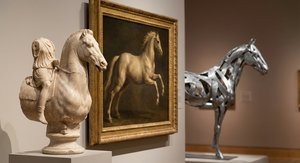
The Noble Steed: A Historical and Artistic Exploration of Horses in Fine Art
Explore the rich history of horses in fine art! From ancient depictions to Renaissance masterpieces & beyond, discover iconic artworks and artists. Learn about symbolism, techniques, and find museum-quality reproductions at OriginalUniqueArt.

The Eloquent Form: A Historical & Aesthetic Exploration of the Nude in Art
Explore the captivating history of the nude in art! From ancient Greece to modern masters, discover its evolving symbolism, techniques & enduring beauty. Expert insights for collectors and enthusiasts.

