

 Visualizar em escala
 Enviar
 Compartilhar
 Ver detalhes
 Guia de Obras do Aluno

 Baixar imagem
 Semelhantes
 Raio X
 Apresentação de slides
 Estatísticas
LE BOURGET

 Ver mais
Giclée / Impressão de Arte
Impressão giclée ou em tela de qualidade de museu, com produção rápida e opções flexíveis de acabamento. ( Encomendar reprodução pintada à mão Ver Imagem Digital)




P118B €10

P118H €10

P118W €10

P438Z €10

P508JH €12

P508YH €12

P805H €10

P805Z €10

P919BZ €10

P919G €10

P919XJ €10

P959ZH €10

P968JZ €12

W106C €8

W218G €10

W218JH €8

W218Y €10

W307PJ €10

W316G €10

W316PJ €8

W316Y €10

W398PJ €8

W4111J €10

W500HY €15

W500JH €15

W692G €12

W849H €8

W940BG €15

W953PJ €8




Escolha entre os nossos tamanhos pré-definidos que respeitam as proporções originais da obra de arte.

Digite a largura e a altura de que necessita, para se ajustar à sua moldura ou à sua parede. Uma impressão só pode ser cortada, nunca ampliada além da imagem original, pelo que um tamanho com uma proporção diferente perderá parte da imagem. Enviamos-lhe uma maquete digital para aprovação antes de imprimirmos qualquer coisa. A imagem apresentada nesta página não mostra o corte real — apenas a maquete o faz.
Entrega mundial () em 2 semanas, em vez das 4/5 semanas padrão. (24 Outubro)

Envio expresso gratuito para todo o mundo

Tela de Linho Premium

Seguro de transporte total

Garantia de Reembolso de Impostos Alfandegários

Garantia de Fidelidade de Cor

Política de Devolução em 100 Dias (Apenas para Defeitos)

Garantia de reembolso de 100%

Desconto para múltiplas unidades
 A opção de vidro está disponível apenas para tamanhos inferiores a 110 cm

LE BOURGET
Giclée / Impressão de Arte
Dimensões da Reprodução
-


Preço Total
€ 70
Biografia do Artista
Alphonse de Neuville - A Life Etched in Conflict
Alphonse-Marie-Adolphe de Neuville, a name resonant with the drama and patriotic fervor of 19th-century France, was born in Saint-Omer in 1835. His life, though tragically cut short at the age of forty-nine, unfolded against a backdrop of sweeping historical change – a period marked by imperial ambition, devastating wars, and burgeoning national identities. While initially drawn to a naval career, de Neuville’s artistic inclinations proved too strong to ignore, leading him away from the sea and toward the studios of Paris. He first sought guidance within the established academic system, briefly attending the naval school at Lorient before ultimately pursuing formal training under François-Edouard Picot. However, it was the influence of Eugène Delacroix—a master of Romanticism with a flair for dynamic composition and emotional intensity—that truly shaped de Neuville’s artistic vision. This mentorship instilled in him a passion for dramatic narratives and a keen understanding of how to translate historical events onto canvas with compelling power.Early Life and Artistic Beginnings
Born Alphonse-Marie-Adolphe Deneuville to wealthy parents at Saint-Omer, Pas-de-Calais, he earned his degree of *bachelier ès-lettres*, and in 1856 entered the naval school at Lorient despite family opposition. It was there that his artistic instincts started. Initially discouraged by several painters of repute, he nonetheless persevered, demonstrating an innate talent for visual representation. He quickly recognized the transformative potential of painting and embarked on a path dedicated to honing his skills—a decision that would ultimately lead him away from maritime pursuits and toward the vibrant intellectual landscape of Paris. His early artistic endeavors focused on capturing fleeting moments of beauty and emotion, foreshadowing the dramatic narratives that would characterize his later work.The Delacroixian Legacy: Embracing Romantic Drama
De Neuville’s artistic trajectory took a decisive turn when he encountered Eugène Delacroix—a titan of Romanticism whose canvases pulsated with energy and conveyed profound emotional depth. Delacroix's influence was palpable, shaping de Neuville’s compositional techniques and fostering his unwavering commitment to portraying dramatic scenes infused with psychological realism. Like Delacroix, de Neuville believed that art should strive to capture not merely what *was* but also how it *felt*, immersing viewers in the immediacy of historical experience. This conviction fueled his meticulous research into military history—a passion that would become the cornerstone of his artistic output.Military Artistry: Capturing Courage and Conflict
De Neuville swiftly established himself as a painter deeply engaged with the conflicts defining his era. He didn’t merely depict war; he immersed himself in its realities, drawing upon personal experiences – including service during the Franco-Prussian War – to lend authenticity to his work. This commitment to realism, combined with a talent for capturing the human cost of conflict, propelled him to prominence. Early successes included depictions of battles from the Crimean War and scenes illustrating episodes from Garibaldi’s campaigns in Italy. He meticulously documented the visual details of military life—uniforms, weaponry, battlefield maneuvers—creating images that resonated powerfully with audiences eager to witness heroic deeds and confront the grim realities of war.Notable Achievements and Artistic Style
De Neuville's artistic style was distinguished by several key characteristics: meticulous detail, masterful use of light and shadow, and a profound understanding of human psychology. He eschewed idealized representations of heroism, favoring instead depictions that conveyed the emotional intensity of combat—fear, courage, despair—with unflinching honesty. His canvases became celebrated for their dramatic compositions and evocative atmospheres, capturing not only the visual spectacle of battle but also its psychological impact on soldiers. Among his most enduring achievements were:- “The Charge of the Light Brigade” (1860): A poignant portrayal of the Crimean War cavalry charge, demonstrating Delacroixian dynamism and conveying the bravery and futility of the soldiers involved.
- “The Defense of Palma Major” (1875): Illustrating a harrowing episode from the Zulu War, showcasing de Neuville’s ability to capture the visceral immediacy of close-quarters combat.
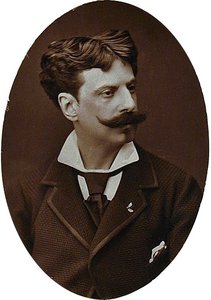
Alphonse de Neuville
1835 - 1885 , França
Informações Rápidas
- Artistic Movement Or Style: Academia
- Artists Who Influenced This Artist: ['Eugène Delacroix']
- Date Of Birth: Saint-Omer, França
- Date Of Death: 1885
- Full Name: Alphonse-Marie-Adolphe de Neuville
- Nationality: Francês
- Notable Artworks:
- A Batalha de Rorke's Drift
- O ataque em Magenta
- Place Of Birth: França
Artigos Relacionados

Goya: As 25 Obras-Primas que Definem um Mestre da Arte Espanhola | OriginalUniqueArt
Descubra as 25 obras-primas de Francisco Goya, o mestre espanhol do Romantismo. Explore retratos icônicos, gravuras impactantes e a história por trás de 'Saturno Devorando seu Filho' e 'A Majas'. Encontre reproduções de arte exclusivas para decorar sua casa com OriginalUniqueArt.com.

Echoes of Trauma & Hope: Representing Transformation in Artworks of 1918
Explore the profound artistic responses to World War I's trauma & hope. Discover Expressionist masterpieces by Bacon, de Kooning & more. Expert insights for collectors & art enthusiasts at OriginalUniqueArt.

Sobre nós
Descubra a nossa história! Levamos arte de classe mundial à sua vida através de uma seleção especializada, criações personalizadas e prévias gratuitas. Aprovado por particulares e empresas desde 2000.

Willem de Kooning: Abstraction, Gesture & the Evolution of Post-War American Painting
Explore the evolution of Willem de Kooning's iconic Abstract Expressionist paintings. Discover his signature style, key themes & investment potential with expert insights for discerning art collectors.

William Owen: A Poetic Vision of War & Landscape in British Modernism
Explore the poignant war poetry of Wilfred Owen, a key figure in British Modernism. Discover his innovative style, themes of loss & camaraderie, and lasting impact on 20th-century literature. Analysis & historical context included.