

 Visualizar na parede
 Compartilhar
 Compartilhar
 Detalhes
 Guia
Guia

 Baixar imagem
 Semelhantes
 Raio X
 Ver diaporama
 Q&A
Q&A Estatísticas
Saint Jacques le Majeur


 Ler mais
Giclée / Impressão de Arte
Impressão giclée ou em tela de qualidade de museu, com produção rápida e opções flexíveis de acabamento. ( Comprar pintura feita à mão Alternar para Imagem Digital)




P118B €10

P118H €10

P118W €10

P438Z €10

P508JH €12

P508YH €12

P805H €10

P805Z €10

P919BZ €10

P919G €10

P919XJ €10

P959ZH €10

P968JZ €12

W106C €8

W218G €10

W218JH €8

W218Y €10

W307PJ €10

W316G €10

W316PJ €8

W316Y €10

W398PJ €8

W4111J €10

W500HY €15

W500JH €15

W692G €12

W849H €8

W940BG €15

W953PJ €8




Escolha entre os nossos tamanhos pré-definidos que respeitam as proporções originais da obra de arte.

Insira a largura e a altura desejadas para se ajustarem à sua moldura ou parede. Uma impressão pode ser apenas cortada, nunca ampliada além da imagem original; portanto, um tamanho com proporções diferentes resultará na perda de parte da imagem. Enviamos uma maquete digital para sua aprovação antes de realizarmos a impressão. A imagem exibida nesta página não mostra o corte real — apenas a maquete o faz.
Entrega mundial () em 2 semanas, em vez das 4/5 semanas padrão. (29 Outubro)

Envio expresso gratuito para todo o mundo

Tela de Linho de Alta Qualidade

Seguro de transporte completo

Garantia de Reembolso de Impostos Alfandegários

Garantia de Fidelidade Cromática

Política de Devolução em 100 Dias (Apenas para Defeitos)

Garantia de reembolso de 100%

Oferta de desconto por quantidade
 A opção de vidro está disponível apenas para tamanhos inferiores a 110 cm

Saint Jacques le Majeur
Giclée / Impressão de Arte
Tamanho da Reprodução
-


Preço Total
€ 71
A Vision of Divine Serenity: Alonso Cano’s Saint Jacques le Majeur
In the grand, dramatic theater of the Spanish Baroque, few figures command the canvas with as much quiet authority as Alonso Cano’s Saint Jacques le Majeur. To encounter this masterpiece is to step into a moment of profound spiritual stillness, a deliberate pause amidst the turbulent religious fervor of the seventeenth century. The painting presents Saint James the Greater not as a warrior in the heat of battle, but as a figure of deep, contemplative grace. Seated upon a simple stone pedestal, the saint radiates a sense of peace that transcends the earthly realm, inviting the viewer into a shared space of devotion and introspection.
Cano, an artist whose life was as multifaceted and complex as his brushwork, possessed a rare ability to marry the physical with the metaphysical. In this work, he utilizes the hallmark techniques of the Baroque period to sculpt form out of shadow. Through the masterful application of chiaroscuro, a brilliant light source emerges from the front-left, illuminating the saint’s weathered face and the soft folds of his garments while allowing the background to recede into an atmospheric, dark void. This interplay of light and shadow does more than create depth; it directs the soul's eye toward the subject's expression, emphasizing a sense of divine presence that feels almost palpable.
The Language of Symbolism and Technique
Every element within the composition serves a higher narrative purpose, making this piece an exquisite choice for those who appreciate art with intellectual and emotional depth. The saint’s raised hand, palm open in a gesture of blessing, acts as a bridge between the divine and the spectator, offering a silent benediction to all who behold it. Leaning against his shoulder, the pilgrim's staff serves as a vital attribute, grounding the figure in his historical identity as a traveler and a pillar of faith. The earthy palette—rich with deep browns, muted greens, and warm pinkish skin tones—complements the organic textures of the stone and fabric, creating a grounded, tactile reality.
For the discerning collector or interior designer, this painting offers a sophisticated anchor for any curated space. The technique employed by Cano involves a meticulous layering of oil glazes, which lends the skin an inner luminosity and the drapery a heavy, luxurious weight. These visible yet refined brushstrokes provide a textural richness that is particularly striking in high-quality reproductions. Whether placed in a sunlit gallery or a moody, library-style study, the artwork brings with it an aura of timelessness and dignity.
An Enduring Legacy for Modern Interiors
Beyond its historical significance, Saint Jacques le Majeur possesses a transformative emotional impact. It does not merely decorate a room; it alters its atmosphere, infusing it with a sense of solemnity and grace. The painting’s ability to evoke such intense, quiet emotion makes it a profound choice for those seeking to create environments of reflection and prestige. As a reproduction, it allows the grandeur of the Spanish Baroque to reside within contemporary homes, offering a window into an era where art was the ultimate vessel for the human spirit's highest aspirations.
Perguntas e Respostas
Que humor e emoção "Saint Jacques le Majeur", de Alonso Cano transmite?
"Saint Jacques le Majeur", de Alonso Cano transmite um sentimento Spiritual em uma atmosfera geral Dramatic.
Quais cores predominam em "Saint Jacques le Majeur", de Alonso Cano?
"Saint Jacques le Majeur", de Alonso Cano utiliza uma paleta Earthy, com Espresso (#5c472e) como cor dominante.
Como "Saint Jacques le Majeur" se insere na trajetória artística de Alonso Cano?
"Saint Jacques le Majeur" integra a produção Baroque de Alonso Cano, cujos temas recorrentes incluem biblical narrative, baroque style, spiritual symbolism, patronage influence, artist legacy.
Biografia do Artista
Um Homem Renascentista de Granada
Alonso Cano Almansa ergue-se como uma figura singular no Século de Ouro espanhol, um verdadeiro polímata cujo espírito criativo recusava-se a ser confinado a um único meio. Nascido em Granada, Espanha, ele foi um talento raro que dominou as distintas disciplinas da pintura, escultura e arquitetura com igual fervor. Sua jornada artística começou sob a orientação de seu pai, Miguel Cano, de quem herdou os princípios fundamententes da arquitetura. Essa compreensão estrutural viria a informar, mais tarde, a profundidade espacial e a presença monumental encontradas em suas obras visuais.
Sua educação foi uma tapeçaria das mais finas influências disponíveis no mundo da arte espanhola. No reino da pintura, ele refinou sua pincelada na academia de Juan del Castillo e estudou sob Francisco Pacheco, o estimado mestre de Velázquez. Essa linhagem conectou-o diretamente ao coração do movimento Barroco, infundindo suas telas com um senso de tensão dramática e luminosidade espiritual. Simultaneamente, sua destreza escultórica foi forjada sob a tutela de Juan Martínez Montañés, permitindo-lhe dar vida à pedra e à madeira com um profundo sentido de graça anatômica e ressonância emocional.
O Domínio da Forma e do Espírito
A obra de Cano é caracterizada por uma habilidade extraordinária de capturar o divino dentro da forma humana. Como escultor, ele alcançou renome duradouro através de peças como a Madona e o Menino na igreja de Lebrija e suas figuras colossais e imponentes de São Pedro e São Paulo. Estas obras demonstram um domínio de escala e uma capacidade de evocar profunda devoção religiosa por meio da presença física.
Em suas pinturas, Cano utilizou as técnicas dramáticas da era Barroca para criar momentos de intenso encontro espiritual. Suas composições frequentemente apresentam:
- O jogo entre luz e sombra, onde fontes de luz invisíveis iluminam figuras sagradas, como em sua representação de São João Evangelista em Patmos.
- Intimidade emocional, vista em obras como Noli me Tangere, onde a tensão entre a graça divina e o anseio humano é palpável.
- O peso do sacrifício, capturado através do quadro sombrio e dramático de O Cristo Morto Sustentado por um Anjo.
Legado e Reconhecimento Real
A importância do talento de Alonso Cano foi reconhecida nos mais altos níveis da corte espanhola. Seu prestímente levou à sua nomeação como o primeiro arquiteto real e pintor de Filipe IV. Sua influência estendeu-se até mesmo à educação da próxima geração, servindo como instrutor do príncipe Baltasar Carlos. Esta proximidade com o poder permitiu-lhe deixar uma marca indelével na paisagem arquitetônica da Espanha; notavelmente, ele atuou como arquiteto-chefe da Catedral de Granada, projetando sua magnífica fachada que foi finalmente erguida após seu falecimento.
Além de seus títulos oficiais, o legado de Cano está preservado no próprio tecido da cultura andaluza. Sua capacidade de entrelaçar o rigor estrutural da arquitetura, a emoção tátil da escultura e a narrativa luminosa da pintura garante seu lugar como um dos mestres mais versáteis e essenciais do Barroco espanhol.

Alonso Cano
1601 - 1667 , Espanha
Dados Rápidos
- Artistas Que Influenciaram Este Artista:
- Miguel Cano
- Juan del Castillo
- Francisco Pacheco
- Juan Martínez Montañés
- Data De Morte: 1667
- Data De Nascimento: 1601
- Local De Nascimento: Granada, Espanha
- Movimento Ou Estilo Artístico: Barroco
- Nacionalidade: Espanhola
- Nome Completo: Alonso Cano Almansa
- Obras De Arte Notáveis:
- São João Evangelista em Patmos
- O Cristo Morto Sustentado por um Anjo
- Noli me Tangere
- A Crucificação
- Madona e o Menino
Artigos Relacionados

The Dramatic Flourish: Exploring the Baroque Movement's Enduring Legacy in Art History
Explore the dramatic world of Baroque art! Discover iconic artists like Caravaggio & Rubens, defining techniques, and its lasting impact on art history. Expert insights for collectors & enthusiasts at OriginalUniqueArt.

As 25 Obras-Primas de Alfred Munnings: Arte Equina e a Alma Inglesa | OriginalUniqueArt
Descubra as 25 obras-primas de Alfred Munnings, o mestre da pintura equina e da alma inglesa. Explore a história, técnica e beleza atemporal de cada quadro. Reproduções de arte exclusivas em OriginalUniqueArt.com! Explore a coleção online.
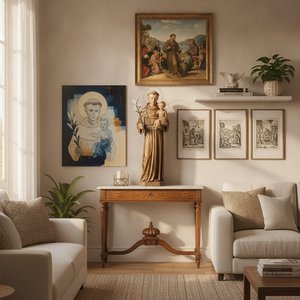
Discover the Divine: Inspiring Saint Anthony Artworks to Elevate Your Home Decor
Transform your home with the profound beauty of Saint Anthony artworks. Explore exquisite Baroque reproductions by Murillo and Zurbarán, hand-painted on 100% cotton canvas to bring divine serenity and timeless elegance to your interior design.

James Abbott McNeill Whistler: As 25 Obras-Primas que Definem um Mestre da Arte
Descubra as 25 obras-primas de James Abbott McNeill Whistler, o mestre do Impressionismo e dos 'Nocturnes'. Explore a história por trás de cada pintura, cores e técnicas. Encontre reproduções de arte exclusivas para decorar sua casa com elegância em OriginalUniqueArt.com!

Giclée Prints: Archival Quality & Aesthetic Nuances for the Discerning Collector
Explore the world of giclée prints with OriginalUniqueArt. Learn about archival quality, aesthetic nuances & investment potential. Expert guidance for discerning art collectors seeking museum-quality reproductions and lasting value.
