

 Visualizar na parede
 Compartilhar
 Compartilhar
 Detalhes
 Guia
Guia

 Baixar imagem
 Semelhantes
 Raio X
 Ver diaporama
 Q&A
Q&A Estatísticas
George III (1738–1820)
 Oil On Canvas
- WallArt
- Neoclassicism
 214.0 x 150.0 cm
 Royal Hospital Chelsea
 Ler mais
Giclée / Impressão de Arte
Impressão giclée ou em tela de qualidade de museu, com produção rápida e opções flexíveis de acabamento. ( Comprar pintura feita à mão Alternar para Imagem Digital)




P118B €10

P118H €10

P118W €10

P438Z €10

P508JH €12

P508YH €12

P805H €10

P805Z €10

P919BZ €10

P919G €10

P919XJ €10

P959ZH €10

P968JZ €12

W106C €8

W218G €10

W218JH €8

W218Y €10

W307PJ €10

W316G €10

W316PJ €8

W316Y €10

W398PJ €8

W4111J €10

W500HY €15

W500JH €15

W692G €12

W849H €8

W940BG €15

W953PJ €8




Escolha entre os nossos tamanhos pré-definidos que respeitam as proporções originais da obra de arte.

Insira a largura e a altura desejadas para se ajustarem à sua moldura ou parede. Uma impressão pode ser apenas cortada, nunca ampliada além da imagem original; portanto, um tamanho com proporções diferentes resultará na perda de parte da imagem. Enviamos uma maquete digital para sua aprovação antes de realizarmos a impressão. A imagem exibida nesta página não mostra o corte real — apenas a maquete o faz.
Entrega mundial () em 2 semanas, em vez das 4/5 semanas padrão. (28 Outubro)

Envio expresso gratuito para todo o mundo

Tela de Linho de Alta Qualidade

Seguro de transporte completo

Garantia de Reembolso de Impostos Alfandegários

Garantia de Fidelidade Cromática

Política de Devolução em 100 Dias (Apenas para Defeitos)

Garantia de reembolso de 100%

Oferta de desconto por quantidade
 A opção de vidro está disponível apenas para tamanhos inferiores a 110 cm

George III (1738–1820)
Giclée / Impressão de Arte
Tamanho da Reprodução
-


Preço Total
€ 71
A Regal Portrait: Allan Ramsay’s George III
Allan Ramsay's portrait of King George III, completed around 1761-2, is more than just a likeness; it’s a carefully constructed embodiment of power, authority, and the nascent complexities of the British monarchy. This masterful work, rendered in oil on canvas, transcends mere representation to become a window into the era's political climate and artistic sensibilities – specifically, the rise of Neoclassicism within portraiture. The painting immediately commands attention with its dramatic lighting, a key element that draws the viewer’s eye directly to the King’s face, imbuing him with an almost palpable sense of presence.
Ramsay, a leading figure in 18th-century Scottish art, expertly employs linear perspective to create a sense of depth and spatial arrangement. The throne, rendered as a robust square, anchors the composition while the draped fabric behind George III flows into a dark, indistinct background – a deliberate choice that serves to highlight the subject’s importance and elevate his status. The use of geometric shapes—squares for the throne, rectangles for the robes—contrasts with the more organic curves of the King's face, suggesting a balance between rigid formality and human warmth.
A Study in Neoclassical Detail
Examining the brushwork reveals Ramsay’s meticulous technique. Layered glazes build up color depth and luminosity, particularly noticeable in the rich textures of the royal robes – a testament to his ability to capture the sheen of velvet and the weight of heavy fabrics. The artist skillfully renders skin tones with subtle variations, avoiding overly smooth surfaces; instead, he introduces a slight roughness that lends a sense of realism and immediacy. The careful attention to detail extends to the rendering of the King’s attire: the intricate embroidery, the gleaming gold accents, and the precise folds of his garments all speak to the immense wealth and power associated with the monarchy.
The painting's palette is restrained yet sophisticated, dominated by deep reds, blues, and browns – colors traditionally linked with royalty and authority. The lighting, originating from a strong left-hand source, casts dramatic shadows that sculpt George III’s features, emphasizing his brow, cheekbones, and the solemnity of his expression. This chiaroscuro effect not only adds visual interest but also contributes to the overall sense of gravitas and dignity.
Symbolism and Historical Context
George III reigned from 1760 until his death in 1820, a period marked by significant political and military upheaval. The portrait itself is deeply symbolic, reflecting the King’s role as head of state during a time of considerable change. The crown, prominently displayed, represents sovereignty and divine right – concepts that were increasingly challenged during George III's reign. The robes, rich in color and ornamentation, symbolize his wealth and status, while the scepter and orb further reinforce his authority.
Ramsay’s work was commissioned during a pivotal moment in British history—the early years of George III’s rule. The King's reign coincided with the Seven Years’ War and the subsequent American Revolution, events that profoundly shaped the course of British history. The portrait, therefore, can be interpreted as an attempt to project an image of stability and strength at a time of considerable uncertainty. It is also important to note that this particular painting was one of many commissioned by the King, reflecting his desire to solidify his position and assert his authority.
A Legacy of Elegance
Allan Ramsay’s portrait of George III stands as a remarkable achievement of Neoclassical portraiture. It is a testament to the artist's technical skill, his understanding of symbolism, and his ability to capture the essence of a historical figure. Reproductions of this iconic image continue to resonate with viewers today, offering a glimpse into the grandeur and complexities of 18th-century Britain. The painting’s enduring appeal lies not only in its aesthetic beauty but also in its ability to evoke a sense of history, power, and timeless elegance.
Perguntas e Respostas
O que "George III (1738–1820)", de Allan Ramsay retrata?
Os temas presentes em "George III (1738–1820)", de Allan Ramsay incluem royal portraiture, 18th century britain, george iii, king, neoclassical art, scottish nobility, portrait painting, regal authority. Juntos, eles sintetizam o assunto da obra.
Qual uso e espaço são recomendados para "George III (1738–1820)", de Allan Ramsay?
"George III (1738–1820)", de Allan Ramsay é recomendado para Statement, idealmente em um(a) Living Room. O uso e o espaço juntos orientam onde uma reprodução se encaixa.
O que "George III (1738–1820)" compartilha com o restante da obra de Allan Ramsay?
Na produção de Allan Ramsay, "George III (1738–1820)" insere-se no estilo Neoclassicism, acompanhando os temas de classical ideals, roman influence, royal power, british identity, political authority, monarchy, ramsay's aristocratic portraits, scottish nobility depiction.
Biografia do Artista
Allan Ramsay: Um Retrato da Elegância e do Iluminismo Escocês
Nascido em Edimburgo, na Escócia, a 13 de outubro de 1713, Allan Ramsay emergiu como um dos mais notáveis retratistas escoceses, cuja obra capturou a elegância e o refinamento da sua época. A sua jornada artística começou aos vinte anos, quando viajou para Londres para estudar com o pintor sueco Hans Hysing, seguido de instrução na Academia St. Martin's Lane. Esta formação fundamental proporcionou-lhe uma sólida base em técnica e composição, preparando o terreno para a sua futura distinção.
A Influência Italiana e o Desenvolvimento do Estilo
O desenvolvimento artístico de Ramsay tomou um rumo significativo com as suas viagens a Roma e Nápoles, onde passou três anos (1736-1738) trabalhando sob a tutela de Francesco Solimena e Imperiali (Francesco Fernandi). Estes mestres italianos influenciaram profundamente o seu estilo, fomentando uma maior compreensão dos princípios clássicos e aprimorando as suas habilidades na captura da semelhança e do caráter. Em solo italiano, absorveu a estética predominante do Rococó, ao mesmo tempo que desenvolvia uma apreciação pelos ideais neoclássicos, um equilíbrio sutil que viria a caracterizar o seu trabalho.
Uma Carreira em Ascensão e Obras Emblemáticas
Ao retornar à Grã-Bretanha em 1738, Ramsay estabeleceu rapidamente uma carreira de sucesso como retratista. A sua capacidade de retratar os seus sujeitos com precisão e graça granjeou-lhe uma clientela distinta. Entre as suas obras mais notáveis destacam-se:
- Rainha Charlotte (1744-1818) com os seus dois filhos mais velhos (Royal Collection, Londres): Uma representação régia que demonstra a presença maternal da Rainha.
- Mary Degg, Lady Robert Manners (Scottish National Gallery, Edimburgo): Um retrato elegante que evidencia a habilidade de Ramsay em capturar a beleza aristocrática.
- Cabeça de Duncan Forbes de Culloden: Este trabalho inicial chamou a atenção do Duque de Argyll e foi posteriormente apresentado nas notas bancárias do Royal Bank of Scotland, um testemunho precoce do seu talento e impacto cultural.
Nomeação Real e o Apogeu da Carreira
Um momento crucial na carreira de Ramsay ocorreu em 1761 com a sua nomeação como Pintor Principal Ordinário para Jorge III. Esta posição prestigiosa consolidou o seu estatuto entre a elite artística e garantiu um fluxo constante de encomendas da família real e da alta sociedade. Tornou-se *o* retratista da era georgiana, imortalizando as figuras mais proeminentes do seu tempo com uma combinação única de precisão técnica e sensibilidade estética.
Legado Histórico e a Arte como Reflexo Social
A contribuição de Allan Ramsay estende-se para além do seu talento artístico. Desempenhou um papel crucial na formação da cultura visual da Escócia durante um período de mudança social e política significativa. Os seus retratos fornecem informações valiosas sobre as vidas, modas e valores da nobreza e da burguesia escocesas. A sua obra pode ser encontrada em locais como o Ayr Town Hall e a Scottish National Portrait Gallery, testemunhando a duradoura influência do seu trabalho. Como Samuel Johnson observou, “Amo Ramsay. Não encontrará um homem na cuja conversa haja mais instrução, mais informação e mais elegância do que na de Ramsay.” O seu legado perdura como um exemplo brilhante da arte escocesa no auge do Iluminismo.
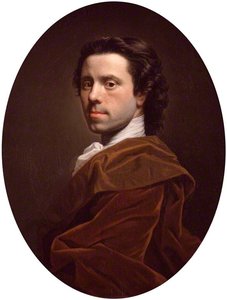
Allan Ramsay
1713 - 1784 , Reino Unido
Dados Rápidos
- Artistas Que Influenciaram:
- Hans Hysing
- Francesco Solimena
- Imperiali (Fernandi)
- Data Da Morte: 1784
- Data De Nascimento: 13 de outubro de 1713
- Local De Nascimento: Edimburgo, Reino Unido
- Movimento Artístico: Rococó, Neoclássico
- Nacionalidade: Escocês
- Nome Completo: Allan Ramsay
- Obras Notáveis:
- Rainha Charlotte e filhos
- Mary Degg, Lady Manners
- Retrato de Duncan Forbes
Artigos Relacionados

Allen Ramsay: Portraiture, Patronage & Shaping Georgian Identity
Explore the life & work of Allen Ramsay, pivotal portraitist to George III. Discover his Rococo style, influence on Georgian society, and lasting legacy in British art history. Learn about his key works & patronage.

Georges Braque: As 25 Obras-Primas Essenciais para Amantes da Arte Moderna | OriginalUniqueArt
Descubra as 25 obras-primas de Georges Braque, pioneiro do Cubismo! Explore a história, cores e técnicas por trás de seus quadros mais famosos. Encontre reproduções de arte exclusivas para decorar sua casa com elegância em OriginalUniqueArt.com.

Neoclassical Portraiture: The Timeless Elegance of Order, Grace, and Academic Mastery
Explore the refined world of Neoclassical portraiture. Discover the mastery of line, light, and order through an expert exploration of academic art history, from Jacques-Louis David to Jean-Antoine Houdon. Immerse yourself in the timeless elegance of classical realism.

Georges Seurat: As 25 Obras-Primas do Mestre do Pontilhismo | OriginalUniqueArt
Descubra as 25 obras-primas de Georges Seurat, o mestre do pontilhismo! Explore a história, cores vibrantes e técnica inovadora por trás de seus quadros mais famosos. Encontre reproduções de arte exclusivas para decorar sua casa com OriginalUniqueArt.com.

Majesty on Canvas: A Definitive Guide to Iconic Royal Portraits Through Art History
Explore the profound history of royal portraiture. From Baroque grandeur to Victorian elegance, discover how master artists captured power and lineage on canvas through the timeless medium of oil painting.


