
 Visualizar em escala
 Enviar
 Compartilhar
 Ver detalhes
 Guia de Obras do Aluno

 Baixar imagem
 Semelhantes
 Raio X
 Apresentação de slides
 Estatísticas
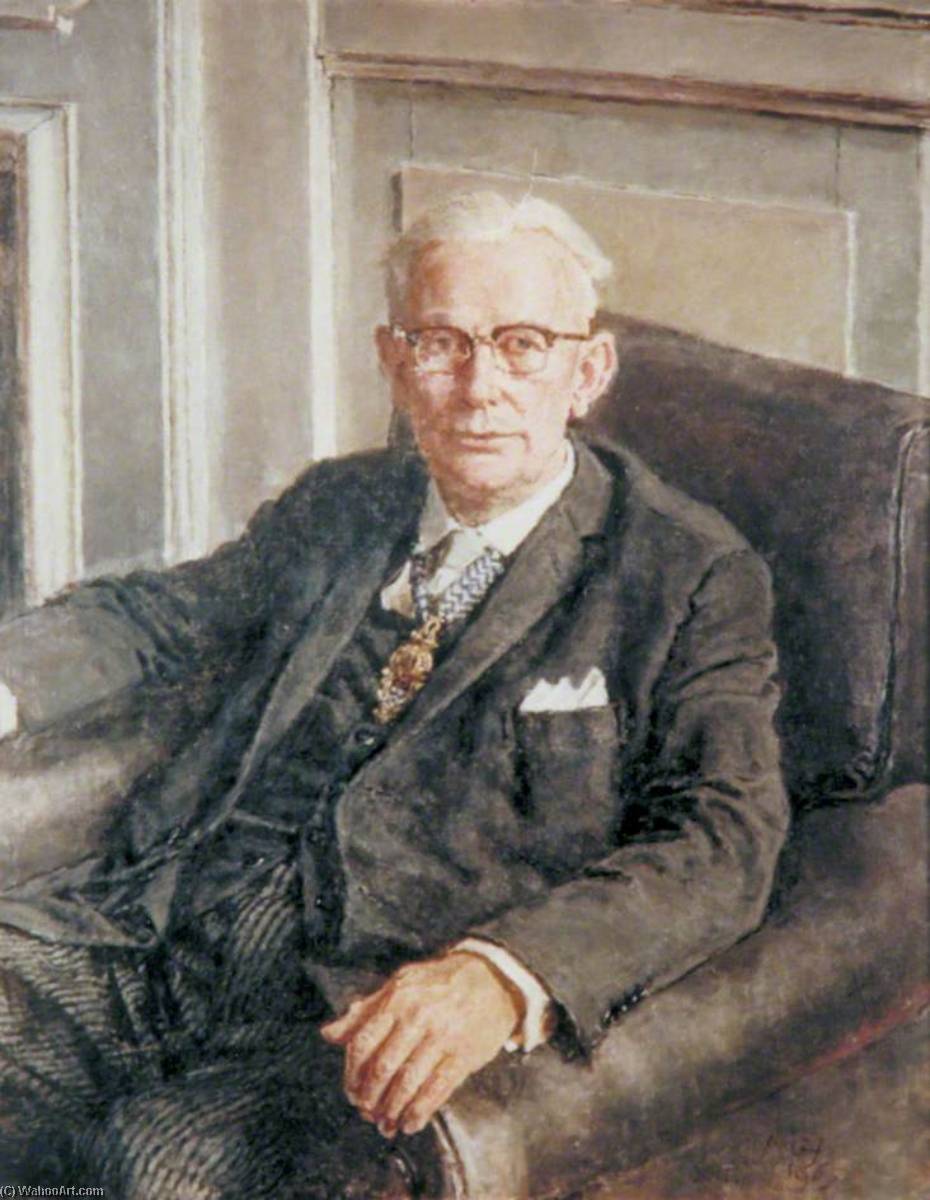
Henry Ferguson
 98.0 x 76.0 cm
 Guildhall Art Gallery
 Ver mais
Giclée / Impressão de Arte
Impressão giclée ou em tela de qualidade de museu, com produção rápida e opções flexíveis de acabamento. ( Encomendar reprodução pintada à mão Ver Imagem Digital)




































Escolha entre os nossos tamanhos pré-definidos que respeitam as proporções originais da obra de arte.

Você pode inserir suas próprias dimensões para se ajustar a uma moldura ou espaço específico. Se o tamanho selecionado não corresponder às proporções da imagem original, iremos recortar a obra de arte ou estender a imagem com uma borda espelhada ou preenchimento sólido. Um mockup digital será enviado para sua aprovação antes do início da produção.
Por favor, observe que a visualização na tela não reflete o recorte ou a extensão real. Apenas o mockup mostrará com precisão a composição final.
Embora tamanhos personalizados estejam disponíveis, recomendamos selecionar uma dimensão da lista predefinida para preservar as proporções originais.
Entrega mundial () em 2 semanas, em vez das 4/5 semanas padrão. (25 Setembro)

Envio expresso gratuito para todo o mundo

Tela de Linho Premium

Seguro de transporte total

Garantia de Reembolso de Impostos Alfandegários

Garantia de Fidelidade de Cor

Política de Devolução em 100 Dias (Apenas para Defeitos)

Garantia de reembolso de 100%

Desconto para múltiplas unidades
 A opção de vidro está disponível apenas para tamanhos inferiores a 110 cm

Henry Ferguson
Giclée / Impressão de Arte
Dimensões da Reprodução
-


Preço Total
$ 80
Biografia do Artista
Allan Gwynne-Jones CBE – A Painter of Light and Landscape
Allan Gwynne-Jones (1892–1982) was an English painter whose distinctive style blended Impressionistic observation with a bold Fauvist palette, establishing him as one of Britain’s most respected artists of the early 20th century. Born in Richmond, Surrey, he possessed a remarkably diverse background – initially educated at Bedales School and subsequently qualifying as a solicitor—yet his true passion lay in visual art, propelling him toward a career that transcended legal practice.- Early Years & Education: Gwynne-Jones’ formative years were marked by a grounding in humanist scholarship and classical studies, fostering an appreciation for detail and proportion that would inform his artistic endeavors. Bedales School instilled in him a disciplined approach to learning alongside a burgeoning interest in the natural world.
- Military Service & Trauma: His involvement with the Welsh Guards during World War I proved pivotal, shaping not only his physical resilience but also profoundly impacting his emotional landscape. Serving on the Western Front, he endured harrowing experiences culminating in a serious injury at the Battle of the Somme in 1916—an event that instilled within him an enduring sensitivity to human suffering and fueled his artistic exploration of emotion.
Slade School & Artistic Development
Following demobilization, Gwynne-Jones pursued formal artistic training at the Slade School of Fine Art in London, where he honed his skills under influential instructors like Henry Tonks and Frank Auerbach. This period solidified his commitment to painting as a vocation and nurtured his burgeoning talent for capturing fleeting moments of light and color—a hallmark of his distinctive aesthetic. He became Professor of Painting between 1923 and 1930, shaping the artistic sensibilities of generations of students before resigning to rejoin the Slade faculty. During this time he developed his own style, characterized by expressive brushstrokes and vibrant hues reminiscent of Fauvist painters like Matisse and Picasso.- Notable Techniques: Gwynne-Jones’ technique involved layering thin washes of color onto canvas—a method that allowed him to achieve remarkable luminosity and atmospheric depth. He meticulously studied the interplay of light and shadow, striving to convey not merely visual representation but also emotional resonance.
Floral Painting & Royal Recognition
Beyond portraits, Gwynne-Jones achieved considerable acclaim for his depictions of flowers—particularly roses—which he treated with an almost obsessive attention to detail. His canvases pulsated with color and texture, capturing the ephemeral beauty of blossoms in exquisite realism. This dedication to botanical observation reflected a lifelong fascination with nature’s rhythms and transformations. In 1956 Gwynne-Jones was appointed Royal Academician, recognizing his contribution to British art history.Legacy & Notable Works
Allan Gwynne-Jones died in Eastleach Turville, Gloucestershire, in 1982, leaving behind a substantial body of work that continues to inspire admiration for its expressive power and technical virtuosity. His paintings—such as “Eyguières, Provence, Morning” and “Still Life”—remain treasured examples of British Impressionism and Fauvist art. Furthermore, Gwynne-Jones’ daughter Emily Gwynne-Jones is herself a celebrated artist, perpetuating the family's artistic heritage. A joint exhibition showcasing their collaborative efforts solidified his enduring influence on contemporary art.- Key Exhibitions: Gwynne-Jones participated in numerous prestigious exhibitions throughout his career, including retrospectives at the Royal Academy and Tate Britain, cementing his reputation as one of Britain’s foremost painters.

allan gwynne jones
1892 - 1982
Informações Rápidas
- Artistic Movement Or Style: Fauvist
- Artists Or Movements Influenced By This Artist: ['Slade School Fine Art']
- Artists Who Influenced This Artist:
- Georges Braque
- Pablo Picasso
- Date Of Birth: 1892
- Date Of Death: 1982
- Full Name: Allan Gwynne-Jones CBE DSO RA
- Nationality: English
- Notable Artworks:
- Eyguières, Provence, Morning
- Still Life
- Place Of Birth: Richmond, Surrey