Visualizar na parede
 Compartilhar
 Compartilhar
 Detalhes
 Guia
Guia

 Baixar imagem
 Semelhantes
 Raio X
 Ver diaporama
 Q&A
Q&A Estatísticas
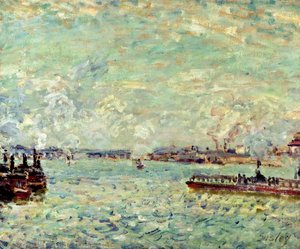
Platz in Argenteuil

- 47.0 x 66.0 cm


 Ler mais
Giclée / Impressão de Arte
Impressão giclée ou em tela de qualidade de museu, com produção rápida e opções flexíveis de acabamento. ( Comprar pintura feita à mão Alternar para Imagem Digital)




P118B €10

P118H €10

P118W €10

P438Z €10

P508JH €12

P508YH €12

P805H €10

P805Z €10

P919BZ €10

P919G €10

P919XJ €10

P959ZH €10

P968JZ €12

W106C €8

W218G €10

W218JH €8

W218Y €10

W307PJ €10

W316G €10

W316PJ €8

W316Y €10

W398PJ €8

W4111J €10

W500HY €15

W500JH €15

W692G €12

W849H €8

W940BG €15

W953PJ €8




Escolha entre os nossos tamanhos pré-definidos que respeitam as proporções originais da obra de arte.

Insira a largura e a altura desejadas para se ajustarem à sua moldura ou parede. Uma impressão pode ser apenas cortada, nunca ampliada além da imagem original; portanto, um tamanho com proporções diferentes resultará na perda de parte da imagem. Enviamos uma maquete digital para sua aprovação antes de realizarmos a impressão. A imagem exibida nesta página não mostra o corte real — apenas a maquete o faz.
Entrega mundial () em 2 semanas, em vez das 4/5 semanas padrão. (31 Outubro)

Envio expresso gratuito para todo o mundo

Tela de Linho de Alta Qualidade

Seguro de transporte completo

Garantia de Reembolso de Impostos Alfandegários

Garantia de Fidelidade Cromática

Política de Devolução em 100 Dias (Apenas para Defeitos)

Garantia de reembolso de 100%

Oferta de desconto por quantidade
 A opção de vidro está disponível apenas para tamanhos inferiores a 110 cm

Platz in Argenteuil
Giclée / Impressão de Arte
Tamanho da Reprodução
-


Preço Total
€ 71
A Snapshot of Parisian Life: Sisley’s ‘Platz in Argenteuil’
Alfred Sisley's “Platz in Argenteuil,” painted in 1872, isn’t merely a depiction of a French town square; it’s an exquisitely rendered meditation on light and atmosphere—a cornerstone of Impressionism that continues to resonate with viewers today. Captured during the height of the movement’s fervor, this canvas embodies the core tenets championed by Monet, Renoir, and Pissarro: prioritizing fleeting impressions over meticulous realism. The scene unfolds along Argenteuil’s cobblestone street, a location chosen deliberately by Sisley as it served as a favored haunt for Impressionist artists seeking inspiration from the Seine River valley.- Subject Matter: The painting portrays an ordinary urban landscape—a bustling square populated by pedestrians, carriages, and bicycles—yet Sisley elevates this commonplace subject into something extraordinary through his masterful observation of light.
- Style & Technique: Sisley employed a technique characterized by loose brushstrokes and vibrant color palettes. Unlike academic painters who sought to capture precise details, he blended pigments directly onto the canvas, allowing for spontaneous marks that conveyed the immediacy of perception. The resulting texture is palpable, inviting viewers to experience the scene as if they were actually present.
- Historical Context: “Platz in Argenteuil” emerged during a period of significant social and artistic transformation. The Franco-Prussian War had profoundly impacted France’s cultural landscape, fostering a desire for beauty and tranquility amidst the anxieties of the era. Impressionism responded to this yearning by rejecting traditional conventions and embracing the sensory experience of modern life.
Decoding Light and Color: Sisley's Impressionistic Vision
Sisley’s genius lay in his ability to capture the elusive quality of light—a preoccupation that would define much of his oeuvre. He meticulously studied how sunlight diffused through the air, illuminating buildings and casting shadows on the pavement. The dominant hues are muted yellows and greens, reflecting the verdant foliage surrounding Argenteuil and subtly hinting at the warmth of the sun. However, these colors aren’t blended smoothly; instead, Sisley layered them in broken patches, creating a shimmering effect that mimics the way light dances across surfaces. This technique is particularly evident in the reflections on the cobblestones and windows—details that contribute significantly to the painting's overall luminosity.Symbolism Beyond Representation: The Quiet Drama of Everyday Life
While seemingly simple, “Platz in Argenteuil” possesses a subtle symbolic depth. Sisley wasn’t interested in conveying grand narratives; rather, he aimed to evoke emotion through carefully considered visual elements. The figures strolling along the street represent humanity's engagement with its environment—a quiet drama unfolding against the backdrop of urban life. The horse-drawn carriage symbolizes tradition and social hierarchy, juxtaposed against the dynamism of the bicycle, representing progress and modernity. These contrasting symbols underscore Sisley’s belief that beauty could be found in the ordinary moments of daily existence.Emotional Resonance: A Balm for Troubled Times
Ultimately, “Platz in Argenteau” transcends its visual description to offer a profound emotional experience. The painting's tranquil atmosphere—a deliberate antidote to the turbulent political climate—invites viewers to contemplate the beauty of nature and the serenity of human connection. Sisley’s masterful rendering of light and color captures not just what he saw but also how he felt, cementing his place as one of Impressionism’s most enduringly evocative artists. Its quiet grandeur continues to inspire collectors and interior designers seeking pieces that embody understated elegance and a timeless appreciation for the natural world.Perguntas e Respostas
"Platz in Argenteuil" está em domínio público?
Quanto aos direitos autorais, "Platz in Argenteuil" está em em domínio público — seus direitos autorais expiraram.
Qual é a proporção de "Platz in Argenteuil", de Alfred Sisley e quais são as suas dimensões?
O formato de "Platz in Argenteuil" é Landscape e a obra original mede 47 x 66 cm. Ambas as informações são úteis ao planejar uma reprodução.
Como "Platz in Argenteuil" equilibra luz e sombra?
"Platz in Argenteuil", de Alfred Sisley apresenta um brilho de bright, com uma luminância de Gentle Luminance.
Biografia do Artista
A Life Immersed in Light and Landscape
Alfred Sisley, a name often whispered alongside those of Monet, Renoir, and Pissarro, occupies a unique and profoundly beautiful space within the Impressionist movement. Born in Paris on October 30, 1839, to British parents—William Sisley, a silk merchant, and Felicia Sell, a music enthusiast—he carried a dual heritage that subtly informed his artistic vision. Though he would spend nearly his entire life in France, Sisley retained British citizenship, a fact that brought him personal disappointment later in life when applying for French naturalization was refused. His early years were comfortably bourgeois, affording him the opportunity to pursue studies initially intended for a commercial career in London at the age of eighteen. However, the allure of art proved too strong, and he returned to Paris in 1861, embarking on formal training under Swiss artist Marc-Charles-Gabriel Gleyre at the École des Beaux-Arts. It was here, amidst the burgeoning artistic ferment of the era, that Sisley forged crucial friendships with Monet, Renoir, and Bazille—relationships that would profoundly shape his artistic trajectory. These companions shared a rebellious spirit, rejecting the rigid conventions of academic painting in favor of capturing the fleeting effects of light and atmosphere directly from nature.The Quiet Master of Impressionism
Sisley’s dedication to *plein air* painting—working outdoors, directly observing the natural world—was unwavering. Unlike some of his contemporaries who experimented with diverse genres, Sisley remained steadfastly committed to landscape throughout his career. This focused devotion allowed him to refine a distinctive style characterized by tranquility, delicate color palettes, and a subtle rendering of light. His canvases are often awash in pale shades of green, pink, purple, dusty blue, and cream, creating an atmosphere of serene contemplation. While the early works remain largely lost to time, his mature paintings reveal a meticulous observation of nature combined with a poetic sensibility. He wasn’t interested in grand narratives or dramatic gestures; instead, he found beauty in the everyday—in the gentle flow of rivers, the dappled light filtering through trees, and the quiet charm of rural life. His early struggles for recognition were compounded by his father's financial difficulties following the Franco-Prussian War in 1870, forcing Sisley to rely solely on the sale of his art for sustenance—a precarious existence that shadowed much of his career. He was a true Impressionist, but one who often labored in relative obscurity during his lifetime.Rivers, Canals, and the Essence of Place
Recurring themes permeate Sisley’s oeuvre, most notably his fascination with water. River landscapes became a signature subject, exemplified by his series of paintings created during a trip to England in 1874 along the Thames near Molesey. These works, capturing the tranquil beauty of the river and its surroundings, are considered among his finest achievements—a “perfect moment of Impressionism,” as art historian Kenneth Clark described them. He also developed a deep connection with Moret-sur-Loing, where he lived for many years, immortalizing its canals, bridges, and surrounding countryside in numerous canvases. Paintings like "Watermill near Moret," "Barges on the Loing Canal, Spring", and “Fields around the Forest” showcase his ability to imbue ordinary scenes with a sense of poetic grace. He didn’t merely depict these places; he captured their *essence*, conveying not just what they looked like but how they felt—the gentle breeze, the warmth of the sun, the quiet murmur of the water. This sensitivity to atmosphere and mood is perhaps Sisley's most enduring legacy.Influences and a Lasting Legacy
Sisley’s artistic influences were multifaceted. Gleyre’s academic training provided a foundation in technique, while the camaraderie with Monet, Renoir, and Bazille fostered a shared commitment to Impressionist principles. He absorbed their emphasis on capturing fleeting moments of light and atmosphere but developed his own unique voice—one characterized by restraint and subtlety. Though he often labored in relative obscurity during his lifetime, Sisley’s work is now celebrated for its beauty, sensitivity, and unwavering dedication to portraying nature. His influence can be seen in the works of later landscape painters who sought to capture the ephemeral qualities of light and atmosphere with similar nuance. He was a true Impressionist, but one who often labored in relative obscurity during his lifetime.Historical Significance
Sisley’s historical significance extends beyond his technical skill and aesthetic sensibility. His unwavering commitment to *plein air* painting, even in the face of financial hardship and critical indifference, paved the way for future generations of artists who sought to break free from academic conventions and embrace a more direct engagement with nature. His paintings offer a glimpse into a rapidly changing world—a world on the cusp of modernity—and remind us of the enduring power of art to capture the beauty and tranquility that can be found even in the most humble of landscapes. He was, and remains, a master of light, atmosphere, and the quiet poetry of the natural world.- Major Themes: Landscapes, riverscapes, canals, rural life, atmospheric effects.
- Key Characteristics: Delicate color palettes, subtle rendering of light, tranquil mood, *plein air* painting.
- Influences: Marc-Charles-Gabriel Gleyre, Claude Monet, Pierre-Auguste Renoir, Frédéric Bazille, Barbizon school painters.

Alfred Sisley
1839 - 1899 , França
Dados Rápidos
- Artistic Movement Or Style: Impressionismo
- Artists Or Movements Influenced By This Artist: ['Barbizon']
- Artists Who Influenced This Artist:
- Gleyre
- Monet
- Renoir
- Date Of Birth: 1839-10-30
- Date Of Death: 1899-01-29
- Full Name: Alfred Sisley
- Nationality: Britânico-Francês
- Notable Artworks:
- Rio Sena
- Moinho
- Canteiros
- Place Of Birth: Paris, França
Artigos Relacionados

Os 10 Ícones do Impressionismo para Inspirar sua Decoração | OriginalUniqueArt
Descubra os 10 quadros impressionistas mais icônicos de Monet, Renoir e Degas! Explore a história, cores vibrantes e técnicas revolucionárias do Impressionismo. Encontre reproduções de arte exclusivas para inspirar sua decoração em OriginalUniqueArt.com.

The Subdued Radiance of Pastel: Exploring Nuance & Emotion in Art
Explore the nuanced world of pastel art! Discover its history, techniques & emotional power with expert insights from OriginalUniqueArt.com. Find museum-quality reproductions and learn about collecting this delicate medium.

Alfred Sisley: Capturing the Ephemeral Essence of Impressionist Landscape
Explore the life & art of Alfred Sisley, a master of Impressionist landscape painting. Discover his dedication to 'en plein air' techniques and serene depictions of nature. Learn about his legacy & find high-quality reproductions at OriginalUniqueArt.
The Subdued Radiance of Pastel Palettes: Exploring Emotional Resonance in Art History
Explore the emotional power of pastel palettes in art history! Discover Impressionism, Post-Impressionism & color psychology insights. Find museum-quality reproductions at OriginalUniqueArt.

The Subtleties of Pastel: A Comprehensive Exploration of Technique, History & Emotional Resonance
Explore the captivating world of pastel art! Discover its rich history, Impressionistic masters like Degas, emotional power & unique techniques. Find museum-quality reproductions at OriginalUniqueArt.