
 Enviar
 Compartilhar
 Ver detalhes
 Guia de Obras do Aluno

 Baixar imagem
 Semelhantes
 Apresentação de slides
 Estatísticas
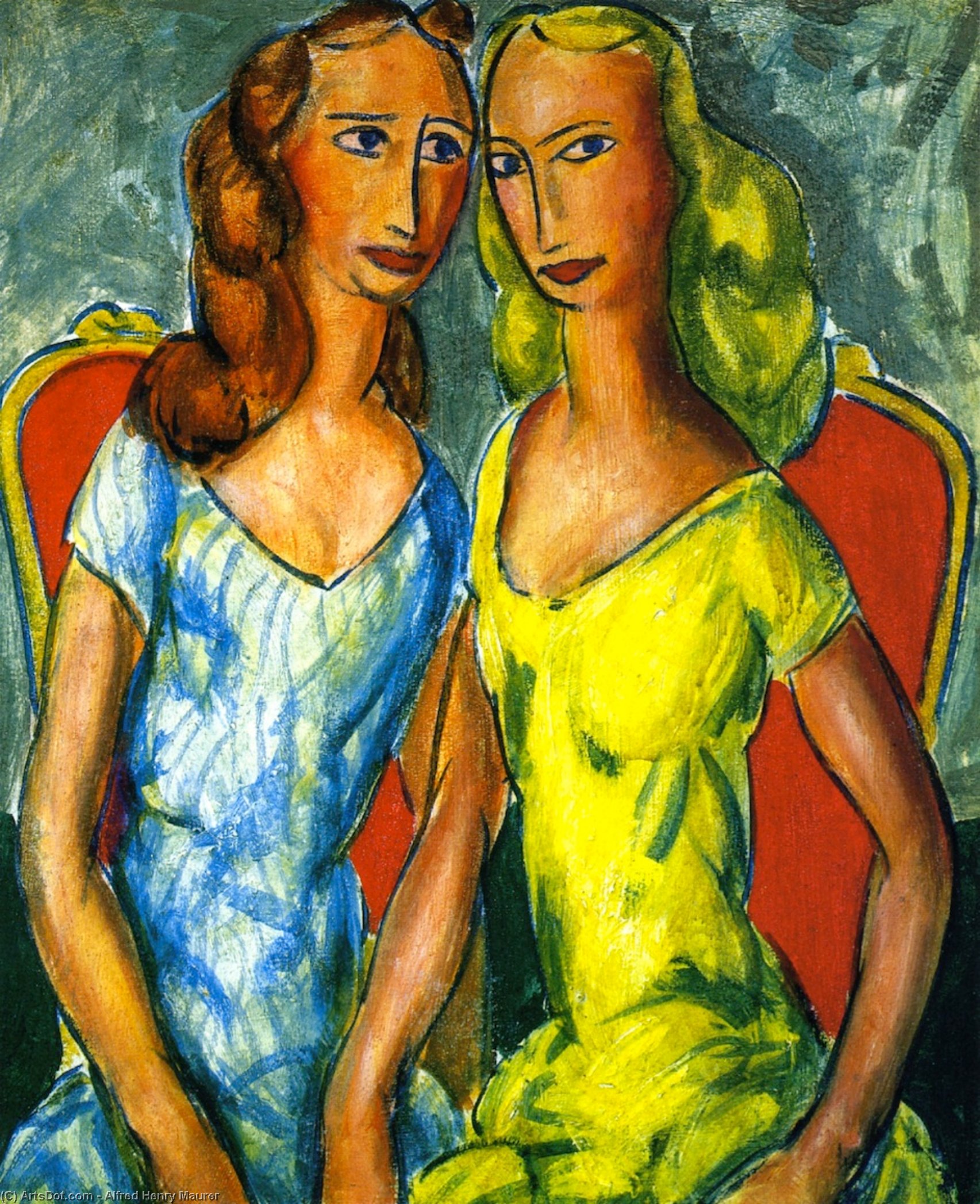
Two Sisters


 Ver mais
Reprodução em Óleo Feita à Mão
Óleo sobre tela pintado à mão no tamanho e moldura de sua escolha, feito sob encomenda pelos nossos artistas. ( Alternar para Impressão Ver Imagem Digital)




































Escolha entre os nossos tamanhos pré-definidos que respeitam as proporções originais da obra de arte.

Pode inserir as suas próprias dimensões para se adequar a uma moldura ou espaço específico. Se o tamanho selecionado não corresponder às proporções da imagem original, iremos cortar a obra de arte ou estender a pintura com elementos adicionais pintados à mão. Um esboço digital será enviado para sua aprovação antes do início da produção.
Tenha em atenção que a pré-visualização no ecrã não reflete o corte ou extensão real. Apenas o esboço mostrará com precisão a composição final.
Embora tamanhos personalizados estejam disponíveis, recomendamos selecionar uma dimensão da lista predefinida para preservar as proporções originais.
Após o pedido, a equipa OriginalUniqueArt.com enviará um e-mail ao cliente para solicitar instruções e fornecer uma prévia do esboço.
Entrega mundial () em 3 a 4 semanas, em vez das 5 semanas padrão. (25 Setembro). Sem comprometer a qualidade.

Envio expresso gratuito para todo o mundo

Tela de Linho Premium

Seguro de transporte total

Garantia de Reembolso de Impostos Alfandegários

Garantia de Fidelidade de Cor

Política de Devolução em 100 Dias (Apenas para Defeitos)

Garantia de reembolso de 100%

Desconto para múltiplas unidades
 A opção de vidro está disponível apenas para tamanhos inferiores a 110 cm

Two Sisters
Técnica de Reprodução
Dimensões da Reprodução
-


Preço Total
$ 300
A Quiet Intimacy Captured in Color
In the soft, evocative realm of Alfred Henry Maurer’s 1924 masterpiece, Two Sisters, we are invited into a private moment of shared existence. This exquisite fresco-style painting captures two women seated side by side, their presence anchored by the vibrant red cushions of their chairs. There is an undeniable sense of stillness in the composition, as if the viewer has stumbled upon a fleeting second of quiet contemplation between companions. Whether they are engaged in a whispered conversation or are both lost in the observation of a single, unseen object, the connection between them is palpable. The way they lean toward one another creates a closed circuit of intimacy, drawing the observer into their shared world and evoking a profound sense of companionship that transcends the canvas.
The visual language of the piece is a masterful study in balance and chromatic harmony. Maurer utilizes a striking palette where the primary colors dance in subtle dialogue; the sun-drenched yellow of one woman’s dress contrasts beautifully with the cool, serene blue of her sister's attire. These bold hues are grounded by the rhythmic pops of crimson from the chair cushions, which lend a structural vitality to the scene. Through his use of the fresco technique, Maurer achieves a unique texture that provides a tactile depth to the work, allowing the light to play across the surface as if the painting itself were breathing. The loose, expressive brushstrokes—reminiscent of the Impressionist and Modernist movements—soften the edges of reality, turning a simple portrait into a poetic meditation on light and form.
A Legacy of American Modernism
To understand the emotional weight of Two Sisters, one must look to the artistic journey of Alfred Henry Maurer himself. A product of the vibrant New York art scene and deeply influenced by his transformative years in Paris, Maurer was an artist who navigated the tension between tradition and the avant-garde. By 1924, his style had matured into a sophisticated blend of figurative precision and modern abstraction. This painting serves as a testament to his ability to capture the human essence through color and composition rather than mere anatomical accuracy. His work does not simply depict subjects; it captures an atmosphere, making it an ideal centerpiece for those looking to infuse a space with historical depth and emotional resonance.
For the discerning collector or interior designer, Two Sisters offers more than just aesthetic beauty; it offers a narrative of connection. The painting’s ability to harmonize bold, saturated colors with a gentle, intimate subject matter makes it a versatile choice for various high-end decor styles, from contemporary minimalism to classic traditionalism. Owning a high-quality, handmade oil reproduction of this work allows one to bring the spirit of early 20th-century American Modernism into the modern home. It is an invitation to pause, to reflect, and to surround oneself with the enduring beauty of a moment frozen in time, much like the two sisters who remain eternally connected within Maurer’s vision.
Biografia do Artista
Early Life and Training
Alfred Henry Maurer, born in New York City on April 21, 1868, entered a world where artistic expression was viewed with considerable skepticism by his father, Louis Maurer, a successful lithographer. This familial tension, ironically, fueled the young Alfred’s burgeoning passion for art. His early years were spent working in his father's lithographic firm, a practical experience that nonetheless ignited within him a deep yearning for creative pursuits beyond the confines of commercial illustration. At sixteen, he made the bold decision to leave school, embarking on a path that would ultimately lead him to Paris and a radical transformation of his artistic vision. A poignant self-portrait from this early Parisian period captures a youthful optimism—a sense of burgeoning confidence and a willingness to embrace the unknown. It’s a testament to the seeds of innovation already taking root within him.Parisian Influences and Artistic Breakthrough
In 1897, Maurer embarked on a pivotal journey to Paris, a city renowned as a crucible for artistic experimentation and innovation. For four years, he immersed himself in the vibrant Parisian art scene, joining a community of American and French artists—a melting pot of ideas and styles. He sought instruction at the Académie Julian, but found its rigid structure limiting; instead, he spent much of his time studying in the Louvre, meticulously copying masterpieces by Old Masters. This period was crucial for developing his eye and understanding of composition and technique. The culmination of this immersion arrived with *An Arrangement*, completed around 1901. This painting proved to be a watershed moment, garnering first prize at the prestigious Carnegie International Exhibition in Pittsburgh. The acclaim brought him immediate recognition as a rising talent—a validation that his father, despite his initial reservations, could not entirely dismiss. The work’s evocative use of color and fluid brushwork immediately drew comparisons to the innovative approaches of Whistler and Sargent, signaling Maurer's arrival on the American art scene.Shifting Styles and Challenges
Following his initial success, Maurer’s artistic direction underwent a dramatic shift. Influenced by figures like Gertrude and Leo Stein—who were themselves patrons of the avant-garde—he began to explore the radical aesthetics of Cubism and Fauvism. This stylistic evolution, however, proved controversial. While embracing these groundbreaking movements, Maurer faced increasing criticism from established critics and a decline in international recognition. His father’s continued disapproval added another layer of pressure, creating a challenging environment for an artist pushing against conventional boundaries. He struggled to reconcile his artistic vision with the expectations of his family and the prevailing tastes of the art world—a conflict that profoundly shaped his career trajectory.Key Achievements and Recognition
Maurer's commitment to artistic freedom and innovation led him to participate in several landmark exhibitions that defined the American Modernist movement. The 1913 Armory Show, a revolutionary event showcasing radical new art to an American audience, provided a platform for Maurer’s work alongside that of other pioneering artists. The “Forum Exhibition of Modern American Painters” (1916) further solidified his place within the modernist landscape, demonstrating his ability to engage with and contribute to the evolving dialogue surrounding contemporary art. In 1919, he achieved another significant milestone when he was elected Director of the Society of Independent Artists—a testament to his dedication to artistic autonomy and experimentation. Despite these accolades, Maurer’s career remained marked by financial instability and a lack of widespread commercial success during his lifetime.Later Life and Legacy
Maurer's later years were characterized by continued struggle and isolation. He retreated to a garret in his father’s house, far from the centers of artistic activity, and faced persistent challenges in securing recognition for his work. Tragically, he died by suicide on August 4, 1932, at the age of sixty-four—a poignant end to a life marked by both creative brilliance and profound personal hardship. However, Maurer’s legacy has endured. His paintings are now recognized as important examples of early American Modernism, bridging European avant-garde movements with a uniquely American sensibility. He represents the struggles and triumphs of artists who dared to challenge convention, paving the way for future generations of innovators. Alfred Henry Maurer's work continues to inspire, reminding us of the importance of artistic freedom, experimentation, and the enduring power of vision—a testament to an artist whose time was not fully appreciated during his lifetime but whose influence resonates powerfully today.
Alfred Henry Maurer
1868 - 1932 , Estados Unidos da América
Informações Rápidas
- Artistic Movement Or Style:
- Modernismo
- Fauvismo
- Cubismo
- Artists Or Movements Influenced By This Artist: ['Artistas vanguardistas americanos']
- Artists Who Influenced This Artist:
- Gertrude Stein
- Leo Stein
- Date Of Birth: 21 de abril de 1868
- Date Of Death: 4 de agosto de 1932
- Full Name: Alfred Henry Maurer
- Nationality: Americano
- Notable Artworks:
- An Arrangement
- Mulher em Jardim
- Praia de Rockaway
- Place Of Birth: Nova York, EUA
Artigos Relacionados
Azure Visions: Exploring Representations of the Blue Dress in Western Art History
Explore the rich history of the blue dress in Western art! Discover its symbolism, from Renaissance masterpieces to modern interpretations by artists like Martin & Schiele. Uncover cultural meanings and artistic techniques.

As 10 Obras Mais Famosas em Tons de Azul Ardósia | OriginalUniqueArt.com
Descubra as 10 pinturas mais emblemáticas em tons de azul ardósia! Explore a história, artistas como Monet e Van Gogh, e o significado da cor na arte. Encontre reproduções de alta qualidade para decorar sua casa com OriginalUniqueArt.com.
The Allure of Azure: Exploring the Symbolic & Aesthetic Depths of Blue in Art History
Explore the rich history of blue in art! Discover its symbolism, from ancient pigments to modern masterpieces by Kandinsky & Seurat. Uncover the psychological impact and cultural meanings behind this captivating hue.

Crimson Threads of Narrative: Exploring Symbolism & Representation in Artworks Featuring the Red Dress
Explore the rich symbolism of the red dress in art history! From ancient power displays to iconic portraits like Cézanne’s 'Madame Cezanne', discover the cultural and artistic significance behind this captivating color. Expert analysis & insights.
As 10 Obras Mais Famosas Dominadas pelo 'Amarelo Cromo': Arte e Decoração
Descubra as 10 pinturas mais famosas dominadas pelo vibrante 'amarelo cromo'! Explore a história de Van Gogh, Monet e outros mestres. Encontre reproduções de arte exclusivas para decorar sua casa com elegância em OriginalUniqueArt.com.