

 Visualizar em escala
 Enviar
 Compartilhar
 Ver detalhes
 Guia de Obras do Aluno

 Baixar imagem
 Semelhantes
 Raio X
 Apresentação de slides
 Estatísticas
Still Life with Pears


 Ver mais
Giclée / Impressão de Arte
Impressão giclée ou em tela de qualidade de museu, com produção rápida e opções flexíveis de acabamento. ( Encomendar reprodução pintada à mão Ver Imagem Digital)




P118B $10

P118H $10

P118W $10

P438Z $10

P508JH $12

P508YH $12

P805H $10

P805Z $10

P919BZ $10

P919G $10

P919XJ $10

P959ZH $10

P968JZ $12

W106C $8

W218G $10

W218JH $8

W218Y $10

W307PJ $10

W316G $10

W316PJ $8

W316Y $10

W398PJ $8

W4111J $10

W500HY $15

W500JH $15

W692G $12

W849H $8

W940BG $15

W953PJ $8




Escolha entre os nossos tamanhos pré-definidos que respeitam as proporções originais da obra de arte.

Você pode inserir suas próprias dimensões para se ajustar a uma moldura ou espaço específico. Se o tamanho selecionado não corresponder às proporções da imagem original, iremos recortar a obra de arte ou estender a imagem com uma borda espelhada ou preenchimento sólido. Um mockup digital será enviado para sua aprovação antes do início da produção.
Por favor, observe que a visualização na tela não reflete o recorte ou a extensão real. Apenas o mockup mostrará com precisão a composição final.
Embora tamanhos personalizados estejam disponíveis, recomendamos selecionar uma dimensão da lista predefinida para preservar as proporções originais.
Entrega mundial () em 2 semanas, em vez das 4/5 semanas padrão. (26 Setembro)

Envio expresso gratuito para todo o mundo

Tela de Linho Premium

Seguro de transporte total

Garantia de Reembolso de Impostos Alfandegários

Garantia de Fidelidade de Cor

Política de Devolução em 100 Dias (Apenas para Defeitos)

Garantia de reembolso de 100%

Desconto para múltiplas unidades
 A opção de vidro está disponível apenas para tamanhos inferiores a 110 cm

Still Life with Pears
Giclée / Impressão de Arte
Dimensões da Reprodução
-


Preço Total
$ 80
Alfred Henry Maurer: A Pioneer of American Modernist Abstraction
Alfred Henry Maurer (1868 – 1932) stands as an enigmatic figure in the annals of American art history, largely unrecognized during his lifetime but now celebrated for his groundbreaking contribution to Cubism and Fauvism. Born in New York City amidst a familial discord regarding artistic pursuits—his father vehemently opposed modern artistic expression—Maurer’s formative years instilled within him a profound fascination with experimentation and innovation that would define his entire career. Despite abandoning formal schooling at sixteen to join his father's lithographic firm, this practical experience served only to amplify his yearning for creative fulfillment.- Early Artistic Exploration: Maurer’s self-portrait from his Parisian period embodies youthful optimism and burgeoning artistic confidence—a testament to his unwavering determination to pursue his passions despite familial opposition.
- Parisian Influences: Spending four formative years in Paris between 1897 and 1901 proved instrumental in shaping Maurer’s artistic vision. He immersed himself in the vibrant Parisian art scene, engaging with fellow American and French artists and absorbing new ideas that would propel him toward stylistic breakthroughs.
“Still Life with Pears” – An Emblematic Cubist Composition
Maurer's masterpiece, “Still Life with Pears,” completed around 1930-31, exemplifies the core tenets of Cubism and Fauvism—two movements that revolutionized artistic expression at the turn of the century. The painting depicts a simple yet meticulously rendered arrangement of objects: a cup positioned on the left side of the canvas, a bowl centrally located, alongside bananas scattered across the upper right corner and lower left area. Apples punctuate both the top left and bottom right corners, while oranges occupy the right edge of the composition. This seemingly unassuming subject matter is transformed into an arresting visual experience through Maurer’s masterful use of color and geometric abstraction.- Color Palette: Maurer employed a bold palette characterized by intense hues—primarily yellows and reds—that departed dramatically from Impressionistic conventions. These colors weren't merely decorative; they served as conduits for emotional expression, conveying a sense of dynamism and immediacy.
- Geometric Fragmentation: The painting’s defining feature is its geometric fragmentation—a technique borrowed directly from Cubist principles. Maurer dissected the objects depicted into interlocking planes, presenting multiple perspectives simultaneously to challenge traditional notions of representation.
The Carnegie International Prize – Recognition of Innovation
“Still Life with Pears” achieved unparalleled acclaim at the 1901 Carnegie International Exhibition in Pittsburgh—winning first prize and establishing Maurer as a pivotal voice within American Modernist art. This prestigious honor underscored the significance of his stylistic innovations and cemented his legacy as one of the pioneers who ushered in a new era of artistic experimentation. The painting’s impact extended beyond its immediate recognition, influencing subsequent generations of artists and shaping the trajectory of abstract art movements throughout the 20th century. Maurer's unwavering commitment to exploring uncharted artistic territories—his willingness to defy convention and embrace radical stylistic approaches—continues to inspire admiration and scholarly inquiry today.Symbolism Beyond Representation
While ostensibly depicting commonplace objects, “Still Life with Pears” transcends mere visual realism. Maurer’s deliberate use of color and geometric abstraction serves as a vehicle for conveying deeper symbolic meanings—themes that resonate with viewers on an emotional level. The vibrant yellows and reds evoke feelings of warmth, energy, and passion, mirroring the artist's own fervent belief in the transformative power of art. Furthermore, the fractured planes of the composition symbolize the fragmentation of perception itself—a concept central to Cubist thought and reflecting Maurer’s desire to challenge viewers’ assumptions about how they interpret visual information. Conclusion: Alfred Henry Maurer’s “Still Life with Pears” remains a cornerstone of American Modernist art, embodying not only stylistic innovation but also intellectual rigor and emotional depth—a testament to the enduring power of artistic vision.Biografia do Artista
Early Life and Training
Alfred Henry Maurer, born in New York City on April 21, 1868, entered a world where artistic expression was viewed with considerable skepticism by his father, Louis Maurer, a successful lithographer. This familial tension, ironically, fueled the young Alfred’s burgeoning passion for art. His early years were spent working in his father's lithographic firm, a practical experience that nonetheless ignited within him a deep yearning for creative pursuits beyond the confines of commercial illustration. At sixteen, he made the bold decision to leave school, embarking on a path that would ultimately lead him to Paris and a radical transformation of his artistic vision. A poignant self-portrait from this early Parisian period captures a youthful optimism—a sense of burgeoning confidence and a willingness to embrace the unknown. It’s a testament to the seeds of innovation already taking root within him.Parisian Influences and Artistic Breakthrough
In 1897, Maurer embarked on a pivotal journey to Paris, a city renowned as a crucible for artistic experimentation and innovation. For four years, he immersed himself in the vibrant Parisian art scene, joining a community of American and French artists—a melting pot of ideas and styles. He sought instruction at the Académie Julian, but found its rigid structure limiting; instead, he spent much of his time studying in the Louvre, meticulously copying masterpieces by Old Masters. This period was crucial for developing his eye and understanding of composition and technique. The culmination of this immersion arrived with *An Arrangement*, completed around 1901. This painting proved to be a watershed moment, garnering first prize at the prestigious Carnegie International Exhibition in Pittsburgh. The acclaim brought him immediate recognition as a rising talent—a validation that his father, despite his initial reservations, could not entirely dismiss. The work’s evocative use of color and fluid brushwork immediately drew comparisons to the innovative approaches of Whistler and Sargent, signaling Maurer's arrival on the American art scene.Shifting Styles and Challenges
Following his initial success, Maurer’s artistic direction underwent a dramatic shift. Influenced by figures like Gertrude and Leo Stein—who were themselves patrons of the avant-garde—he began to explore the radical aesthetics of Cubism and Fauvism. This stylistic evolution, however, proved controversial. While embracing these groundbreaking movements, Maurer faced increasing criticism from established critics and a decline in international recognition. His father’s continued disapproval added another layer of pressure, creating a challenging environment for an artist pushing against conventional boundaries. He struggled to reconcile his artistic vision with the expectations of his family and the prevailing tastes of the art world—a conflict that profoundly shaped his career trajectory.Key Achievements and Recognition
Maurer's commitment to artistic freedom and innovation led him to participate in several landmark exhibitions that defined the American Modernist movement. The 1913 Armory Show, a revolutionary event showcasing radical new art to an American audience, provided a platform for Maurer’s work alongside that of other pioneering artists. The “Forum Exhibition of Modern American Painters” (1916) further solidified his place within the modernist landscape, demonstrating his ability to engage with and contribute to the evolving dialogue surrounding contemporary art. In 1919, he achieved another significant milestone when he was elected Director of the Society of Independent Artists—a testament to his dedication to artistic autonomy and experimentation. Despite these accolades, Maurer’s career remained marked by financial instability and a lack of widespread commercial success during his lifetime.Later Life and Legacy
Maurer's later years were characterized by continued struggle and isolation. He retreated to a garret in his father’s house, far from the centers of artistic activity, and faced persistent challenges in securing recognition for his work. Tragically, he died by suicide on August 4, 1932, at the age of sixty-four—a poignant end to a life marked by both creative brilliance and profound personal hardship. However, Maurer’s legacy has endured. His paintings are now recognized as important examples of early American Modernism, bridging European avant-garde movements with a uniquely American sensibility. He represents the struggles and triumphs of artists who dared to challenge convention, paving the way for future generations of innovators. Alfred Henry Maurer's work continues to inspire, reminding us of the importance of artistic freedom, experimentation, and the enduring power of vision—a testament to an artist whose time was not fully appreciated during his lifetime but whose influence resonates powerfully today.
Alfred Henry Maurer
1868 - 1932 , Estados Unidos da América
Informações Rápidas
- Artistic Movement Or Style:
- Modernismo
- Fauvismo
- Cubismo
- Artists Or Movements Influenced By This Artist: ['Artistas vanguardistas americanos']
- Artists Who Influenced This Artist:
- Gertrude Stein
- Leo Stein
- Date Of Birth: 21 de abril de 1868
- Date Of Death: 4 de agosto de 1932
- Full Name: Alfred Henry Maurer
- Nationality: Americano
- Notable Artworks:
- An Arrangement
- Mulher em Jardim
- Praia de Rockaway
- Place Of Birth: Nova York, EUA
Artigos Relacionados
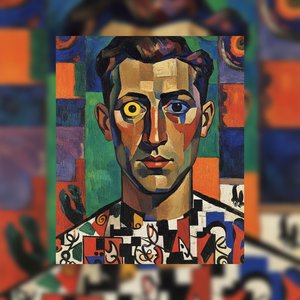
Alfred Henry Maurer: Reassessing the Pioneer of American Modernist Abstraction
Explore the groundbreaking work of Alfred Henry Maurer, a pivotal figure in American Modernism. Discover his Fauvist & Cubist paintings and understand his lasting influence on abstract art. Expert analysis for collectors.
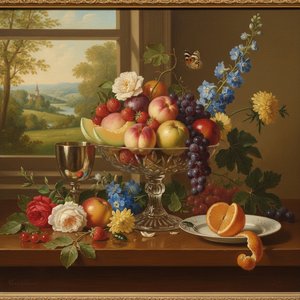
Severin Roesen: Evoking National Identity Through American Still Life Painting
Explore the captivating world of Severin Roesen, a major American still life painter influenced by Dutch masters. Discover his lush compositions and the symbolism within his art – a window into 19th-century America.

As 25 Obras-Primas de Alfred Munnings: Arte Equina e a Alma Inglesa | OriginalUniqueArt
Descubra as 25 obras-primas de Alfred Munnings, o mestre da pintura equina e da alma inglesa. Explore a história, técnica e beleza atemporal de cada quadro. Reproduções de arte exclusivas em OriginalUniqueArt.com! Explore a coleção online.

Alfred Jacob Miller: Chronicling the American West Through Artistic Observation & Narrative
Explore the captivating art of Alfred Jacob Miller, chronicler of the American West. Discover his iconic paintings, techniques & lasting legacy – a valuable addition to any serious collection. Learn more at OriginalUniqueArt.
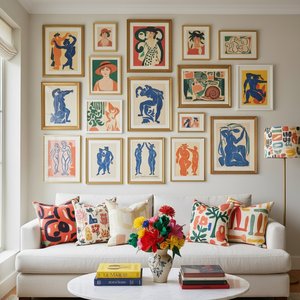
Henri Matisse: As 25 Obras-Primas que Definem um Mestre da Cor | OriginalUniqueArt
Descubra as 25 obras-primas de Henri Matisse que revolucionaram a arte moderna! Explore o Fauvismo, cores vibrantes e a história por trás dos quadros mais famosos do artista. Encontre reproduções de alta qualidade para decorar sua casa com OriginalUniqueArt.com.