

 Visualizar na parede
 Compartilhar
 Compartilhar
 Detalhes
 Guia
Guia

 Baixar imagem
 Semelhantes
 Raio X
 Ver diaporama
 Q&A
Q&A Estatísticas
Étagère


 Ler mais
Giclée / Impressão de Arte
Impressão giclée ou em tela de qualidade de museu, com produção rápida e opções flexíveis de acabamento. ( Comprar pintura feita à mão Alternar para Imagem Digital)




P118B €10

P118H €10

P118W €10

P438Z €10

P508JH €12

P508YH €12

P805H €10

P805Z €10

P919BZ €10

P919G €10

P919XJ €10

P959ZH €10

P968JZ €12

W106C €8

W218G €10

W218JH €8

W218Y €10

W307PJ €10

W316G €10

W316PJ €8

W316Y €10

W398PJ €8

W4111J €10

W500HY €15

W500JH €15

W692G €12

W849H €8

W940BG €15

W953PJ €8




Escolha entre os nossos tamanhos pré-definidos que respeitam as proporções originais da obra de arte.

Insira a largura e a altura desejadas para se ajustarem à sua moldura ou parede. Uma impressão pode ser apenas cortada, nunca ampliada além da imagem original; portanto, um tamanho com proporções diferentes resultará na perda de parte da imagem. Enviamos uma maquete digital para sua aprovação antes de realizarmos a impressão. A imagem exibida nesta página não mostra o corte real — apenas a maquete o faz.
Entrega mundial () em 2 semanas, em vez das 4/5 semanas padrão. (28 Outubro)

Envio expresso gratuito para todo o mundo

Tela de Linho de Alta Qualidade

Seguro de transporte completo

Garantia de Reembolso de Impostos Alfandegários

Garantia de Fidelidade Cromática

Política de Devolução em 100 Dias (Apenas para Defeitos)

Garantia de reembolso de 100%

Oferta de desconto por quantidade
 A opção de vidro está disponível apenas para tamanhos inferiores a 110 cm

Étagère
Giclée / Impressão de Arte
Tamanho da Reprodução
-


Preço Total
€ 71
Étagère Alexandre Roux: Uma Elegância Rococo Revivida
A beleza austera e sofisticada da étagère de Alexandre Roux permanece como um testemunho da maestria artesanal francesa do século XIX e uma influência marcante na estética residencial americana. Esta peça singular, meticulosamente esculpida em madeira nobre – provavelmente jacarandá ou rosewood – exemplifica o estilo Rococo Revival, uma tendência que buscava reviver os exuberantes padrões ornamentais da França Régence do século XVIII. Mais do que apenas um objeto de decoração, a étagère representa uma época de refinamento e riqueza, capturada em detalhes impecáveis pela visão artística de Roux.- Origem Artística: Alexandre Roux (1813-1886) foi um renomado escultor francês que estabeleceu seu atelier em Nova York, onde produziu obras de arte excepcionais e influenciou profundamente o estilo americano do século XIX. Sua formação inicial na tradição artesanal francesa contrastava com sua posterior adaptação à cultura americana, criando uma perspectiva única sobre as tendências estéticas da época.
- Estilo Rococo Revival: Roux abraçou o estilo Rococo Revival, caracterizado por curvas elegantes, ornamentação elaborada e uso abundante de materiais preciosos como madeira nobre e vidro colorido. Esta estética buscava emular os modelos franceses da Régence, celebrando a beleza natural e a riqueza sensorial.
- Detalhes Técnicos: A obra demonstra um alto nível de habilidade na reprodução dos intrincados detalhes da escultura em madeira, utilizando técnicas como o uso de glazes para criar profundidade e luminosidade. Os escultores trabalhavam com precisão e cuidado para garantir que cada peça fosse uma verdadeira obra de arte.
- Contexto Histórico: A étagère surgiu durante um período de grande transformação social e econômica nos Estados Unidos, refletindo o desejo por objetos de arte sofisticados e elegantes que simbolizassem o sucesso e o bom gosto dos proprietários. Era um reflexo da cultura aristocrática e intelectual da época.
- Inspiração: Roux encontrou inspiração na beleza clássica da escultura francesa e italiana, buscando emular os estilos mais importantes da história da arte para criar obras que fossem tanto elegantes quanto significativas. Sua obra é uma homenagem à tradição artística europeia e um testemunho do talento artístico de sua época.
A Étagère como Símbolo de Elegância e Riqueza
Além de seu valor estético, a étagère simboliza valores importantes da sociedade francesa do século XIX: o apreço pela beleza natural, o domínio das artes decorativas e o desejo por objetos de arte que fossem símbolos de status social e riqueza pessoal. Ela representa uma época em que o estilo de vida aristocrático era considerado um sinal de inteligência e educação, refletindo os ideais culturais da época. Observação: Esta étagère é considerada uma obra-prima do estilo Rococo Revival americano, destacando-se pela qualidade dos materiais utilizados e pela maestria técnica empregada na sua criação. Sua presença em espaços internos transmite uma sensação de sofisticação e elegância, evocando memórias da beleza clássica e da riqueza aristocrática.A Étagère no Museu Metropolitano de Arte
Uma cópia desta étagère está presente no Museu Metropolitano de Arte em Nova York, onde é admirada por visitantes de todo o mundo. Esta obra de arte excepcional demonstra como a estética francesa do século XIX influenciou o estilo residencial americano e como os artistas franceses continuam inspirando criadores contemporâneos. É um exemplo perfeito da beleza clássica e da maestria artesanal que caracterizam a história da arte.Conclusão
A étagère Alexandre Roux permanece como uma obra de arte emblemática do estilo Rococo Revival americano, celebrando valores importantes da sociedade francesa do século XIX e inspirando artistas contemporâneos. Sua beleza estética e simbolismo cultural garantem que ela continue sendo apreciada por gerações futuras.Perguntas e Respostas
Que sentimento transmite "Étagère", de Alexandre Roux?
Em "Étagère", um clima Elegante acompanha uma emoção Serenidade.
Posso ver "Étagère", de Alexandre Roux na minha própria parede antes de comprar?
Visualize "Étagère", de Alexandre Roux na sua própria parede através da página de Prévia em RA da obra, utilizando realidade aumentada em um dispositivo compatível.
De onde vêm os visitantes de "Étagère", de Alexandre Roux?
A página Estatísticas de "Étagère", de Alexandre Roux apresenta estatísticas de visitas públicas: o número de visitas mensais desta obra, uma comparação com as obras mais visualizadas do artista e a origem dos seus visitantes.
Biografia do Artista
Alexandre Roux: The Parisian Cabinetmaker Who Shaped American Style
Born in the heart of Paris in 1813, Alexandre Roux’s journey from a skilled craftsman to a celebrated furniture maker in New York City is a testament to ambition, talent, and an astute understanding of evolving aesthetic tastes. Initially trained within the traditional workshops of his native France, Roux’s career took a pivotal turn when he immigrated to America in 1844, establishing himself as a prominent figure in the burgeoning world of American furniture design. His legacy isn't defined by grand, revolutionary movements but rather by a consistent dedication to exquisite detail and a masterful command of the Rococo Revival style – a style that profoundly influenced the interiors of wealthy homes across the United States during the mid-19th century.
Roux’s early life instilled in him a deep appreciation for craftsmanship. While specific details about his family are scarce, it's clear he was raised within a lineage of artisans, absorbing techniques and an inherent understanding of materials. This foundation proved invaluable as he navigated the challenges of establishing a business in a new country. New York City, with its rapid growth and influx of European immigrants, presented both opportunities and competition. Roux quickly distinguished himself through his commitment to quality, utilizing premium materials like black walnut and incorporating intricate carvings that echoed the elegance of 18th-century France. His workshops became renowned for producing furniture that was not merely functional but also a statement of refined taste – a direct reflection of the Rococo Revival’s emphasis on ornamentation, curves, and luxurious finishes.
Notable Works and Artistic Style
Roux's work is characterized by an almost obsessive attention to detail. He wasn’t simply replicating historical styles; he was interpreting them with a distinctly American sensibility. His pieces often featured elaborate motifs – shells, scrolls, floral patterns – meticulously carved into the wood and finished with lustrous varnish. The “Parlor Cabinet,” perhaps his most celebrated creation, exemplifies this perfectly. This stunning piece showcases Roux's ability to seamlessly blend intricate designs with exquisite materials, creating a work that is both visually arresting and remarkably tactile. The inclusion of a bowl on one side and a mirror on the other adds an element of surprise and sophistication, demonstrating Roux’s understanding of how furniture could function as a sculptural object within a room.
Beyond the Parlor Cabinet, works like “Still Life Fish” offer further insight into Roux's artistic approach. While categorized as an oil painting, this piece reveals his keen eye for texture and light – qualities he undoubtedly translated to his furniture designs. The meticulous rendering of scales and reflections suggests a desire to capture not just the appearance but also the essence of the subject matter. This attention to realism, combined with a subtle impressionistic touch, sets Roux apart from purely academic painters.
Influence and Historical Context
Alexandre Roux’s rise coincided with a significant shift in American interior design. Following the War of 1812, there was a renewed interest in European styles, particularly those of the French monarchy. The Rococo Revival, characterized by its ornate detailing and emphasis on luxury, became immensely popular among wealthy Americans seeking to emulate the elegance of European aristocracy. Roux’s furniture played a crucial role in shaping this trend, providing a tangible link to the past while simultaneously reflecting the aspirations of the burgeoning American elite.
His work was showcased at the 1853 New York Crystal Palace Exhibition, a pivotal event that brought together innovations from across the globe. This exposure undoubtedly solidified Roux’s reputation and contributed to the growing demand for his furniture. The commission from the Astor family—a testament to his skill—further elevated his status within the American design community.
Legacy and Recognition
While Alexandre Roux may not be as widely recognized as some of his contemporaries, his contributions to American furniture design are undeniable. His pieces can be found in prestigious collections such as the Musée Baron Gérard in Bayeux, France, a testament to their enduring quality and artistic merit. The Metropolitan Museum of Art also holds an example of his work – a sideboard that provides valuable insight into his craftsmanship and stylistic choices. His influence extends beyond individual pieces; Roux helped establish a precedent for American furniture makers who sought to blend European tradition with local sensibilities, ultimately shaping the evolution of American design.
Alexandre Roux’s story is one of transatlantic ambition, artistic dedication, and a profound understanding of the power of beauty. His legacy lives on in the exquisite furniture he created – pieces that continue to inspire admiration for their craftsmanship, elegance, and enduring appeal.

Alexandre Roux
1813 - 1886 , France
Dados Rápidos
- Full Name: Alexandre Roux
- Nationality: French
- Date Of Birth: 1813
- Date Of Death: 1886
- Place Of Birth: Paris, France
- Notable Artworks:
- Parlor Cabinet
- Still life fish
- Artistic Movement Or Style: Rococo Revival, Victorian Furniture
Artigos Relacionados

The Elegance of Rococo: A Journey Through Pastel Dreams and Ornate Splendor
Embark on an elegant journey through the Rococo era. Discover the delicate beauty of pastel masterpieces, the intricate artistry of 18th-century French masters, and how this era of ornate splendor continues to inspire timeless luxury in fine art collecting.

The Rococo Aesthetic: Opulence, Rebellion & the Pursuit of Pleasure in 18th-Century Art
Explore the opulent world of Rococo art! Discover its origins, key artists like Watteau & Boucher, and lasting influence on design. Expert insights for collectors & enthusiasts.
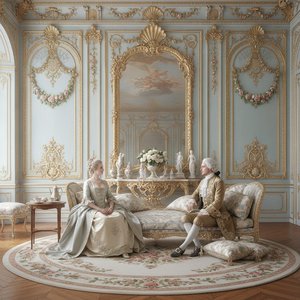
Rococo Art Guide: Elegance, Ornamentation, and the Era of Luxury
Explore the elegance of Rococo art. From Watteau to Fragonard, discover the history, aesthetics, and masters of 18th-century luxury in this expert guide for art lovers and collectors.

Rococo Art Guide: Integrating Elegant Curves and Pastel Opulence into Luxury Hotel Design
Master the Rococo aesthetic for luxury hospitality. Our expert guide explores integrating pastel palettes, ornate curves, and large-scale fine art reproductions into high-end hotel design through professional procurement and custom canvas solutions.

Rococó: 10 Obras-Primas que Definiram um Movimento Artístico Elegante | OriginalUniqueArt.com
Descubra as 10 obras-primas do Rococó! Explore a elegância de Fragonard, Boucher e Watteau. A arte do século XVIII ganha vida com cores pastel e detalhes luxuosos. Encontre reproduções de alta qualidade em OriginalUniqueArt.com.
