Text size

() ·

A painting made for you, by hand

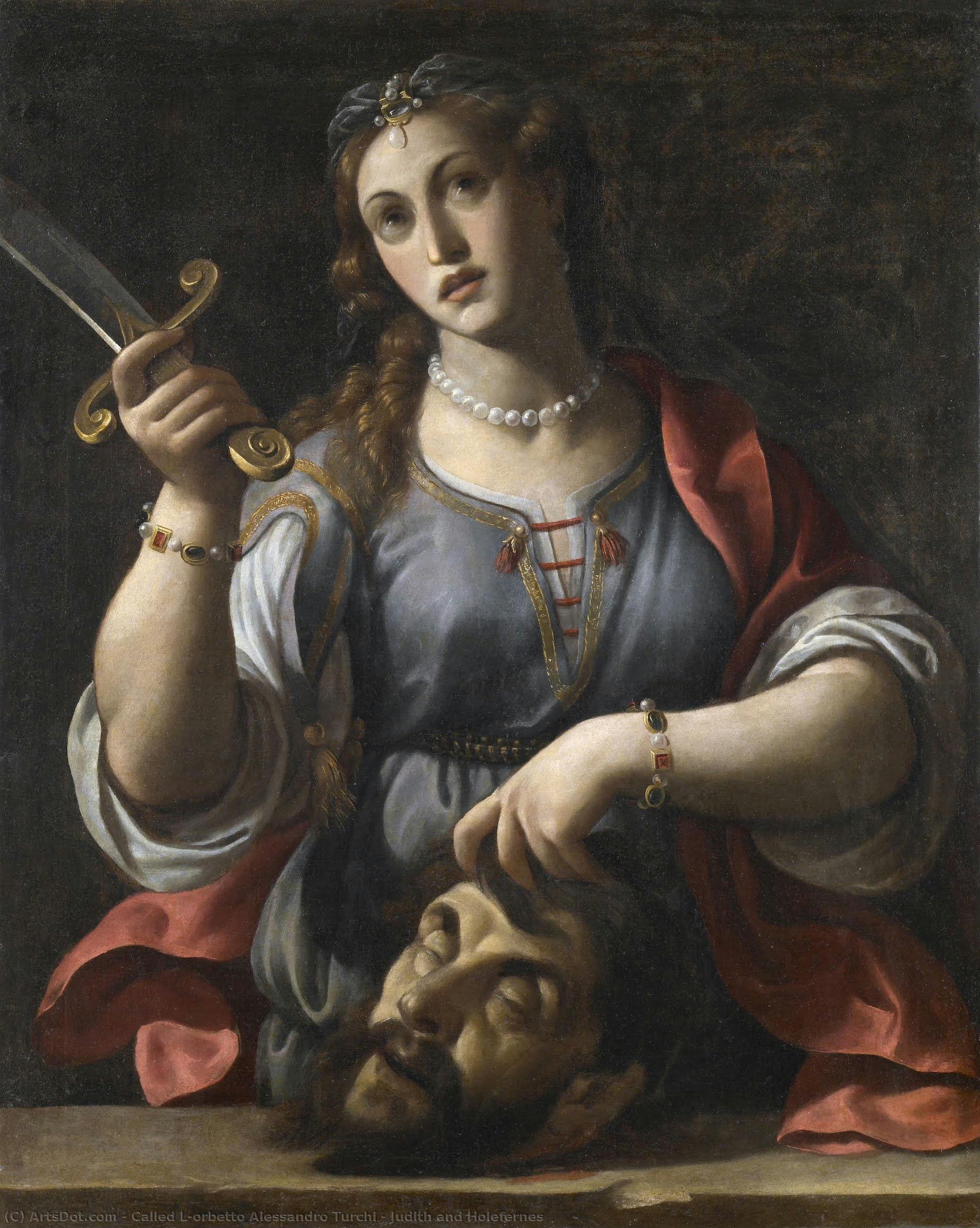
Judith and Holefernes

Reprodução em Óleo Feita à Mão

Óleo sobre tela pintado à mão no tamanho e moldura de sua escolha, feito sob encomenda pelos nossos artistas. ( Alternar para Impressão Alternar para Imagem Digital)

Descrição do Item

Explore 'Judith and Holofernes' by L'Orbetto Turchi – a dramatic Baroque oil painting featuring intense chiaroscuro & realistic detail. Discover this captivating work by Italian master.

Biografia do Artista

Descubra Alessandro Turchi (L'Orbetto), mestre barroco italiano conhecido por seu estilo suave e dramático, que combina o caravaggesco com a graça lírica. Explore obras históricas e religiosas de Verona & Roma.

from ·

Chapter 1

How large should it be?

Slide to change the size; the picture on the left shows the frame at its real width. The proportions of the original are kept.

Tamanho padrão
personalizado
CM
INCH

Escolha entre os nossos tamanhos pré-definidos que respeitam as proporções originais da obra de arte.

largura
altura

Insira a largura e a altura desejadas para se ajustarem à sua moldura ou parede. Como esta obra é pintada à mão, para um tamanho com proporções diferentes, o artista poderá pintar um pouco mais ao redor da imagem ou reduzir ligeiramente a composição — você escolhe. Enviamos uma maquete digital para sua aprovação antes de iniciar a pintura. A imagem exibida nesta página não representa o resultado real — apenas a maquete mostra o resultado final.

Chapter 2

How should it arrive?

Choose the edges of the stretched canvas

Choose your frame

Corner sample of the WhiteWrap canvas edge finish, stretched on madeira maciça bars
White €1
Corner sample of the BlurSideWrap canvas edge finish, stretched on madeira maciça bars
Blurside €1
Corner sample of the ExtendedWrap canvas edge finish, stretched on madeira maciça bars
Extended €1
Corner sample of the P118B picture frame: poliestireno moldado, 5 cm wide and 3 cm thick
P118B €10
Corner sample of the P118H picture frame: poliestireno moldado, 5 cm wide and 3 cm thick
P118H €10
Corner sample of the P118W picture frame: poliestireno moldado, 5 cm wide and 3 cm thick
P118W €10
Corner sample of the P438Z picture frame: poliestireno moldado, 5.5 cm wide and 3.5 cm thick
P438Z €10
Corner sample of the P508JH picture frame: poliestireno moldado, 7 cm wide and 3.5 cm thick
P508JH €12
Corner sample of the P508YH picture frame: poliestireno moldado, 7 cm wide and 3.5 cm thick
P508YH €12
Corner sample of the P805H picture frame: poliestireno moldado, 5 cm wide and 3.5 cm thick
P805H €10
Corner sample of the P805Z picture frame: poliestireno moldado, 5 cm wide and 3.5 cm thick
P805Z €10
Corner sample of the P919BZ picture frame: poliestireno moldado, 7 cm wide and 3.5 cm thick
P919BZ €10
Corner sample of the P919G picture frame: poliestireno moldado, 7 cm wide and 3.5 cm thick
P919G €10
Corner sample of the P919XJ picture frame: poliestireno moldado, 7 cm wide and 3.5 cm thick
P919XJ €10
Corner sample of the P959ZH picture frame: poliestireno moldado, 5 cm wide and 3 cm thick
P959ZH €10
Corner sample of the P968JZ picture frame: poliestireno moldado, 6 cm wide and 4 cm thick
P968JZ €12
Corner sample of the W106C picture frame: madeira maciça, 5 cm wide and 3 cm thick
W106C €8
Corner sample of the W218G picture frame: madeira maciça, 5 cm wide and 3 cm thick
W218G €10
Corner sample of the W218JH picture frame: madeira maciça, 5 cm wide and 3 cm thick
W218JH €8
Corner sample of the W218Y picture frame: madeira maciça, 5 cm wide and 3 cm thick
W218Y €10
Corner sample of the W307PJ picture frame: madeira maciça, 6 cm wide and 3 cm thick
W307PJ €10
Corner sample of the W316G picture frame: madeira maciça, 6 cm wide and 3 cm thick
W316G €10
Corner sample of the W316PJ picture frame: madeira maciça, 6 cm wide and 3 cm thick
W316PJ €8
Corner sample of the W316Y picture frame: madeira maciça, 6 cm wide and 3 cm thick
W316Y €10
Corner sample of the W398PJ picture frame: madeira maciça, 5 cm wide and 3 cm thick
W398PJ €8
Corner sample of the W4111J picture frame: madeira maciça, 6.5 cm wide and 3.5 cm thick
W4111J €10
Corner sample of the W500HY picture frame: madeira maciça, 7 cm wide and 5 cm thick
W500HY €15
Corner sample of the W500JH picture frame: madeira maciça, 7 cm wide and 5 cm thick
W500JH €15
Corner sample of the W692G picture frame: madeira maciça, 8 cm wide and 4 cm thick
W692G €12
Corner sample of the W849H picture frame: madeira maciça, 5 cm wide and 3 cm thick
W849H €8
Corner sample of the W940BG picture frame: madeira maciça, 7.5 cm wide and 4.5 cm thick
W940BG €15
Corner sample of the W953PJ picture frame: madeira maciça, 6 cm wide and 3.5 cm thick
W953PJ €8
Corner sample of the H24-GOLD picture frame: madeira entalhada com gesso, 10 cm wide and 6 cm thick
H24-GOLD €30
Corner sample of the H24-SILVER picture frame: madeira entalhada com gesso, 10 cm wide and 6 cm thick
H24-SILVER €30
Corner sample of the H36-GOLD picture frame: madeira entalhada com gesso, 15 cm wide and 6.5 cm thick
H36-GOLD €45
Corner sample of the H36-SILVER picture frame: madeira entalhada com gesso, 15 cm wide and 6.5 cm thick
H36-SILVER €45
Prévia da moldura
Com moldura

Moulding: . Overall size with the frame: .

Chapter 3

Who paints it, and should anything change?

Examples of what can be changed: Replace face with customer photo; Add pet (e.g., replace cat with dog); Include hidden message in background; Change background landscape or elements.
After order, OriginalUniqueArt.com team will email client for instructions and provide a mockup preview

Entrega mundial () em 3 a 4 semanas, em vez das 5 semanas padrão. (1 Novembro). Sem comprometer a qualidade.

Chapter 4

The finishing touches

A nameplate, as in a museum?

Detalhes da Placa de Bronze Gravada

This elegant plaque features the artist's name and the title of the artwork, finely engraved for a timeless presentation.

It is made from bronze with a refined, elegant finish. The text is precisely laser-engraved for a sharp and permanent result. Measuring 9x2 cm, the plaque is compact yet easy to read. It's built to be durable and scratch-resistant, offering a professional, museum-quality look. Mounting is simple thanks to the included adhesive backing.

Detalhes da Placa de Acrílico Transparente

The plaque includes essential engraved details such as the artist's name, the title of the artwork, the date it was created, the type of media used-like oil on canvas or watercolor-a brief description of the piece, and a QR code that links to the complete artwork information.

It is crafted from clear acrylic, offering a sleek, modern appearance. The text is UV-engraved in black to ensure strong visual contrast. With a size of 10x15 cm, it ensures optimal readability. It comes equipped with two metal hooks for secure wall mounting. The plaque is designed to be weather-resistant, making it suitable for various environments, and it includes interactive features that work seamlessly with smartphone scanning.

Detalhes da Placa de Acrílico Preto

This elegant plaque includes engraved information such as the artist's name, the title of the artwork, the date it was created, the type of media used (like oil on canvas or watercolor), a short description of the artwork, and a QR code for quick access to more information.

The plaque itself is made from refined black acrylic with a premium finish. The text is laser-engraved in white for high contrast and readability. Its size is 10x15 cm, designed to be easy to read. It comes with two metal hooks for professional mounting. The design is sleek and fits any interior style. It is also weather-resistant and durable, with built-in digital integration for mobile compatibility.

A protective varnish?

When do you need it?

Chapter 5

Your painting, as you ordered it

Judith and Holefernes

Técnica de Reprodução

Tamanho da Reprodução

-

Artista Sênior de Elite

Mais detalhes, refinamento e tempo de produção adicional

-

Moldura para Reprodução

-

-

Para obras de arte ou reproduções com mais de 105 cm (aproximadamente 41 polegadas) em qualquer um dos lados, a moldura será enviada como um kit desmontado. Este método garante uma entrega segura e evita danos durante o transporte.

Montagem profissional necessária — este não é um produto DIY (faça você mesmo).
O kit deve ser montado e a tela esticada por um profissional de molduraria experiente, utilizando cola de madeira (não inclusa), um alicate de esticar tela e grampos para manter as travessas alinhadas enquanto a cola seca. A montagem incorreta ou a tensão desigual da tela podem danificar permanentemente a obra de arte e não estão cobertas pela nossa garantia.

  • Todas as barras de madeira maciça estão incluídas, precisamente cortadas ao tamanho certo.

  • Montado com os parafusos fornecidos, além de cola para madeira para as junções dos cantos, que não está inclusa e deve ser providenciada pelo seu moldurista.

  • São necessárias ferramentas profissionais não incluídas: um alicate de estiramento de tela (esticador) e grampos para manter as ripas alinhadas enquanto a cola seca.

Importante:
As junções dos cantos requerem cola para madeira, as ripas devem ser mantidas com grampos até que a cola esteja completamente seca, e o estiramento da tela na moldura montada requer um alicate de esticar tela. Nenhum destes itens está incluído no kit. Por favor, certifique-se de contar com um profissional de molduraria experiente antes de encomendar este tamanho.

Etiqueta de identificação

-

-

Verniz de Proteção

Verniz brilhante (realça as cores e protege contra a luz e a umidade)

-

Personalizar minha obra

Exemplos de alterações possíveis: Substituir o rosto por uma foto do cliente; Adicionar um animal de estimação (ex.: substituir gato por cachorro); Incluir uma mensagem oculta no fundo; Alterar a paisagem ou os elementos do fundo.

-

Urgente

Entrega mundial () em 3 a 4 semanas, em vez das 5 semanas padrão. (1 Novembro). Sem comprometer a qualidade.

-

Envio Expresso

Entrega mundial para em 5 semanas. (8 Novembro).

Com envio incluído

Preço Total

€ 267

Preço Total € 267

A opção de vidro está disponível apenas para tamanhos inferiores a 110 cm

Included with every order

  • Envio expresso gratuito para todo o mundo
  • Tela de Linho de Alta Qualidade
  • Seguro de transporte completo
  • Garantia de Reembolso de Impostos Alfandegários
  • Garantia de Fidelidade Cromática
  • Política de Devolução em 100 Dias (Apenas para Defeitos)
  • Garantia de reembolso de 100%
  • Oferta de desconto por quantidade

A Masterpiece of Baroque Tension

In the shadowy corridors of art history, few moments capture the visceral intersection of violence and virtue as poignantly as Alessandro Turchi’s Judith and Holofernes. Painted around 1605, this monumental oil on canvas serves as a breathtaking window into the Roman Baroque era, a period defined by its theatricality and profound psychological depth. The scene depicts the climactic biblical moment where Judith, a Jewish heroine of unparalleled courage, executes the Assyrian king Holofernes to save her people from oppression. Turchi does not merely record a historical or religious event; he invites the viewer into a space of intense emotional confrontation, where the air feels heavy with the scent of iron and the weight of divine retribution.

The composition is masterfully anchored by Judith herself, whose presence dominates the foreground with an almost chilling composure. Clad in opulent fabrics—a pristine white blouse accented by crimson trim and draped in a flowing blue garment—she stands as a beacon of light against an indistinct, dark background. This use of chiaroscuro, the dramatic interplay between light and shadow, is a hallmark of Turchi’s style, drawing the eye irresistibly toward the central drama. As she holds aloft the severed head of her enemy, her expression remains remarkably steady, blending a sense of solemn duty with an unwavering resolve that transcends simple vengeance.

Technique and the Language of Light

To gaze upon this work is to witness the technical prowess of a Veronese master. Turchi employs a sophisticated layered oil painting technique, building up textures that make the tactile world of the painting feel palpable. One can almost feel the smoothness of the pearls adorning Judith’s neck and the heavy, luxurious folds of her drapery. The artist’s brushstrokes are deliberate and precise, used to render the gruesome reality of Holofernes’s demise with a realism that is both unsettling and beautiful. This balance between the grotesque and the graceful is what elevates the piece from a mere narrative illustration to a high-art triumph.

The lighting in the piece acts as a silent narrator, originating from above to cast dramatic shadows that define the contours of the figures and create a profound sense of volume. This light does more than illuminate; it sanctifies the act of resistance, casting Judith in a heroic glow while leaving the fallen king in the encroaching darkness of death. For collectors and interior designers, such a piece offers more than just visual interest; it provides a focal point of immense character, capable of anchoring a room with its sophisticated palette and commanding presence.

Symbolism and Lasting Emotional Resonance

Beyond the immediate shock of the decapitation, Judith and Holofernes is a rich tapestry of symbolic meaning. The severed head serves as a potent emblem of mortality and the inevitable defeat of tyranny, while Judith herself embodies the triumph of faith and justice over brute force. The jewelry and fine clothing she wears are not merely decorative; they represent the dignity of her cause and the grandeur of the moment, suggesting that even in the midst of carnage, there is a divine order being restored.

For those seeking to surround themselves with art that provokes thought and stirs the soul, Turchi’s vision offers an unparalleled experience. A high-quality reproduction of this work allows the drama of the Baroque to inhabit modern spaces, bringing a sense of history, gravity, and timeless elegance to any collection. It is a piece that demands attention, inviting continuous re-examination of its themes of courage, sacrifice, and the enduring struggle between light and shadow.

Perguntas e Respostas

Os direitos autorais de "Judith and Holefernes", de Alessandro Turchi permitem reproduções?

A obra original "Judith and Holefernes" encontra-se no Fondazione Brescia Musei, e a obra está em em domínio público — seus direitos autorais expiraram.

Qual é a intensidade das cores em "Judith and Holefernes", de Alessandro Turchi?

A intensidade de cor de "Judith and Holefernes" é Monochromatic. A intensidade descreve o quão vibrantes as cores parecem ser.

Qual é o nível de contraste de "Judith and Holefernes", de Alessandro Turchi?

"Judith and Holefernes", de Alessandro Turchi apresenta um contraste Balanced entre suas áreas claras e escuras.

More about this painting

Visualizar na parede Visualizar em RA Alternar para Impressão Alternar para Imagem Digital Compartilhar
Detalhes Guia Adicionar aos favoritos Baixar imagem Semelhantes Raio X Ver diaporama Q&A Estatísticas

In numbers

  • 29frames to choose from
  • standard sizes, in its own proportions
  • 5weeks to paint and deliver it
Alessandro Turchi

Alessandro Turchi

1578 - 1649, Itália

Quick facts about Alessandro Turchi

  • Artistic Movement Or Style: Barroco Inicial
  • Artists Or Movements Influenced By This Artist:
    • Giovanni Ceschini
    • Giovanni B. Rossi
  • Artists Who Influenced This Artist:
    • Felice Riccio
    • Carlo Cagliari
  • Date Of Birth: 1578
  • Date Of Death: 1649
  • Full Name: Alessandro Turchi
  • Nationality: Italiano
  • Notable Artworks:
    • Assunção
    • Cristo...
    • Julgamento
  • Place Of Birth: Verona, Itália

Biografia do Artista

A Veronese Master in the Roman Baroque: The Life and Art of Alessandro Turchi

Alessandro Turchi, affectionately known as “L’Orbetto” – the little urchin – was a pivotal figure bridging the late Mannerist traditions of Verona with the burgeoning drama of the early Roman Baroque. Born in 1578 into a Verona touched by artistic fervor, Turchi's journey reflects a fascinating interplay between regional styles and the magnetic pull of Rome’s artistic innovations. His initial training under Felice Riccio (il Brusasorci), a prominent Veronese painter, laid a solid foundation in technique and composition. This apprenticeship instilled within him a meticulous approach to form and a sensitivity to color that would characterize his early works. By 1603, Turchi had established himself as an independent artist, quickly gaining recognition for his emerging talent. A significant early commission – the organ shutters for the Accademia Filarmonica of Verona (1606-1609) – demonstrated not only his technical skill but also his versatility in handling large-scale decorative projects. This period solidified his position within the Veronese art scene, preparing him for a broader artistic horizon.

From Verona to Rome: A Blossoming Career

The death of Felice Riccio in 1605 proved a turning point. Turchi, alongside Pasquale Ottino, stepped forward to complete several canvases left unfinished by their master, an act that further honed his skills and cemented his reputation within the artistic community. This collaborative effort wasn’t merely about finishing existing works; it was a crucial period of learning and refinement, allowing Turchi to absorb Riccio's stylistic nuances while simultaneously developing his own unique voice. His ambition soon led him beyond Verona. By 1616, he had ventured to Rome, the epicenter of artistic innovation, where he quickly became immersed in the vibrant atmosphere of papal patronage and artistic competition. His involvement in the fresco decoration of the Sala Reggia at the Quirinal Palace – depicting the Gathering of Manna – marked his arrival on the Roman stage. This commission brought him into contact with leading artists of the day and exposed him to the dramatic intensity that defined the emerging Baroque style. A particularly notable achievement during this period was *Christ, Magdalen, and Angels*, commissioned by Cardinal Scipione Borghese, a powerful patron known for his discerning taste and support of artistic talent.

A Synthesis of Styles: Caravaggism and Grace

Turchi’s artistic style is remarkably distinctive – a compelling blend of softness and dramatic intensity. While deeply influenced by the works of Carlo Cagliari and, crucially, his early mentor Felice Riccio, he didn't simply imitate their styles. Instead, he forged a unique path that set him apart from his contemporaries. The influence of Caravaggio is undeniable; Turchi masterfully employed *chiaroscuro* – the dramatic use of light and shadow – to create a sense of theatricality and emotional depth in his paintings. However, unlike some of Caravaggio’s more starkly realistic depictions, Turchi tempered this intensity with a lyrical grace and a refined sensitivity to color. His figures possess a sculptural quality, yet they are imbued with a gentle humanity that softens the dramatic impact. This ability to balance these seemingly opposing forces – drama and delicacy – is what defines his artistic signature. He frequently employed black marble as a background in his historical scenes, creating a striking contrast that further enhanced the emotional power of his compositions. His works often featured allegorical themes, rendered with an elegance that belied their dramatic subject matter.

Major Works and Recognition

Turchi’s career spanned several decades, during which he produced a diverse body of work encompassing religious altarpieces, historical paintings, and decorative panels. Among his most celebrated achievements are the organ shutters for the Accademia Filarmonica in Verona (1606-1609), demonstrating his early mastery of composition and color; the *Assumption* altarpiece for the church of San Luca in Verona (1610), a testament to his skill in depicting religious figures with grace and dignity; and the *Judgment of Paris*, a monumental work that exemplifies his synthesis of Caravaggesque drama and classical elegance. His involvement in decorating the Sala Reggia at the Quirinal Palace in Rome, alongside artists like Pietro da Cortona and Andrea Sacchi, solidified his reputation as one of the leading painters of his time. In 1637, he was elected “Principe” – director – of the Accademia di San Luca, a prestigious institution that served as a center for artistic innovation and patronage in Rome. This honor reflected his influence within the Roman art world and underscored his commitment to fostering the development of young artists.

Legacy and Influence

Alessandro Turchi’s legacy extends beyond his individual works. He was a generous mentor, nurturing the talents of several promising young painters, including Giovanni Ceschini and Giovanni Battista Rossi (il Gobbino), both of whom continued to practice in Verona. His artistic principles – particularly his ability to fuse dramatic intensity with lyrical grace – profoundly influenced subsequent generations of Italian Baroque artists. Though many of his works were lost or dispersed over the centuries, Turchi’s paintings continue to be admired for their beauty, emotional depth, and technical mastery. He remains a significant figure in the history of Venetian and Roman art, embodying the dynamic interplay between regional traditions and the transformative power of artistic innovation. His work stands as a reminder that true artistry lies not only in skill but also in the ability to capture the essence of human experience with both passion and sensitivity.

Informações Rápidas

  • Movement: Baroque
  • Medium: Pen, ink and chalk on paper
  • Dimensions: 22.9 x 32.1 cm.
  • Location: Nasjonalmuseet
  • Subject or theme: Death; Judgment; Revenge
  • Artistic style: Classical oil painting

Quiz de Arte

Cada pergunta possui apenas uma resposta correta.

Pergunta 1:
What artistic movement is Alessandro Turchi’s Judith and Holofernes primarily associated with?
Pergunta 2:
The painting utilizes a technique known as chiaroscuro. What is chiaroscuro?
Pergunta 3:
What symbolic significance does the severed head represent in Judith and Holofernes?
Pergunta 4:
The artist’s style is characterized by layering oil paint to build up texture. Why is this technique important?
Pergunta 5:
Where was Alessandro Turchi’s Judith and Holofernes created?
Explore obras de arte organizadas por temas, estilos e características.



































