

 Visualizar em escala
 Enviar
 Compartilhar
 Ver detalhes
 Guia
Guia

 Baixar imagem
 Semelhantes
 Raio X
 Apresentação de slides
 Estatísticas
Harbour View with Triumphal Arch
 1650
1650 81.0 x 126.0 cm
 Rijksdienst Beeldende Kunst
 Ver mais
Giclée / Impressão de Arte
Impressão giclée ou em tela de qualidade de museu, com produção rápida e opções flexíveis de acabamento. ( Encomendar reprodução pintada à mão Ver Imagem Digital)




































Escolha entre os nossos tamanhos pré-definidos que respeitam as proporções originais da obra de arte.

Você pode inserir suas próprias dimensões para se ajustar a uma moldura ou espaço específico. Se o tamanho selecionado não corresponder às proporções da imagem original, iremos recortar a obra de arte ou estender a imagem com uma borda espelhada ou preenchimento sólido. Um mockup digital será enviado para sua aprovação antes do início da produção.
Por favor, observe que a visualização na tela não reflete o recorte ou a extensão real. Apenas o mockup mostrará com precisão a composição final.
Embora tamanhos personalizados estejam disponíveis, recomendamos selecionar uma dimensão da lista predefinida para preservar as proporções originais.
Entrega mundial () em 2 semanas, em vez das 4/5 semanas padrão. (21 Setembro)

Envio expresso gratuito para todo o mundo

Tela de Linho Premium

Seguro de transporte total

Garantia de Reembolso de Impostos Alfandegários

Garantia de Fidelidade de Cor

Política de Devolução em 100 Dias (Apenas para Defeitos)

Garantia de reembolso de 100%

Desconto para múltiplas unidades
 A opção de vidro está disponível apenas para tamanhos inferiores a 110 cm

Harbour View with Triumphal Arch
Giclée / Impressão de Arte
Dimensões da Reprodução
-


Preço Total
$ 80
Biografia do Artista
Alessandro Salucci (1590 – 1657): The Architect of Illusion
Alessandro Salucci, born in Florence around 1590, emerged as a pivotal figure within the Florentine Baroque landscape—a painter who distinguished himself not merely for his artistic skill but for his groundbreaking approach to architectural illusion. Unlike many of his contemporaries who focused on realistic depictions of buildings and spaces, Salucci pioneered the “capriccio,” an imaginative genre that blended observation with fantasy, transforming ordinary views into fantastical compositions brimming with symbolic meaning. His work reflects a profound engagement with humanist ideals and a fascination for classical antiquity, shaping him as one of the most important artists of his time.- Early Life & Training: Salucci’s formative years were spent in Florence under the tutelage of Pietro Paolo Marinelli, honing his artistic abilities and absorbing the stylistic currents prevalent during the Renaissance. This early exposure instilled a meticulous attention to detail combined with an innate understanding of perspective—skills that would prove invaluable throughout his career.
- Rome & Collaborations: Salucci’s relocation to Rome in 1628 marked a significant turning point, propelling him into the epicenter of artistic innovation and establishing enduring partnerships with fellow luminaries like Jan Miel and Michelangelo Cerquozzi. These collaborations were particularly fruitful in the creation of “imaginary architectural subjects,” where Salucci skillfully employed illusionistic techniques—primarily aerial perspective—to conjure breathtaking vistas that defied conventional realism.
- Villa Sacchetti Frescoes: His involvement in decorating Villa Sacchetti, commissioned by Cardinal Scipione Borghese, showcased his mastery of fresco painting and cemented his reputation as a visionary artist. The monumental frescoes depicting the River Nile and Rhône exemplify Salucci’s ambition to elevate architectural representations beyond mere imitation, transforming them into vehicles for conveying complex narratives and philosophical ideas.
- Accademia di San Luca & Artistic Legacy: Membership in Accademia di San Luca underscored Salucci's commitment to artistic excellence and fostered a vibrant intellectual environment conducive to experimentation and innovation. His influence extended far beyond his immediate circle, inspiring subsequent generations of painters who embraced the capriccio as a means of expressing imaginative vision.
- Notable Works & Recognition: Among Salucci’s most celebrated achievements are the four “Imaginary Architectural Perspectives” undertaken jointly with Miel—a testament to their collaborative spirit and artistic prowess. These paintings, housed in prestigious museums across Europe, continue to captivate viewers with their ethereal beauty and masterful illusionistic techniques. Furthermore, his frescoes adorning S Maria in Vallicella and Sant’Alessandro della Croce stand as enduring symbols of Florentine Baroque artistry and religious devotion.
The Capriccio Genre & Illusionistic Technique
Salucci's contribution to art history resides primarily in his pioneering exploration of the capriccio genre—a stylistic innovation that fundamentally altered the conventions of landscape painting. Unlike traditional depictions aimed at conveying accurate topographical representations, capricci prioritized imaginative vision and symbolic interpretation. Salucci skillfully manipulated aerial perspective—the gradual blurring of distant objects due to atmospheric haze—to create landscapes that seemed simultaneously grounded in observation and imbued with fantastical grandeur. This technique allowed him to transcend the limitations of realism, transporting viewers into realms of dreamlike beauty and conveying profound philosophical concepts.- Aerial Perspective: Salucci’s masterful use of aerial perspective—characterized by subtle gradations of color and luminosity—transformed ordinary views into breathtaking vistas that defied conventional realism.
- Symbolic Representation: The capriccio genre served as a conduit for conveying complex narratives and philosophical ideas, reflecting Salucci's humanist sensibilities and his engagement with classical antiquity.
- Blending Observation & Fantasy: Salucci’s approach seamlessly integrated meticulous observation of natural phenomena with imaginative embellishments—a hallmark of the capriccio style that distinguishes it from more literal depictions.
Influence & Historical Significance
Alessandro Salucci's artistic legacy extends far beyond his individual masterpieces, shaping the trajectory of Baroque landscape painting and establishing him as a pivotal figure within Florentine cultural history. His innovative technique—particularly aerial perspective—became a cornerstone of the capriccio genre, influencing countless artists who sought to elevate landscape representations beyond mere imitation. Moreover, Salucci’s engagement with humanist ideals and classical antiquity resonated deeply with his contemporaries, reflecting the broader intellectual currents that characterized the Baroque era. Today, Salucci's paintings continue to inspire admiration for their beauty and sophistication—serving as enduring symbols of Florentine artistic excellence and demonstrating the transformative power of imaginative vision.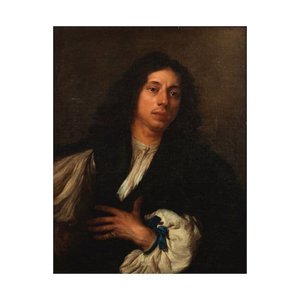
alessandro salucci
1590 - 1657 , Italy
Informações Rápidas
- Artistic Movement Or Style: Baroque
- Artists Or Movements Influenced By This Artist: ['Gian Lorenzo Bernini']
- Artists Who Influenced This Artist:
- Michelangelo Cerquozzi
- Jan Miel
- Date Of Birth: Florence, Italy (1590)
- Date Of Death: 1657
- Full Name: Alessandro Salucci
- Nationality: Italian
- Notable Artworks:
- Harbour View with Triumphal Arch
- View with a Scene of a Sacrifice
- Place Of Birth: Florence