() ·

Uma pintura feita para você, à mão

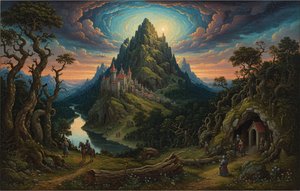
Nativity

Reprodução em Óleo Feita à Mão

Óleo sobre tela pintado à mão no tamanho e moldura de sua escolha, feito sob encomenda pelos nossos artistas. ( Alternar para Impressão Alternar para Imagem Digital)

Descrição do Item

Albrecht Altdorfer’s dramatic ‘Nativity’ (1513) depicts a chaotic rescue from hell in a subterranean landscape. Explore this Baroque-influenced oil painting's depth, symbolism & intense detail.

Biografia do Artista

Albrecht Altdorfer (1480-1538): Pioneiro da paisagem renascentista alemã, figura chave da Escola do Danúbio. Explore suas gravuras, obras religiosas e visão artística inovadora.

de ·

Capítulo 1

Qual deve ser o tamanho?

Deslize para alterar o tamanho; a imagem à esquerda mostra a moldura em sua largura real. As proporções originais são mantidas.

Tamanho padrão
personalizado
CM
INCH

Escolha entre os nossos tamanhos pré-definidos que respeitam as proporções originais da obra de arte.

largura
altura

Insira a largura e a altura desejadas para se ajustarem à sua moldura ou parede. Como esta obra é pintada à mão, para um tamanho com proporções diferentes, o artista poderá pintar um pouco mais ao redor da imagem ou reduzir ligeiramente a composição — você escolhe. Enviamos uma maquete digital para sua aprovação antes de iniciar a pintura. A imagem exibida nesta página não representa o resultado real — apenas a maquete mostra o resultado final.

Capítulo 2

Como deve chegar?

Escolha as bordas da tela esticada

Escolha sua moldura

Corner sample of the WhiteWrap canvas edge finish, stretched on madeira maciça bars
Branco €1
Corner sample of the BlurSideWrap canvas edge finish, stretched on madeira maciça bars
Bordas esfumaçadas €1
Corner sample of the ExtendedWrap canvas edge finish, stretched on madeira maciça bars
Bordas estendidas €1
Corner sample of the P118B picture frame: poliestireno moldado, 5 cm wide and 3 cm thick
P118B €10
Corner sample of the P118H picture frame: poliestireno moldado, 5 cm wide and 3 cm thick
P118H €10
Corner sample of the P118W picture frame: poliestireno moldado, 5 cm wide and 3 cm thick
P118W €10
Corner sample of the P438Z picture frame: poliestireno moldado, 5.5 cm wide and 3.5 cm thick
P438Z €10
Corner sample of the P508JH picture frame: poliestireno moldado, 7 cm wide and 3.5 cm thick
P508JH €12
Corner sample of the P508YH picture frame: poliestireno moldado, 7 cm wide and 3.5 cm thick
P508YH €12
Corner sample of the P805H picture frame: poliestireno moldado, 5 cm wide and 3.5 cm thick
P805H €10
Corner sample of the P805Z picture frame: poliestireno moldado, 5 cm wide and 3.5 cm thick
P805Z €10
Corner sample of the P919BZ picture frame: poliestireno moldado, 7 cm wide and 3.5 cm thick
P919BZ €10
Corner sample of the P919G picture frame: poliestireno moldado, 7 cm wide and 3.5 cm thick
P919G €10
Corner sample of the P919XJ picture frame: poliestireno moldado, 7 cm wide and 3.5 cm thick
P919XJ €10
Corner sample of the P959ZH picture frame: poliestireno moldado, 5 cm wide and 3 cm thick
P959ZH €10
Corner sample of the P968JZ picture frame: poliestireno moldado, 6 cm wide and 4 cm thick
P968JZ €12
Corner sample of the W106C picture frame: madeira maciça, 5 cm wide and 3 cm thick
W106C €8
Corner sample of the W218G picture frame: madeira maciça, 5 cm wide and 3 cm thick
W218G €10
Corner sample of the W218JH picture frame: madeira maciça, 5 cm wide and 3 cm thick
W218JH €8
Corner sample of the W218Y picture frame: madeira maciça, 5 cm wide and 3 cm thick
W218Y €10
Corner sample of the W307PJ picture frame: madeira maciça, 6 cm wide and 3 cm thick
W307PJ €10
Corner sample of the W316G picture frame: madeira maciça, 6 cm wide and 3 cm thick
W316G €10
Corner sample of the W316PJ picture frame: madeira maciça, 6 cm wide and 3 cm thick
W316PJ €8
Corner sample of the W316Y picture frame: madeira maciça, 6 cm wide and 3 cm thick
W316Y €10
Corner sample of the W398PJ picture frame: madeira maciça, 5 cm wide and 3 cm thick
W398PJ €8
Corner sample of the W4111J picture frame: madeira maciça, 6.5 cm wide and 3.5 cm thick
W4111J €10
Corner sample of the W500HY picture frame: madeira maciça, 7 cm wide and 5 cm thick
W500HY €15
Corner sample of the W500JH picture frame: madeira maciça, 7 cm wide and 5 cm thick
W500JH €15
Corner sample of the W692G picture frame: madeira maciça, 8 cm wide and 4 cm thick
W692G €12
Corner sample of the W849H picture frame: madeira maciça, 5 cm wide and 3 cm thick
W849H €8
Corner sample of the W940BG picture frame: madeira maciça, 7.5 cm wide and 4.5 cm thick
W940BG €15
Corner sample of the W953PJ picture frame: madeira maciça, 6 cm wide and 3.5 cm thick
W953PJ €8
Corner sample of the H24-GOLD picture frame: madeira entalhada com gesso, 10 cm wide and 6 cm thick
H24-GOLD €30
Corner sample of the H24-SILVER picture frame: madeira entalhada com gesso, 10 cm wide and 6 cm thick
H24-SILVER €30
Corner sample of the H36-GOLD picture frame: madeira entalhada com gesso, 15 cm wide and 6.5 cm thick
H36-GOLD €45
Corner sample of the H36-SILVER picture frame: madeira entalhada com gesso, 15 cm wide and 6.5 cm thick
H36-SILVER €45
Prévia da moldura
Com moldura

Moldura: . Dimensões totais com a moldura: .

Capítulo 3

Quem o pinta, e deveria algo mudar?

Exemplos do que pode ser alterado: Substituir o rosto pela foto do cliente; Adicionar um animal de estimação (ex: substituir gato por cachorro); Incluir uma mensagem oculta no fundo; Alterar a paisagem ou elementos do fundo.
Após o pedido, a equipe da OriginalUniqueArt.com enviará um e-mail ao cliente para instruções e fornecerá uma prévia da montagem

Entrega mundial () em 3 a 4 semanas, em vez das 5 semanas padrão. (9 Novembro). Sem comprometer a qualidade.

Capítulo 4

Os retoques finais

Uma placa de identificação, como em um museu?

Detalhes da Placa de Bronze Gravada

This elegant plaque features the artist's name and the title of the artwork, finely engraved for a timeless presentation.

It is made from bronze with a refined, elegant finish. The text is precisely laser-engraved for a sharp and permanent result. Measuring 9x2 cm, the plaque is compact yet easy to read. It's built to be durable and scratch-resistant, offering a professional, museum-quality look. Mounting is simple thanks to the included adhesive backing.

Detalhes da Placa de Acrílico Transparente

The plaque includes essential engraved details such as the artist's name, the title of the artwork, the date it was created, the type of media used-like oil on canvas or watercolor-a brief description of the piece, and a QR code that links to the complete artwork information.

It is crafted from clear acrylic, offering a sleek, modern appearance. The text is UV-engraved in black to ensure strong visual contrast. With a size of 10x15 cm, it ensures optimal readability. It comes equipped with two metal hooks for secure wall mounting. The plaque is designed to be weather-resistant, making it suitable for various environments, and it includes interactive features that work seamlessly with smartphone scanning.

Detalhes da Placa de Acrílico Preto

This elegant plaque includes engraved information such as the artist's name, the title of the artwork, the date it was created, the type of media used (like oil on canvas or watercolor), a short description of the artwork, and a QR code for quick access to more information.

The plaque itself is made from refined black acrylic with a premium finish. The text is laser-engraved in white for high contrast and readability. Its size is 10x15 cm, designed to be easy to read. It comes with two metal hooks for professional mounting. The design is sleek and fits any interior style. It is also weather-resistant and durable, with built-in digital integration for mobile compatibility.

Um verniz protetor?

Para quando você precisa?

Capítulo 5

A sua pintura, conforme encomendada

Nativity

Técnica de Reprodução

Tamanho da Reprodução

-

Artista Sênior de Elite

Mais detalhes, refinamento e tempo de produção adicional

-

Moldura para Reprodução

-

-

Para obras de arte ou reproduções com mais de 105 cm (aproximadamente 41 polegadas) em qualquer um dos lados, a moldura será enviada como um kit desmontado. Este método garante uma entrega segura e evita danos durante o transporte.

Montagem profissional necessária — este não é um produto DIY (faça você mesmo).
O kit deve ser montado e a tela esticada por um profissional de molduraria experiente, utilizando cola de madeira (não inclusa), um alicate de esticar tela e grampos para manter as travessas alinhadas enquanto a cola seca. A montagem incorreta ou a tensão desigual da tela podem danificar permanentemente a obra de arte e não estão cobertas pela nossa garantia.

  • Todas as barras de madeira maciça estão incluídas, precisamente cortadas ao tamanho certo.

  • Montado com os parafusos fornecidos, além de cola para madeira para as junções dos cantos, que não está inclusa e deve ser providenciada pelo seu moldurista.

  • São necessárias ferramentas profissionais não incluídas: um alicate de estiramento de tela (esticador) e grampos para manter as ripas alinhadas enquanto a cola seca.

Importante:
As junções dos cantos requerem cola para madeira, as ripas devem ser mantidas com grampos até que a cola esteja completamente seca, e o estiramento da tela na moldura montada requer um alicate de esticar tela. Nenhum destes itens está incluído no kit. Por favor, certifique-se de contar com um profissional de molduraria experiente antes de encomendar este tamanho.

Etiqueta de identificação

-

-

Verniz de Proteção

Verniz brilhante (realça as cores e protege contra a luz e a umidade)

-

Personalizar minha obra

Exemplos de alterações possíveis: Substituir o rosto por uma foto do cliente; Adicionar um animal de estimação (ex.: substituir gato por cachorro); Incluir uma mensagem oculta no fundo; Alterar a paisagem ou os elementos do fundo.

-

Urgente

Entrega mundial () em 3 a 4 semanas, em vez das 5 semanas padrão. (9 Novembro). Sem comprometer a qualidade.

-

Envio Expresso

Entrega mundial para em 5 semanas. (16 Novembro).

Com envio incluído

Preço Total

€ 312

Preço Total € 312

A opção de vidro está disponível apenas para tamanhos inferiores a 110 cm

Incluído em todos os pedidos

  • Envio expresso gratuito para todo o mundo
  • Tela de Linho de Alta Qualidade
  • Seguro de transporte completo
  • Garantia de Reembolso de Impostos Alfandegários
  • Garantia de Fidelidade Cromática
  • Política de Devolução em 100 Dias (Apenas para Defeitos)
  • Garantia de reembolso de 100%
  • Oferta de desconto por quantidade

A Dramatic Descent: Albrecht Altdorfer’s “Nativity”

Albrecht Altdorfer's "Nativity," painted around 1513, isn’t merely a depiction of the birth of Christ; it’s a visceral plunge into a realm of profound spiritual struggle and ultimately, fragile hope. This remarkable oil painting, now housed in the National Gallery of Art, stands as a pivotal work, marking a significant shift in European art history – Altdorfer is widely considered one of the first artists to truly embrace landscape as an independent subject, elevating it from mere backdrop to integral participant within the narrative.

The scene unfolds within a subterranean cavern, a chaotic and intensely dramatic space rendered with breathtaking detail. It’s a world sculpted from crumbling architecture, fiery flames licking at shadowed walls, and a palpable sense of impending doom. Yet, amidst this torment, a small group – a woman kneeling before a prone figure (traditionally interpreted as Christ), attended by two men struggling to lift him upwards – embodies the core themes of rescue and redemption. The composition is deliberately complex, layered with multiple figures engaged in desperate attempts at salvation, creating an immersive experience for the viewer that feels both claustrophobic and expansive.

A Baroque Vision Rooted in Northern Tradition

Altdorfer’s style defies easy categorization, yet it firmly resides within the burgeoning German Renaissance while simultaneously drawing heavily from the dramatic intensity of late Gothic and early mannerist traditions. The influence of the Baroque is undeniable – the dynamic composition, the heightened emotionalism, and the masterful use of light and shadow all point to this powerful movement. However, Altdorfer’s work retains a distinctly Northern sensibility, characterized by a ruggedness and an earthy quality that contrasts with the more polished aesthetics prevalent in Italy at the time. The brushwork is deliberately rough and uneven, lending a sense of immediacy and urgency to the scene – it feels as though we are witnessing this struggle unfold before our very eyes.

Technically, Altdorfer employs a layering technique, building up color and texture through multiple applications of oil paint. This creates a rich, almost sculptural surface, particularly evident in the depiction of the flames and the crumbling architecture. The use of perspective is subtly distorted, contributing to the overall feeling of unease and disorientation – it’s not a realistic portrayal but rather an emotionally charged interpretation of the biblical narrative. The color palette leans heavily towards warm tones—reds, oranges, and browns—creating a sense of heat, danger, and desperate urgency, punctuated by the cool blues and purples of the shadows.

Symbolism of Suffering and Salvation

Beyond its immediate visual impact, “Nativity” is laden with symbolic meaning. The subterranean setting immediately evokes themes of suffering, darkness, and the underworld – a direct reference to the biblical accounts of Christ’s death and resurrection. The figures attempting to rescue the prone figure represent humanity's struggle against despair and the desperate yearning for salvation. The angels ascending through the opening in the ceiling symbolize divine intervention and the promise of redemption. The chaotic landscape itself can be interpreted as a metaphor for the human condition – a world fraught with challenges, dangers, and uncertainties.

Notably, Altdorfer’s work reflects the broader anxieties of his time, grappling with questions of faith, mortality, and the relationship between humanity and God. The painting's power lies not just in its dramatic depiction of a biblical event but also in its exploration of universal themes—the struggle against adversity, the search for meaning, and the enduring hope for salvation. It’s a testament to Altdorfer’s ability to transform a familiar story into a profoundly moving and unforgettable work of art.

Perguntas e Respostas

Com qual sentimento "Nativity" está associada?

O tom emocional registrado para "Nativity", de Albrecht Altdorfer é Melancholic. Ele resume o sentimento que a obra expressa.

Quais cores predominam em "Nativity", de Albrecht Altdorfer?

"Nativity", de Albrecht Altdorfer utiliza uma paleta Earthy, com Phthalo Green (#2c1514) como cor dominante.

Que emoção a obra "Nativity" do Baroque transmite?

Dentro do movimento Baroque, "Nativity" é registrada com um tom Melancholic.

Saiba mais sobre esta pintura

Visualizar na parede Visualizar em RA Alternar para Impressão Alternar para Imagem Digital Compartilhar
Detalhes Guia Adicionar aos favoritos Baixar imagem Semelhantes Raio X Ver diaporama Perguntas e Respostas Estatísticas

Em números

  • 1513o ano em que foi pintada
  • 29molduras para escolher
  • tamanhos padrão, em suas próprias proporções
  • 5semanas para pintar e entregar
Albrecht Altdorfer

Albrecht Altdorfer

1480 - 1538, Alemanha

Informações rápidas sobre Albrecht Altdorfer

  • Artistic Movement Or Style: Escola do Danúbio
  • Artists Or Movements Influenced By This Artist: ['Romantismo Alemão']
  • Artists Who Influenced This Artist:
    • Giorgione
    • Lucas Cranach
  • Date Of Birth: c. 1480
  • Date Of Death: 1538
  • Full Name: Albrecht Altdorfer
  • Nationality: Alemão
  • Notable Artworks:
    • Batalha de Alexandre
    • Grande Bétula
  • Place Of Birth: Regensburg, Alemanha

Biografia do Artista

Albrecht Altdorfer: A Pioneer of German Renaissance Landscape

Albrecht Altdorfer, born around 1480 in the vibrant city of Regensburg, Germany, stands as a monumental figure bridging the late Gothic era and the burgeoning German Renaissance. He wasn’t merely an artist *of* his time; he fundamentally reshaped its artistic trajectory, particularly through his groundbreaking exploration of landscape painting. Rooted in a family deeply intertwined with artistic tradition—his father, Ulrich Altdorfer, was himself a painter and miniaturist—Altdorfer swiftly distinguished himself not as a follower, but as an innovator, driven by a unique vision that would forever alter the course of German art. Regensburg, strategically positioned on the Danube River, served as his formative crucible, imbuing his work with a profound connection to the natural world and the spirit of its bustling, multicultural environment. Beyond his artistic pursuits, Altdorfer was a man of civic responsibility, diligently serving as both town architect and a respected member of Regensburg’s council—a testament to his remarkably versatile talents. Yet, it is through his art – particularly his early engravings and drawings from around 1506, such as *Stygmata of St. Francis* and *St. Jerome* – that he first unveiled his distinctive voice, hinting at the intense emotionality and meticulous detail that would characterize his mature style.

The Danube School and a Revolutionary Vision

Altdorfer’s place in art history is inextricably linked to the Danube School, an influential collective of artists active throughout southern Germany during the early 16th century. This artistic circle shared a common passion: elevating landscape from its traditional role as mere background to become a central subject worthy of independent exploration. Before Altdorfer's pioneering work, landscapes primarily functioned as settings for religious or historical narratives; he dared to depict nature *for itself*, imbuing it with atmosphere and profound emotional resonance. A pivotal journey down the Danube River and into the dramatic Alps around 1511 served as a transformative catalyst for his artistic development. The breathtaking vistas—the dense forests, towering mountains, and turbulent rivers—ignited within him an unyielding passion for capturing nature’s beauty and power with unprecedented fidelity and emotional depth. He essentially became one of the first modern landscape painters, not simply replicating what he saw but conveying a visceral *experience* – a sense of awe, mystery, and even spiritual connection to the natural world. This wasn't merely topographical accuracy; it was about translating the feeling of being immersed within a landscape onto canvas. Works like “The Large Spruce” exemplify this shift, offering a serene yet intricate depiction of nature’s beauty, capturing not just its appearance but also its essence.

Masterpieces and Artistic Influences

Throughout his prolific career, Altdorfer produced a remarkably diverse body of work encompassing paintings, engravings, drawings, and architectural designs. Among his most celebrated achievements is *The Battle of Alexander at Issus* (1529), a monumental commission from Duke William IV of Bavaria. This painting stands as a testament to his mastery of composition, detail, and dramatic storytelling—a perfect blend of military action and evocative landscape. The swirling clouds, jagged mountains, and chaotic melee of soldiers create an overwhelming sense of energy and spectacle, transporting the viewer directly into the heart of the battle. His collaboration with Emperor Maximilian I in Innsbruck from 1513 further broadened his artistic horizons and provided opportunities for ambitious, large-scale projects. Altdorfer’s artistic style wasn't forged in isolation; he drew inspiration from a rich tapestry of influences. The poetic lyricism of Italian Renaissance masters like Giorgione, the expressive figures of Lucas Cranach the Elder, and the meticulous detail of Albrecht Dürer all left their indelible mark on his work. However, Altdorfer skillfully synthesized these diverse influences into a uniquely personal vision—characterized by its intense emotionality, dramatic lighting effects, and evocative landscapes. His engravings, such as “Mucius Scaevola Burning His Hand,” demonstrate his exceptional skill in this medium, showcasing delicate lines and intricate details that convey movement and drama.

Legacy and Lasting Impact

Albrecht Altdorfer’s artistic legacy extends far beyond the 55 panels, 120 drawings, and numerous engravings he created during his lifetime. He fundamentally altered the way artists approached landscape painting, paving the path for future generations to explore its expressive possibilities. His influence can be seen in the works of later German Romantic painters who similarly sought to capture the sublime beauty and emotional power of nature. Today, Altdorfer’s art is proudly displayed in major museum collections across the globe—including the Museum Ostdeutsche Galerie in Germany (where his *Madonna (Beautiful Maria of Regensburg)* resides) and the Kunstsammlungen und Museen Augsburg in Austria. His innovative spirit, technical skill, and profound connection to the natural world continue to inspire artists and captivate audiences centuries after his death in 1538. He remains a towering figure of the German Renaissance—a true pioneer who dared to see landscape not merely as scenery but as a powerful force capable of evoking deep emotion and spiritual meaning. His work stands as a testament to the enduring power of art to transform our perception of the world around us—a legacy that continues to resonate with viewers today.

Exploring Altdorfer’s Diverse Works

Beyond his iconic landscapes and battle scenes, Altdorfer's artistic range encompassed religious subjects, mythological narratives, and even architectural designs. His depictions of biblical stories, such as “Abraham’s Sacrifice,” are imbued with a dramatic intensity and emotional depth that set them apart from earlier interpretations. He wasn’t simply illustrating scripture; he was exploring the human condition through the lens of faith.
  • Engravings: Altdorfer's engravings, like “Mucius Scaevola Burning His Hand,” demonstrate his mastery of line and detail, often conveying a sense of movement and drama.
  • Drawings: His drawings offer intimate glimpses into his creative process, revealing his meticulous observation skills and expressive use of shading.
  • Architectural Designs: As town architect of Regensburg, Altdorfer contributed to the city’s fortifications and urban planning, showcasing his practical as well as artistic talents.
His ability to seamlessly blend technical skill with emotional depth solidified his position as a leading artist of the Renaissance. *Altdorfer's work continues to be studied and admired for its innovative approach to landscape painting and its profound exploration of human emotion.*

Informações Rápidas

  • Title: Nativity
  • Location: National Gallery of Art
  • Subject or theme: Rescue from hell
  • Artistic style: Baroque influence
  • Movement: Northern Renaissance
  • Influences: Religious iconography

Quiz de Arte

Cada pergunta possui apenas uma resposta correta.

Pergunta 1:
What is the primary subject matter depicted in Albrecht Altdorfer’s ‘Nativity’?
Pergunta 2:
The painting ‘Nativity’ is stylistically influenced by which artistic movement?
Pergunta 3:
What material was primarily used in the creation of ‘Nativity’?
Pergunta 4:
According to the description, what is a prominent feature of the landscape in ‘Nativity’?
Pergunta 5:
Albrecht Altdorfer is considered a significant figure in art history because he was one of the first artists to: