

 Visualizar em escala
 Enviar
 Compartilhar
 Ver detalhes
 Guia de Obras do Aluno

 Baixar imagem
 Semelhantes
 Raio X
 Apresentação de slides
 Estatísticas
The Bridge
 Oil On Canvas
- WallArt
- Impressionistic Landscape
 1880
1880- 19th Century
 25.0 x 68.0 cm
 Museu Metropolitano de Arte
 Ver mais
Giclée / Impressão de Arte
Impressão giclée ou em tela de qualidade de museu, com produção rápida e opções flexíveis de acabamento. ( Encomendar reprodução pintada à mão Ver Imagem Digital)




P118B €10

P118H €10

P118W €10

P438Z €10

P508JH €12

P508YH €12

P805H €10

P805Z €10

P919BZ €10

P919G €10

P919XJ €10

P959ZH €10

P968JZ €12

W106C €8

W218G €10

W218JH €8

W218Y €10

W307PJ €10

W316G €10

W316PJ €8

W316Y €10

W398PJ €8

W4111J €10

W500HY €15

W500JH €15

W692G €12

W849H €8

W940BG €15

W953PJ €8




Escolha entre os nossos tamanhos pré-definidos que respeitam as proporções originais da obra de arte.

Digite a largura e a altura de que necessita, para se ajustar à sua moldura ou à sua parede. Uma impressão só pode ser cortada, nunca ampliada além da imagem original, pelo que um tamanho com uma proporção diferente perderá parte da imagem. Enviamos-lhe uma maquete digital para aprovação antes de imprimirmos qualquer coisa. A imagem apresentada nesta página não mostra o corte real — apenas a maquete o faz.
Entrega mundial () em 2 semanas, em vez das 4/5 semanas padrão. (25 Outubro)

Envio expresso gratuito para todo o mundo

Tela de Linho Premium

Seguro de transporte total

Garantia de Reembolso de Impostos Alfandegários

Garantia de Fidelidade de Cor

Política de Devolução em 100 Dias (Apenas para Defeitos)

Garantia de reembolso de 100%

Desconto para múltiplas unidades
 A opção de vidro está disponível apenas para tamanhos inferiores a 110 cm

The Bridge
Giclée / Impressão de Arte
Dimensões da Reprodução
-


Preço Total
€ 70
A Vision of Urban Serenity: Exploring "The Bridge"
To gaze upon Albert Pinkham Ryder's "The Bridge" is to step into a moment suspended between the wild romance of nature and the burgeoning ambition of the modern metropolis. This panoramic landscape, executed on gilded leather, possesses an immediate, captivating resonance. It is not merely a depiction of scenery; it feels like a memory—a beautifully curated recollection of a day spent observing life unfold from a privileged vantage point. The composition itself suggests a confluence of disparate elements: the stately presence of a large oak tree anchoring the foreground, providing a cool, shaded sanctuary for scattered figures, while beyond its leafy embrace, the suggestion of an expansive skyline rises against the distance.
Technique and Modernist Echoes
Ryder’s handling of paint here is remarkably delicate, characterized by a thin application that allows the underlying richness of the gilded leather to contribute to the overall luminosity. This technique lends the piece an ethereal quality, as if the scene itself is illuminated from within. While the subject matter—the visible structures and the flowing expanse implied by "The Bridge"—might evoke specific geographical markers known to Ryder, such as parts of New York’s Central Park or the span of High Bridge over the Harlem River, the artist masterfully elevates it beyond mere topographical record. Instead, the work leans into an imaginative space, foreshadowing a modernist detachment from strict realism. It invites the viewer to contemplate structure and atmosphere rather than simply cataloging what is seen.
The Human Element in the Landscape
Scattered throughout this peaceful tableau are figures enjoying the outdoors. We see people gathered near the shade of the oak, their presence suggesting leisure and quiet communion with the environment. Adding a touch of pastoral grace to the scene are two horses—one positioned centrally, another drifting toward the right edge. These elements ground the painting in a tangible reality of daily life, yet they coexist harmoniously with the monumental backdrop. The overall atmosphere is one of profound tranquility; it captures that perfect pause on a warm day when the hustle of urbanity recedes, leaving only the rhythm of nature and gentle companionship.
Symbolism and Emotional Resonance for Your Space
For those considering bringing this piece into your home or design space, "The Bridge" offers more than just decoration; it offers an emotional anchor. It speaks to the enduring human need to find pockets of sublime calm amidst complexity. The interplay between the solid, rooted tree, the fleeting activity of the people and horses, and the distant promise of the skyline creates a visual metaphor for balance—the necessary equilibrium between civilization and wilderness. Reproducing this work allows one to infuse an interior with a sense of storied depth and contemplative peace, transforming a room into a sanctuary reminiscent of a perfect, sun-dappled afternoon.
Perguntas e Respostas
As cores de "The Bridge" de Albert Pinkham Ryder são vibrantes ou suaves?
As cores de "The Bridge" de Albert Pinkham Ryder apresentam uma saturação Balanced Soft com uma intensidade Balanced.
Como as cores de "The Bridge" se relacionam entre si?
"The Bridge" de Albert Pinkham Ryder apresenta uma harmonia de cores Unified Palette.
Qual é a luminosidade de "The Bridge" de Albert Pinkham Ryder?
A luminância registrada para "The Bridge" de Albert Pinkham Ryder é Dark.
Biografia do Artista
Early Life and Artistic Beginnings
Albert Pinkham Ryder, born March 19, 1847, in New Bedford, Massachusetts, remains a somewhat enigmatic figure in American art history. Details of his childhood are scarce, shrouded in the mists that would later become so characteristic of his paintings. However, it is known that he began to explore his artistic inclinations early on, capturing the landscapes of his native New Bedford with nascent skill. This coastal upbringing, steeped in the atmosphere of a bustling whaling port, undoubtedly left an indelible mark on his imagination and would resurface throughout his career as a recurring source of inspiration. He was the youngest of four children and little is known about his formative years beyond his family’s relocation to New York City in 1867 or 1868. This move placed young Albert within a vibrant cultural milieu, offering opportunities for artistic development and exposure to new ideas. While assisting with family responsibilities—primarily managing the Hotel Albert alongside his brother—he continued to pursue his passion for painting, laying the groundwork for his future artistic journey. His paternal grandparents belonged to a strict Methodist sect whose women dressed Quaker fashion, reflecting the values of his upbringing.Formal Training and European Influences
Ryder’s formal art education commenced with studies under William Edgar Marshall in New York City. Subsequently, he enrolled at the National Academy of Design between 1870 and 1875, where he exhibited his first work in 1873 and forged a lifelong friendship with fellow artist Julian Alden Weir. These formative years instilled him with foundational techniques and introduced him to the established art world. However, Ryder’s artistic vision transcended conventional academic boundaries. Between 1877 and 1903, he undertook four expeditions to Europe—to Paris, Antwerp, Munich, and The Hague—immersing himself in the artistic currents of the Old World. He was particularly captivated by the French Barbizon school, prioritizing naturalism and plein air painting, and the Dutch Hague School, admiring its atmospheric landscapes and muted color palettes. These influences profoundly shaped his aesthetic sensibilities, contributing to the development of his distinctive style.A Unique Artistic Vision: Style and Themes
Ryder’s artistic signature is instantly recognizable—a captivating blend of Symbolism, Tonalism, and a deeply personal vision. His paintings are not mere representations of reality but rather evocative interpretations of nature infused with mood, mystery, and spiritual resonance. He favored broad, often ill-defined shapes and stylized figures set within dreamlike landscapes or seascapes, creating an atmosphere that is both ethereal and haunting. Light plays a crucial role in Ryder’s work. His scenes are frequently illuminated by dim sunlight filtering through eerie clouds or the soft glow of moonlight, casting long shadows and enhancing the sense of drama and introspection. He masterfully manipulated color to create subtle variations and atmospheric effects, often employing a limited palette to maximize emotional impact. Notable works such as Misty Moonlight exemplify Ryder’s ability to transform personal memories into universal expressions of longing and contemplation. Other significant paintings—like Siegfried & The Rhine Maidens—demonstrate his fascination with mythology and symbolism. His distinctive brushwork—characterized by expansive strokes—further contributes to the overall mood and texture, conveying a palpable sense of emotion.Later Years and Lasting Legacy
After 1900, Ryder’s creative output diminished considerably. He became increasingly reclusive, dedicating himself tirelessly to reworking existing paintings in pursuit of perfection. Despite this decline in productivity, his earlier masterpieces continued to garner acclaim and admiration. Albert Pinkham Ryder passed away on March 28, 1917, leaving behind a body of work that continues to captivate audiences today. A memorial exhibition held at the Metropolitan Museum of Art in New York in 1918 solidified his reputation as a monumental figure in American art. Ryder’s influence extends far beyond his immediate contemporaries; he is recognized as a pioneer of American Tonalism and Symbolism, an artist whose mystical paintings inspire awe and wonder—a legacy that persists to this day.
Albert Pinkham Ryder
1847 - 1917 , Estados Unidos
Informações Rápidas
- Artistic Movement Or Style: Tonalismo e Simbolismo
- Artists Or Movements Influenced By This Artist: ['Jackson Pollock']
- Artists Who Influenced This Artist:
- Escola Barbizon Francesa
- Escola Holandesa Hague
- Date Of Birth: 19 de março de 1847
- Date Of Death: 28 março de 1917
- Full Name: Albert Pinkham Ryder
- Nationality: Americano
- Notable Artworks:
- Misty Moonlight
- O Rastreador
- Siegfried & Rhine Maidens
- Place Of Birth: Nova Iorque, EUA
Artigos Relacionados

Albert Bierstadt: Luminosity, Landscape & the American Ideal
Explore the breathtaking landscapes of Albert Bierstadt, master of the American West & a leading figure in the Hudson River School. Discover his luminous style and iconic paintings – a timeless investment for art lovers.

Realismo Americano: 10 Obras-Primas que Moldaram a Arte e Decoram o Lar
Descubra as 10 obras-primas do Realismo Americano! Explore a história de Hopper, Homer e Cassatt. Encontre reproduções de arte com qualidade museológica para decorar sua casa. Inspire-se em cores vibrantes e atmosferas únicas. Explore a coleção completa na OriginalUniqueArt.com.
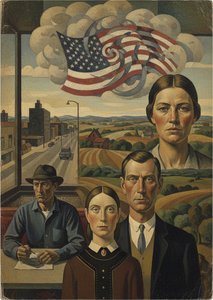
Echoes of Place: Regionalism & American Identity in Interwar Art
Explore the rise of American Regionalism in interwar art! Discover Grant Wood, Thomas Hart Benton & the movement's impact on American identity. Expert analysis & historical context.
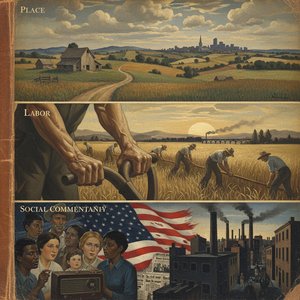
American Regionalism: A Crucible of Identity – Exploring Themes of Place, Labor & Social Commentary
Explore American Regionalism's powerful depiction of the American heartland during the Great Depression. Discover Grant Wood, Thomas Hart Benton & more. Expert analysis & high-quality art reproductions at OriginalUniqueArt.

Grant Wood & American Regionalism: Identity, Myth & the Rural Landscape
Explore the world of Grant Wood & American Regionalism with OriginalUniqueArt. Discover the symbolism behind 'American Gothic', recurring themes, and the movement's lasting impact on art history. High-quality reproductions available.
