

 Visualizar na parede
 Compartilhar
 Compartilhar
 Detalhes

 Baixar imagem
 Semelhantes
 Raio X
 Slideshow
 Estatísticas
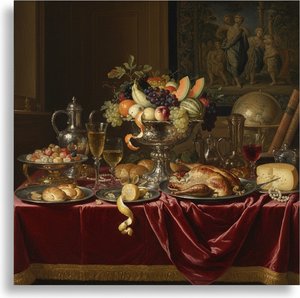
Still-Life with Grapes
 Oil On Canvas
- WallArt
- Dutch Golden Age
 1640
1640 119.0 x 99.0 cm
 Museu Hermitage
 Ler mais
Giclée / Impressão de Arte
Impressão giclée ou em tela de qualidade de museu, com produção rápida e opções flexíveis de acabamento. ( Comprar pintura feita à mão Alternar para Imagem Digital)




P118B $10

P118H $10

P118W $10

P438Z $10

P508JH $12

P508YH $12

P805H $10

P805Z $10

P919BZ $10

P919G $10

P919XJ $10

P959ZH $10

P968JZ $12

W106C $8

W218G $10

W218JH $8

W218Y $10

W307PJ $10

W316G $10

W316PJ $8

W316Y $10

W398PJ $8

W4111J $10

W500HY $15

W500JH $15

W692G $12

W849H $8

W940BG $15

W953PJ $8




Escolha entre os nossos tamanhos pré-definidos que respeitam as proporções originais da obra de arte.

Você pode inserir suas próprias dimensões para se ajustar a uma moldura ou espaço específico. Se o tamanho selecionado não corresponder às proporções da imagem original, iremos recortar a obra de arte ou estender a imagem com uma borda espelhada ou preenchimento sólido. Um mockup digital será enviado para sua aprovação antes do início da produção.
Por favor, observe que a visualização na tela não reflete o recorte ou a extensão real. Apenas o mockup mostrará com precisão a composição final.
Embora tamanhos personalizados estejam disponíveis, recomendamos selecionar uma dimensão da lista predefinida para preservar as proporções originais.
Entrega mundial () em 2 semanas, em vez das 4/5 semanas padrão. (9 Setembro)

Envio expresso gratuito para todo o mundo

Tela de Linho de Alta Qualidade

Seguro de transporte completo

Garantia de Reembolso de Impostos Alfandegários

Garantia de Fidelidade Cromática

Política de Devolução de 100 Dias (Apenas Defeitos)

Garantia de reembolso de 100%

Oferta de desconto por quantidade
 A opção de vidro está disponível apenas para tamanhos inferiores a 110 cm

Still-Life with Grapes
Giclée / Impressão de Arte
Tamanho da Reprodução
-


Preço Total
$ 80
A Symphony of Abundance: Adriaen van Utrecht’s “Still-Life with Grapes”
Adriaen van Utrecht's "Still-Life with Grapes," painted around 1640, is more than a depiction of fruit; it’s a meticulously crafted window into the opulent world of the Dutch Golden Age. This remarkable work, now housed within the esteemed collection of the Hermitage Museum in St. Petersburg, embodies the spirit of *pronkstillevens* – lavish banquet still lifes – that defined a significant chapter in Flemish painting. Van Utrecht, a master of this genre, elevates the commonplace to an extraordinary display of wealth, abundance, and the fleeting beauty of nature’s bounty.
The scene unfolds upon a dark velvet surface, a deliberate choice that intensifies the brilliance of the surrounding colors and creates a dramatic interplay of light and shadow. An overwhelming array of fruits – plump grapes in varying shades of purple and green, blushing peaches, vibrant oranges, lemons radiating sunshine, deep crimson pomegranates bursting with seeds, delicate cherries, and even a miniature pumpkin – are arranged with an almost theatrical precision. Lush greenery, rendered with painstaking detail, cascades from above, suggesting the overflowing abundance of a summer harvest or a royal banquet. The composition isn’t merely decorative; it's carefully orchestrated to draw the eye across the entire surface, inviting contemplation on the sheer profusion of life and luxury.
The Language of Light and Shadow: Technique and Style
Van Utrecht’s mastery lies in his ability to render textures with astonishing realism. The skin of each fruit – from the smooth sheen of a peach to the slightly rough surface of a grape – is meticulously depicted, inviting the viewer to almost reach out and touch them. This dedication to detail extends to the leaves and vines, which are painted with delicate veins and subtle variations in color. The artist employs a technique known as *glazing*, layering thin washes of oil paint over each other to build up depth and luminosity. This method allows for incredible control over color transitions and creates a sense of tactile richness that is truly captivating.
The painting’s lighting, originating from an unseen source, dramatically highlights specific areas – the bowl overflowing with fruit, the glistening grapes, and the vibrant colors of the produce – while simultaneously casting deep shadows across the table. This masterful use of chiaroscuro not only adds visual interest but also emphasizes the luxuriousness of the scene. The composition itself is relatively shallow, creating a sense of intimacy and drawing the viewer into this world of abundance. The influence of Italian Renaissance masters, particularly Caravaggio’s dramatic lighting effects, can be discerned in Van Utrecht's approach.
A Symbol of Wealth and Mortality
Beyond its aesthetic beauty, “Still-Life with Grapes” is rich in symbolic meaning. In the context of 17th-century Flanders, where wealth was inextricably linked to artistic patronage, the painting served as a visual testament to prosperity and status. The sheer quantity of fruit – a symbol of fertility, abundance, and good fortune – would have been particularly appealing to wealthy merchants and collectors. However, alongside this celebration of earthly pleasures lies an underlying awareness of mortality, a theme frequently explored in *vanitas* paintings.
The decaying leaves, the slightly bruised fruits, and the overall sense of transience subtly remind us that beauty is fleeting and that all worldly possessions are ultimately temporary. The painting, therefore, becomes not just a celebration of wealth but also a meditation on the ephemeral nature of life itself – a poignant reminder to appreciate the present moment.
A Legacy of Opulence: Historical Context
Adriaen van Utrecht’s rise to prominence coincided with the flourishing of the Dutch Golden Age, a period marked by unprecedented economic prosperity and artistic innovation. He was part of a vibrant circle of artists in Antwerp who were influenced by the work of Peter Paul Rubens, the court painter for both Spain and Portugal. Van Utrecht's style reflects this influence, incorporating elements of Rubens’ dynamic compositions and dramatic use of color while developing his own distinctive approach to still life painting.
His ability to capture the essence of abundance and luxury made him a highly sought-after artist by wealthy patrons throughout Europe. Reproductions of his works – particularly his banquet still lifes – became prized possessions, adorning the walls of aristocratic homes and demonstrating the owner’s wealth and taste. Today, “Still-Life with Grapes” stands as a testament to Van Utrecht's skill and a captivating window into a bygone era of opulence and artistic brilliance.
Biografia do Artista
Adriaen van Utrecht: O Mestre da Abundância
Adriaen van Utrecht (1599-1652) ergue-se como uma figura fundamental na história da pintura flamenga, amplamente reconhecido pelas suas deslumbrantes naturezas-mortas de banquetes – os pronkstillevens – que redefiniram o género. Nascido em Antuérpia, filho de Abel van Utrecht e Anne Huyந்தbrecht, herdou não apenas um legado familiar dentro da comunidade artística, mas também um olhar aguçado para o detalhe e uma capacidade inata de capturar a suntuosidade da vida. A sua carreira desenrolou-se sob o pano de fundo da Idade de Ouro Holandesa, um período marcado pela riqueza crescente, pelo comércio internacional e por um fervoroso abraço ao luxo, temas que se refletem poderosamente nas suas telas.
A jornada artística de Van Utrecht começou com o aprendizado sob a tutela de Herman de Neyt, um proeminente pintor e marchand de Antuérpia. Esta experiência formativa expôs-no a uma vasta coleção de obras de arte, ampliando, sem dúvida, a sua compreensão de técnica e estilo. Após este período fundacional, embarcou em viagens pela França, Alemanha e Itália – experiências cruciais que lhe permitiram mergulhar em diversas tradições artísticas e aperfeiçoar as suas competências sob a influência das cortes locais. Ao regressar a Antuérpia em 1625, após a morte do pai, assegurou o seu estatuto de mestre livre na Guilda de São Lucas, consolidando a sua posição como um artista profissional respeitado.
Os Pronkstillevens: Uma Revolução na Natureza-Morta
Van Utrecht está inextricavelmente ligado ao desenvolvimento dos pronkstillevens – literalmente “naturezas-mortas da abundância” – um género que emergiu no início do século XVII. Influenciado profundamente por Frans Snyders, com quem partilhava uma significativa afinidade artística, Van Utrecht elevou a natureza-morta para além de meras representações de objetos; ele transformou-a num quadro vibrante de excesso e deleite. Estas composições não eram simples arranjos de frutas e caça; eram narrativas cuidadosamente construídas, repletas de simbolismo e uma exibição quase teatral de riqueza e prosperidade.
Ao contrário de Snyders, que favorecia uma iluminação dramática e cores intensas, Van Utrecht cultivou uma paleta mais contida, utilizando tons terrosos quentes – particularmente matizes de cinza-esverdeado – para criar uma sensação de profundidade e realismo. Empregou habilmente o chiaroscuro, inspirando-se nas técnicas de mestres italianos como Caravaggio, para intensificar o drama e focar a atenção nos elementos essenciais da cena. A inclusão de figuras vivas e animais enriquecia ainda mais estas composições, adicionando camadas de complexidade narrativa e realçando a ligação entre a natureza, a abundância e o prazer humano.
Colaborações e Círculos Artísticos
A carreira artística de Van Utrecht estava profundamente entrelaçada com a vibrante comunidade artística de Antuérpia. Ele colaborou consistentemente com pintores de renome que foram discípulos ou assistentes de Peter Paul Rubens – um testemunho do seu próprio talento e da influente rede de contactos que navegava. Entre os colaboradores notáveis incluíam Jacob Jordaens, David Teniers o Jovem, Erasmus Quellinos II, Gerard Seghers, Theodoor Rombouts e Abraham van Diepenbeeck. Estas parcerias promoveram uma troca dinâmica de ideias e técnicas, contribuindo significativamente para a evolução do estilo artístico de Antuérpia.
Talvez a colaboração mais significativa tenha sido com a sua esposa, Constancia van Nieulandt (também conhecida como ‘van Nieuwlandt’). Constancia não era meramente uma figura doméstica; ela participava ativamente no atelier do marido, contribuindo para a criação de inúmeras pinturas. Notavelmente, acredita-se que uma natureza-morta datada de 1647, apresentando frutas, tenha sido inteiramente executada pela própria Constancia, demonstrando a sua considerável habilidade artística e fornecendo uma prova convincente do seu papel como coautora no atelier. A sua influência estendia-se para além da mera assistência; ela provavelmente adaptava e variava as composições do marido, criando variações subtis, mas significativas, sobre os seus temas.
Temas, Técnicas e Legado
A obra de Van Utrecht abrange uma gama diversificada de temas de natureza-morta, incluindo suntuosas cenas de banquetes com abundância de caça, frutas, flores e vegetais. Ele também produziu representações cativantes de pátios de fazenda repletos de aves vivas – galinhas, perus, patos e pavões – capturando a vitalidade e a riqueza sensorial da vida rural. Os seus primeiros trabalhos foram fortemente influenciados pelo estilo dramático de Frans Snyders, mas ele desenvolveu gradualmente uma abordagem mais refinada e matizada, caracterizada pelo detalhe meticuloso, iluminação atmosférica e um uso subtil da cor.
Apesar do seu sucesso considerável e de encomendas internacionais do Imperador da Alemanha, do Rei Filipe IV de Espanha e do Príncipe de Orange, a fortuna de Van Utrecht declinou no final da década de 1640. As razões exatas para este declínio permanecem incertas, mas é provável que tenha envolvido uma combinação de problemas de saúde e dificuldades financeiras. Faleceu em Antuérpia em 1652, deixando para trás um corpo de trabalho extraordinário que continua a cativar os espectadores com a sua beleza opulenta e execução magistral. O legado de Adriaen van Utrecht reside não apenas nas suas conquistas individuais, mas também no seu papel crucial na moldagem do género pronkstillevens, associando para sempre Antuérpia a uma era de incomparável abundância artística.

Adriaen Van Utrecht
1599 - 1652 , Bélgica
Dados Rápidos
- Artistic Movement Or Style: Barroco, Pronkstillevens
- Artists Or Movements Influenced By This Artist: ['Peter Paul Rubens']
- Artists Who Influenced This Artist: ['Frans Snyders']
- Date Of Birth: 12 de janeiro de 1599
- Date Of Death: 1652
- Full Name: Adriaen van Utrecht
- Nationality: Flamengo
- Notable Artworks:
- Natureza-morta com Uvas
- Basse Cour
- A Despensa
- Pendentes de Frutas
- Place Of Birth: Antuérpia, Bélgica
Artigos Relacionados
Abraham Hendricksz van Beyeren: Pioneering Dutch Still Life & the Banquet Tradition
Explore the captivating world of Dutch Golden Age still life with Abraham van Beyeren. Discover his innovative techniques, symbolic banquet scenes & lasting influence on art history. Learn about collecting these masterpieces.

Jan Jansz Wijnants: A Study in Dutch Golden Age Still Life & Floral Transience
Explore the captivating world of Jan Wijnants and Dutch Golden Age still life painting. Discover symbolism, masterful techniques & lasting influence on floral art history. Learn more!

Rembrandt van Rijn: As 25 Obras-Primas que Definem um Mestre da Luz e Sombra | OriginalUniqueArt
Descubra as 25 obras-primas de Rembrandt van Rijn, o mestre da luz e sombra! Explore a história por trás de 'A Ronda Noturna', seus auto-retratos e muito mais. Encontre reproduções de arte exclusivas para decorar sua casa com OriginalUniqueArt.com.

Golden Light & Dutch Skies: The Timeless Magic of Dutch Golden Age Landscapes
Discover the breathtaking beauty of Dutch Golden Age landscapes. Explore the mastery of light, chiaroscuro, and 17th-century realism through an expert art history lens, celebrating the enduring legacy of the Dutch Masters for discerning collectors and art lovers.

A Era de Ouro Holandesa: 10 Mestras-Obras Imperdíveis para Decorar com Arte
Descubra as 10 obras-primas da Era de Ouro Holandesa! Explore a história, técnica e beleza atemporal de Rembrandt, Vermeer e outros mestres. Encontre reproduções de arte exclusivas para decorar sua casa com elegância em OriginalUniqueArt.com.

