

 Visualizar na parede
 Compartilhar
 Compartilhar
 Detalhes
 Guia
Guia

 Baixar imagem
 Semelhantes
 Raio X
 Ver diaporama
 Estatísticas
The Smokers
 Oil On Panel
- Flemish Baroque
 1638
1638 41.0 x 37.0 cm
 English Heritage
 Ler mais
Giclée / Impressão de Arte
Impressão giclée ou em tela de qualidade de museu, com produção rápida e opções flexíveis de acabamento. ( Comprar pintura feita à mão Alternar para Imagem Digital)




P118B €10

P118H €10

P118W €10

P438Z €10

P508JH €12

P508YH €12

P805H €10

P805Z €10

P919BZ €10

P919G €10

P919XJ €10

P959ZH €10

P968JZ €12

W106C €8

W218G €10

W218JH €8

W218Y €10

W307PJ €10

W316G €10

W316PJ €8

W316Y €10

W398PJ €8

W4111J €10

W500HY €15

W500JH €15

W692G €12

W849H €8

W940BG €15

W953PJ €8




Escolha entre os nossos tamanhos pré-definidos que respeitam as proporções originais da obra de arte.

Insira a largura e a altura desejadas para se ajustarem à sua moldura ou parede. Uma impressão pode ser apenas cortada, nunca ampliada além da imagem original; portanto, um tamanho com proporções diferentes resultará na perda de parte da imagem. Enviamos uma maquete digital para sua aprovação antes de realizarmos a impressão. A imagem exibida nesta página não mostra o corte real — apenas a maquete o faz.
Entrega mundial () em 2 semanas, em vez das 4/5 semanas padrão. (27 Outubro)

Envio expresso gratuito para todo o mundo

Tela de Linho de Alta Qualidade

Seguro de transporte completo

Garantia de Reembolso de Impostos Alfandegários

Garantia de Fidelidade Cromática

Política de Devolução em 100 Dias (Apenas para Defeitos)

Garantia de reembolso de 100%

Oferta de desconto por quantidade
 A opção de vidro está disponível apenas para tamanhos inferiores a 110 cm

The Smokers
Giclée / Impressão de Arte
Tamanho da Reprodução
-


Preço Total
€ 70
A Snapshot of Dutch Life: Adriaen Brouwer’s “The Smokers”
Adriaen Brouwer's "The Smokers," painted around 1636, isn’t merely a depiction of men enjoying a pipe; it’s a vibrant window into the social fabric and everyday realities of 17th-century Flanders. This remarkable oil on wood panel, now residing within the hallowed halls of the Metropolitan Museum of Art in New York, captures a moment of convivial chaos—a scene brimming with life, humor, and subtle commentary on the era’s values. Brouwer, a master of genre painting, eschewed the idealized portraits favored by many of his contemporaries, instead choosing to portray the lives of ordinary people – peasants, soldiers, tavern patrons – in all their earthy glory.
A Composition Steeped in Realism and Drama
The scene unfolds within a dimly lit interior, likely a tavern or communal gathering space. Five figures dominate the composition: a central man, presumably Brouwer himself, leans forward, puffing on his pipe with an expression of surprised delight; to his right, another man lies sprawled on the floor, equally absorbed in his smoking pastime. A third man is seated at a table, engaged in a game of cards, while a fourth man enters through a doorway, adding a dynamic element to the tableau. A woman stands by a window, observing the scene with a detached air—a subtle reminder of the domestic sphere and perhaps a hint of social commentary on the roles of men and women at the time. Brouwer’s masterful use of light and shadow creates a palpable sense of depth and atmosphere, drawing the viewer into this intimate slice of life.
Technique and Style: A Masterclass in Observation
Brouwer's technique is characterized by its remarkable realism and attention to detail. He wasn’t interested in romanticizing or idealizing his subjects; instead, he meticulously observed their postures, expressions, and clothing, rendering them with astonishing accuracy. The brushstrokes are loose and expressive, conveying a sense of movement and spontaneity. Notice the subtle variations in skin tones, the wrinkles around the eyes, and the way the smoke curls from the pipes—these details contribute to the painting’s overall sense of authenticity. Brouwer's style is often described as “tronies”—studies of facial expressions that capture fleeting emotions and psychological states. “The Smokers” exemplifies this approach, offering a glimpse into the inner lives of its subjects.
Symbolism and Social Commentary
Beyond its immediate visual appeal, "The Smokers" is rich in symbolic meaning. Smoking itself was a relatively new practice in 17th-century Europe, initially associated with the upper classes and considered somewhat decadent. Brouwer’s depiction of men casually enjoying pipes challenges this perception, suggesting that even the common folk embraced this pastime. The scene also subtly critiques social hierarchies—the seated man playing cards, the lying figure on the floor—reflecting a world where status was often determined by wealth and leisure. The woman observing from the window represents the watchful eye of society, reminding us that these moments of revelry were always subject to scrutiny.
An Enduring Legacy: A Window into the Past
"The Smokers" remains a powerful testament to Adriaen Brouwer’s artistic genius and his ability to capture the essence of human experience. It's more than just a painting; it’s a social document, a psychological study, and a celebration of everyday life—a timeless masterpiece that continues to fascinate and inspire viewers centuries after its creation. Reproductions of this iconic work offer a remarkable opportunity to bring this vibrant scene into your home, inviting you to contemplate the complexities of human nature and the enduring appeal of simple pleasures.
Perguntas e Respostas
Como "The Smokers" se posiciona entre os temas recorrentes de Adriaen Brouwer?
"The Smokers" retrata smoking, tavern, peasants, leisure, observation, dutch life, genre scene, enquanto os temas recorrentes de Adriaen Brouwer são flemish genre traditions, social commentary, 17th-century dutch life, customs, peasant realism, everyday scenes, brouwer’s comedic style, observation. A comparação entre ambos revela como a obra se relaciona com os temas habituais do artista.
"The Smokers", de Adriaen Brouwer está em domínio público?
Quanto aos direitos autorais, "The Smokers" está em em domínio público — seus direitos autorais expiraram.
Quem criou "The Smokers" e quando?
Adriaen Brouwer criou "The Smokers" em 1638.
Biografia do Artista
Adriaen Brouwer: Um Gênio Fugaz da Vida Cotidiana Flamenga
Adriaen Brouwer, um nome que ecoa com a vibrante energia da pintura flamenga e holandesa do século XVII, permanece uma figura enigmática apesar de seu profundo impacto na arte de gênero. Nascido em Oudenaarde, Bélgica, por volta de 1605 ou 1606 – o ano exato é debatido –, a vida de Brouwer foi tragicamente breve, terminando antes que alcançasse os quarenta anos em janeiro de 1638. Seu pai, também chamado Adriaen, trabalhava como designer de tapeçarias, expondo o jovem artista à composição visual e ao design desde cedo. No entanto, a adversidade atingiu quando Brouwer tinha apenas quinze anos; a morte de seu pai o forçou a deixar sua casa, embarcando em um caminho marcado tanto pela brilhantez artística quanto pelo turbilhão pessoal. Essa independência precoce inegavelmente moldou seu espírito rebelde e alimentou sua aguda observação das correntes subterrâneas da vida, temas que se tornariam centrais em sua obra. A perda do pai o lançou em uma jornada de autodescoberta e expressão artística, forjando um talento único que cativaria gerações.Inovador da Arte de Gênero: Revelando a Essência da Vida Comum
Brouwer estabeleceu-se rapidamente como um inovador fundamental na pintura de gênero – um movimento artístico dedicado à representação de cenas da vida cotidiana. Ele não idealizava nem romantizava; em vez disso, apresentou vislumbres crus e despidos do mundo dos camponeses, soldados e pessoas comuns. Tavernas se tornaram seu palco predileto, fervilhando de figuras engajadas em beber, fumar, jogar cartas, brigar e simplesmente existir dentro das rotinas diárias. Obras como Pobres Bebendo em uma Taberna, Camponeses Jogando Cartas e A Briga não são meras representações de atividade; são estudos psicológicos, revelando o caráter através de gestos, expressões e a sutil interação entre luz e sombra. Ele possuía uma habilidade excepcional para capturar momentos fugazes de interação humana, imbuindo suas cenas com um senso de imediatismo e autenticidade que ressoava profundamente com o público da época. Os Fumantes, por exemplo, acredita-se incluir um autorretrato dentro do grupo animado, mostrando a própria participação de Brouwer na vida social boêmia que retratava tão vividamente. Sua capacidade de capturar a espontaneidade e as emoções cruas da vida cotidiana o diferenciava de seus contemporâneos.Influências Artísticas e Desenvolvimento: Uma Sintrônia de Tradição e Inovação
O desenvolvimento artístico de Brouwer foi moldado por uma fascinante confluência de influências. Ele admirava profundamente o realismo meticuloso dos Primitivos Flamengos – artistas como Jan van Eyck e Robert Campin – evidente em sua atenção aos detalhes e à renderização precisa das texturas. No entanto, ele não estava satisfeito com a mera imitação. Brouwer abraçou a iluminação dramática e a intensidade emocional características da arte barroca, injetando uma energia dinâmica em suas composições. Seu estilo é caracterizado por uma mistura magistral de realismo e humor, combinada com uma observação notavelmente viva do comportamento humano. Ele não hesitava em retratar os aspectos menos agradáveis da vida, mas o fazia com empatia e compreensão, evitando julgamentos morais. Essa abordagem única o diferenciou de muitos de seus contemporâneos e abriu caminho para futuras gerações de pintores de gênero. A influência dos Primitivos Flamengos é visível na precisão de suas representações, enquanto a energia do Barroco se manifesta no uso da luz e sombra para criar drama e emoção.Legado e Significado Histórico: Um Impacto Duradouro
Apesar de sua curta carreira, a influência de Adriaen Brouwer em artistas subsequentes foi substancial. Ele ajudou a elevar a pintura de gênero a uma posição de destaque no mundo da arte, demonstrando seu potencial tanto para a expressão artística quanto para o comentário social. David Teniers, o Jovem, juntamente com outros pintores flamengos e holandeses, tiraram inspiração significativa da abordagem inovadora de Brouwer para retratar a vida cotidiana. Seu foco nas pessoas comuns ofereceu insights valiosos sobre os costumes sociais e as rotinas diárias da Flandres e da República Holandesa do século XVII, fornecendo uma janela para um mundo frequentemente negligenciado por formas mais tradicionais de arte. Hoje, suas obras são mantidas em museus renomados como o Koninklijk Museum voor Schone Kunsten em Antuérpia, Bélgica, garantindo que seu legado continue a inspirar e cativar o público por gerações. Brouwer permanece um testemunho do poder da observação, da beleza da imperfeição e do apelo duradouro de capturar os momentos crus e não filtrados da vida na tela. Sua obra continua a ser uma fonte inesgotável de fascínio para estudiosos e amantes da arte em todo o mundo.
Adriaen Brouwer
1635 - 1638 , Bélgica
Dados Rápidos
- Artistas Influenciados Por: ['David Teniers, o Jovem']
- Artistas Que Influenciaram: ['Flemish Primitives']
- Data De Falecimento: 1638
- Data De Nascimento: 1605/1606
- Local De Nascimento: Oudenaarde, Bélgica
- Movimento Artístico: Barroco, Genre
- Nacionalidade: Flamengo
- Nome Completo: Adriaen Brouwer
- Obras Notáveis:
- Povo Pobre Bebendo
- Camponeses Jogando Cartas
- Os Fumantes
- A Briga
Artigos Relacionados
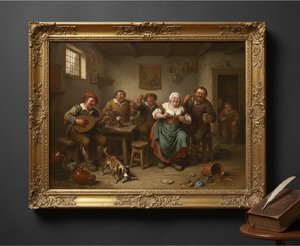
Adriaen van Ostade: A Master of Dutch Genre Painting & Social Commentary
Explore the life & work of Adriaen van Ostade, a leading Dutch Golden Age painter. Discover his realistic genre scenes, social commentary, and lasting influence on art history. Learn more at OriginalUniqueArt.
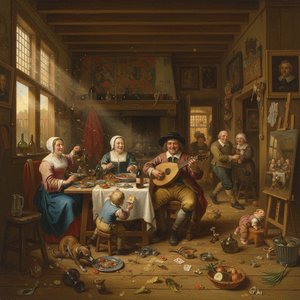
Jan Steen: A Master of Dutch Genre Painting & the Golden Age
Explore the life & art of Jan Steen, a leading Dutch Golden Age painter renowned for his humorous genre scenes & insightful social commentary. Discover his techniques, legacy, and collecting tips.
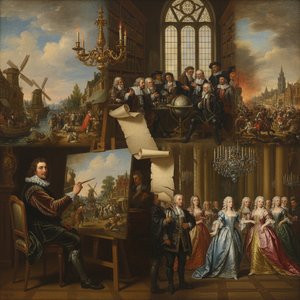
Illuminating a Century of Change: Artistic Expression & Societal Shifts in 17th-Century Europe
Explore the artistic brilliance of the 17th-century Dutch Golden Age & Baroque period. Discover Rembrandt, genre painting, and chiaroscuro techniques. Expert insights for art lovers & collectors.

Adriaen Brouwer: Capturing Dutch Life & Social Commentary Through Genre Painting
Explore the captivating world of Adriaen Brouwer, a master of Dutch Golden Age genre painting. Discover his vivid depictions of peasant life, social commentary, and lasting influence on art history. Learn more at OriginalUniqueArt.
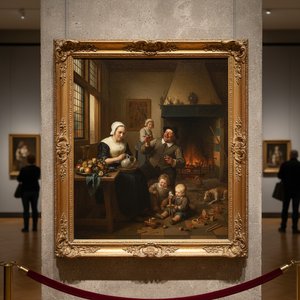
Genre Painting: A Window into Daily Life & Societal Values of the Dutch Golden Age
Explore the captivating world of Dutch Golden Age genre painting! Discover realistic depictions of daily life, masterful artists like Ostade & Metsu, and hidden symbolism. Learn about this influential art movement with OriginalUniqueArt.