
 Visualizar em escala
 Enviar
 Compartilhar
 Ver detalhes
 Guia de Obras do Aluno

 Baixar imagem
 Semelhantes
 Raio X
 Apresentação de slides
 Estatísticas
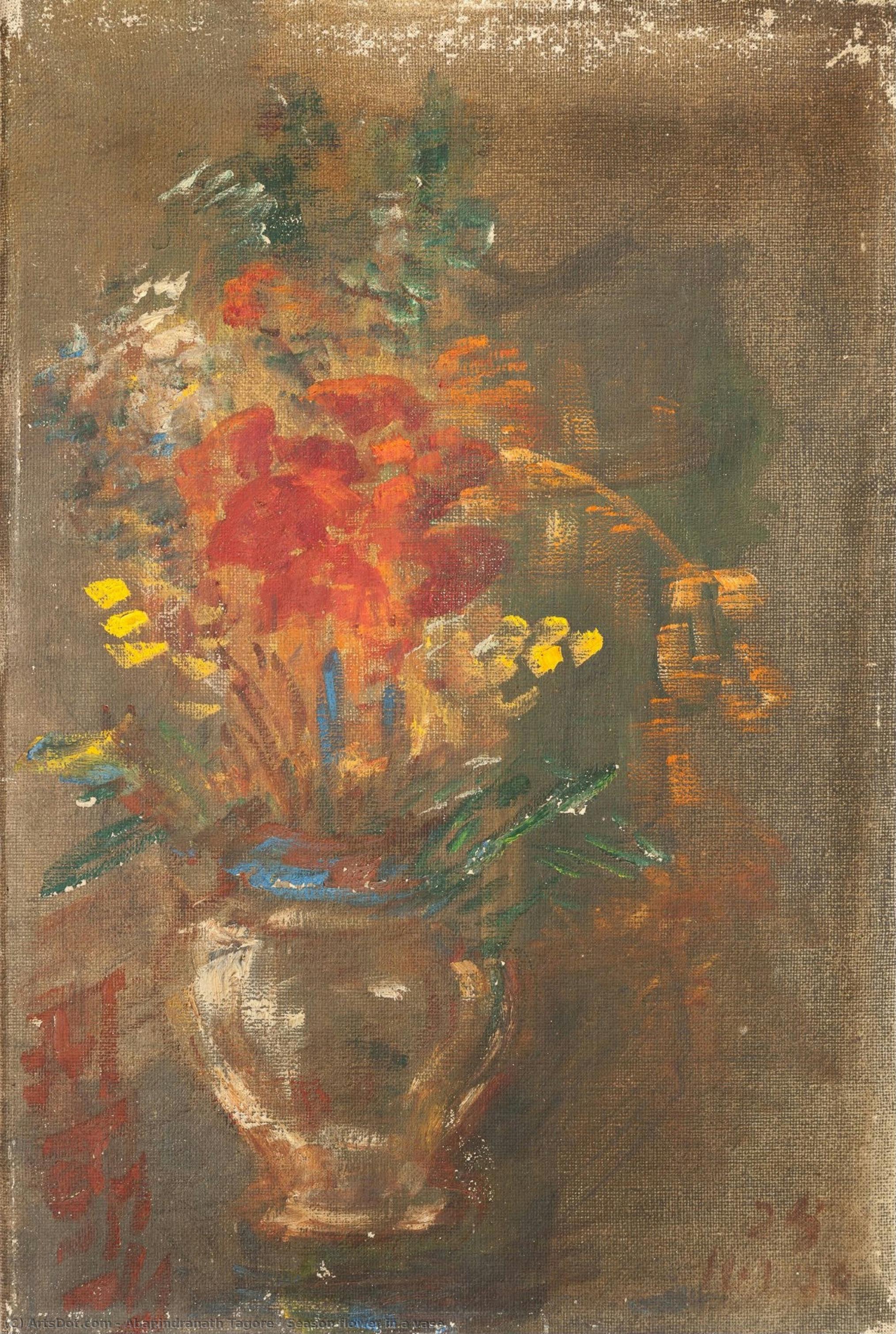
Season flower in a vase


 Ver mais
Reprodução em Óleo Feita à Mão
Óleo sobre tela pintado à mão no tamanho e moldura de sua escolha, feito sob encomenda pelos nossos artistas. ( Alternar para Impressão Ver Imagem Digital)




P118B $10

P118H $10

P118W $10

P438Z $10

P508JH $12

P508YH $12

P805H $10

P805Z $10

P919BZ $10

P919G $10

P919XJ $10

P959ZH $10

P968JZ $12

W106C $8

W218G $10

W218JH $8

W218Y $10

W307PJ $10

W316G $10

W316PJ $8

W316Y $10

W398PJ $8

W4111J $10

W500HY $15

W500JH $15

W692G $12

W849H $8

W940BG $15

W953PJ $8




Escolha entre os nossos tamanhos pré-definidos que respeitam as proporções originais da obra de arte.

Pode inserir as suas próprias dimensões para se adequar a uma moldura ou espaço específico. Se o tamanho selecionado não corresponder às proporções da imagem original, iremos cortar a obra de arte ou estender a pintura com elementos adicionais pintados à mão. Um esboço digital será enviado para sua aprovação antes do início da produção.
Tenha em atenção que a pré-visualização no ecrã não reflete o corte ou extensão real. Apenas o esboço mostrará com precisão a composição final.
Embora tamanhos personalizados estejam disponíveis, recomendamos selecionar uma dimensão da lista predefinida para preservar as proporções originais.
Após o pedido, a equipa OriginalUniqueArt.com enviará um e-mail ao cliente para solicitar instruções e fornecer uma prévia do esboço.
Entrega mundial () em 3 a 4 semanas, em vez das 5 semanas padrão. (25 Setembro). Sem comprometer a qualidade.

Envio expresso gratuito para todo o mundo

Tela de Linho Premium

Seguro de transporte total

Garantia de Reembolso de Impostos Alfandegários

Garantia de Fidelidade de Cor

Política de Devolução em 100 Dias (Apenas para Defeitos)

Garantia de reembolso de 100%

Desconto para múltiplas unidades
 A opção de vidro está disponível apenas para tamanhos inferiores a 110 cm

Season flower in a vase
Técnica de Reprodução
Dimensões da Reprodução
-


Preço Total
$ 300
A Moment of Tranquil Beauty: Exploring the Essence of “Season Flower in a Vase”
Abanindranath Tagore’s “Season Flower in a Vase,” painted circa 1938, isn't merely a still life; it’s a carefully constructed meditation on beauty, tradition, and the delicate balance between East and West. Within its serene composition lies a profound reflection of Tagore’s artistic philosophy – a deliberate rejection of Western academic art while simultaneously embracing elements of Japanese aesthetics and drawing upon the rich visual vocabulary of Mughal and Rajput painting. The painting immediately evokes a sense of quiet contemplation, inviting the viewer into a space of understated elegance and poignant nostalgia.
The scene unfolds within a simple, white vase – a deliberate choice that anchors the composition and directs our attention to the vibrant blooms nestled within. These aren’t simply flowers; they are symbols deeply rooted in Indian tradition. The prominent red blossoms, likely roses or peonies, represent passion and vitality, while the delicate yellow ones suggest joy and enlightenment. Greenery, meticulously arranged, speaks of growth, renewal, and connection to nature – a core value central to Tagore's artistic vision. Notice how each element is rendered with a restrained hand, avoiding excessive detail and prioritizing suggestion over explicit representation.
The Bengal School’s Synthesis: A Bridge Between Worlds
Tagore was a pivotal figure in the establishment of the Bengal School of Art, a movement that sought to redefine Indian art after decades of Western influence. Rejecting the rigid formalism of European painting, he and his contemporaries drew inspiration from India's own artistic heritage – the intricate patterns of Mughal miniatures, the bold colors and dynamic compositions of Rajput paintings, and the spiritual symbolism of ancient Buddhist art. “Season Flower in a Vase” exemplifies this synthesis perfectly. The brushwork is fluid and expressive, reminiscent of traditional Indian painting techniques, yet it’s imbued with a subtle Western sensibility regarding composition and color harmony.
The influence of Japanese aesthetics is particularly evident in the careful arrangement of the flowers and foliage – a concept known as *kacho* or “flower viewing” – which was highly valued in Japan. The asymmetrical balance, the use of negative space, and the emphasis on capturing the essence of each element rather than its literal depiction all reflect this profound influence. Tagore’s journey to China and his subsequent study of Chinese calligraphy further enriched his artistic vocabulary, adding layers of symbolism and visual poetry to his work.
Symbolism and Emotional Resonance
Beyond its aesthetic qualities, “Season Flower in a Vase” carries a deeper symbolic weight. The painting can be interpreted as an allegory for the fleeting nature of beauty and life itself. The vibrant colors and delicate forms represent the ephemeral joys of existence, while the vase serves as a reminder of our mortality – a vessel holding precious moments that are destined to fade away. Tagore’s deliberate use of muted tones and subtle gradations of color contributes to this sense of melancholy and introspection.
Furthermore, the painting speaks to a longing for a return to traditional values and a rejection of Western materialism. Tagore's embrace of *Swadeshi* – a movement promoting Indian self-reliance – is palpable in his work. “Season Flower in a Vase” isn’t just a beautiful image; it’s a powerful statement about the importance of preserving India’s cultural heritage and finding beauty within its own traditions. It invites us to pause, reflect, and appreciate the simple pleasures of life—a timeless message rendered with exquisite artistry.
Biografia do Artista
Primeiros Anos e Origens
- Nascimento: 7 de maio de 1861, Joransanko, Calcutá, Índia Britânica
- Falecimento: 5 de dezembro de 1951
- Família: Membro da distinta família Tagore; sobrinho de Rabindranath Tagore. Seu avô era Girindranath Tagore, e seu pai era Gunendranath Tagore.
- Educação: Estudou no Sanskrit College, Kolkata, na década de 1880 e, posteriormente, frequentou a Calcutta School of Art.
Desenvolvimento Artístico e Influências
- Formação Inicial: Aprendeu técnicas de pastel com O. Ghilardi e pintura a óleo com Charles Palmer na Calcutta School of Art.
- Estilos Mughal e Rajput: Buscou modernizar estes estilos, rejeitando os modelos de arte ocidental.
- Valores Swadeshi: Incorporou os valores Swadeshi em sua arte, promovendo as tradições indianas.
- Esteticismo de Whistler: Influenciado pelos princípios estéticos de Whistler.
- Influência Japonesa: Mais tarde, incorporou as tradições caligráficas chinesas e japonesas ao seu estilo após conhecer os artistas Tikan e Hesida.
Principais Obras e Contribuições Artísticas
- Rohini II: Uma obra notável que demonstra sua habilidade artística.
- Passing of Shajahan: Outra pintura significativa que reflete seu estilo.
- Season Flower in a Vase: Demonstra seu domínio de técnica e temática.
- Série As Mil e Uma Noites (1930): Considerada um de seus maiores feitos, utilizando as histórias das Mil e Uma Noites para explorar a Calcutá colonial.
- Bharat Mata: Uma pintura significativa que simboliza a Mãe Índia.
- Fundador da Escola de Arte de Bengala: Desempenhou um papel fundamental na formação da pintura indiana moderna e na promoção da arte nacionalista.
- Sociedade Indiana de Arte Oriental (1907): Fundou esta sociedade para promover as formas tradicionais de arte indiana.
Legado e Significância Histórica
- Pioneiro da Pintura Indiana Moderna: Reconhecido como uma figura chave no desenvolvimento da arte indiana moderna.
- Influência em Artistas Posteriores: Mentor de artistas notáveis como Nandalal Bose, Asit Halder, Kshitindranath Majumdar e Jamini Roy.
- Renascimento das Formas de Arte Tradicionais: Defendeu o retorno às técnicas e estilos tradicionais indianos.
- Impacto na Literatura Infantil Bengali: Escreveu livros infantis influentes como Rajkahini, Budo Angla, Nalak e Khirer Putul.
- Tesouros Artísticos Nacionais: Suas obras são consideradas Tesouros Artísticos Nacionais.

Abanindranath Tagore
1871 - 1951 , Índia
Informações Rápidas
- Artistic Movement Or Style: Escola de Arte de Bengala
- Artists Or Movements Influenced By This Artist:
- Nandalal Bose
- Kshitindranath Majumdar
- Jamini Roy
- Artists Who Influenced This Artist:
- Whistler
- artistas Mogóis
- artistas Rajput
- Date Of Birth: 7 de maio de 1871
- Date Of Death: 5 de dezembro de 1951
- Full Name: Abanindranath Tagore
- Nationality: Indiano
- Notable Artworks:
- Rohini II
- Passing of Shajahan
- Season Flower in a Vase
- Place Of Birth: Jorasanko, Índia
Artigos Relacionados

The Sublime Landscape: Exploring the Hudson River School Movement
Explore the captivating world of the Hudson River School! Discover the history, artists, and defining characteristics of this iconic American art movement. Learn about Romanticism's influence & find inspiration for your collection.

The Hague School: Realism, Atmosphere & the Dawn of Dutch Impressionism
Explore the Hague School's pivotal role in Dutch art history. Discover realism, atmospheric landscapes & its influence on Impressionism. Learn about key artists like Mauve & Maris with OriginalUniqueArt.

Raja Ravi Varma: Bridging Tradition & Modernity in 19th-Century Indian Art
Explore the life & art of Raja Ravi Varma, a pioneer who fused European techniques with Indian iconography. Discover his iconic paintings, lasting legacy, and influence on modern Indian art at OriginalUniqueArt.
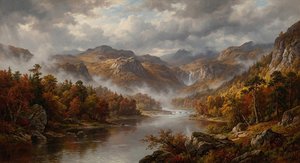
As 10 Obras-Primas que Definiram a Escola do Rio Hudson | Arte e Decoração de Luxo
Descubra as 10 obras-primas da Escola do Rio Hudson! Explore a beleza das paisagens americanas de Thomas Cole, Frederic Church e outros mestres. Encontre reproduções de arte exclusivas para decorar sua casa com elegância em OriginalUniqueArt.com.
The Barbizon School: A Professional Guide to Naturalism and Landscape Mastery for Interior Designers
Explore the Barbizon School's mastery of naturalism. An expert guide for hotel designers and procurement managers on sourcing high-quality landscape reproductions to elevate hospitality and corporate interiors with authentic, large-scale fine art solutions.
