Symfonia wiary i artystycznego blasku
Przekroczenie progu Bazyliki San Domenico w Bolonii to porzucenie współczesnego świata i wejście w głęboki palimpsest oddania, potęgi oraz artystycznej innowacji. Ta wspaniała budowla, stanowiąca duchowe serce zakonu dominikanów, jest czymś znacznie więcej niż tylko miejscem kultu; to żywa kronika włoskiej historii, sięgająca początków XIII wieku. Wzniesiona nad grobem samego świętego Dominika, bazylika ucieleśnia zapierającą dech w piersiach ewolucję stylu, w której strzeliste, surowe linie architektury gotyckiej spotykają się z bogatymi, dramatycznymi zdobieniami epoki baroku. Wędrując przez jej rozległe wnętrze, można odnieść wrażenie, że samo powietrze jest ciężkie od ciężaru minionych wieków, odzwierciedlając intelektywną witalność i trwałą wiarę, które definiowały Bolonię przez pokolenia.
Architektoniczna podróż San Domenico to opowieść o rozrastaniu się i transformacji. To, co zaczęło się jako skromny klasztor założony przez Reginalda z Orleanu, dzięki falom nieustannego oddania przeobraziło się w monumentalną katedrę. Sylwetka budowli, zdominowana przez imponującą dzwonnicę wzniesioną w 1313 roku, pełni rolę nieustannej strażniczki nad panoramą Bolonii. W jej murach przejście od tradycji romańskich do bardziej złożonych warstw dodanych przez architektów takich jak Carlo Francesco Dotti tworzy unikalne napięcie wizualne. To stylistyczne nakładanie się nie sprawia wrażenia niespójnego; przeciwnie, oferuje obserwatorowi bogate, teksturalne doświadczenie, przypominające mistrzowsko skomponowaną symfonię, w której różne części harmonizują, tworząc jedną, transcendentną całość.
Galeria boskich arcydzieł
Dla miłośnika sztuki i kolekcjonera bazylika funkcjonuje jako bezprecedensowa galeria, w której każdy ruch pędzla i każde uderzenie dłuta służy wyższemu celowi dewocyjnemu. W apsydzie dominuje niebiańska wizja autorstwa Guido Reniego – Chwała Świętego Dominika . Ten fresk ukazuje świętego wznoszącego się do nieba pośród wirującego wiru światła i postaci anielskich. Zdolność Reniego do oddania boskiej łaski poprzez miękkie światło i płynny ruch pozostaje jednym z najbardziej urzekających widoków w sztuce bolońskiej. Poczucie tego ruchu rezonuje w całym kościele, gdzie dzieła Tycjana, Rafaela oraz rodziny Carracci zapraszają do głębokiej kontemplacji nad szczytem mistrzostwa renesansu i baroku.
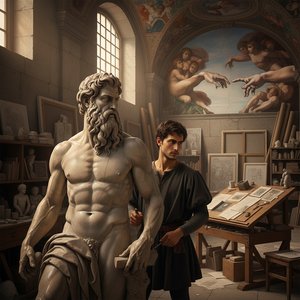
Być może najgłębsze spotkanie w tych świętych murach odnajdujemy przy Arca di San Domenico . Ta wyborna relikwiarzowa konstrukcja, przechowująca szczątki św. Dominika, jest wspólnym arcydziełem rzeźby protorenesansowej. Choć prace podstawowe prowadzili Nicola Pisano i Arnolfo di Cambio, grób skrywa tajemnicę, która wciąż porusza serca historyków: obecność młodego Michała Anioła Buonarrotego. Wczesne dokonania mistrza – w tym Posąg Świętego Prokulusa oraz Anioł trzymający kandelabr — ujawniają rodzący się geniusz, zdolny już do niezwykłej precyzji anatomicznej i głębi emocjonalnej. Stanięcie przed tymi rzeźbami to bycie świadkiem momentu, w którym legenda zaczęła nabierać kształtów.
Trwałe dziedzictwo dla współczesnego oka
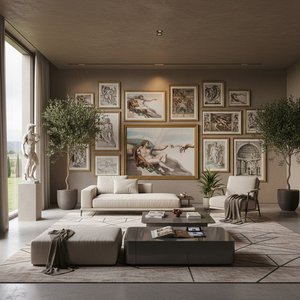
Poza swoją rolą reliktu przeszłości, San Domenico pozostaje żywym centrum kulturalnym, które nieustannie podtrzymuje dialog między badaniami historycznymi a współczesną estetyką. Bazylika od dawna gości wystawy celebrujące bogactwo sztuki bolońskiej, dbając o to, by jej kolekcja — od misternych rzeźb marmurowych po monumentalne płótna — pozostawała żywą częścią tożsamości miasta. Dla projektantów wnętrz i entuzjastów klasycznego piękna bazylika oferuje nieskończoną inspirację poprzez grę światła, cienia i świętej geometrii.
Nieustanne zaangażowanie w konserwację tego bezcennego dziedzictwa sprawia, że szepty historii w tych murach nigdy nie wygasną. Bez względu na to, czy przyciąga nas architektoniczny majestat rozety, czy intymny rezonans emocjonalny marmuru Michała Anioła, San Domenico oferuje immersyjną podróż do samego serca historii sztuki włoskiej. Pozostaje miejscem, w którym zbiegają się wiara, humanizm i artystyczna innowacja, zapraszając każdego odwiedzającego do doświadczenia nieprzemijającej potęgi piękna i przekonań.