The Scrovegni Chapel: A Revelation of Early Renaissance Vision
Nestled within the heart of Padua’s ancient Augustinian monastery, the Cappella degli Scrovegni stands as a testament to an extraordinary confluence of patronage, artistic genius, and revolutionary vision. More than simply a church, it is a profound immersive experience—a journey into the nascent world of Giotto di Bondone, a master who irrevocably altered the course of Western art. Stepping through its unassuming doorway is akin to entering a sacred space where time itself seems to subtly shift, inviting contemplation and revealing layers of meaning embedded within every meticulously rendered brushstroke. The chapel’s modest exterior belies the breathtaking spectacle that unfolds within—a vibrant narrative of faith, humanity, and artistic innovation, born from the ambition of Enrico Scrovegni and brought to life by Giotto's unparalleled skill.
The story behind this remarkable space is as captivating as the art itself. Enrico Scrovegni, a wealthy banker driven by both piety and a desire to honor his family’s lineage, embarked on a bold undertaking: to create not merely a place of worship but a visual embodiment of faith's grand narrative. He chose Giotto, an artist whose innovative style was already challenging the established conventions of medieval painting, to undertake this monumental task. The result is a cycle of frescoes unlike any other—a dynamic and emotionally resonant depiction of biblical stories that moved far beyond the stylized figures and distant perspectives characteristic of earlier artistic traditions. Giotto brought with him a radical shift: an unprecedented sense of immediacy, psychological depth, and human drama, capturing the gestures, expressions, and inner lives of his subjects with remarkable realism and sensitivity.
The chapel’s architecture, designed by the renowned Arnolfo di Cambio, plays a crucial role in amplifying Giotto's artistic vision. The Romanesque structure—simple yet elegant—provides an ideal backdrop for the frescoes, allowing them to command attention without distraction. Its proportions and spatial relationships create a sense of harmony that enhances the emotional impact of the artwork. Notice the subtle interplay of light and shadow, meticulously crafted to draw the viewer’s eye and emphasize key moments within the narrative.
The Frescoes: A Revolutionary Cycle
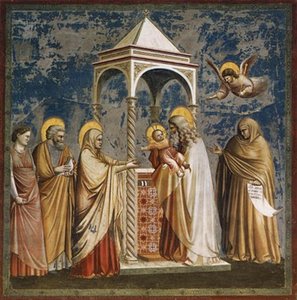
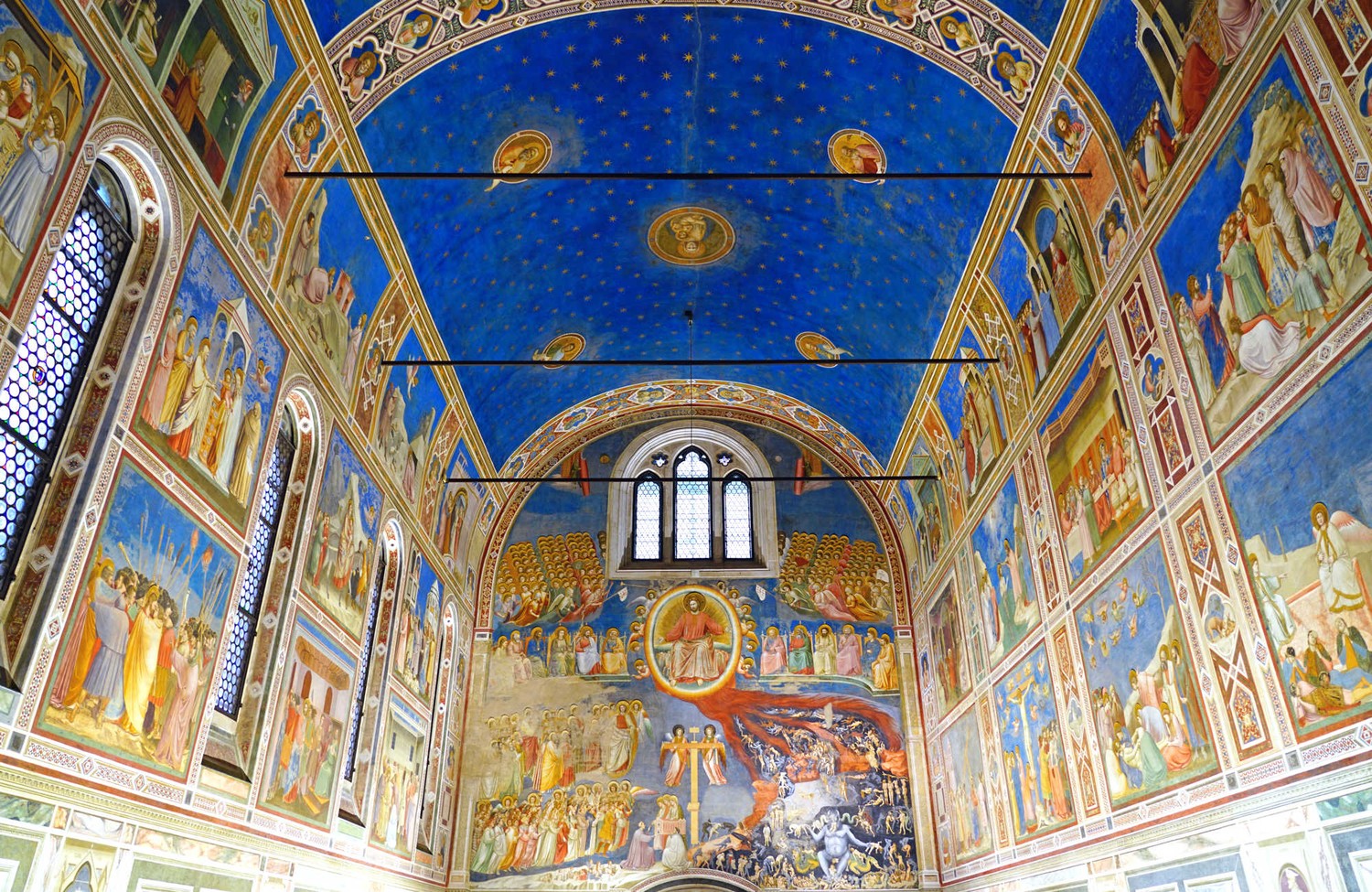
At the heart of the Cappella degli Scrovegni lies its extraordinary cycle of frescoes—a monumental undertaking that consumed Giotto and his team over a period of just two years, between 1303 and 1305. These aren’t merely decorative paintings; they are a complete visual narrative, meticulously unfolding across the walls and ceiling of the chapel. The core of the cycle centers around the life of Christ—from his infancy to his resurrection—interwoven with scenes from the Virgin Mary's life and the stories of key biblical figures. But it is in Giotto’s approach that the true significance lies: he abandons the rigid conventions of Byzantine art, introducing a level of realism, emotional depth, and humanism previously unseen in Western painting.
The “Last Judgment,” dominating the rear wall, is arguably the chapel's most powerful image. It depicts Christ’s return to Earth with an intensity that is both awe-inspiring and profoundly moving. Angels ascend, demons descend, and figures caught in moments of terror and revelation are rendered with a startling degree of psychological realism. Equally compelling are scenes from the Annunciation, the Nativity, the Adoration of the Magi, and the Passion of Christ—each meticulously detailed and imbued with a palpable sense of spirituality. Observe how Giotto uses atmospheric perspective to create a sense of depth, employing muted tones for distant figures and brighter hues for those closer to the viewer. Notice also his masterful use of color – vibrant reds, blues, and greens that bring the scenes to life.
A Patron’s Vision: Enrico Scrovegni
The story of the Cappella degli Scrovegni is inextricably linked to the vision and dedication of its patron, Enrico Scrovegni. Driven by a profound sense of piety and a desire to honor his family's legacy—particularly his father’s involvement in illicit financial dealings—Enrico commissioned this extraordinary artistic endeavor as an act of expiation for his family’s sins. He insisted that the chapel remain closed to the public until the frescoes were completed, demonstrating his deep reverence for the artistic process and his unwavering belief in its transformative power. His meticulous oversight ensured that every detail adhered to his exacting standards—a testament to his commitment to creating a truly exceptional work of art.
Preservation and Legacy: A Continuing Story
The preservation of the Cappella degli Scrovegni’s frescoes has been an ongoing challenge, requiring continuous scientific research and meticulous conservation efforts. The pigments used by Giotto are remarkably stable, but exposure to light and humidity can gradually cause them to fade or deteriorate. Modern techniques—including ultraviolet monitoring and digital imaging—are employed to assess the condition of the frescoes and guide restoration work. The museum diligently manages visitor access to minimize any potential damage, ensuring that future generations will be able to experience this extraordinary artistic achievement. The chapel’s significance extends far beyond its aesthetic beauty; it represents a pivotal moment in art history – a bridge between the medieval world and the burgeoning Renaissance.
Notable Exhibitions and Ongoing Research
The Scrovegni Chapel has been the subject of numerous scholarly studies and exhibitions over the years. In 2015, a major retrospective at the Metropolitan Museum of Art in New York explored Giotto’s life and work, highlighting the chapel as a pivotal moment in art history. The museum regularly hosts temporary exhibitions that delve deeper into specific aspects of the frescoes, offering new insights into Giotto's techniques, his artistic influences, and the historical context of his masterpiece. Ongoing research continues to shed light on the chapel’s secrets—scientists are using advanced imaging technologies to analyze the pigments used by Giotto, revealing their chemical composition and understanding how they interact with each other over time.