A Sanctuary of Sound: The Fryderyk Chopin Institute
Nestled within the heart of Warsaw’s Old Town, a city steeped in poignant beauty and resilient history, lies the Fryderyk Chopin Institute – more than just a museum; it's a living testament to a nation’s devotion to its most celebrated musical son. This isn’t merely a repository of scores and portraits; it’s an immersive experience, a carefully curated journey into the soul of Frédéric Chopin himself. The building itself, the Ostrogski Palace, is a breathtaking example of Baroque grandeur, painstakingly restored after decades of neglect and wartime devastation – a deliberate act of remembrance mirroring Warsaw's own rebirth from the ashes of the 1944 Uprising. Walking through its opulent halls feels like stepping back in time, yet simultaneously embracing a vibrant present dedicated to preserving and celebrating Chopin’s legacy. The palace’s very stones whisper tales of resistance, artistic perseverance, and the enduring spirit of Poland.
-
The Heart of the Collection:
At the core of the Institute’s collection lies the monumental *Complete Works* – a meticulously compiled facsimile edition of every known composition penned by Chopin himself. This isn't simply a printed book; it’s an unparalleled access point to his creative process, allowing scholars and music lovers alike to trace the evolution of melodies and harmonies directly from his hand. Imagine tracing the delicate arc of a phrase, feeling the weight of history in each note. Alongside this monumental achievement, the Institute houses a remarkable collection of historical pianos – instruments that would have resonated under Chopin’s fingertips, transporting visitors back to the salons of Paris where he honed his craft. These aren't mere museum pieces; they are tangible links to a bygone era, offering a visceral connection to the music itself.
-
Echoes of the Past:
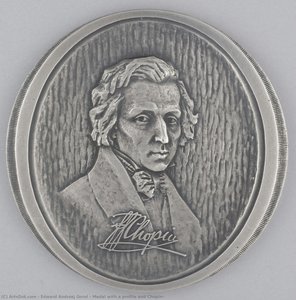
Beyond the manuscripts and instruments, the Institute boasts an extensive collection of portraits – intimate glimpses into Chopin’s life and personality, from early childhood sketches capturing his mischievous spirit to formal studio photographs revealing a thoughtful, almost melancholic gaze. These images offer a surprisingly human portrait of a musical genius, far removed from the idealized image often presented.
The Palace: A Testament to Resilience
The Ostrogski Palace itself is more than just a beautiful building; it’s a powerful symbol of Warsaw's enduring spirit. Constructed in the late 16th century, it witnessed centuries of Polish history – serving as a residence for wealthy nobles, a seat of government during turbulent times, and ultimately, a target of Nazi destruction during World War II. The painstaking restoration undertaken after the war wasn’t merely an act of architectural preservation; it was a deliberate statement of intent – a refusal to let the past be forgotten, a commitment to rebuilding not just buildings but also national identity. The Institute's location within this meticulously restored palace underscores its mission: to connect Chopin’s music with the historical context of his life, particularly the struggles faced by Poland during the 20th century.
A Legacy Forged in Remembrance
The Fryderyk Chopin Institute’s origins are inextricably linked to the devastating 1944 Uprising – a heroic but ultimately tragic attempt by Polish resistance fighters to liberate Warsaw from Nazi occupation. The museum's creation, as a precursor to the Institute, was conceived during Poland’s brief period of independence as a courageous act to safeguard Chopin’s memory amidst the encroaching darkness of war. Following World War II, the museum relocated and was reborn within the Ostrogski Palace, becoming the Institute we know today. The palace itself stands as a poignant symbol – a testament to Warsaw's resilience, having endured bombardment and occupation before being painstakingly restored to its former glory. The institute’s very existence is a powerful act of remembrance, honoring not only Chopin but also the sacrifices made by those who fought for Poland’s freedom.
International Recognition: The Chopin Competition
Perhaps the most internationally recognized aspect of the Fryderyk Chopin Institute is its role as the host of the prestigious International Chopin Piano Competition – a biennial event that draws some of the world’s most talented young pianists to Warsaw. This isn't merely a competition; it’s a vibrant celebration of Chopin’s music and a crucial platform for nurturing the next generation of classical musicians. The atmosphere during the competition is electric, a convergence of artistry, dedication, and national pride – reflecting Poland’s unwavering commitment to musical excellence. The event has become a cornerstone of Warsaw's cultural calendar, attracting visitors from around the globe and solidifying the city’s position as a global hub for Chopin appreciation.
Beyond the Walls: A Digital Echo
Recognizing the importance of disseminating Chopin’s influence beyond the confines of the palace, the Fryderyk Chopin Institute is actively engaged in digital outreach – establishing a comprehensive online archive accessible to music lovers around the world. Furthermore, the institute fosters collaborations with musicians, scholars, and cultural institutions globally, ensuring that Chopin's legacy continues to evolve and inspire new generations. The Institute’s commitment to innovation extends to its concert programming, which often incorporates European music within the context of its connections to Chopin’s life and work – a testament to its dedication to presenting a holistic and engaging artistic experience. The Institute is dedicated to ensuring that Chopin's genius remains accessible and relevant for years to come.