

Dziedzictwo wykute w kamieniu i czasie
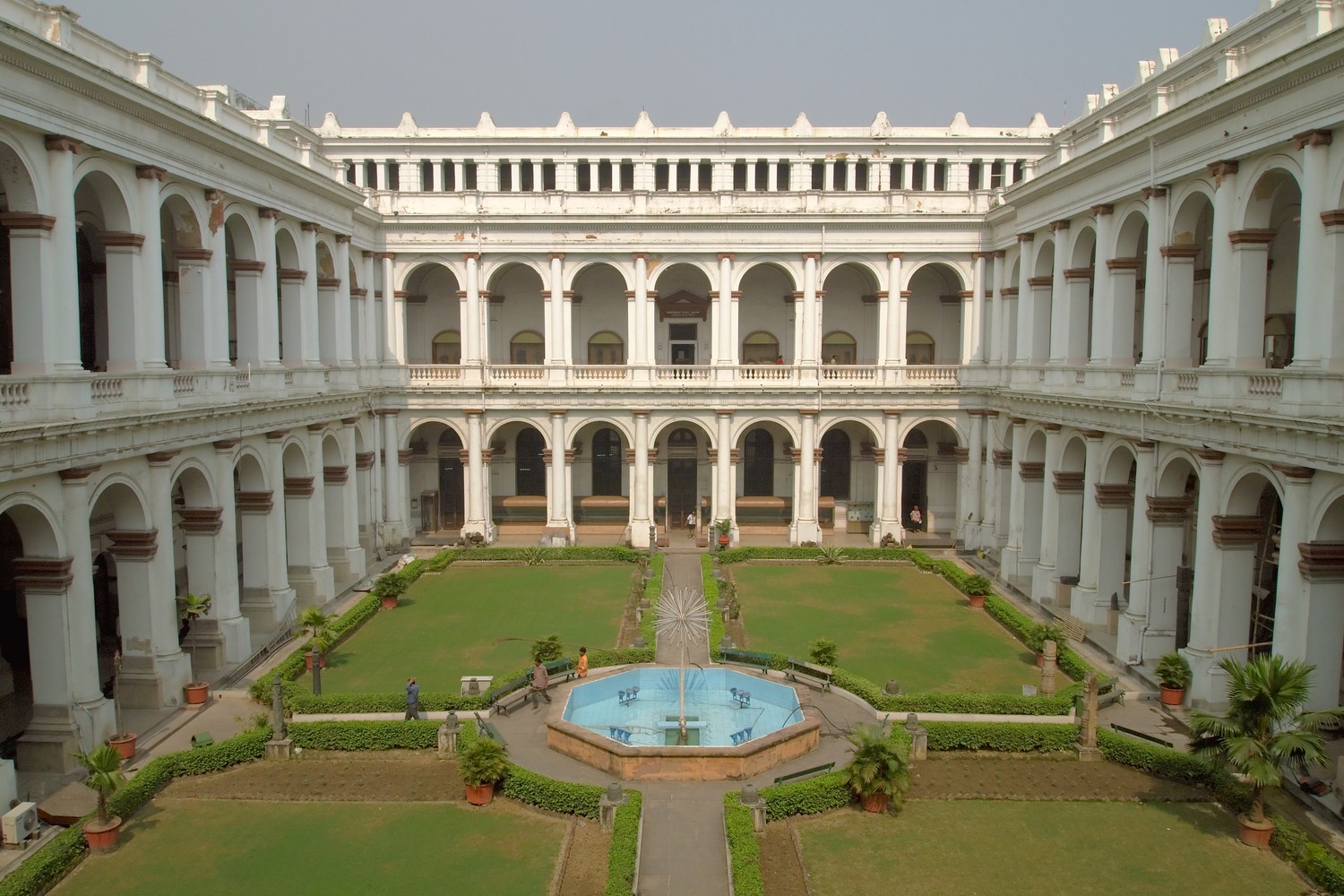
Indian Museum stanowi monumentalne świadectwo intelektualnego dziedzictwa Kalkuty – to latarnia wiedzy, która oświetla wieki artystycznej ekspresji i naukowych odkryć. Podchodząc do jego imponującej fasady, natychmiast ogarnia nas poczucie zachwytu, gdy uświadamiamy sobie, że przekraczamy próg miejsca, gdzie echa imperiów współbrzmią z szeptami starożytnych cywilizacji. Sam budynek to wspaniała neoklasycystyczna struktura zaprojektowana przez Williama Lawrence'a Granville'a przy konsultacji z Sir Thomasem Oldhamem, stanowiąca świadomą manifestację brytyjskich wpływów kolonialnych, a jednocześnie płynnie zintegrowana z tętniącym życiem krajobrazem miejskim Kalkuty. Wzniesiony głównie z piaskowca, z rozległym dziedzińcem i strzelistymi sufitami, tworzy atmosferę głębokiej kontemplacji, zapraszając odwiedzających do zgłębienia jego nieprzebranych skarbów.
Przekroczenie jego progów jest niczym rozpoczęcie niezwykłej podróży przez czas i kontynenty. Muzeum obejmuje oszałamiającą kolekcję, która buduje most między ludzkim duchem a światem przyrody. Dla miłośników sztuki lub kolekcjonerów historii, galerie archeologiczne są szczególnie zapierające dech w piersiach, prezentując relikty cywilizacji Doliny Indusu , wykwintne buddyjskie rzeźby z Bharrut oraz misterną sztukę Gandhary, która ukazuje piękne połączenie tradycji greckich i indyjskich. W tych salach można podziwiać terakotowe figurki przedstawiające hinduistyczne bóstwa i mityczne opowieści, stanowiące żywy obraz dawnych wierzeń.
Zbieżność sztuki i nauki
Poza archeologicznymi cudami, muzeum oferuje globalne perspektywy, które przenoszą duszę do odległych krain. Galeria Egipska , z niezwykle dobrze zachowanymi mumiami i sarkofagami, służy jako urzekająca przypomnienie o bogatym dziedzictwie kulturowym Egiptu i jego kluczowej roli w kształtowaniu cywilizacji zachodniej. Ta podróż przez ludzką historię jest pięknie dopełniona przez cuda świata naturalnego. Kolekcje skamieniałości – w tym majestatyczne szkielety dinozaurów – otwierają okno na życie prehistoryczne, podczas gdy galerie zoologiczne prezentują zdumiewający wachlarz okazów, od potężnych ssaków po delikatne owady.
Dla projektanta wnętrz lub miłośnika drobnych detali, zdolność muzeum do łączenia nauki z estetyką stanowi niewyczerpane źródło inspiracji. Kolekcja ta jest bogata w różnorodne tekstury i historyczne narracje, w tym:
- Malarstwo Mogołów: Oferujące wgląd w wystawne dwory i wyrafinowaną estetykę imperialnej przeszłości Indii.
- Arcydzieła Formy: Dzieła artystów takich jak Raja Ravi Varma oraz Bharat Chandra Bose , które oddają majestat królewskich procesji i idealizowane przedstawienia hinduistycznych bóstw.
- Starożytne Artefakty: Starannie wyselekcjonowana kolekcja zbroi, ozdób i antyków, które przemawiają kunsztem minionych epok.
Indian Museum nie jest jedynie statycznym pomnikiem, lecz żywą instytucją, która nieustannie ewoluuje, by przyjąć nowe technologie i naukowe perspektywy. Pozostaje on kluczowym sercem dialogu artystycznego, gdzie badania spotykają się z zachwytem, a każdy artefakt opowiada historię ludzkiej wytrwałości i twórczego geniuszu.