A Journey Through Faith and Fortress: Exploring Ávila Cathedral Museum
Nestled within the formidable walls of Ávila’s historic city center, the Ávila Cathedral Museum offers a profoundly moving experience—a rare convergence of artistic mastery, religious devotion, and architectural resilience. More than simply a repository of art, it's a tangible link to Spain’s turbulent past, a testament to the enduring spirit of Castile and León, and a captivating exploration of the interplay between faith, power, and beauty. The museum isn’t merely housed within Ávila Cathedral; it *is* part of the cathedral itself, an integral element woven into its very fabric—a remarkable fusion rarely found in European ecclesiastical architecture.
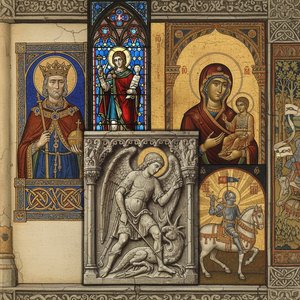
The museum's core collection is dominated by a breathtaking array of religious art spanning centuries, beginning with the medieval period and extending through the Renaissance. Central to this narrative are the monumental works of El Greco, whose dramatic figures and evocative use of color—particularly his later, more tormented style—are powerfully represented here. Alongside these masterpieces, you’ll discover the intricate sculptures of Pedro de Mena, a master of Baroque realism whose work embodies both spiritual depth and exquisite technical skill. These artists, deeply rooted in the region's artistic traditions, provide a crucial lens through which to understand the evolving religious landscape of Spain. Beyond these giants, the museum boasts an impressive collection of illuminated manuscripts—vibrant examples of medieval craftsmanship that offer intimate glimpses into the daily lives and beliefs of the era’s devout.
The Cathedral as Citadel: Architecture and Historical Context
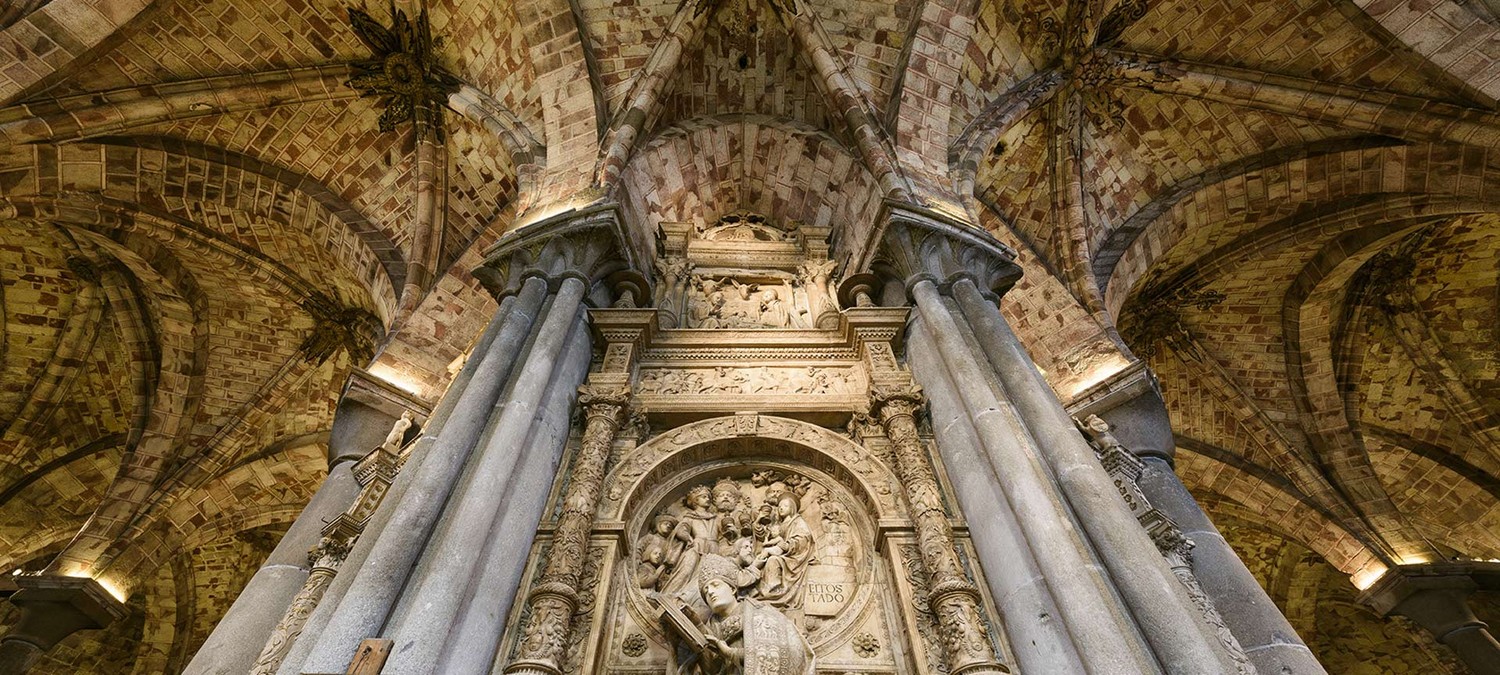
Ávila Cathedral's unique architectural identity is inextricably linked to its role as a fortified citadel. Originally conceived in the late Romanesque and early Gothic periods, it was designed not just as a place of worship but as a strategic defense against Moorish incursions—a vital component of Ávila’s city walls. The apse, seamlessly integrated into the defensive structure, speaks volumes about the city's historical importance and its precarious position within the broader Iberian Peninsula. Construction began around 1091, drawing significant influence from French Gothic architecture, notably the Abbey Church of St Denis in France—a testament to the exchange of artistic ideas across Europe during that time.
However, the cathedral’s story is one of continuous evolution. Over centuries, it absorbed elements of Classicism and Baroque styles, reflecting shifts in architectural taste and religious sensibilities. The imposing Romanesque structure gradually transformed into a more complex, layered building—a visual record of Ávila's changing fortunes and artistic preferences. The strategic design, with its robust walls, narrow windows, and fortified towers, remains strikingly evident even today, reminding visitors of the cathedral’s vital role in safeguarding the city throughout its history. The museum itself is carefully curated to highlight these architectural transitions, providing a comprehensive understanding of the building's multifaceted development.
Notable Exhibitions and Artistic Highlights
While the permanent collection forms the heart of the museum, the Ávila Cathedral Museum regularly hosts temporary exhibitions that illuminate specific themes within its vast holdings. These events often delve into the lives of individual artists—such as exploring the techniques and influences of El Greco—or examine broader artistic trends within Spanish religious art. Recent exhibitions have focused on the evolution of illuminated manuscripts, showcasing their intricate details and symbolic meanings.
Beyond the major works, smaller but equally compelling displays offer a closer look at the museum’s diverse collection. Don't miss the opportunity to study the hymnals and historical documents—these provide invaluable insights into Spain’s cultural and spiritual heritage, offering glimpses into the rituals, beliefs, and social customs of past generations. The museum also houses a remarkable collection of reliquaries and liturgical objects, each imbued with its own unique story and significance.
A Unique Experience: Art Within a Fortress
What truly distinguishes the Ávila Cathedral Museum is its unparalleled setting—the integration of art within a living, breathing fortress. Visitors aren’t simply viewing paintings and sculptures; they are immersed in an architectural environment that speaks to centuries of history, faith, and defense. The juxtaposition of soaring Gothic arches with imposing stone walls creates a powerful sense of drama and scale. Walking through the museum is like stepping back in time, experiencing firsthand the confluence of artistic expression and military strategy.
The Ávila Cathedral Museum offers more than just a visual feast; it’s an intellectual journey—a chance to contemplate the enduring legacy of Spanish art, architecture, and religious history. It's a place where the past feels palpably present, inviting visitors to reflect on the complexities of faith, power, and beauty within the heart of Ávila.