


A Journey Through the Soul of 19th-Century Germany
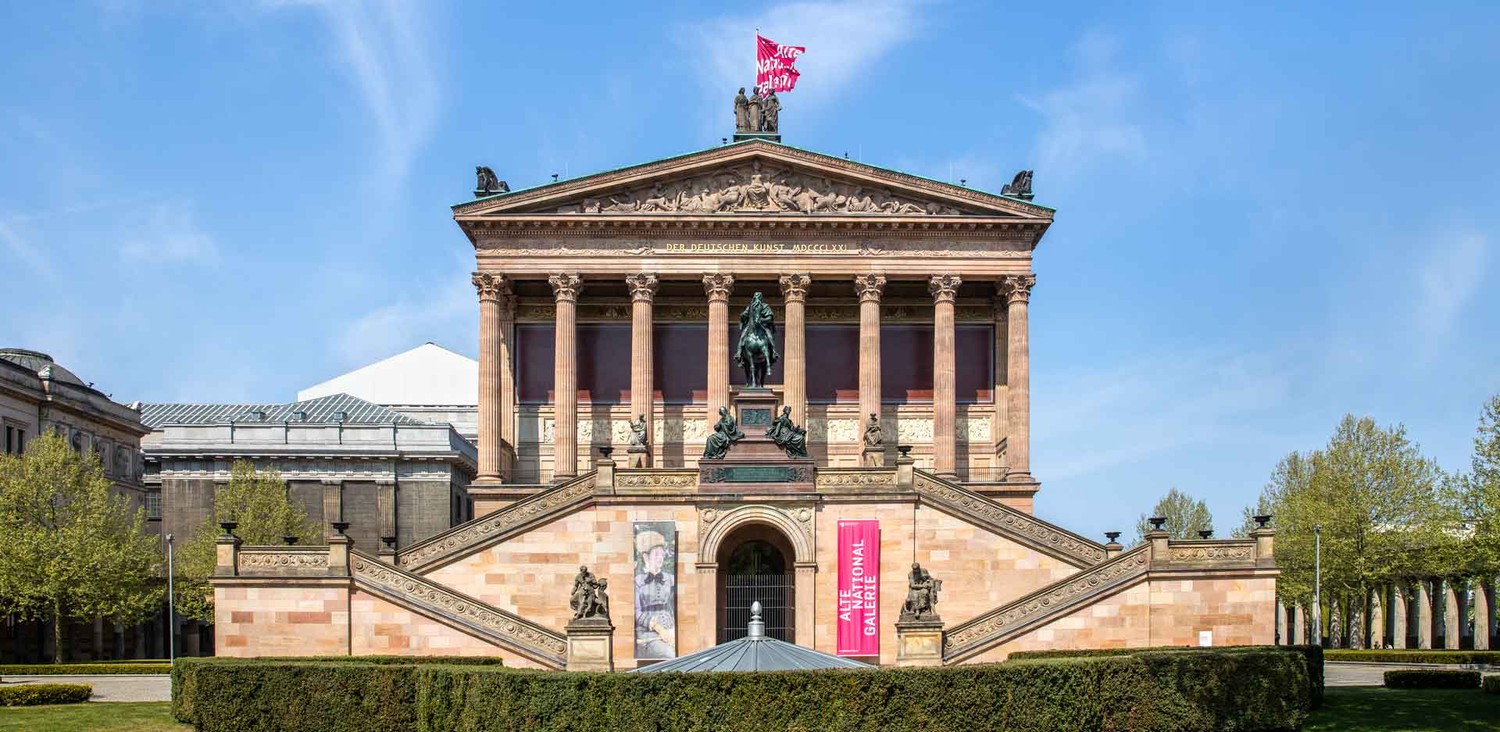
Stepping through the grand entrance of the Alte Nationalgalerie in Berlin is akin to stepping back into a pivotal moment in European history – a time of profound artistic and intellectual upheaval. More than just a museum, it’s an immersive experience, a carefully curated journey into the heart of the nineteenth century, a period defined by seismic shifts in artistic expression and philosophical thought. Nestled within the prestigious Museum Island—a UNESCO World Heritage site—this architectural masterpiece, designed by Friedrich August Stüler and completed in 1876, stands as a testament to Germany’s evolving cultural identity, offering visitors an unparalleled encounter with Romantic fervor, revolutionary Impressionism, and unflinching Realism. The building itself – a harmonious blend of Neoclassical elegance and innovative iron construction—is a bold statement of Prussia's ambition, a physical manifestation of the era’s burgeoning dynamism. Its imposing façade, crowned by a staircase leading to a memorial dedicated to King Frederick William IV, immediately establishes a sense of gravitas and historical significance.
The Alte Nationalgalerie’s collection is particularly celebrated for its profound representation of German Romanticism. At the forefront stands Caspar David Friedrich, whose landscapes aren't merely depictions of nature; they are deeply introspective meditations on humanity’s place within the sublime power and spiritual depth of the natural world. Works like *The Abbey in the Oakwood* invite viewers to contemplate mortality, faith, and the enduring mysteries of existence – a feeling intensified by the gallery’s carefully controlled lighting and spacious layout. Beyond Friedrich, the museum showcases a remarkable breadth of artistic styles. The revolutionary light and color of French Impressionism—embodied in canvases by Claude Monet, Édouard Manet, and Pierre-Auguste Renoir—offer a striking contrast, demonstrating how artists began to prioritize atmospheric effects and fleeting moments over precise detail. Renoir’s *Children's Afternoon at Wargemont*, for example, captures the joy of childhood with loose brushwork and a vibrant palette, exemplifying the Impressionist pursuit of capturing ephemeral beauty. Equally compelling are the meticulous depictions of Prussian society and military life by Adolph Menzel, offering a sobering yet captivating glimpse into the realities of nineteenth-century Germany, rendered with remarkable craftsmanship and social commentary.
A Legacy Forged in Vision: From Wagener’s Gift to Modern Renovations
The story of the Alte Nationalgalerie is as compelling as the art it houses. Its origins trace back to 1815, when Prussia first envisioned a national gallery. However, it was the generous donation of 262 paintings from banker Johann Heinrich Wagener in 1861 that truly laid the foundation for the collection. This initial bequest sparked a period of growth and acquisition, though not without its challenges. The late nineteenth century saw Hugo von Tschudi championing French Impressionism despite resistance from Kaiser Wilhelm II—a pivotal moment demonstrating the museum’s adaptability to evolving tastes and its commitment to showcasing groundbreaking artistic movements. The building endured significant damage during World War II, necessitating extensive renovations in the latter half of the twentieth and early twenty-first centuries. These restorations not only repaired the physical structure but also expanded the gallery's footprint, incorporating new halls specifically designed to honor Friedrich’s legacy and reaffirm Germany’s artistic heritage.
The renovation process was a remarkable feat of architectural preservation and design. The addition of the modern extension, conceived by Hermann Esser, seamlessly integrates with the original Neoclassical building, creating a harmonious dialogue between past and present. This careful balance allows visitors to fully appreciate the historical context of the collection while also experiencing the vibrancy of contemporary art. Notably, the museum’s commitment to accessibility is evident in its state-of-the-art facilities and interpretive programs, ensuring that the artwork can be enjoyed by a diverse audience.
Notable Exhibitions & Ongoing Engagement
The Alte Nationalgalerie consistently hosts a range of compelling exhibitions that delve into specific themes or artists within its vast collection. Recent highlights have included retrospectives dedicated to Friedrich’s influence on later generations of Romantic painters, as well as focused examinations of the museum's Impressionist holdings. Furthermore, the gallery actively engages with contemporary audiences through educational programs, workshops, and digital initiatives—including virtual tours and interactive online resources. The museum’s commitment to fostering a deeper understanding of art extends beyond the walls of the building, making it a vital cultural hub for Berlin and beyond.
A Timeless Masterpiece: Architecture & Atmosphere
Beyond its artistic treasures, the Alte Nationalgalerie is an architectural marvel. The building’s grand scale, soaring ceilings, and meticulously crafted details evoke a sense of awe and reverence. The interplay of light and shadow within the galleries creates a contemplative atmosphere, perfectly suited for appreciating the nuances of the artwork on display. The carefully considered use of materials—including the distinctive Triassic sandstone façade—contributes to the building’s timeless beauty and historical significance. Visiting this institution isn't simply about admiring paintings and sculptures—it’s about experiencing a landmark that embodies Germany’s artistic soul, transporting visitors back to an era brimming with creativity, intellectual fervor, and social change. The gallery continues to host notable exhibitions, often focusing on specific themes or artists within its collection, further enriching the visitor experience and fostering a deeper understanding of nineteenth-century art.




