Portret Wilhelm Bendz

Obrazy: 36 najsłynniejszych dzieł artysty Wilhelm Bendz – spojrzenie galerii

Aktualizacja: Listopad 2026 · ranking według naszego wskaźnika popularności (liczba wyszukiwań, wizyt i zamówień dla każdego dzieła) · 37 dzieł Wilhelm Bendz w naszym katalogu

W skrócie

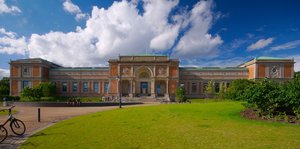
Według opinii kuratorów galerii, najsłynniejszym obrazem Wilhelm Bendz jest The German Painter Marcus Johann Heaselich (1831), którego oryginał znajduje się w Statens Museum for Kunst w Kopenhaga. Countess Sophia Vilhelmine Moltke, née Levetzau (1831) i A Smoking Party (1828) dopełniają trio, które zna każde oko. Z 37 dzieł Wilhelm Bendz w naszym katalogu, galeria prezentuje poniżej 36 najsłynniejszych prac – każda z nich jest oryginałem z podaniem roku powstania, muzeum oraz cech wyróżniających ją na tle innych.

1804 – 1832, Odense Danish golden age Najwięcej dzieł: Statens Museum for Kunst

10 najlepszych obrazów artysty Wilhelm Bendz w galerii

1
The German Painter Marcus Johann Heaselich (1831) autorstwa Wilhelm Bendz

The German Painter Marcus Johann Heaselich

1831 · Oil On Paper · Statens Museum for Kunst, Kopenhaga

The light catches the side of a man's face, pulling him out of a deep, shadowy background. He sits in a moment of stillness, his gaze drifting toward the left of the frame as if lost in a thought that has nothing to do with the viewer. This is Marcus Johann Heaselich, captured in a way that feels less like a formal sitting and more like a sudden, fleeting glimpse…

2
Countess Sophia Vilhelmine Moltke, née Levetzau (1831) autorstwa Wilhelm Bendz

Countess Sophia Vilhelmine Moltke, née Levetzau

1831 · Oil · Nationalmuseum, Stockholm

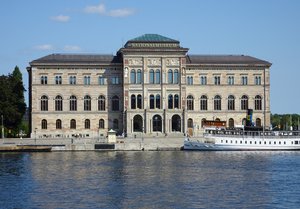
The gaze of Countess Sophia Vilhelmine Moltke, née Levetzau, meets the viewer from within this 1831 portrait by Wilhelm Bendz. She sits with a quiet, composed dignity that speaks of her high social standing and noble lineage. Every detail of her presence suggests a moment of stillness in a life of structured elegance. The subject remains poised, her expression carrying an air of calm authority that defines her character.

3
A Smoking Party (1828) autorstwa Wilhelm Bendz

A Smoking Party

1828 · Oil On Canvas · Ny Carlsberg Glyptotek, Kopenhaga

by Wilhelm Bendz offers a glimpse into a private social gathering within a Copenhagen home during the Golden Age. Created about 1828, the work functions as an all-male genre grouping of tobacco addicts with a musical bent. The scene captures a moment of leisure and conversation among a circle of friends.

4
The Visit of the Beggar to the Artist (1829) autorstwa Wilhelm Bendz

The Visit of the Beggar to the Artist

1829 · Oil On Panel

In "The Visit of the Beggar to the Artist" by Wilhelm Bendz, we find ourselves observing a quiet, domestic interior from the early 19th century. The composition is vertically oriented, utilizing a doorway as a framing device to create a sense of depth and a transition between different spaces. This structural choice draws the eye toward the central narrative: an elderly woman and a young child entering a room, seemingly…

5
portrait of the painter Niels Peter Holbech (1824) autorstwa Wilhelm Bendz

portrait of the painter Niels Peter Holbech

1824 · Oil On Canvas · Fuglsang Art Museum, Guldborgsund

In the portrait of the painter Niels Peter Holbech, Wilhelm Bendz utilizes a vertical medium shot to position the subject slightly off-center to the left. The young man, characterized by wavy brown hair, leans against a desk within the quiet confines of an artist's studio. He is dressed in a black waistcoat worn over a voluminous white shirt and a dark necktie. To the right, an anatomical sculpture provides a…

6
The German Painter Heinrich Marr (1832) autorstwa Wilhelm Bendz

The German Painter Heinrich Marr

1832 · Oil On Canvas · Statens Museum for Kunst, Kopenhaga

The German Painter Heinrich Marr is a portrait by the Danish artist Wilhelm Bendz. This work captures the likeness of the German painter Heinrich Marr, a man whose presence is fixed within the frame. The artist, Wilhelm Bendz, rendered this image about 1832, a period marking the final chapter of his own creative life.

7
Christian IV på "Trefoldigheden" i slaget på Koldberger Heide 1644 (1828) autorstwa Wilhelm Bendz

Christian IV på "Trefoldigheden" i slaget på Koldberger Heide 1644

1828 · Oil · Statens Museum for Kunst, Kopenhaga

The composition is vertical and dynamic, organized around a pyramidal arrangement of figures that directs the eye from the fallen soldiers in the foreground toward a central protagonist. This central figure, King Christian IV, is positioned amidst a chaotic battle scene, his stature enhanced by a low-angle perspective. The scene depicts the naval and land-based turmoil of the Battle of Koldby Heath in 1644, specifically focusing on the King's presence…

8
Portræt af jomfru Nissen (1825) autorstwa Wilhelm Bendz

Portræt af jomfru Nissen

1825 · Oil · Statens Museum for Kunst, Kopenhaga

In Portræt af jomfru Nissen, Wilhelm Bendz presents a formal and dignified oil portrait of an elderly woman. The composition is a centered, bust-length study that focuses entirely on the subject's presence. She is positioned against a dark, muted background, which allows the viewer to focus on the quiet strength of her features. The color palette is dominated by deep, desaturated tones, creating a somber and classical atmosphere that feels…

10
Young Pan in a Grotto. Model (1825) autorstwa Wilhelm Bendz

Young Pan in a Grotto. Model

1825 · Oil On Canvas · Statens Museum for Kunst, Kopenhaga

This oil on canvas painting, titled Young Pan in a Grotto. Model, was executed by the Danish artist Wilhelm Bendz in 1825. It represents a significant moment in the artist's early development, created during a period when he was refining his command of classical and mythological themes. The work captures a specific, quiet moment of repose, moving away from the genre scenes for which he would later become widely recognized.

Obrazy artysty Wilhelm Bendz, uszeregowane od 11 do 36 miejsca

11Male Model (1824) autorstwa Wilhelm BendzMale Model1824 · Statens Museum for Kunst 12Self-Portrait (1825) autorstwa Wilhelm BendzSelf-Portrait1825 · Statens Museum for Kunst 13The Raffenberg Family (1830) autorstwa Wilhelm BendzThe Raffenberg Family1830 · Statens Museum for Kunst 14Cathrine von Halle, née Nathanson (1830) autorstwa Wilhelm BendzCathrine von Halle, née Nathanson1830 · Statens Museum for Kunst 15Dame med strikketøj. En af kunstnerens søstre (?) (1827) autorstwa Wilhelm BendzDame med strikketøj. En af kunstnerens søstre (?)1827 · Statens Museum for Kunst 16Unknown Young Gentleman (1831) autorstwa Wilhelm BendzUnknown Young Gentleman1831 · Statens Museum for Kunst 17Marie Raffenberg, the Artist's Betrothed (1831) autorstwa Wilhelm BendzMarie Raffenberg, the Artist's Betrothed1831 · Statens Museum for Kunst 18The Actor Christoffer Hvid (1826) autorstwa Wilhelm BendzThe Actor Christoffer Hvid1826 · Statens Museum for Kunst 19The German Painter Herman Kaufmann (1831) autorstwa Wilhelm BendzThe German Painter Herman Kaufmann1831 · Statens Museum for Kunst 20A Sculptor in his Studio Working from the Life (1827) autorstwa Wilhelm BendzA Sculptor in his Studio Working from the Life1827 · Statens Museum for Kunst 21Interior with women and children around a table. (1827) autorstwa Wilhelm BendzInterior with women and children around a table.1827 22Outside the Odense poorhouse. (1831) autorstwa Wilhelm BendzOutside the Odense poorhouse.1831 · Hirschsprung Collection 23Portrait of a young man with a Phrygian cap (1825) autorstwa Wilhelm BendzPortrait of a young man with a Phrygian cap1825 · Ny Carlsberg Glyptotek 24Artists in Finck's Coffee House (1832) autorstwa Wilhelm BendzArtists in Finck's Coffee House1832 · Thorvaldsen Museum 25Portrait of the German Painter Wilhelm von Kaulbach (1832) autorstwa Wilhelm BendzPortrait of the German Painter Wilhelm von Kaulbach1832 · Statens Museum for Kunst 26Portrait of a girl in a black dress sitting at table (1837) autorstwa Wilhelm BendzPortrait of a girl in a black dress sitting at table1837 · Statens Museum for Kunst 27Portrait of a Man autorstwa Wilhelm BendzPortrait of a ManFitzwilliam College 28A Coach House. Partenkirchen (1831) autorstwa Wilhelm BendzA Coach House. Partenkirchen1831 · Statens Museum for Kunst 29Parti ved Odense kanal (1825) autorstwa Wilhelm BendzParti ved Odense kanal1825 · Statens Museum for Kunst 30Mountain landscape (1831) autorstwa Wilhelm BendzMountain landscape1831 · Hirschsprung Collection 31The Church of Ramsau (1832) autorstwa Wilhelm BendzThe Church of Ramsau1832 · Ashmolean Museum of Art and Archaeology 32Study of Light in a Vaulted Interior autorstwa Wilhelm BendzStudy of Light in a Vaulted Interior 33Portrait of a Woman autorstwa Wilhelm BendzPortrait of a WomanFitzwilliam College 34A Young Artist (Ditlev Blunck) Examining a Sketch in a Mirror (1826) autorstwa Wilhelm BendzA Young Artist (Ditlev Blunck) Examining a Sketch in a Mirror1826 · Statens Museum for Kunst 35Familien Waagepetersen (1830) autorstwa Wilhelm BendzFamilien Waagepetersen1830 · Statens Museum for Kunst 36Interior from Amaliegade. Captain Carl Ludvig Bendz standing and Dr. Jacob Christian Bendz seated (1829) autorstwa Wilhelm BendzInterior from Amaliegade. Captain Carl Ludvig Bendz standing and Dr. Jacob Christian Bendz seated1829 · Hirschsprung Collection

Słynne obrazy Wilhelm Bendz epoka po epoce

Tematy, które przyciągnęły wzrok Wilhelm Bendz

Cztery motywy najczęściej powracające w tych oryginałach, z których każdy doczekał się swojego najdoskonalszego przykładu.

Muzea przechowujące oryginały Wilhelm Bendz

8 muzeów, w których znajduje się najwięcej obrazów z tej strony.

Muzea Miasto Dzieła artysty Wilhelm Bendz Obrazy z tej listy
Statens Museum for Kunst, KopenhagaStatens Museum for Kunst Kopenhaga 22 The German Painter Marcus Johann Heaselich, The German Painter Heinrich Marr, Christian IV på "Trefoldigheden" i slaget på Koldberger Heide 1644
Hirschsprung Collection, KopenhagaHirschsprung Collection Kopenhaga 3 Outside the Odense poorhouse., Mountain landscape, Interior from Amaliegade. Captain Carl Ludvig Bendz standing and Dr. Jacob Christian Bendz seated
Ny Carlsberg Glyptotek, KopenhagaNy Carlsberg Glyptotek Kopenhaga 2 A Smoking Party, Portrait of a young man with a Phrygian cap
Fitzwilliam College, CambridgeFitzwilliam College Cambridge 2 Portrait of a Man, Portrait of a Woman
Nationalmuseum, StockholmNationalmuseum Stockholm 1 Countess Sophia Vilhelmine Moltke, née Levetzau
Fuglsang Art Museum, GuldborgsundFuglsang Art Museum Guldborgsund 1 portrait of the painter Niels Peter Holbech
Thorvaldsen Museum, KopenhagaThorvaldsen Museum Kopenhaga 1 Artists in Finck's Coffee House
Ashmolean Museum of Art and Archaeology, OksfordAshmolean Museum of Art and Archaeology Oksford 1 The Church of Ramsau

Wilhelm Bendz, flagowe dzieła każdego roku

Około dziesięć lat, od 1824 do 1832, wystarczyło dla Wilhelm Bendz: galeria prowadzi przez nie rok po roku, prezentując jeden słynny oryginał po drugim.

Dzieła według lat

Wybierz rok, aby zobaczyć oryginały.

Obrazy artysty Wilhelm Bendz: odpowiedzi galerii

Który obraz Wilhelm Bendz jest najsłynniejszy ze wszystkich?Odkryj odpowiedź

The German Painter Marcus Johann Heaselich (1831), Statens Museum for Kunst, Kopenhaga. Następne są Countess Sophia Vilhelmine Moltke, née Levetzau (1831) oraz A Smoking Party (1828).

Ile lat miał Wilhelm Bendz, gdy ukończył The German Painter Marcus Johann Heaselich?Odkryj odpowiedź

27 lat: The German Painter Marcus Johann Heaselich pochodzi z 1831, a Wilhelm Bendz urodził(a) się w 1804.

Które to 10 najlepszych obrazów Wilhelm Bendz?Odkryj odpowiedź

The German Painter Marcus Johann Heaselich, Countess Sophia Vilhelmine Moltke, née Levetzau, A Smoking Party, The Visit of the Beggar to the Artist, portrait of the painter Niels Peter Holbech, The German Painter Heinrich Marr, Christian IV på "Trefoldigheden" i slaget på Koldberger Heide 1644, Portræt af jomfru Nissen, The Life Class at the Royal Academy of Fine Arts i Young Pan in a Grotto. Model. Powyższy ranking zawiera rok powstania oraz muzeum dla każdego z nich.

Ile dzieł stworzył/a Wilhelm Bendz?Odkryj odpowiedź

Nasz katalog zawiera 37 dzieł artysty Wilhelm Bendz, datowanych od 1824 do 1832.

Gdzie można znaleźć najsłynniejsze oryginały autorstwa Wilhelm Bendz?Odkryj odpowiedź

W większości znajdują się w Statens Museum for Kunst (Kopenhaga), Hirschsprung Collection (Kopenhaga) i Ny Carlsberg Glyptotek (Kopenhaga). Powyższa tabela muzeów zawiera ich pełną listę.

Kiedy Wilhelm Bendz stworzył swoje najsłynniejsze obrazy?Odkryj odpowiedź

W 1831: 8 z 36 dzieł na tej stronie powstało w tym czasie, w tym The German Painter Marcus Johann Heaselich.

Które z najsłynniejszych dzieł Wilhelm Bendz należą do jego najwcześniejszych i najpóźniejszych prac?Odkryj odpowiedź

Na tej stronie najwcześniejszy to portrait of the painter Niels Peter Holbech (1824), a najpóźniejszy The German Painter Heinrich Marr (1832).

Do jakich tematów Wilhelm Bendz powracał najczęściej?Odkryj odpowiedź

Man (14), Woman (11) i Portrait (10), w ramach 36 dzieł na tej stronie.

W jakiej technice najczęściej tworzył Wilhelm Bendz?Odkryj odpowiedź

Oil On Canvas, dla 19 z 36 dzieł na tej stronie.

Z jakim nurtem związany jest Wilhelm Bendz?Odkryj odpowiedź

Danish golden age, sądząc po oryginałach na tej stronie.

Które oryginały artysty Wilhelm Bendz znajdują się w zbiorach Statens Museum for Kunst?Odkryj odpowiedź

The German Painter Marcus Johann Heaselich, The German Painter Heinrich Marr i Christian IV på "Trefoldigheden" i slaget på Koldberger Heide 1644: Statens Museum for Kunst, Kopenhaga posiada 22 dzieł widocznych na tej stronie.

Wilhelm Bendz: artysta

Wilhelm Ferdinand Bendz: Krótka Biografia

Urodzony: 20 marca 1804, Odense, Dania
Zmarł: 14 listopada 1832, Vicenza, Imperium Austriackie (dzisiejsze Włochy)
Narodowość: Duńska
Nurt: Złoty Wiek Duński

Wczesne lata i kształcenie artystyczne

Wilhelm Bendz przyszedł na świat w Odense, na duńskiej wyspie Funen. Już od najmłodszych lat przejawiał niezwykły talent plastyczny, co sprawiło, że został wysłany do Kopenhagi, aby poddać swój dar formalnemu kształceniu. W latach 1820–1825 kształcił się w Królewskiej Duńskiej Akademii Sztuk Pięknych pod okiem Christoffera Wilhelma Eckersberga, postaci kluczowej dla rozwoju duńskiego malarstwa. Choć w 1825 roku podjął próbę zdobycia prestiżowego złotego medalu w dziedzinie malarstwa historycznego, zabrakło mu szczęścia, co paradoksalnie skierowało jego ścieżkę ku nowym horyzontom. W konsekwencji artysta skupił się na portretach oraz scenach rodzajowych, a jego styl ukształtował się pod wpływem współczesnego malarstwa niemieckiego, a w szczególności szkoły monachijskiej, która wywarła niezatarte piętno na jego artystycznej wizji.

Najważniejsze momenty w karierze i rozwój artystyczny

Po ukończeniu studiów Bendz regularnie wystawiał swoje prace w Charlottenborg, zdobywając uznanie krytyków i kolekcjonerów. Jego talent został doceniony przez Królewską Kolekcję Malarstwa, która pozyskała kilka jego wybitnych dzieł, takich jak „Klasa modelowa w Akademii Sztuk Pięknych”, „Młody artysta oglądający szkic w lustrze” oraz „Rzeźbiarz pracujący z żywym modelem”.

Ważnym etapem w jego edukacji była praca jako asystent w pracowni Eckersberga, gdzie zajmował się takimi zadaniami jak rekonstrukcja obrazów historycznych oraz tworzenie precyzyjnych kopii. To doświadczenie ugruntowało jego warsztat i przygotowało do dalszych poszukiwań artystycznych.

Przełomowym momentem w jego życiu był rok 1830, kiedy to dzięki otrzymanemu stypendium podróżnemu Bendz wyruszył w podróż przez Europę Południową. Spędził około roku w Monachium, które w tamtym czasie stanowiło tętniące życiem centrum artystyczne. To właśnie z tego okresu pochodzi jego najbardziej znaczące dzieło, „Artysta wieczorem w kawiarni Fincka w Monachium” – fascynujący portret grupowy, który w mistrzowski sposób ukazuje ewoluujący styl malarza oraz jego niezwykłą zdolność do obserwacji rzeczywistości.

Styl artystyczny i inspiracje

Twórczość Wilhelma Bendza wyrastała z głębokiego podziwu dla mistrzów, a jego artystyczna wizja została ukształtowana przede wszystkim przez wpływ Christoffera Wilhelma Eckersberga. To właśnie od niego przejął kluczowe dla swojego warsztatu podejście: nacisk na bezpośrednią obserwację natury, niezwykle precyzyjne oddanie detali oraz dbałość o klarowność kompozycji. Równie istotną rolę w procesie kształtowania jego unikalnego spojrzenia odegrała Szkoła Monachijska, która wzbogaciła jego estetykę o nowe perspektywy.

Charakterystyczną cechą jego malarstwa jest wyrafinowana gra światła oraz złożone, wielowarstwowe kompozycje, które w sposób niezwykle autentyczny portretują codzienne życie, ze szczególnym uwzględnieniem intymnych scen z udziałem artystów i ich kręgów towarzyskich. Bendz posiadał rzadki dar przedstawiania wnętrz, w których z niemal czułą uwagą operował światłem i cieniem.

W swoich dziełach artysta wykazywał się prawdziwym wirtuozostwem technicznym, szczególnie w sposobie, w jaki oddawał źródła światła oraz kładł subtelne, głębokie cienie. To właśnie ta biegłość w operowaniu blaskiem i mrokiem nadawała jego płótnom niespotykaną głębię oraz uderzający realizm, przenosząc widza prosto w serce malowanych scen.

Dziedzictwo i znaczenie historyczne

Mimo że jego kariera została gwałtownie przerwana przedwczesną śmiercią w wieku zaledwie 28 lat, Wilhelm Bendz pozostaje w pamięci jako jeden z najbardziej utalentowanych artystów swojego pokolenia. Jego malarstwo stanowi niezwykle cenne okno na świat, oferując nam wgląd w życie artystycznych kręgów oraz codzienność duńskich twórców w czasach Złotego Wieku. Niezwykła zdolność Bendza do harmonijnego łączenia portretu, scen rodzajowych oraz elementów alegorycznych świadczy o jego ogromnych ambicjach i artystycznej wszechstronności. Dzieła takie jak „Artysta wieczorem w kawiarni Fincka w Monachium” nieustannie budzą podziw, zachwycając nie tylko techniczną biegłością, ale przede wszystkim intymnym, niemal namacalnym portretem życia artystycznego.