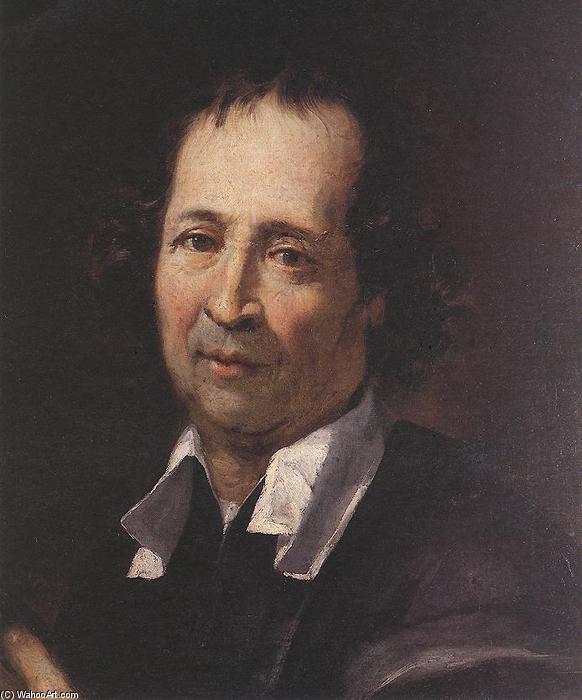
Portret Pierre Puget

77 najsłynniejszych obrazów artysty Pierre Puget – wybór z galerii

Aktualizacja: Październik 2026 · ranking według naszego wskaźnika popularności (liczba wyszukiwań, wizyt i zamówień dla każdego dzieła) · 77 dzieł Pierre Puget w naszym katalogu

W skrócie

Spośród wszystkich dzieł oryginalnych, które pozostawił Pierre Puget, najsłynniejszym jest The Meeting of Alexander the Great and Diogenes (1671), znajdujący się w kolekcji Luwr w Paryż. Tuż za nimi znajdują się Milo of Croton (1671) oraz The Meeting of Alexander the Great and Diogenes (1671). Nasz katalog zawiera 77 dzieł autorstwa Pierre Puget; galeria zachowała 77 najbardziej podziwianych na świecie prac, z których każda została przedstawiona wraz z datą powstania, informacją o muzeum oraz jej historią.

1620 – 1694, Marsylia Baroque style Najwięcej dzieł: Luwr

10 najlepszych obrazów artysty Pierre Puget: wybór galerii

1
The Meeting of Alexander the Great and Diogenes (1671) autorstwa Pierre Puget

The Meeting of Alexander the Great and Diogenes

1671 · Marble · Luwr, Paryż

In the hallowed halls of art history, few encounters possess the dramatic tension found in Pierre Puget’s 1671 masterpiece, The Meeting of Alexander the Great and Diogenes. This monumental sculpture is far more than a mere historical reconstruction; it is a breathtaking theatrical performance frozen in marble. At its heart lies a profound confrontation between two opposing worlds: the boundless, imperial ambition of Alexander the Great and the radical, ascetic…

2
Milo of Croton (1671) autorstwa Pierre Puget

Milo of Croton

1671 · Marble · Luwr, Paryż

In the hallowed halls of the Louvre Museum, one figure commands the space with a visceral, breathtaking intensity that transcends the cold stillness of marble. Pierre Puget’s Milo of Croton is not merely a sculpture; it is a profound psychological drama frozen in time. Completed between 1671 and 1682, this monumental work serves as a cornerstone of the Baroque era, capturing a moment where physical prowess meets unbearable suffering. The…

3
The Meeting of Alexander the Great and Diogenes (1671) autorstwa Pierre Puget

The Meeting of Alexander the Great and Diogenes

1671 · Sculpture · Luwr, Paryż

In the hallowed halls of the Musée du Louvre, there exists a moment frozen in time, a theatrical confrontation that transcends the boundaries of mere sculpture to become a profound meditation on human existence. Pierre Puget’s 1671 masterpiece, The Meeting of Alexander the Great and Diogenes, is not simply a depiction of two historical figures; it is a breathtaking performance captured in alabaster. The work brings us face-to-face with the…

4
Autorportret (1668) autorstwa Pierre Puget

Autorportret

1668 · Olej na płótnie · Musée Granet, Aix-en-Provence

Pierre Paul Puget (16 października 1620 roku lub 31 października 1622 roku – 2 grudnia 1694 roku) był francuskim malarzem barokowym, rzeźbią i architektem. Jego twórczość rzeźbiencza wyrażała emocje, patos i dramat, wyróżniając się spośród klasycznej i akademickiej rzeźby stylu Ludwika XIV.

5
View on the Sea (1670) autorstwa Pierre Puget

View on the Sea

1670 · Acrylic On Canvas · Luwr, Paryż

Pierre Puget's "View on the Sea," created around 1670, isn’t merely a depiction of three ships navigating a hazy horizon; it’s a meticulously crafted tableau brimming with Baroque drama and an intimate understanding of human scale. Born in Marseille during a period of intense maritime activity, Puget’s life was inextricably linked to the sea – initially as a craftsman shaping the hulls of galleys, later as a celebrated sculptor, architect,…

6
Bust of Young August autorstwa Pierre Puget

Bust of Young August

Rzeźba · Museo di Sant'Agostino, Genua

Pierre Puget’s “Bust of Young August” stands as a testament to the enduring power of classical sculpture and the humanist ideals that flourished in 17th-century Italy. Created around 1689, this marble masterpiece resides within the Museo di Sant'Agostino in Rome, offering visitors an intimate glimpse into a pivotal moment in artistic history.

7
Hercules Standing (1660) autorstwa Pierre Puget

Hercules Standing

1660 · Terracotta · Berlińskie Muzea Państwowe, Berlin

In Hercules Standing, Pierre Puget presents the legendary hero of Greek mythology through a lens of physical power and controlled movement. Created about 1660, the sculpture focuses on the attributes for which the figure is most recognized: immense strength and prowess. Rather than a static representation, the subject is captured in a dynamic contrapposto pose, where the weight shifts onto one leg while the other remains relaxed, creating a sense…

The Pierre Puget selection continues, 11 to 77

11Perseus and Andromeda (1678) autorstwa Pierre PugetPerseus and Andromeda1678 · Luwr 12Christ Dying on the Cross autorstwa Pierre PugetChrist Dying on the CrossLuwr 13La Ravissement d autorstwa Pierre PugetLa Ravissement dDetroit Institute of Arts 14Door of the Hôtel de Ville at Toulon (1656) autorstwa Pierre PugetDoor of the Hôtel de Ville at Toulon1656 · Musée Navale 15Ship at Marseille (1651) autorstwa Pierre PugetShip at Marseille1651 · Musée Des Beaux 16Portrait of the Artist's Mother (1651) autorstwa Pierre PugetPortrait of the Artist's Mother1651 · Private collection 17The Visitation (1659) autorstwa Pierre PugetThe Visitation1659 · Musée Granet 18Alessandro Sauli (1666) autorstwa Pierre PugetAlessandro Sauli1666 19The Holy Family at the Palm-tree (1662) autorstwa Pierre PugetThe Holy Family at the Palm-tree1662 · Private collection 20Navigation before a Promontory (1680) autorstwa Pierre PugetNavigation before a Promontory1680 · Musée des Beaux-Arts 21Perseus and Andromeda (1678) autorstwa Pierre PugetPerseus and Andromeda1678 · Luwr 22Kamienowanie Piotra Apostoła (1654) autorstwa Pierre PugetKamienowanie Piotra Apostoła1654 · Musée Des Beaux 23Wykształcenie Achilla przez Chirona (1690) autorstwa Pierre PugetWykształcenie Achilla przez Chirona1690 · Musée Des Beaux 24St Sebastian autorstwa Pierre PugetSt Sebastian 25Homer autorstwa Pierre PugetHomer 26Self-portrait autorstwa Pierre PugetSelf-portrait 27Blessed Alessandro Sauli autorstwa Pierre PugetBlessed Alessandro Sauli 28Self portrait Marble autorstwa Pierre PugetSelf portrait Marble 29Philosopher autorstwa Pierre PugetPhilosopherBawarskie Państwowe Zbiory Malarstwa 30Immaculate Conception autorstwa Pierre PugetImmaculate Conception 31Milon de Crotone detail autorstwa Pierre PugetMilon de Crotone detail 32The Rape of Helen of Troy autorstwa Pierre PugetThe Rape of Helen of Troy 33Atlas from the door of the Hôtel de Ville at Toulon autorstwa Pierre PugetAtlas from the door of the Hôtel de Ville at Toulon 34Two Vessels under Sail autorstwa Pierre PugetTwo Vessels under Sail 35View of the harbor of Toulon autorstwa Pierre PugetView of the harbor of Toulon 36Virgin of the Immaculate Conception autorstwa Pierre PugetVirgin of the Immaculate Conception 37Milo of Croton (detail) autorstwa Pierre PugetMilo of Croton (detail) 38Assumption of the Virgin autorstwa Pierre PugetAssumption of the Virgin 39Design for the decoration of a Warship autorstwa Pierre PugetDesign for the decoration of a Warship 40Louis XIV autorstwa Pierre PugetLouis XIV 41Hercules at Rest (detail) autorstwa Pierre PugetHercules at Rest (detail) 42Le baptême de Clovis autorstwa Pierre PugetLe baptême de Clovis 43LE BAPTEME DE CONSTANTIN autorstwa Pierre PugetLE BAPTEME DE CONSTANTIN 44LE SOMMEIL DE L'ENFANT JESUS autorstwa Pierre PugetLE SOMMEIL DE L'ENFANT JESUS 45LA VIERGE APPRENANT A LIRE A L'ENFANT JESUS autorstwa Pierre PugetLA VIERGE APPRENANT A LIRE A L'ENFANT JESUS 46Milo of Croton autorstwa Pierre PugetMilo of Croton 47View of a port with a facade and a trophy of arms autorstwa Pierre PugetView of a port with a facade and a trophy of arms 48Galley and two ships sailing on autorstwa Pierre PugetGalley and two ships sailing on 49Cannon fire at the port of Antibes autorstwa Pierre PugetCannon fire at the port of Antibes 50A Frigate at Sea autorstwa Pierre PugetA Frigate at SeaHet Scheepvaartmuseum 51Design for a Tabernacle autorstwa Pierre PugetDesign for a Tabernacle 52Hercules at Rest (1661) autorstwa Pierre PugetHercules at Rest1661 · Luwr 53Mediterranean Port with Men o' War autorstwa Pierre PugetMediterranean Port with Men o' WarGovernment Art Collection 54Arm autorstwa Pierre PugetArm 55Virgin and Child autorstwa Pierre PugetVirgin and Child 56Vessel Firing a Salvo autorstwa Pierre PugetVessel Firing a Salvo 57Sea view autorstwa Pierre PugetSea view 58Alessandro Sauli autorstwa Pierre PugetAlessandro Sauli 59A big storm on the sea autorstwa Pierre PugetA big storm on the sea 60Ship at Marseille autorstwa Pierre PugetShip at Marseille 61The Sacrifice of Noah autorstwa Pierre PugetThe Sacrifice of Noah 62St Peter Holding the Key of the Paradise autorstwa Pierre PugetSt Peter Holding the Key of the Paradise 63The faun terracotta autorstwa Pierre PugetThe faun terracotta 64Self-portrait autorstwa Pierre PugetSelf-portrait 65Portrait of the Artist's Mother autorstwa Pierre PugetPortrait of the Artist's Mother 66The Education of Achilles by Chiron autorstwa Pierre PugetThe Education of Achilles by Chiron 67Hercules at Rest autorstwa Pierre PugetHercules at Rest 68Three vessels with the brands of their dignity autorstwa Pierre PugetThree vessels with the brands of their dignity 69The Faun (detail) autorstwa Pierre PugetThe Faun (detail)Musée Des Beaux 70Door of the Hôtel de Ville at Toulon autorstwa Pierre PugetDoor of the Hôtel de Ville at Toulon 71Salvator Mundi autorstwa Pierre PugetSalvator Mundi 72The Visitation (detail) autorstwa Pierre PugetThe Visitation (detail) 73The Faun autorstwa Pierre PugetThe FaunMusée Des Beaux 74Self-portrait in Old Age autorstwa Pierre PugetSelf-portrait in Old Age 75Study of a Horse autorstwa Pierre PugetStudy of a HorseMusée Des Beaux 76Virgin Giving the Scapular to St Simon Stock autorstwa Pierre PugetVirgin Giving the Scapular to St Simon StockMusée Des Beaux 77Bust of Marcus Aurelius autorstwa Pierre PugetBust of Marcus AureliusMuseo di Sant'Agostino

Słynne obrazy Pierre Puget epoka po epoce

Tematy, które przyciągnęły wzrok Pierre Puget

Cztery motywy najczęściej powracające w tych oryginałach, z których każdy doczekał się swojego najdoskonalszego przykładu.

Muzea przechowujące oryginały Pierre Puget

8 muzeów, w których znajduje się najwięcej obrazów z tej strony.

Muzeum Miasto Dzieła artysty Pierre Puget Obrazy z tej listy
Luwr, ParyżLuwr Paryż 8 The Meeting of Alexander the Great and Diogenes, Milo of Croton, The Meeting of Alexander the Great and Diogenes
Musée Des Beaux, MarsyliaMusée Des Beaux Marsylia 7 Ship at Marseille, Kamienowanie Piotra Apostoła, Wykształcenie Achilla przez Chirona
Musée Granet, Aix-en-ProvenceMusée Granet Aix-en-Provence 2 Autorportret, The Visitation
Museo di Sant'Agostino, GenuaMuseo di Sant'Agostino Genua 2 Bust of Young August, Bust of Marcus Aurelius
Musée Bonnat, BayonneMusée Bonnat Bayonne 2 Great Vessel of War, Two Vessels under Sail
Berlińskie Muzea Państwowe, BerlinBerlińskie Muzea Państwowe Berlin 1 Hercules Standing
Musée de la civilisation, Quebec CityMusée de la civilisation Quebec City 1 David Gazing at Goliath's Head
Detroit Institute of Arts, DetroitDetroit Institute of Arts Detroit 1 La Ravissement d

Pierre Puget dekada po dekadzie: oryginały definiujące każdy okres

Dzieła według dekad

Wybierz dekadę, aby zobaczyć dzieło, które ją definiuje.

Pytania kolekcjonerów o obrazy Pierre Puget

Z jakiego dzieła najbardziej znany jest Pierre Puget?Odkryj odpowiedź

The Meeting of Alexander the Great and Diogenes (1671), Luwr, Paryż. Następne są Milo of Croton (1671) oraz The Meeting of Alexander the Great and Diogenes (1671).

W jakim wieku był Pierre Puget, gdy powstało The Meeting of Alexander the Great and Diogenes?Odkryj odpowiedź

51 lat: The Meeting of Alexander the Great and Diogenes pochodzi z 1671, a Pierre Puget urodził(a) się w 1620.

Jakie są dziesięć najsłynniejszych obrazów, których autorem jest Pierre Puget?Odkryj odpowiedź

The Meeting of Alexander the Great and Diogenes, Milo of Croton, The Meeting of Alexander the Great and Diogenes, Autorportret, View on the Sea, Bust of Young August, Hercules Standing, David Gazing at Goliath's Head, Great Vessel of War i Two Vessels under Sail. Powyższy ranking zawiera rok powstania oraz muzeum dla każdego z nich.

Ile obrazów pozostawił po sobie Pierre Puget?Odkryj odpowiedź

Nasz katalog zawiera 77 dzieł artysty Pierre Puget, datowanych od 1651 do 1690.

W których muzeach znajdują się arcydzieła Pierre Puget?Odkryj odpowiedź

W większości znajdują się w Luwr (Paryż), Musée Des Beaux (Marsylia) i Musée Granet (Aix-en-Provence). Powyższa tabela muzeów zawiera ich pełną listę.

W których latach Pierre Puget namalował swoje najsłynniejsze dzieła?Odkryj odpowiedź

W 1670s: 9 z 77 dzieł na tej stronie powstało w tym czasie, w tym The Meeting of Alexander the Great and Diogenes.

Jakie są pierwsze i ostatnie słynne oryginały Pierre Puget?Odkryj odpowiedź

Na tej stronie najwcześniejszy to Ship at Marseille (1651), a najpóźniejszy Wykształcenie Achilla przez Chirona (1690).

Jakie tematy Pierre Puget wybierał najczęściej?Odkryj odpowiedź

Sculpture (7), Classical art (5) i Mythology (5), w ramach 77 dzieł na tej stronie.

Której techniki Pierre Puget używał najczęściej?Odkryj odpowiedź

Marble, dla 5 z 77 dzieł na tej stronie.

Do jakiego nurtu artystycznego należy Pierre Puget?Odkryj odpowiedź

Baroque style, sądząc po oryginałach na tej stronie.

Które dzieła Pierre Puget znajdują się w Luwr?Odkryj odpowiedź

The Meeting of Alexander the Great and Diogenes, Milo of Croton i The Meeting of Alexander the Great and Diogenes: Luwr, Paryż posiada 8 dzieł widocznych na tej stronie.

Czy mogę zamówić reprodukcję obrazu Pierre Puget?Odkryj odpowiedź

Tak, jako reprodukcja: oryginał pozostaje w muzeum, ale każdy obraz na tej stronie może zostać namalowany ręcznie specjalnie dla Ciebie, na zamówienie, z poziomu strony danego dzieła.

Pierre Puget: życie i twórczość

Pierre Puget: Życie w służbie sztuki i inżynierii

  • Urodzony: Marsylia, Francja (1620)
  • Zmarł: 1694

Wczesne lata i włoskie inspiracje

  • Terminowanie: Puget rozpoczął swoją karierę w wieku czternastu lat, rzeźbiąc ornamenty dla galer budowanych w Marsylii. Ta wczesna styczność z rzemiosłem położyła fundament pod jego późniejsze dążenia artystyczne.
  • Podróż do Włoch (1640): Szukając nowych możliwości, udał się do Włoch, najpierw do Livorno, a następnie do Florencji, gdzie szlifował swoje umiejętności jako snycerz i malarz.
  • 려
  • Rzym i Pietro da Cortona: Przełomowy moment nastąpił w Rzymie, kiedy znalazł się pod opieką Pietro da Cortony. Puget pomagał przy malowaniu bogato zdobionych sufitów w Palazzo Barberini oraz Palazzo Pitti, chłonąc dynamizm i przepych rzymskiego baroku.
  • Powrót do Marsylii (1643): Po trzech latach spędzonych we Włoszech powrócił do Marsylii, niosąc ze sobą wyrafinowaną wrażliwość artystyczną ukształtowaną przez włoskich mistrzów.

Główne dzieła i rozwój artystyczny

  • Wczesne zlecenia: Po powrocie Puget otrzymywał zamówienia na obrazy i ołtarze, prezentując ewoluujący styl pod wpływem Annibale Carracci i Rubensa.
  • Przełomy w rzeźbie: Coraz bardziej koncentrował się na rzeźbie, tworząc dzieła takie jak medaliony na rufach francuskich okrętów wojennych, co ukazywało jego rosnące mistrzostwo w operowaniu formą i detalem.
  • Vaux-le-Vicomte (lata 60. XVII wieku): Nicolas Fouquet zlecił Pugetowi wyrzeźbienie Herkulesa dla swojego zamku w Vaux-le-Vicomte, co stanowiło istotny moment w jego karierze i dowód na mecenat potężnych postaci epoki.
  • Okres genueński: Po upadku Fouqueta, Puget przeniósł się do Genui, gdzie stworzył znaczące dzieła, takie jak „Hercule Gaulois” (obecny w Luwrze) oraz rzeźby dla kościołów, m.in. Santa Maria di Carignano.
  • Zlecenia wersalskie: Colbert sprowadził Pugeta z powrotem do Francji, co zaowocowało zamówieniami na Wersal, w tym słynnymi grupami „Miłon z Krotonu” oraz „Perseusz i Andromeda”. Dzieła te charakteryzują się dramatycznym natężeniem i ekspresyjnym realizmem.

Styl i wpływy

  • Barokowy dramat: Styl Pugeta jest głęboko zakorzeniony w tradycji baroku, kładąc nacisk na ruch, emocje i teatralność.
  • Klasyczna inspiracja: Choć przyjmował barokowy dynamizm, jego twórczość ujawnia również uznanie dla klasycznych form i ideałów.
  • Michelangelo i Bernini: Jego rzeźby wykazują wpływy potężnych postaci Michała Anioła oraz dynamicznych kompozycji Berniniego.
  • Unikalna ekspresja: Mimo tych wpływów, Puget wypracował własny, odrębny styl, charakteryzujący się surową energią i intensywnością wyrazu, co odróżniało go od bardziej konwencjonalnych artystów barokowych.

Dziedzictwo i znaczenie historyczne

  • Pomost między sztuką a inżynierią: Zdolność Pugeta do płynnego łączenia talentu artystycznego z umiejętnościami inżynieryjnymi była unikalna. Jego prace nad architekturą okrętową i fortyfikacjami świadczą o praktycznej pomysłowości obok jego osiągnięć artystycznych.
  • Dręczony geniusz: Théophile Gautier słynnie opisał go jako „melancholijnego cesarza skazańców”, co oddaje intensywność, a być może i trudności wpisane w jego proces twórczy.
  • Trwały wpływ: Rzeźby Pugeta, w szczególności „Miłon z Krotonu” oraz „Perseusz i Andromeda”, pozostają ikonicznymi przykładami francuskiej rzeźby barokowej, podziwianymi za siłę wyrazu i techniczną wirtuozerię.
  • Uznanie współcześnie: Jego twórczość jest celebrowana w muzeach na całym świecie, w tym w Luwrze oraz Musée des Beaux-Arts w Marsylii, co utwierdza jego miejsce jako znaczącej postaci w historii sztuki.

Wszystkie 77 dzieła artysty Pierre Puget →