Baroque
Philosopher (Pierre Puget)
Pierre Puget (1620–1694) stworzył Philosopher. Należy do nurtu Baroque. Wykonano w technice Marble. Przechowywane jest w Bawarskie Państwowe Zbiory Malarstwa w Monachium, Niemcy.

 Ręcznie malowany obraz olejny
 Wyślij jako kartkę
 Udostępnij
 Karta informacyjna


 Pobierz obraz
 Podobne obiekty
 Pokaz slajdów
 Pytania i odpowiedzi

 Statystyki
Philosopher w skrócie
- Tytuł
- Philosopher
- Artysta
- Pierre Puget (1620–1694)
- Miejsce urodzenia artysty
- Marsylia, Francja
- Technika wykonania
- Marble
- Gdzie można je zobaczyć
- Bawarskie Państwowe Zbiory Malarstwa, Monachium, Niemcy
- Ruch
- Baroque
- Epoka
- Early Modern
- Temat
- man, bust, marble, beard, face, sculpture
Co przedstawia Philosopher?
The Portrait Bust of a Philosopher
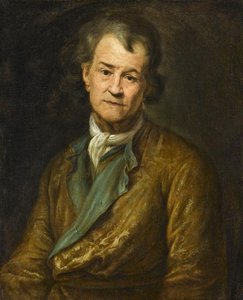
Pierre Puget’s Philosopher presents a marble bust focused on the psychological depth of its subject. The sculpture captures a figure from the chest up, emphasizing a countenance designed to convey wisdom and intense contemplation. Through the careful rendering of facial features, the work moves beyond mere likeness to suggest a state of profound intellectualism.
The subject's expression is defined by a furrowed brow and a slightly downturned mouth. These specific details imbue the figure with a sense of thoughtfulness, bordering on melancholy. This emotional weight provides a human dimension to the classical form, suggesting a mind preoccupied with complex truths.
Composition and Visual Elements
The composition is centered and direct, presenting the bust from the chest up against a dark, near-black background. This high-contrast setting isolates the subject, ensuring the viewer's attention remains fixed upon the form. The face acts as the primary focal point, drawing the eye through a deliberate arrangement of light and shadow.
Lighting is directed from above and slightly to the left, producing a chiaroscuro effect. This technique defines the three-dimensional volume of the marble, casting deep shadows that emphasize the contours of the neck, shoulders, and the folds of the beard. The interplay of light and dark creates a sense of recession and physical depth within the frame.
The subject's expression is characterized by a furrowed brow and a slightly downturned mouth. These features, combined with the organic, curved lines of the facial structure, suggest a state of intense contemplation or melancholy. The tension in the brow provides a psychological weight to the physical presence of the sculpture.
Technique and Material Properties
The sculpture is executed in marble, utilizing subtractive methods to reveal the form from the stone. The process involves the deliberate carving away of material from a solid block to define the anatomical features and the character's contemplative expression.
The artist employs varied surface treatments to create tactile contrast. The smoothness of the marble is used to represent the skin of the face, while more deliberate, rougher textures are applied to the hair and beard. This manipulation of the stone's surface creates a sense of volume and depth through the interplay of light and shadow across the different finishes.
Artistic Style and Influences
The sculpture adheres to a classical tradition, emphasizing realism and idealized representation. It captures the subject through a lens of profound introspection, utilizing a furrowed brow and a slightly downturned mouth to suggest a state of contemplation or melancholy. This focus on the internal life of the subject aligns with a broader sculptural movement that seeks to balance physical accuracy with the expression of human thought.
Puget’s approach to form is characterized by an emphasis on emotion, pathos, and drama. The work reflects the influence of Michelangelo’s powerful, muscular figures, particularly in the way the anatomy and facial features convey a sense of weight and gravity. This intensity is further shaped by the dynamic compositions associated with Bernini, which prioritize movement and theatricality even within the stillness of stone.
The interplay of light and shadow, or chiaroscuro, defines the contours of the face and the deep folds of the beard. This technique heightens the three-dimensional presence of the marble, transforming the static bust into a study of volume and depth. The result is a work that prioritizes the expressive power of the human form over mere decorative imitation.
Related Works by Pierre Puget
Puget’s sculptural output includes several significant commissions for the French court and major collections. His work on the figure of Hercules, currently known as the Hercule gaulois in the Louvre, demonstrates his ability to handle large-scale marble forms. This interest in mythological subjects is further seen in the group Perseus and Andromeda, which was completed in 1684. These works reflect the dramatic intensity and expressive realism characteristic of his approach to the human form.
The artist also engaged with relief sculpture and high-stakes mythological narratives. He produced the bas-relief Alexander and Diogenes, created between about 1671 and 1693. Additionally, his repertoire includes the sculpture Milo of Croton, a work produced between about 1671 and 1684. These pieces illustrate the breadth of his technical skill in both free-standing and relief formats.
W którym muzeum znajduje się Philosopher?
Bawarskie Państwowe Zbiory Malarstwa
Monachium, Niemcy
Dziedzictwo Bawarskich Państwowych Zbiorów Malarstwa Bawarskie Państwowe Zbiory Malarstwa, zlokalizowane w Monachium w Niemczech, rozpoczęły swoją instytucjonalną historię w 1799 roku jako Centralgemäldegaleriedirektion. To właśnie to fundamenty stworzyły ramy dla ochrony sztuki europejskiej, która nieustannie kształtuje kulturowy krajobraz miasta. Korzenie tej kolekcji sięgają aż XVI wieku, a jej niezwykle istotne zasoby datowane są na czasy Wilhelma IV (1508–1550).


Zdjęcia w wysokiej rozdzielczości dzieła Philosopher
Domena publiczna: artysta zmarł w 1694.
Pierre Puget, Philosopher, Bawarskie Państwowe Zbiory Malarstwa. Domena publiczna
Odpowiedzi na pytania dotyczące Philosopher
W którym muzeum znajduje się oryginał "Philosopher"?
Oryginał dzieła „Philosopher” można zobaczyć w Bawarskie Państwowe Zbiory Malarstwa, Monachium, Niemcy.
W jakiej technice wykonano „Philosopher” – Pierre Puget?
Technika wykonania dzieła „Philosopher” – Pierre Puget to Marble. Reprodukcje mają na celu wierne oddanie wyglądu tej techniki.
Co przedstawia "Philosopher"?
Tematyka dzieła "Philosopher" to man, bust, marble, beard, face, sculpture, gray, white.
Czy dzieło "Philosopher" znajduje się w domenie publicznej?
„Philosopher” – Pierre Puget znajduje się w domenie publicznej (należy do domeny publicznej – autorskie prawa majątkowe wygasły). Status ten określa zasady reprodukcji obrazu tego dzieła.
Któremu artyście przypisuje się "Philosopher"?
„Philosopher” zostało stworzone przez Pierre Puget. Informacje na tej stronie dotyczą oryginalnego dzieła autorstwa Pierre Puget.
Do jakiego nurtu w sztuce należy „Philosopher” – Pierre Puget?
„Philosopher” – Pierre Puget należy do nurtu Baroque. Nurt ten stanowi stylistyczny kontekst dzieła.
Co wyjaśnia sytuację prawną dotyczącą praw autorskich do „Philosopher” – Pierre Puget?
Dzieło "Philosopher" autorstwa Pierre Puget znajduje się w należy do domeny publicznej – autorskie prawa majątkowe wygasły. Okres ochrony praw autorskich liczony jest od daty śmierci artysty, a Pierre Puget zmarł(a) w 1694.
Czy dzieło "Philosopher" znajduje się w kraju swojego twórcy?
Nie – dzieło znajduje się poza granicami kraju artysty. Dzieło "Philosopher" znajduje się w zbiorach Niemcy, podczas gdy Pierre Puget urodził(a) się w Francja.
Co łączy "Philosopher" z resztą twórczości Pierre Puget?
W dorobku Pierre Puget, "Philosopher" wpisuje się w styl Baroque, nawiązując do tematów takich jak pietro da cortona, michelangelo and bernini, baroque dynamism, classical forms, expressive realism.
O artyście: Pierre Puget
1620–1694, Francja
Pierre Puget
Pierre Puget: Życie w służbie sztuki i inżynierii Urodzony: Marsylia, Francja (1620) Zmarł: 1694 Wczesne lata i włoskie inspiracje Terminowanie: Puget rozpoczął swoją karierę w wieku czternastu lat, rzeźbiąc ornamenty dla galer budowanych w Marsylii. Ta wczesna styczność z rzemiosłem położyła fundament pod jego późniejsze dążenia artystyczne. Podróż do Włoch (1640): Szukając nowych możliwości, udał się do Włoch, najpierw do Livorno, a następnie do Florencji, gdzie szlifował swoje umiejętności jako snycerz i malarz. 려Rzym i Pietro da Cortona: Przełomowy moment nastąpił w Rzymie, kiedy znalazł się pod opieką Pietro da Cortony.
Inne prace Pierre Puget
 Spotkanie Aleksandra Wielkiego z Diogenesem1671
 Milon z Krotonu1671
 The Meeting of Alexander the Great and Diogenes1671
 Autorportret1668
Eseje o Philosopher
 Pierre Puget: 25 Iconic Sculptures and Paintings of the Baroque EraExplore 25 iconic Pierre Puget works from the French Baroque. Discover museum-quality art and curated ideas on OriginalUniqueArt.com.
 Visual Structure in Portraiture: How Composition and Lighting Define CharacterMaster the art of portraiture through composition and light. Learn how masters define character with expert visual techniques.
 Masterpieces of Munich: Top 25 Artworks in the Bavarian State Painting CollectionsExplore 25 iconic masterpieces from Munich's Bavarian State Painting Collections. Discover timeless art on OriginalUniqueArt.com.