W skrócie
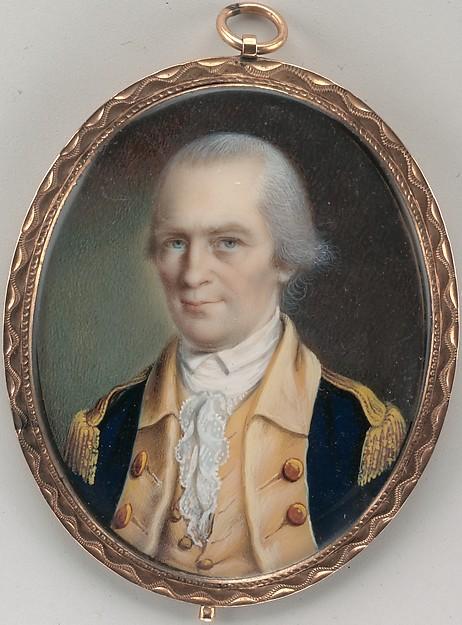
Według opinii kuratorów galerii, najsłynniejszym obrazem Jan Ramage jest Portrait of a Gentleman (1780), którego oryginał znajduje się w Metropolitan Museum of Art w Nowy Jork. Major Greene, B.A (1777) i Gilbert Van Cortlandt (1785) dopełniają trio, które zna każde oko. Z 23 dzieł Jan Ramage w naszym katalogu, galeria prezentuje poniżej 23 najsłynniejszych prac – każda z nich jest oryginałem z podaniem roku powstania, muzeum oraz cech wyróżniających ją na tle innych.
10 najlepszych obrazów artysty Jan Ramage w galerii
Theophylact Bache
Theophylact Bache was the father of Elizabeth (2002.476.2) and Sarah (2002.476.1).
Obrazy artysty Jan Ramage, uszeregowane od 11 do 23 miejsca
Tematy, które przyciągnęły wzrok Jan Ramage
Cztery motywy najczęściej powracające w tych oryginałach, z których każdy doczekał się swojego najdoskonalszego przykładu.
18th century 4 dzieł
Historical figure 4 dzieł
Portraiture 3 dzieł
Miniature art 3 dzieł
Muzea przechowujące oryginały Jan Ramage
5 muzeów, w których znajduje się najwięcej obrazów z tej strony.
| Muzeum | Miasto | Dzieła artysty Jan Ramage | Obrazy z tej listy |
|---|---|---|---|
| Nowy Jork | 17 | Portrait of a Gentleman, Major Greene, B.A, Gilbert Van Cortlandt | |
| Stockholm | 1 | Mrs. James Bleecker (Sarah Bache) | |
| Sankt Petersburg | 1 | George Washington | |

| Waszyngton | 1 | Col. Josiah Parker | |
| Chicago | 1 | Portrait of Augustine Taylor |
Jan Ramage, jedno kultowe dzieło na dekadę
Dzieła według dekad
Wybierz dekadę, aby zobaczyć dzieło, które ją definiuje.
Obrazy artysty Jan Ramage: odpowiedzi galerii
Który obraz Jan Ramage jest najsłynniejszy ze wszystkich?Odkryj odpowiedź
Portrait of a Gentleman (1780), Metropolitan Museum of Art, Nowy Jork. Następne są Major Greene, B.A (1777) oraz Gilbert Van Cortlandt (1785).
Ile lat miał Jan Ramage, gdy ukończył Portrait of a Gentleman?Odkryj odpowiedź
32 lat: Portrait of a Gentleman pochodzi z 1780, a Jan Ramage urodził(a) się w 1748.
Które to 10 najlepszych obrazów Jan Ramage?Odkryj odpowiedź
Portrait of a Gentleman, Major Greene, B.A, Gilbert Van Cortlandt, Governor George Clinton, Mrs. James Bleecker (Sarah Bache), Portrait of a Gentleman, Mrs. William Few (Catherine Nicholson), Mrs. Gulian Ludlow (Maria Ludlow), Thomas Witter i Theophylact Bache. Powyższy ranking zawiera rok powstania oraz muzeum dla każdego z nich.
Ile dzieł stworzył/a Jan Ramage?Odkryj odpowiedź
Nasz katalog zawiera 23 dzieł artysty Jan Ramage, datowanych od 1777 do 1795.
Gdzie można znaleźć najsłynniejsze oryginały autorstwa Jan Ramage?Odkryj odpowiedź
W większości znajdują się w Metropolitan Museum of Art (Nowy Jork), Nationalmuseum (Stockholm) i Ermitaż (Sankt Petersburg). Powyższa tabela muzeów zawiera ich pełną listę.
Kiedy Jan Ramage stworzył swoje najsłynniejsze obrazy?Odkryj odpowiedź
W 1780s: 13 z 23 dzieł na tej stronie powstało w tym czasie, w tym Portrait of a Gentleman.
Które z najsłynniejszych dzieł Jan Ramage należą do jego najwcześniejszych i najpóźniejszych prac?Odkryj odpowiedź
Na tej stronie najwcześniejszy to Major Greene, B.A (1777), a najpóźniejszy Mrs. James Bleecker (Sarah Bache) (1795).
Do jakich tematów Jan Ramage powracał najczęściej?Odkryj odpowiedź
18th century (4), Historical figure (4) i Portraiture (3), w ramach 23 dzieł na tej stronie.
Z jakim nurtem związany jest Jan Ramage?Odkryj odpowiedź
Neoclassicism, sądząc po oryginałach na tej stronie.
Które oryginały artysty Jan Ramage znajdują się w zbiorach Metropolitan Museum of Art?Odkryj odpowiedź
Portrait of a Gentleman, Major Greene, B.A i Gilbert Van Cortlandt: Metropolitan Museum of Art, Nowy Jork posiada 17 dzieł widocznych na tej stronie.
Czy mogę zamówić ręczną kopię obrazu autorstwa Jan Ramage?Odkryj odpowiedź
Tak, jako reprodukcja: oryginał pozostaje w muzeum, ale każdy obraz na tej stronie może zostać namalowany ręcznie specjalnie dla Ciebie, na zamówienie, z poziomu strony danego dzieła.
Jan Ramage: artysta
A Life Bridging Worlds: The Story of John Ramage
Born in Dublin, Ireland, in 1748, John Ramage’s life was one of remarkable transition and artistic dedication, a journey that carried him from the refined world of Irish goldsmithing to the burgeoning art scene of colonial America. Details surrounding his early family life remain elusive, yet it is known he received formal training at the Dublin Society of Artists in 1763, laying a foundation in drawing and painting techniques that would serve as the bedrock for his future endeavors. Ramage’s initial career path was notably versatile; he skillfully combined the precision of a goldsmith with the delicate artistry of a miniaturist—a testament to his inherent talent for detail and decorative arts. This early period instilled within him not only technical proficiency but also an appreciation for craftsmanship that would distinguish his work throughout his life. In 1772, driven by ambition or perhaps circumstance, Ramage embarked on a new chapter, emigrating to Halifax, Nova Scotia, marking the beginning of his artistic journey in North America and setting the stage for a life intertwined with both art and political upheaval.Loyalty, Love, and Revolution: Navigating Turbulent Times
Ramage’s arrival in North America coincided with a period of immense political tension—the American Revolution. A staunch Loyalist, his allegiance lay firmly with the British Crown, leading him to join “the Loyal Irish Volunteers” in Boston, a military unit dedicated to defending the city. This commitment to the crown deeply impacted his personal life as well. In 1776, he married Victoria Ball, but this union was soon complicated by another marriage to a woman known only as “Mrs. Taylor” while stationed in Halifax. The ensuing legal battles and eventual divorce granted to Ball underscore the complexities of Ramage’s life during wartime—a period marked not only by political strife but also by personal turmoil. Forced to evacuate Boston with British forces in 1776, he relocated back to Halifax before eventually settling in New York City in 1777, seeking refuge and continuing his artistic practice amidst the ongoing conflict. His dedication extended beyond the canvas; Ramage served as a second lieutenant in the City Militia of New York, demonstrating a willingness to actively participate in the defense of the city he had come to call home.The Miniature Master: A Portraitist of an Emerging Nation
Despite the turbulent backdrop of revolution and political division, Ramage flourished as an artist, quickly gaining renown for his exquisite portrait miniatures on ivory. This was a particularly popular art form at the time, prized for its intimacy and portability. His skill lay in the masterful application of delicately shaded cross-hatching and fine linear strokes to model faces with remarkable realism and sensitivity. He didn’t merely replicate likenesses; he captured character, social standing, and a sense of individual presence within each miniature. Ramage's clientele quickly grew to include prominent figures from New York society—the Pintards, Gerrys, Ludlows, Van Rensselaers, and Van Cortlands all sought his services. Beyond his painting prowess, Ramage’s goldsmithing skills were also highly valued; he crafted elegant cases for his miniatures, showcasing a holistic artistic vision that combined artistry with meticulous craftsmanship. He was recognized as “the best artist in his branch in America” by William R. Dunlap, reflecting the esteem with which his talent was regarded during his time.Notable Works
- Portrait of George Washington (1789): Ramage achieved lasting fame when he painted George Washington while serving as President of the United States—making him the first artist to officially portray the president in office. Two distinct miniatures of Washington exist today, each a testament to Ramage’s skill and a valuable historical record.
- John Maunsell (1785): This miniature showcases a stern figure in a red coat, demonstrating Ramage’s ability to capture character with exceptional precision.
- Miniature Portraits of Prominent New York Families: Commissions from families like the Pintards, Gerrys, Ludlows, Van Rensselaers, and Van Cortlands offer glimpses into colonial society and exemplify Ramage's versatility as an artist.