Portret Sarah Lucas

Obrazy: 11 najsłynniejszych dzieł artysty Sarah Lucas – spojrzenie galerii

Aktualizacja: Listopad 2026 · ranking według naszego wskaźnika popularności (liczba wyszukiwań, wizyt i zamówień dla każdego dzieła) · 12 dzieł Sarah Lucas w naszym katalogu

W skrócie

Według galerii najsłynniejszym obrazem Sarah Lucas jest Self Portrait with Fried Eggs (1996). Chicken Knickers (1997) i Eating a Banana (1990) dopełniają trio, które zna każde oko. Z 12 dzieł Sarah Lucas w naszym katalogu, galeria prezentuje poniżej 11 najsłynniejszych prac – każda z nich jest oryginałem z podaniem roku powstania, muzeum oraz cech wyróżniających ją na tle innych.

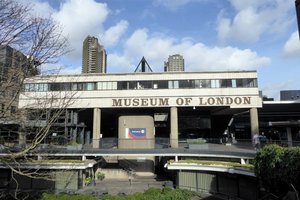
urodzony 1962, London Young british artists Najwięcej dzieł: Muzeum Londynu

10 najlepszych obrazów artysty Sarah Lucas w galerii

6
Perceval (2006) autorstwa Sarah Lucas

Perceval

2006 · Bronze · Muzeum Londynu, Londyn

In the realm of contemporary sculpture, few works command attention with such a unique blend of nostalgic charm and provocative depth as Sarah Lucas’s Perceval. At first glance, this life-size bronze masterpiece presents a scene of majestic stability; a powerful Clydesdale horse and its accompanying cart stand as a monumental tribute to the pastoral traditions of the British countryside. However, beneath its stately exterior lies a complex dialogue between the…

Obrazy artysty Sarah Lucas, uszeregowane od 11 do 11 miejsca

Tematy, które przyciągnęły wzrok Sarah Lucas

Cztery motywy najczęściej powracające w tych oryginałach, z których każdy doczekał się swojego najdoskonalszego przykładu.

Muzea przechowujące oryginały Sarah Lucas

3 muzeów, w których znajduje się najwięcej obrazów z tej strony.

Muzea Miasto Dzieła artysty Sarah Lucas Obrazy z tej listy
Muzeum Londynu, LondynMuzeum Londynu Londyn 1 Perceval
Arts Council Collection, LondynArts Council Collection Londyn 1 NUD CYCLADIC 7
Tate Britain, LondynTate Britain Londyn 1 Pauline Bunny

Sarah Lucas, jedno kultowe dzieło na dekadę

Dzieła według dekad

Wybierz dekadę, aby zobaczyć dzieło, które ją definiuje.

Obrazy artysty Sarah Lucas: odpowiedzi galerii

Który obraz Sarah Lucas jest najsłynniejszy ze wszystkich?Odkryj odpowiedź

Self Portrait with Fried Eggs (1996). Następne są Chicken Knickers (1997) oraz Eating a Banana (1990).

Ile lat miał Sarah Lucas, gdy ukończył Self Portrait with Fried Eggs?Odkryj odpowiedź

34 lat: Self Portrait with Fried Eggs pochodzi z 1996, a Sarah Lucas urodził(a) się w 1962.

Które to 10 najlepszych obrazów Sarah Lucas?Odkryj odpowiedź

Self Portrait with Fried Eggs, Chicken Knickers, Eating a Banana, Seven Up, Human Toilet Revisited, Perceval, Pauline Bunny, Charlie (I Am Sorry), Geezer i NUD CYCLADIC 7. Powyższy ranking zawiera rok powstania oraz muzeum dla każdego z nich.

Ile dzieł stworzył/a Sarah Lucas?Odkryj odpowiedź

Nasz katalog zawiera 12 dzieł artysty Sarah Lucas, datowanych od 1990 do 2010.

Gdzie można znaleźć najsłynniejsze oryginały autorstwa Sarah Lucas?Odkryj odpowiedź

W większości znajdują się w Muzeum Londynu (Londyn), Arts Council Collection (Londyn) i Tate Britain (Londyn). Powyższa tabela muzeów zawiera ich pełną listę.

Kiedy Sarah Lucas stworzył swoje najsłynniejsze obrazy?Odkryj odpowiedź

W 1990s: 6 z 11 dzieł na tej stronie powstało w tym czasie, w tym Self Portrait with Fried Eggs.

Które z najsłynniejszych dzieł Sarah Lucas należą do jego najwcześniejszych i najpóźniejszych prac?Odkryj odpowiedź

Na tej stronie najwcześniejszy to Eating a Banana (1990), a najpóźniejszy NUD CYCLADIC 7 (2010).

Do jakich tematów Sarah Lucas powracał najczęściej?Odkryj odpowiedź

Chair (2), Photography (2) i Sculpture (2), w ramach 11 dzieł na tej stronie.

Z jakim nurtem związany jest Sarah Lucas?Odkryj odpowiedź

Young british artists, sądząc po oryginałach na tej stronie.

Sarah Lucas: artysta

A Provocative Visionary: The World of Sarah Lucas

Sarah Lucas emerged as a defining voice in British art during the dynamic 1990s, becoming synonymous with the era’s Young British Artists (YBAs). Born in London in 1962, her artistic journey was far from conventional. Leaving formal education at sixteen, she later pursued studies at The Working Men's College, London College of Printing, and Goldsmiths College – institutions that would prove pivotal in shaping her distinctive approach. It was at Goldsmiths, graduating with a Fine Art degree in 1987, that Lucas truly began to forge the path toward an artistic practice characterized by its unflinching honesty, provocative nature, and often unsettling humor. Her work doesn’t simply depict reality; it dissects it, reassembling fragments of everyday life into challenging and thought-provoking statements about identity, sexuality, and British culture itself.

Deconstructing Norms: Themes and Techniques

Lucas's artistic language is remarkably diverse, encompassing sculpture, photography, collage, and the appropriation of found objects. However, a recurring motif—and perhaps her most recognizable signature—is the use of furniture as surrogates for the human body. This isn’t merely about representation; it’s about subversion. By transforming mundane items like mattresses, buckets, and chairs into suggestive forms, often imbued with crude genital references, Lucas challenges conventional depictions of the body and forces viewers to confront their own preconceived notions about sexuality and gender. She doesn't shy away from the visceral or the uncomfortable, instead embracing a deliberately provocative aesthetic that demands attention. This willingness to engage with taboo subjects is further amplified by her integration of elements from tabloid culture and popular imagery, blurring the lines between high art and low culture in a way that feels both jarring and strangely compelling. Au Naturel (1994), for example, exemplifies this approach—an assemblage of everyday objects arranged to evoke bodily forms, simultaneously humorous and deeply unsettling. Her self-portraits, such as the starkly honest Human Toilet Revisited (1998), are equally impactful, exploring vulnerability and challenging societal norms with a disarming directness.

Key Moments and Artistic Evolution

Lucas’s ascent within the art world was marked by several key moments. Her inclusion in Freeze (1988)—the seminal group exhibition that launched the careers of many YBAs, including Damien Hirst and Gary Hume—signaled her arrival as a force to be reckoned with. This was followed by the co-organization of East Country Yard Show (1990) with Henry Bond, providing a platform for early explorations of her artistic vision. Her first solo exhibitions, The Whole Joke and Penis Nailed to a Board (both 1992), firmly established her provocative style, while later works like Bitch (1995) and The Fag Show (2000)—the latter utilizing cigarettes as both material and metaphor—further cemented her reputation for challenging artistic boundaries. A significant milestone came in 2013 with a comprehensive retrospective at the Whitechapel Gallery, offering a sweeping overview of her career to date. Perhaps her most prestigious achievement arrived in 2015 when she represented Britain at the 56th Venice Biennale with Scream Daddio, showcasing her continued relevance on the international stage.

Influences and Legacy

Lucas’s artistic lineage is complex, drawing inspiration from a diverse range of sources. The readymades of Marcel Duchamp are clearly evident in her appropriation of everyday objects, while feminist artists like Judy Chicago, Hannah Wilke, Cindy Sherman, and Rachel Whiteread have undoubtedly influenced her exploration of the female body and societal expectations. However, Lucas actively resists easy categorization, preferring to challenge conventions and disrupt established power dynamics rather than align herself with any single movement or ideology. Her fearless gaze and appropriation of masculine symbols contribute to a unique artistic language that questions norms and celebrates the absurdities of everyday life.
  • Her work often explores themes of sexuality, gender, and Englishness.
  • She frequently uses humor and irony to address sensitive subjects.
  • Lucas’s legacy lies in her ability to provoke thought and challenge perceptions.
Sarah Lucas remains a significant figure in contemporary British art, continuing to push boundaries and inspire new generations of artists with her uncompromising vision and unwavering commitment to artistic freedom. Her impact extends beyond the confines of the art world, sparking conversations about identity, representation, and the very nature of contemporary culture.