Portret Gabriel Jules Thomas

Obrazy: 3 najsłynniejszych dzieł artysty Gabriel Jules Thomas – spojrzenie galerii

Aktualizacja: Listopad 2026 · ranking według naszego wskaźnika popularności (liczba wyszukiwań, wizyt i zamówień dla każdego dzieła) · 3 dzieł Gabriel Jules Thomas w naszym katalogu

W skrócie

Według opinii kuratorów galerii, najsłynniejszym obrazem Gabriel Jules Thomas jest Drama and Music (1873), którego oryginał znajduje się w Opéra national de Paris w Paryż. The Stoning of St Stephen (1863) i Virgil (1861) dopełniają trio, które zna każde oko. Z 3 dzieł Gabriel Jules Thomas w naszym katalogu, galeria prezentuje poniżej 3 najsłynniejszych prac – każda z nich jest oryginałem z podaniem roku powstania, muzeum oraz cech wyróżniających ją na tle innych.

1824 – 1905, Paris Najwięcej dzieł: Opéra national de Paris

10 najlepszych obrazów artysty Gabriel Jules Thomas w galerii

1
Drama and Music (1873) autorstwa Gabriel Jules Thomas

Drama and Music

1873 · Acrylic On Canvas · Opéra national de Paris, Paryż

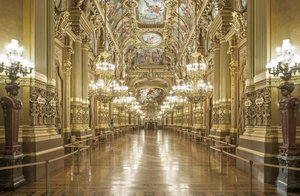
Gabriel Jules Thomas’s “Drama and Music” is more than just a depiction of an opulent Parisian setting; it's a meticulously crafted tableau vivant, capturing the very essence of the Second Empire era. Painted in 1873, this artwork transports us to the heart of the Opéra Garnier – specifically, the grand stalls entrance – where music and theatrical spectacle converged with breathtaking artistry. The scene unfolds within a vast architectural space,…

2
The Stoning of St Stephen (1863) autorstwa Gabriel Jules Thomas

The Stoning of St Stephen

1863 · Stone · Saint-Étienne-du-Mont, Paryż

The stone carving of The Stoning of St Stephen presents a dense arrangement of human figures frozen in a moment of intense physical action. Located within the church of Saint-Étienne-du-Mont in Paris, France, the relief depicts the biblical scene through a series of overlapping bodies and dynamic poses. At the center of the composition, a figure representing Saint Stephen is positioned amidst a crowd of individuals. These figures are rendered…

3
Virgil (1861) autorstwa Gabriel Jules Thomas

Virgil

1861 · Marble · Musée d'Orsay, Paryż

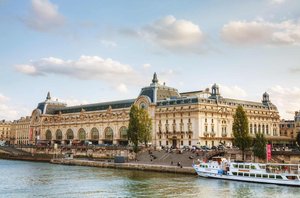
The marble figure of Virgil emerges from the stone, a quiet presence captured in the stillness of the mid-nineteenth century. Created by the French sculptor Gabriel Jules Thomas, this work presents the Roman poet in a moment of profound contemplation. The sculpture, dating from about 1861, finds its subject in the legendary author of epic poetry, rendered with a sense of dignity that honors his literary legacy.

Tematy, które przyciągnęły wzrok Gabriel Jules Thomas

Cztery motywy najczęściej powracające w tych oryginałach, z których każdy doczekał się swojego najdoskonalszego przykładu.

Muzea przechowujące oryginały Gabriel Jules Thomas

3 muzeów, w których znajduje się najwięcej obrazów z tej strony.

Muzea Miasto Dzieła artysty Gabriel Jules Thomas Obrazy z tej listy
Opéra national de Paris, ParyżOpéra national de Paris Paryż 1 Drama and Music
Saint-Étienne-du-Mont, ParyżSaint-Étienne-du-Mont Paryż 1 The Stoning of St Stephen
Musée d'Orsay, ParyżMusée d'Orsay Paryż 1 Virgil

Gabriel Jules Thomas, flagowe dzieła każdego roku

Kariera Gabriel Jules Thomas prezentowana na tej stronie obejmuje 13 lata, od 1861 do 1873: każdy rok został zestawiony z jego najsłynniejszymi oryginalnymi dziełami.

Dzieła według lat

Wybierz rok, aby zobaczyć oryginały.

Obrazy artysty Gabriel Jules Thomas: odpowiedzi galerii

Który obraz Gabriel Jules Thomas jest najsłynniejszy ze wszystkich?Odkryj odpowiedź

Drama and Music (1873), Opéra national de Paris, Paryż. Następne są The Stoning of St Stephen (1863) oraz Virgil (1861).

Ile lat miał Gabriel Jules Thomas, gdy ukończył Drama and Music?Odkryj odpowiedź

49 lat: Drama and Music pochodzi z 1873, a Gabriel Jules Thomas urodził(a) się w 1824.

Ile dzieł stworzył/a Gabriel Jules Thomas?Odkryj odpowiedź

Nasz katalog zawiera 3 dzieł artysty Gabriel Jules Thomas, datowanych od 1861 do 1873.

Gdzie można znaleźć najsłynniejsze oryginały autorstwa Gabriel Jules Thomas?Odkryj odpowiedź

W większości znajdują się w Opéra national de Paris (Paryż), Saint-Étienne-du-Mont (Paryż) i Musée d'Orsay (Paryż). Powyższa tabela muzeów zawiera ich pełną listę.

Które z najsłynniejszych dzieł Gabriel Jules Thomas należą do jego najwcześniejszych i najpóźniejszych prac?Odkryj odpowiedź

Na tej stronie najwcześniejszy to Virgil (1861), a najpóźniejszy Drama and Music (1873).

Do jakich tematów Gabriel Jules Thomas powracał najczęściej?Odkryj odpowiedź

Architecture (2) i Sculpture (2), w ramach 3 dzieł na tej stronie.

Gabriel Jules Thomas: artysta

Early Life and Academic Foundations

Gabriel-Jules Thomas, a name resonant with the classical spirit of 19th-century French sculpture, was born in Paris in 1824. His artistic journey began within the esteemed walls of the École des Beaux-Arts, where he immersed himself in the rigorous training that defined the era’s sculptural standards. The influence of Augustin-Alexandre Dumont, a prominent figure in academic art, proved formative during these early years. Thomas wasn't merely absorbing technique; he was internalizing a tradition steeped in idealized form and narrative power. This dedication culminated in a pivotal moment: his triumph at the 1848 Prix de Rome competition with “Philoctète partant pour le siège de Troie” (“Philoctetes Leaves for the Siege of Troy”). This plaster sculpture, depicting the tragic hero from Homer’s epic, wasn't simply an exercise in skill; it was a statement of Thomas’s ambition and mastery of classical subject matter. The piece briefly graced New York City with its presence at the Dahesh Museum of Art’s 2005–2006 exhibition, “The Legacy of Homer,” before returning to its permanent home at the École Nationale Supérieure des Beaux-Arts in Paris—a testament to its enduring significance.

A Classical Style and Allegorical Vision

Thomas's artistic identity blossomed into a distinctive classical style characterized by allegorical works that resonated with the intellectual currents of his time. He wasn’t simply replicating ancient forms; he was imbuing them with new meaning, exploring themes of drama, music, and human emotion through meticulously crafted statues. His marble sculpture of Virgil, created after his return from Rome, exemplifies this approach. The work, now housed in the Musée d'Orsay, showcases a refined classicism—a balance between anatomical precision and expressive nuance. Beyond individual commissions, Thomas’s talent extended to larger-scale public works. “Frankfurt,” a stone façade for the Gare du Nord train station in Paris (1864–1865), demonstrates his ability to integrate sculpture into architectural contexts, enhancing the grandeur of urban spaces.

The Role of Educator and Artistic Lineage

Beyond his own creative endeavors, Gabriel-Jules Thomas dedicated himself to nurturing the next generation of sculptors as a teacher at the École des Beaux-Arts. This commitment solidified his position within the French artistic establishment and ensured the continuation of classical traditions. Among his most notable students was Gaston Lachaise, an American sculptor who would later forge his own path while carrying forward elements of Thomas’s rigorous training and emphasis on form. The influence wasn't limited to a single student; Thomas shaped the sensibilities of numerous artists, contributing to the broader landscape of 19th-century sculpture.

Major Works and Lasting Legacy

While Virgil and “Philoctetes” stand as cornerstones of his oeuvre, Thomas’s body of work reveals a consistent dedication to classical themes and allegorical representation. “Mademoiselle Mars,” a plaster statue currently residing in the Musée des Beaux-Arts d'Angers, showcases his skill in capturing delicate emotion and form. “The Stoning of St. Stephen” (1863), adorning the church of Saint-Étienne-du-Mont in Paris, demonstrates his ability to tackle religious subjects with both technical proficiency and dramatic intensity. His memorial to Baron Taylor at Père Lachaise Cemetery further illustrates his versatility as a sculptor capable of creating poignant commemorative works.

Historical Significance and Revival of Academic Classicism

Gabriel-Jules Thomas occupies an important position within the broader context of 19th-century art history, specifically in the revival of Academic Classicism. He embodied the values of the French Académie—a commitment to idealized form, narrative clarity, and technical mastery. His work reflects a deliberate engagement with classical precedents, yet it wasn’t merely imitative. Thomas infused his sculptures with a sense of emotional depth and allegorical meaning that resonated with contemporary audiences. His influence extended beyond his immediate circle of students, contributing to the enduring legacy of academic sculpture in France and beyond. He represents a bridge between the grand traditions of the past and the evolving artistic landscape of the modern era.