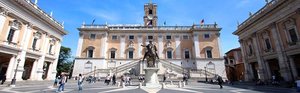
Portret François Perrier

Obrazy: 11 najsłynniejszych dzieł artysty François Perrier – spojrzenie galerii

Aktualizacja: Październik 2026 · ranking według naszego wskaźnika popularności (liczba wyszukiwań, wizyt i zamówień dla każdego dzieła) · 11 dzieł François Perrier w naszym katalogu

W skrócie

Według galerii najsłynniejszym obrazem François Perrier jest Orpheus before Pluto and Proserpine (1625). The Beheading of Saint John the Baptist (1625) i Acis and Galathea (1627) dopełniają trio, które zna każde oko. Z 11 dzieł François Perrier w naszym katalogu, galeria prezentuje poniżej 11 najsłynniejszych prac – każda z nich jest oryginałem z podaniem roku powstania, muzeum oraz cech wyróżniających ją na tle innych.

1594 – 1649, Pontarlier Baroque Najwięcej dzieł: Muzea Kapitolińskie

10 najlepszych obrazów artysty François Perrier w galerii

1
Orpheus before Pluto and Proserpine (1625) autorstwa François Perrier

Orpheus before Pluto and Proserpine

1625 · Oil On Canvas

Orpheus before Pluto and Proserpine is an oil on canvas painting by the French artist François Perrier. The work was executed during the second quarter of the seventeenth century, specifically about 1647 to 1650. The composition depicts a scene inspired by the mythological narratives found in Ovid's Metamorphoses.

2
The Beheading of Saint John the Baptist (1625) autorstwa François Perrier

The Beheading of Saint John the Baptist

1625 · Oil · Kedleston Hall

The scene unfolds within a classical architectural setting, where deep shadows define the boundaries of the space. A muscular executioner occupies the left side of the frame, his body angled in a downward diagonal movement toward the center. He holds a blade, positioned to strike the kneeling figure of Saint John the Baptist. The saint is depicted with pale skin, his posture slumped in a manner that suggests heavy, tragic…

3
Acis and Galathea (1627) autorstwa François Perrier

Acis and Galathea

1627 · Oil On Canvas · Statens Museum for Kunst, Kopenhaga

Acis and Galathea, painted by François Perrier in 1627, draws its narrative from the traditions of Greek mythology. The composition centers on the relationship between the mortal Acis and the Nereid Galathea. These figures inhabit a seascape, a setting central to the mythological cycle involving the sea-nymph and her lover.

4
Polyphemus and the Sea Nymphs (1640) autorstwa François Perrier

Polyphemus and the Sea Nymphs

1640 · Oil On Canvas

A massive, muscular figure anchors the scene, seated upon a craggy, ochre-colored ledge. This is Polyphemus, the Cyclops, his skin pale against the dark, shadowed crevices of the rocks. He holds a panpipe to his lips, his expression caught between deep concentration and a heavy, lingering melancholy. Around his feet, the sea churns in white foam, a turbulent contrast to the stillness of his posture. The water rises to meet…

5
Moses draws water from the Rock (1642) autorstwa François Perrier

Moses draws water from the Rock

1642 · Oil On Canvas · Muzea Kapitolińskie, Rzym

In this 1642 oil on canvas, we find ourselves witnessing a moment of profound tension and sudden relief. The scene captures the biblical narrative of Moses striking a rock to provide water for his people, a moment where the physical desperation of the crowd meets the spiritual authority of their leader. On the left, a massive, dark rocky overhang dominates the composition, its heavy, textured surface acting as a rugged…

6
Adoration of the Golden Calf (1642) autorstwa François Perrier

Adoration of the Golden Calf

1642 · Oil · Muzea Kapitolińskie, Rzym

In Adoration of the Golden Calf, François Perrier organizes a vast landscape to frame this biblical scene of idolatry. The composition is expansive, guiding the viewer through a space that transitions from dense, dark foliage on the left toward an open, mountainous vista on the right. This movement creates a sense of rhythmic chaos, mirroring the themes of temptation and pagan ritual. The perspective draws the eye from the detailed…

7
Aeneas and the Cumaean Sibyl. (1646) autorstwa François Perrier

Aeneas and the Cumaean Sibyl.

1646 · Oil · Muzeum Narodowe w Warszawie, Warszawa

In this 1646 oil painting, a scene from classical mythology unfolds through a dynamic arrangement of figures set against a mountainous landscape. The composition directs the eye from a dense group of soldiers on the left toward a central figure in golden Roman-style armor. This noble man gestures toward a ritual site, his form illuminated by a strong, directional light. To the far right, a female figure draped in white…

8
Bacchus and Ariadne (1648) autorstwa François Perrier

Bacchus and Ariadne

1648 · Oil On Canvas · Blanton Museum of Art

The oil on canvas titled Bacchus and Ariadne was executed by the French artist François Perrier. This work emerged from his brush circa 1647-50. It captures a moment of divine intersection through the medium of oil, where pigment meets the woven texture of the canvas to define the figures of the god and the princess.

9
The Sacrifice of Iphigenia (1632) autorstwa François Perrier

The Sacrifice of Iphigenia

1632 · Oil On Canvas · Musée des Beaux-Arts de Dijon, Dion

The Sacrifice of Iphigenia is an oil on canvas work by the French artist François Perrier. Completed in 1632, the painting belongs to the Baroque movement. It represents a significant contribution to the seventeenth-century French artistic landscape, reflecting the stylistic shifts occurring in Parisian ateliers during this period.

Obrazy artysty François Perrier, uszeregowane od 11 do 11 miejsca

Tematy, które przyciągnęły wzrok François Perrier

Cztery motywy najczęściej powracające w tych oryginałach, z których każdy doczekał się swojego najdoskonalszego przykładu.

Muzea przechowujące oryginały François Perrier

7 muzeów, w których znajduje się najwięcej obrazów z tej strony.

Muzea Miasto Dzieła artysty François Perrier Obrazy z tej listy
Muzea Kapitolińskie, RzymMuzea Kapitolińskie Rzym 2 Moses draws water from the Rock, Adoration of the Golden Calf
Luwr, ParyżLuwr Paryż 2 Aeneas and his Companions Fighting the Harpies, Acis, Galatea, and Polyphemus
Kedleston HallKedleston Hall 1 The Beheading of Saint John the Baptist
Statens Museum for Kunst, KopenhagaStatens Museum for Kunst Kopenhaga 1 Acis and Galathea
Muzeum Narodowe w Warszawie, WarszawaMuzeum Narodowe w Warszawie Warszawa 1 Aeneas and the Cumaean Sibyl.
Blanton Museum of ArtBlanton Museum of Art 1 Bacchus and Ariadne
Musée des Beaux-Arts de Dijon, DionMusée des Beaux-Arts de Dijon Dion 1 The Sacrifice of Iphigenia

François Perrier, jedno kultowe dzieło na dekadę

Dzieła według dekad

Wybierz dekadę, aby zobaczyć dzieło, które ją definiuje.

Obrazy artysty François Perrier: odpowiedzi galerii

Który obraz François Perrier jest najsłynniejszy ze wszystkich?Odkryj odpowiedź

Orpheus before Pluto and Proserpine (1625). Następne są The Beheading of Saint John the Baptist (1625) oraz Acis and Galathea (1627).

Ile lat miał François Perrier, gdy ukończył Orpheus before Pluto and Proserpine?Odkryj odpowiedź

31 lat: Orpheus before Pluto and Proserpine pochodzi z 1625, a François Perrier urodził(a) się w 1594.

Które to 10 najlepszych obrazów François Perrier?Odkryj odpowiedź

Orpheus before Pluto and Proserpine, The Beheading of Saint John the Baptist, Acis and Galathea, Polyphemus and the Sea Nymphs, Moses draws water from the Rock, Adoration of the Golden Calf, Aeneas and the Cumaean Sibyl., Bacchus and Ariadne, The Sacrifice of Iphigenia i Aeneas and his Companions Fighting the Harpies. Powyższy ranking zawiera rok powstania oraz muzeum dla każdego z nich.

Ile dzieł stworzył/a François Perrier?Odkryj odpowiedź

Nasz katalog zawiera 11 dzieł artysty François Perrier, datowanych od 1625 do 1648.

Gdzie można znaleźć najsłynniejsze oryginały autorstwa François Perrier?Odkryj odpowiedź

W większości znajdują się w Muzea Kapitolińskie (Rzym), Luwr (Paryż) i Kedleston Hall. Powyższa tabela muzeów zawiera ich pełną listę.

Kiedy François Perrier stworzył swoje najsłynniejsze obrazy?Odkryj odpowiedź

W 1640s: 7 z 11 dzieł na tej stronie powstało w tym czasie, w tym Polyphemus and the Sea Nymphs.

Które z najsłynniejszych dzieł François Perrier należą do jego najwcześniejszych i najpóźniejszych prac?Odkryj odpowiedź

Na tej stronie najwcześniejszy to Orpheus before Pluto and Proserpine (1625), a najpóźniejszy Bacchus and Ariadne (1648).

Do jakich tematów François Perrier powracał najczęściej?Odkryj odpowiedź

Woman (6), Man (5) i Sky (5), w ramach 11 dzieł na tej stronie.

W jakiej technice najczęściej tworzył François Perrier?Odkryj odpowiedź

Oil On Canvas, dla 7 z 11 dzieł na tej stronie.

Z jakim nurtem związany jest François Perrier?Odkryj odpowiedź

Baroque, sądząc po oryginałach na tej stronie.

Które oryginały artysty François Perrier znajdują się w zbiorach Muzea Kapitolińskie?Odkryj odpowiedź

Moses draws water from the Rock i Adoration of the Golden Calf: Muzea Kapitolińskie, Rzym posiada 2 dzieł widocznych na tej stronie.

François Perrier: artysta

Architekt rzymskiego baroku we Francji

François Perrier jawi się jako postać kluczowa dla siedemnastowiecznego francuskiego krajobrazu artystycznego, człowiek, któremu przypisuje się sprowadzenie zapierającego dech w piersiach przepychu i dynamicznej energii rzymskiego baroku w samo serce paryskich pracowni. Urodzony w Pontarlier, spędził swoje wczesne lata zanurzony w intelektualnych nurtach humanizmu i odrodzenia antyku klasycznego. Jego formacyjne kształcenie w szkole z Fontainebleau, gdzie chłonął skrupulatne zasady stylistyczne takich artystów jak Francesco Francia i Jean Fouquet, zapewniło mu fundament w postaci manierystycznej precyzji. To wczesne obcowanie z subtelnym detalem i ekspresyjnym pigmentem miało później posłużyć jako niezbędne rusztowanie, na którym wzniósł swój bardziej rozległy, dramatyczny styl.

Rzymska pielgrzymka i ewolucja stylistyczna

Prawdziwa metamorfoza twórczości François Perrier dokonała się podczas jego przełomowej podróży do Rzymu między latami 1620 a 1625. Ta pielgrzymka pozwoliła mu dotknąć epicentrum artystycznych innowacji, gdzie wpływ Giovanniego Lanfranco stał się głębokim katalizatorem jego rozwoju. Przejmując zasady akademickiego klasycyzmu barokowego, Perrier zaczął odchodzić od sztywności manieryzmu w stronę podejścia definiowanego przez idealizowane formy oraz harmonijne, a zarazem głęboko emocjonalne kompozycje. Jego dzieła zaczęły tętnić teatralnością charakterystyczną dla tej epoki, wykorzystując chiaroscuro—dramatyczną grę światła i cienia—aby rzeźbić figury i potęgować napięcie psychologiczne w swoich narracjach.

Trwałe dziedzictwo linii i światła

Choć jego płótna podbijały wyobraźnię, dziedzictwo Perriera jako skrupulatnego rysownika i rytownika pozostaje równie monumentalne. Posiadał on niezwykłą zdolność do przekładania ciężaru i wdzięku antycznych rzeźb na medium graficzne, tworząc przełomowe kolekcje, które służyły jako wizualne repertuary dla pokoleń europejskich artystów. Jego grafiki wzorowane na klasycznych modelach stanowiły niezbędny most między antykiem a rozkwitającym ruchem baroku.

To mistrzostwo zarówno pędzla, jak i rylca znajduje swoje najbardziej żywe odzwierciedlenie w jego dziełach mitologicznych, takich jak „Akis, Galatea i Polifem” (1645). W tym arcydziele Perrier osiąga wizceralne zanurzenie w dramacie, gdzie surowe krajobrazy i intensywnie emocjonalna paleta barw łączą się, by opowiedzieć historię o bezbronności i nadciągającym zagrożeniu. Dzięki podwójnemu mistrzostwu w malarstwie i grafice, Perrier sprawił, że duch rzymskiego baroku na zawsze odcisnął swoje piętno na francuskiej duszy.