
1


Aktualizacja: Listopad 2026 · ranking według naszego wskaźnika popularności (liczba wyszukiwań, wizyt i zamówień dla każdego dzieła) · 1 dzieł Eugène Burnand w naszym katalogu
W skrócie
Spośród wszystkich dzieł oryginalnych, które pozostawił Eugène Burnand, najsłynniejszym jest The disciples Peter and John running to the tomb on the morning of the resurrection (1898), znajdujący się w kolekcji Musée d'Orsay w Paryż. Nasz katalog zawiera 1 dzieł autorstwa Eugène Burnand; galeria zachowała 1 najbardziej podziwianych na świecie prac, z których każda została przedstawiona wraz z datą powstania, informacją o muzeum oraz jej historią.
Muzeum, w którym znajduje się najwięcej obrazów prezentowanych na tej stronie.
| Muzea | Miasto | Dzieła artysty Eugène Burnand | Obrazy z tej listy |
|---|---|---|---|
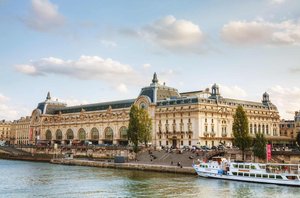 Musée d'Orsay |
Paryż | 1 | The disciples Peter and John running to the tomb on the morning of the resurrection |
1898 to rok powstania każdego datowanego dzieła Eugène Burnand w tym zestawieniu: oto one, uszeregowane według sławy.
Wybierz rok, aby zobaczyć oryginały.
The disciples Peter and John running to the tomb on the morning of the resurrection (1898)
48 lat: The disciples Peter and John running to the tomb on the morning of the resurrection pochodzi z 1898, a Eugène Burnand urodził(a) się w 1850.
Nasz katalog zawiera 1 dzieł autorstwa Eugène Burnand.
W większości znajdują się w Musée d'Orsay (Paryż). Powyższa tabela muzeów zawiera ich pełną listę.
Eugène Burnand was a Swiss painter and illustrator born in Chateau Billens, Switzerland. After initially training as an architect, he pursued the study of art in Geneva and Paris. His travels took him to various locations, including Florence, Montpellier, Seppey, Neuchâtel, and Versailles. Throughout his career, he lived in several regions such as Provence and the Camargue.
Burnand was a realist painter of nature, frequently depicting rural scenes and animals. As his career progressed, he also painted human figures and became a portraitist. A deeply religious man, his Protestant beliefs led him to create many religious works, most notably his illustrations for The Parables. His final project involved a series of 104 pastel portraits of Allied WWI participants.
Burnand's work is held in numerous international collections, including the Musée d'Orsay in Paris and the Eugène Burnand Museum in Moudon. His notable works include:
He received several honors, such as being a Chevalier and later an Officer of the Legion of Honour. He also served as the President of the Swiss Fine Arts Commission at the 1889 International Exhibition of Fine Arts in Paris.