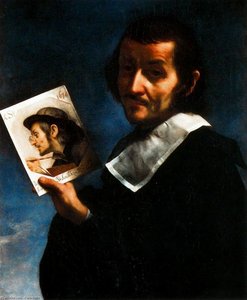
Portret Carlo Dolci

86 najsłynniejszych obrazów artysty Carlo Dolci, każdy niepowtarzalny

Aktualizacja: Listopad 2026 · ranking według naszego wskaźnika popularności (liczba wyszukiwań, wizyt i zamówień dla każdego dzieła) · 87 dzieł Carlo Dolci w naszym katalogu

W skrócie

The Adoration of the Kings (1649) to obraz autorstwa Carlo Dolci, który przyciąga najwięcej spojrzeń; oryginał znajduje się w National Gallery, Londyn. Następnie wzrok kieruje się na The Guardian Angel (1675) i Madonny w Chwale (1670). Spośród 87 dzieł Carlo Dolci w naszym katalogu, tych 86 jest najbardziej znanych – każde z nich to unikatowy oryginał, przedstawiony wraz z rokiem powstania, muzeum oraz powodem, dla którego przetrwało próbę czasu.

1616 – 1686, Florencja Baroque Najwięcej dzieł: Bawarskie Państwowe Zbiory Malarstwa

10 najlepszych obrazów autorstwa Carlo Dolci według oka galerii

1
The Adoration of the Kings (1649) autorstwa Carlo Dolci

The Adoration of the Kings

1649 · Oil On Canvas · National Gallery, Londyn

To stand before Carlo Dolci's depiction of The Adoration of the Kings is to step across the threshold of time and into a sanctuary of profound, quiet devotion. This magnificent work captures not the bombast of grand public spectacle, but the intimate, luminous moment where divinity meets earthly reverence. The composition centers on Mary cradling the infant Jesus, figures bathed in a soft, almost palpable glow that speaks volumes about…

2
The Guardian Angel (1675) autorstwa Carlo Dolci

The Guardian Angel

1675 · Oil On Canvas · Museum of the Cathedral, Prato

Carlo Dolci's “The Guardian Angel,” completed in 1675, transcends mere depiction; it embodies the spiritual fervor characteristic of Baroque art and stands as a testament to Dolci’s masterful artistic vision. Housed within the Museum of the Cathedral in Prato, Italy, this oil on canvas masterpiece invites contemplation and offers a glimpse into the profound symbolism woven throughout its composition.

3
Madonny w Chwale (1670) autorstwa Carlo Dolci

Madonny w Chwale

1670 · Obraz olejny na płótnie · Cantor Arts Center at Stanford University, Stanford

„Madonna w Chwale” to arcydzieło malarskie, które przenosi nas do serca włoskiego baroku XVII wieku. Obraz przedstawia Maryję Pannę, otoczoną atmosferą głębi i mistycyzmu, a jego realizm i emocjonalna siła zachwycają nawet dzisiaj. Autor obrazu, Carlo Dolci, był florentyńskim mistrzem pietyzmu, którego prace charakteryzują się niezwykłą dbałością o szczegóły i głębokim oddaniem religijnemu tematowi. Dolci, odmiennie od wielu swoich czasowników skupiał się na intymnych portretach świętych, często powtarzając te same…

4
Wazon kwiatów (1662) autorstwa Carlo Dolci

Wazon kwiatów

1662 · Obraz olejny na płótnie · Galleria degli Uffizi, Florencja

Carlo Dolci executed the Vase of Flowers in 1662. This oil on canvas work belongs to the genre of still life painting. It is currently held within the collection of the Galleria degli Uffizi in Florence, Italy.

5
Ecce Homo (1651) autorstwa Carlo Dolci

Ecce Homo

1651 · Oil · Bawarskie Państwowe Zbiory Malarstwa, Monachium

The figure of Christ is presented in a vertical bust-length portrait, his gaze directed slightly upward in a state of profound suffering. A crown of thorns encircles his head, the sharp points protruding into the space around him. He is draped in a deep crimson mantle over a blue undergarment, with a thick rope tied around his neck. The composition focuses on the immediate, intimate connection between the subject and…

6
Saint Philip Neri (1515–1595) (1645) autorstwa Carlo Dolci

Saint Philip Neri (1515–1595)

1645 · Oil · Metropolitan Museum of Art, Nowy Jork

The room falls away into an indeterminate darkness, leaving only the figure of an elderly man to meet the eye. He sits in a quiet, heavy stillness, his face emerging from the gloom as if caught in a sudden, soft beam of light from the upper left. This is Saint Philip Neri, and even in this frozen moment, there is a sense of profound, inward movement. His skin, rendered with…

7
Portrait of Vittoria della Rovere (1622-1694) as St. Catherine (1640) autorstwa Carlo Dolci

Portrait of Vittoria della Rovere (1622-1694) as St. Catherine

1640 · Oil On Canvas · Kunsthistorisches Museum, Wiedeń

Vittoria della Rovere is presented within an octagonal frame, her likeness transformed through the lens of religious iconography. Portrayed as St. Catherine, she gazes directly at the viewer with a poised, calm expression. The composition centers on her bust-length figure, where the light focuses intensely upon her face and chest. This use of tenebrism creates a deep sense of three-dimensionality, pulling the subject forward from a dark, warm background.

8
Mattias de' Medici (1613-1667) (1635) autorstwa Carlo Dolci

Mattias de' Medici (1613-1667)

1635 · Oil On Canvas · Kunsthistorisches Museum, Wiedeń

A Presence in Polished Steel The figure of Mattias de' Medici commands the space, frozen in a moment of quiet authority. He stands centrally, his body encased in the dark, reflective weight of black plate armor that catches the light from the upper left. This metallic surface gleams with subtle highlights, contrasting sharply against the deep scarlet red of his breeches. A decorative sash and a fine lace collar add…

9
Saint Andrew the Apostle (1658) autorstwa Carlo Dolci

Saint Andrew the Apostle

1658 · Oil On Canvas · Statens Museum for Kunst, Kopenhaga

In Saint Andrew the Apostle by Carlo Dolci, the viewer meets a figure caught in a moment of profound spiritual weight. The composition follows a vertical arrangement, pulling the gaze upward toward the saint's head and upper torso. He sits slightly off-center, creating a sense of natural, unforced presence. A large, dark wooden saltire cross cuts diagonally across the frame, its heavy shape anchoring the saint within the shadows. A…

10
The Virgin (1658) autorstwa Carlo Dolci

The Virgin

1658 · Oil On Canvas · Statens Museum for Kunst, Kopenhaga

The Virgin is a somber and deeply emotive Baroque portrait of a woman, likely the Virgin Mary, rendered in oil on canvas. The composition is a close-up, centered on the subject's downward-looking face, which is partially shrouded by a heavy dark blue mantle. The color palette is restrained, dominated by deep blues, shadows, and warm skin tones, with a single highlight of white fabric at the neck.

Słynne obrazy artysty Carlo Dolci, od 11 do 86

11Christ and Mary Magdalen in the House of Simon (1645) autorstwa Carlo DolciChrist and Mary Magdalen in the House of Simon1645 · Nationalmuseum 12Christ's Agony in the Garden of Gethsemane (1658) autorstwa Carlo DolciChrist's Agony in the Garden of Gethsemane1658 · Statens Museum for Kunst 13Archduchess Claudia Felicitas (1653-1676) (1672) autorstwa Carlo DolciArchduchess Claudia Felicitas (1653-1676)1672 · Kunsthistorisches Museum 14The boy Jesus invites the Christian soul to crown it according to the Song of Songs (1674) autorstwa Carlo DolciThe boy Jesus invites the Christian soul to crown it according to the Song of Songs1674 · Kunsthistorisches Museum 15Allegory of Sincerity (1665) autorstwa Carlo DolciAllegory of Sincerity1665 · Kunsthistorisches Museum 16St Andrew Praying before his Martyrdom (1643) autorstwa Carlo DolciSt Andrew Praying before his Martyrdom1643 · Birmingham Museum and Art Gallery 17The Flight into Egypt (1648) autorstwa Carlo DolciThe Flight into Egypt1648 · Detroit Institute of Arts 18The Trinity in Glory (1640) autorstwa Carlo DolciThe Trinity in Glory1640 · Rhode Island School of Design Museum of Art 19Saint John the Baptist (1645) autorstwa Carlo DolciSaint John the Baptist1645 · Hatchlands Park 20Saint John the Evangelist (1647) autorstwa Carlo DolciSaint John the Evangelist1647 · Państwowe Muzeum Sztuki Dawnej im. A.S. Puškina 21Saint Agnes (1651) autorstwa Carlo DolciSaint Agnes1651 · Bawarskie Państwowe Zbiory Malarstwa 22The Penitent Mary Magdalene (1651) autorstwa Carlo DolciThe Penitent Mary Magdalene1651 · Bawarskie Państwowe Zbiory Malarstwa 23Penitent Mary Magdalene (1651) autorstwa Carlo DolciPenitent Mary Magdalene1651 · Bawarskie Państwowe Zbiory Malarstwa 24Christ Carrying the Cross (1651) autorstwa Carlo DolciChrist Carrying the Cross1651 · Bawarskie Państwowe Zbiory Malarstwa 25Saint Agnes (1651) autorstwa Carlo DolciSaint Agnes1651 · Bawarskie Państwowe Zbiory Malarstwa 26Christ Child with Flower Wreath (1651) autorstwa Carlo DolciChrist Child with Flower Wreath1651 · Bawarskie Państwowe Zbiory Malarstwa 27Diogenes (1650) autorstwa Carlo DolciDiogenes1650 · Galleria Palatina 28Saint Christina of Bolsena (1652) autorstwa Carlo DolciSaint Christina of Bolsena1652 · Kedleston Hall 29Maria With Child (1665) autorstwa Carlo DolciMaria With Child1665 · Kunsthistorisches Museum 30Saint Sebastian (1650) autorstwa Carlo DolciSaint Sebastian1650 · Schloss Weissenstein 31Saint Agnes (1670) autorstwa Carlo DolciSaint Agnes1670 · National Gallery of Ireland 32Adoration of the Shepherds (1670) autorstwa Carlo DolciAdoration of the Shepherds1670 · Cleveland Museum of Art 33Sir Thomas Baines, F.R.S., F.R.C.P. 1622-1681 (1667) autorstwa Carlo DolciSir Thomas Baines, F.R.S., F.R.C.P. 1622-16811667 · Fitzwilliam Museum 34Sir John Finch F.R.S., F.R.C.P. 1626-1682 (1667) autorstwa Carlo DolciSir John Finch F.R.S., F.R.C.P. 1626-16821667 · Fitzwilliam Museum 35Salome with the Head of John the Baptist (1667) autorstwa Carlo DolciSalome with the Head of John the Baptist1667 · Royal Collection 36The Penitent Magdalen (1670) autorstwa Carlo DolciThe Penitent Magdalen1670 · Royal Collection 37David with the Head of Goliath (1680) autorstwa Carlo DolciDavid with the Head of Goliath1680 · Museum of Fine Arts 38Blessing Christ (1680) autorstwa Carlo DolciBlessing Christ1680 39Portrait of Vittoria della Rovere in Widow's Weeds (1680) autorstwa Carlo DolciPortrait of Vittoria della Rovere in Widow's Weeds1680 40St Cecilia at the Organ (1671) autorstwa Carlo DolciSt Cecilia at the Organ1671 · Gemäldegalerie Alte Meister 41Head of Christ (1658) autorstwa Carlo DolciHead of Christ1658 · Statens Museum for Kunst 42Moses (1640) autorstwa Carlo DolciMoses1640 43Self-Portrait (1674) autorstwa Carlo DolciSelf-Portrait1674 · Galleria degli Uffizi 44Saint Paul the hermit (1640) autorstwa Carlo DolciSaint Paul the hermit1640 · Muzeum Narodowe w Warszawie 45The Holy Family with God the Father and the Holy Spirit (1630) autorstwa Carlo DolciThe Holy Family with God the Father and the Holy Spirit1630 46Madonna And Child (1600) autorstwa Carlo DolciMadonna And Child1600 · Patrick and Beatrice Haggerty Museum of Art 47Italian, ) (1616) autorstwa Carlo DolciItalian, )1616 48Italian, dolci) (1616) autorstwa Carlo DolciItalian, dolci)1616 49Portrait of Ainolfo de' Bardi (1632) autorstwa Carlo DolciPortrait of Ainolfo de' Bardi1632 50St Mary Magdalene (1644) autorstwa Carlo DolciSt Mary Magdalene1644 · Ermitaż 51Saint John the Evangelist autorstwa Carlo DolciSaint John the Evangelist 52John the Evangelist (1650) autorstwa Carlo DolciJohn the Evangelist1650 · Muzeum Sztuki Johna i Mable Ringlingów 53Magdalene (1660) autorstwa Carlo DolciMagdalene1660 · Galleria Palatina 54St. Mary Magdalene autorstwa Carlo DolciSt. Mary Magdalene 55St Catherine Of Siena autorstwa Carlo DolciSt Catherine Of SienaGaleria Dulwich 56Salome with the Head of St John the Baptist (1665) autorstwa Carlo DolciSalome with the Head of St John the Baptist1665 · Royal Collection 57Head of Christ autorstwa Carlo DolciHead of ChristStatens Museum for Kunst 58Allegory of Patience autorstwa Carlo DolciAllegory of PatienceBiennale Internazionale dell'Antiquariato di Firenze 59Self-Portrait (1674) autorstwa Carlo DolciSelf-Portrait1674 · Galleria degli Uffizi 60Saint John the Evangelist autorstwa Carlo DolciSaint John the EvangelistGemäldegalerie 61Mater Dolorosa autorstwa Carlo DolciMater DolorosaFitzwilliam Museum 62Virgin and Child with the Infant Saint John the Baptist autorstwa Carlo DolciVirgin and Child with the Infant Saint John the BaptistMuseum of Fine Arts 63The Penitent Mary Magdalene autorstwa Carlo DolciThe Penitent Mary MagdaleneNationalmuseum 64Madonna med barnet autorstwa Carlo DolciMadonna med barnetNationalmuseum 65The artist's wife, Teresa Bucherelli, as Saint Agnes autorstwa Carlo DolciThe artist's wife, Teresa Bucherelli, as Saint Agnes 66Saint Mark autorstwa Carlo DolciSaint Mark 67He Mourning Virgin autorstwa Carlo DolciHe Mourning Virgin 68Thistle autorstwa Carlo DolciThistleKunsthistorisches Museum 69Self portrait autorstwa Carlo DolciSelf portrait 70Rescuing a mother and her child autorstwa Carlo DolciRescuing a mother and her child 71Madonna and Child autorstwa Carlo DolciMadonna and ChildDetroit Institute of Arts 72Portrait of Agata Dolci autorstwa Carlo DolciPortrait of Agata Dolci 73The Flight into Egypt autorstwa Carlo DolciThe Flight into Egypt 74Saint Jerome In Prayer autorstwa Carlo DolciSaint Jerome In Prayer 75Virgin with Child autorstwa Carlo DolciVirgin with Child 76Portrait of Stefano Della Bella autorstwa Carlo DolciPortrait of Stefano Della BellaGalleria Palatina 77St. Cathrine reading a book autorstwa Carlo DolciSt. Cathrine reading a bookWallace Collection 78The Virgin and Child with Flowers autorstwa Carlo DolciThe Virgin and Child with Flowers 79The Child Jesus with a crown of flowers autorstwa Carlo DolciThe Child Jesus with a crown of flowersThyssen-Bornemisza Museum 80Death nature with flowers autorstwa Carlo DolciDeath nature with flowers 81The Penitent Magdalen autorstwa Carlo DolciThe Penitent Magdalen 82Mater Dolorosa (1655) autorstwa Carlo DolciMater Dolorosa1655 · Narodowe Muzeum Sztuki Zachodniej 83The Angel of the Annunciation (1653) autorstwa Carlo DolciThe Angel of the Annunciation1653 84The Virgin of the Annunciation (1653) autorstwa Carlo DolciThe Virgin of the Annunciation1653 85St. Cecil autorstwa Carlo DolciSt. CecilErmitaż 86St. Andrew kneeling before his cross autorstwa Carlo DolciSt. Andrew kneeling before his crossGalleria Palatina

Słynne obrazy Carlo Dolci epoka po epoce

Tematy, które przyciągnęły wzrok Carlo Dolci

Cztery motywy najczęściej powracające w tych oryginałach, z których każdy doczekał się swojego najdoskonalszego przykładu.

Muzea przechowujące oryginały Carlo Dolci

8 muzeów, w których znajduje się najwięcej obrazów z tej strony.

Muzea Miasto Dzieła artysty Carlo Dolci Obrazy z tej listy
Bawarskie Państwowe Zbiory Malarstwa, MonachiumBawarskie Państwowe Zbiory Malarstwa Monachium 7 Ecce Homo, Saint Agnes, The Penitent Mary Magdalene
Kunsthistorisches Museum, WiedeńKunsthistorisches Museum Wiedeń 7 Portrait of Vittoria della Rovere (1622-1694) as St. Catherine, Mattias de' Medici (1613-1667), Archduchess Claudia Felicitas (1653-1676)
Statens Museum for Kunst, KopenhagaStatens Museum for Kunst Kopenhaga 5 Saint Andrew the Apostle, The Virgin, Christ's Agony in the Garden of Gethsemane
Galleria Palatina, FlorencjaGalleria Palatina Florencja 4 Diogenes, Magdalene, Portrait of Stefano Della Bella
Galleria degli Uffizi, FlorencjaGalleria degli Uffizi Florencja 3 Wazon kwiatów, Self-Portrait, Self-Portrait
Nationalmuseum, StockholmNationalmuseum Stockholm 3 Christ and Mary Magdalen in the House of Simon, The Penitent Mary Magdalene, Madonna med barnet
Fitzwilliam MuseumFitzwilliam Museum 3 Sir Thomas Baines, F.R.S., F.R.C.P. 1622-1681, Sir John Finch F.R.S., F.R.C.P. 1626-1682, Mater Dolorosa
Royal Collection, LondynRoyal Collection Londyn 3 Salome with the Head of John the Baptist, The Penitent Magdalen, Salome with the Head of St John the Baptist

Carlo Dolci na przestrzeni dekad: jeden unikatowy oryginał dla każdego

Dzieła według dekad

Wybierz dekadę, aby zobaczyć dzieło, które ją definiuje.

Obrazy artysty Carlo Dolci: pytania do galerii

Jakie jest najsłynniejsze dzieło artysty Carlo Dolci?Odkryj odpowiedź

The Adoration of the Kings (1649), National Gallery, Londyn. Następne są The Guardian Angel (1675) oraz Madonny w Chwale (1670).

W jakim wieku Carlo Dolci stworzył/a The Adoration of the Kings?Odkryj odpowiedź

33 lat: The Adoration of the Kings pochodzi z 1649, a Carlo Dolci urodził(a) się w 1616.

Które dziesięć obrazów Carlo Dolci jest najbardziej znanych?Odkryj odpowiedź

The Adoration of the Kings, The Guardian Angel, Madonny w Chwale, Wazon kwiatów, Ecce Homo, Saint Philip Neri (1515–1595), Portrait of Vittoria della Rovere (1622-1694) as St. Catherine, Mattias de' Medici (1613-1667), Saint Andrew the Apostle i The Virgin. Powyższy ranking zawiera rok powstania oraz muzeum dla każdego z nich.

Ile znanych dzieł stworzył Carlo Dolci?Odkryj odpowiedź

Nasz katalog zawiera 87 dzieł artysty Carlo Dolci, datowanych od 1630 do 1680.

Gdzie można zobaczyć najsłynniejsze oryginały Carlo Dolci?Odkryj odpowiedź

W większości znajdują się w Bawarskie Państwowe Zbiory Malarstwa (Monachium), Kunsthistorisches Museum (Wiedeń) i Statens Museum for Kunst (Kopenhaga). Powyższa tabela muzeów zawiera ich pełną listę.

W jakim okresie Carlo Dolci stworzył/a swoje najsłynniejsze obrazy?Odkryj odpowiedź

W 1650s: 18 z 86 dzieł na tej stronie powstało w tym czasie, w tym Ecce Homo.

Który z najsłynniejszych obrazów artysty Carlo Dolci powstał najwcześniej, a który najpóźniej?Odkryj odpowiedź

Na tej stronie najwcześniejszy to The Holy Family with God the Father and the Holy Spirit (1630), a najpóźniejszy David with the Head of Goliath (1680).

Jakie tematy preferował Carlo Dolci?Odkryj odpowiedź

Man (26), Woman (22) i Beard (11), w ramach 86 dzieł na tej stronie.

Jakich materiałów Carlo Dolci używał najczęściej?Odkryj odpowiedź

Oil On Canvas, dla 36 z 86 dzieł na tej stronie.

Do jakiego nurtu należy twórczość Carlo Dolci?Odkryj odpowiedź

Baroque, sądząc po oryginałach na tej stronie.

Jakie oryginały Carlo Dolci można zobaczyć w Bawarskie Państwowe Zbiory Malarstwa?Odkryj odpowiedź

Ecce Homo, Saint Agnes i The Penitent Mary Magdalene: Bawarskie Państwowe Zbiory Malarstwa, Monachium posiada 7 dzieł widocznych na tej stronie.

Carlo Dolci: portret artysty

Florencki Mistrz Pobożności Barokowej

Carlo Dolci, urodzony we Florencji w 1616 roku, jawi się jako niezwykle interesująca postać włoskiego baroku – malarz, którego intensywnie religijne dzieła i precyzyjna technika zapewniły mu miejsce wśród najbardziej poszukiwanych artystów swojej epoki. W przeciwieństwie do wielu współczesnych, pociąganych przez monumentalną wielkość Rzymu, Dolci pozostał wierny florenckiej tradycji, kultywując styl charakteryzujący się spokojnym intensywnością i głęboką duchowością. Jego życie toczyło się w atmosferze artystycznego fermentu, jednak wytyczył on unikalną ścieżkę zdefiniowaną nie przez obfite produkcję, lecz niezachwiane zaangażowanie w detal i rezonans emocjonalny. Już od najmłodszych lat, podczas nauki pod okiem Jacopo Vignaliego, Dolci wykazywał niezwykły talent, szybko zdobywając reputację precyzji, która stała się znakiem rozpoznawczym jego twórczości. Nie napędzały go rozległe kompozycje czy dynamiczne narracje; zamiast tego koncentrował się na intymnych portretach motywów religijnych, często powtarzając ulubione tematy w wielu wersjach – świadectwo ich trwałej atrakcyjności i być może odzwierciedlenie jego metodycznego podejścia.

Wczesne Lata i Kształtowanie się Artystyczne

Artystyczna podróż Dolciego rozpoczęła się w rodzinie, którą dotknęła kreatywność, zapewniając wczesne sprzyjające środowisko dla jego naturalnych zdolnościści. Uczeń Jacopo Vignaliego w bardzo młodym wieku, przyswoił on lekcje mistrza znanego z dramatycznego wyrazu, jednak Dolci szybko zaczął kształtować swój własny odrębny głos. Już jako chłopiec widoczna była jego oddanie uchwyceniu drobnych szczegółów i przekazywaniu emocjonalnej wagi. Krążą historie o jego skrupulatnym podejściu – zaangażowaniu tak dokładnym, że podobno potrzeba było kilku tygodni na ukończenie nawet jednej kończyny postaci. To celowe tempo nie wynikało z powolności, lecz intensywnego pragnienia perfekcji, dążenia do nasycenia każdego pociągnięcia pędzla duchowym znaczeniem. Szybko zdobył uznanie we florenckich kręgach, otrzymując zamówienia od wpływowych rodzin i zakładając warsztat jeszcze przed osiągnięciem dorosłości. Podczas gdy inni artyści szukali tętniącej życiem sceny artystycznej Rzymu, Dolci pozostał we Florencji, głęboko związany z jej tradycjami i mecenasami. Ta stała lojalność wobec swojego rodzinnego miasta ukształtowała nie tylko jego karierę, ale także samą istotę jego sztuki.

Styl i Wybitne Dzieła

Styl Dolciego jest natychmiast rozpoznawalny – harmonijne połączenie bogatych kolorów, precyzyjnych detali i głębokiej ekspresji emocjonalnej. Jego obrazy nie dotyczą wielkiego spektaklu; to intymne spotkania z wiarą, oddane z czułością, która zaprasza do kontemplacji. Często przedstawiał sceny z życia świętych i biblijnych narracji, koncentrując się na chwilach cichego nabożeństwa lub bolesnego cierpienia. Święty Sebastian, na przykład, nie jest portretowany jako bohaterski męczennik, lecz jako postać pochłonięta duchowym bólem, jego ciało wykwintnie oddane w celu podkreślenia wrażliwości, a nie siły. Podobnie, jego przedstawienia Ewangelistów ujawniają głębokie zrozumienie psychologii człowieka, uchwycając ich indywidualne osobowości z niezwykłą wrażliwością. Chrystus łamiący chleb, kolejne znane dzieło, jest przykładem jego zdolności do przekazywania świętych momentów ze stonowaną gracją i emocjonalną mocą. Jego córka, Agnese Dolci, odegrała ważną rolę w rozpowszechnianiu jego artystycznej wizji, zręcznie tworząc kopie obrazów ojca, które jeszcze bardziej rozszerzyły jego zasięg i wpływ. Te reprodukcje, choć nie były oryginalnymi dziełami, świadczą o popycie na twórczość Dolciego i trwałej atrakcyjności jego stylu.

Dziedzictwo i Znaczenie Historyczne

Wpływ Carla Dolciego na sztukę florencką jest niezaprzeczalny. Jest kluczową postacią w rozwoju stylu barokowego w mieście, wnosząc znaczący wkład w jego bogate dziedzictwo artystyczne. Pod wpływem wcześniejszych mistrzów, takich jak Giovanni Bellini i Bramantino, wytyczył własną unikalną ścieżkę, charakteryzującą się spokojną intensywnością i pobożnym skupieniem, które odróżniało go od wielu współczesnych. Jego obrazy nadal zdobią prestiżowe instytucje, takie jak Galeria Uffizi we Florencji, gdzie Kolekcja Contini Bonacossi oferuje szczególnie bogatą reprezentację jego twórczości. Trwała atrakcyjność dzieł Dolciego tkwi nie tylko w ich technicznym geniuszu, ale także w zdolności do wywoływania głębokich emocji duchowych. Nie malował jedynie scen religijnych; tworzył wizualne medytacje nad wiarą, zapraszając widzów do nawiązania kontaktu z boskością na głęboko osobistym poziomie. Jego dziedzictwo wykracza poza jego obrazy – reprezentuje zaangażowanie w doskonałość artystyczną i wiarę w moc sztuki, która inspiruje pobożność i kontemplację. Nawet dziś poznawanie arcydzieł Dolciego oferuje spojrzenie na serce Florencji z XVII wieku i trwałą siłę barokowej sztuki.
  • Ruch artystyczny lub styl: Barok
  • Artyści lub ruchy, które wpłynęły na tego artystę: Jacopo Vignali
  • Artyści, którzy byli pod wpływem tego artysty: Agnese Dolci
  • Data urodzenia: 25 maja 1616 roku
  • Data śmierci: 17 stycznia 1686 roku
  • Pełne imię i nazwisko: Carlo Dolci
  • Narodowość: Włoska
  • Znane dzieła: Święty Sebastian, Chrystus łamiący chleb, Anioł Stróż, Mojżesz
  • Miejsce urodzenia: Florencja, Włochy