Portret Antonio De Pereda

21 najsłynniejszych obrazów artysty Antonio De Pereda – wybór z galerii

Aktualizacja: Listopad 2026 · ranking według naszego wskaźnika popularności (liczba wyszukiwań, wizyt i zamówień dla każdego dzieła) · 21 dzieł Antonio De Pereda w naszym katalogu

W skrócie

Spośród wszystkich dzieł oryginalnych, które pozostawił Antonio De Pereda, najsłynniejszym jest Christ as the Man of Sorrows (1641), znajdujący się w kolekcji Museo del Prado w Madryt. Tuż za nimi znajdują się The Annunciation (1637) oraz San Alberto de Sicilia (1670). Nasz katalog zawiera 21 dzieł autorstwa Antonio De Pereda; galeria zachowała 21 najbardziej podziwianych na świecie prac, z których każda została przedstawiona wraz z datą powstania, informacją o muzeum oraz jej historią.

1611 – 1678, Valladolid Baroque Najwięcej dzieł: Museo del Prado

10 najlepszych obrazów artysty Antonio De Pereda: wybór galerii

1
Christ as the Man of Sorrows (1641) autorstwa Antonio De Pereda

Christ as the Man of Sorrows

1641 · Oil On Canvas · Museo del Prado, Madryt

The darkness of the background presses inward, pushing the figure of Christ into a sudden, sharp relief. He clings to a dark, textured wooden pillar, his body angled slightly to the left as he seeks support. The light emerges from the upper left, washing over his pale skin and the deep crimson of his draped cloth, leaving the rest of the scene in heavy shadow. Every detail of his physical…

2
The Annunciation (1637) autorstwa Antonio De Pereda

The Annunciation

1637 · Oil On Canvas · Museo del Prado, Madryt

In this religious work from 1637, a divine encounter unfolds within a celestial space. The Archangel Gabriel appears to Mary, bringing news that will change the course of existence. High above the earthly realm, God the Father watches over the scene, his presence felt through the light that descends from the heavens. A ray of light pierces the atmosphere, carrying the Dove of the Holy Spirit toward the Virgin. This…

3
San Alberto de Sicilia (1670) autorstwa Antonio De Pereda

San Alberto de Sicilia

1670 · Oil On Canvas · Museo del Prado, Madryt

In this vertical half-length portrait, we encounter San Alberto de Sicilia in a moment of profound, quiet contemplation. The subject is positioned slightly off-center, his gaze directed upward and to the left, as if caught in a private dialogue with the divine. There is a certain weight to his presence, conveyed through the heavy, rhythmic folds of his white monastic habit. The fabric appears thick and tactile, its volume defined…

4
Saint Angel from Jerusalem (1667) autorstwa Antonio De Pereda

Saint Angel from Jerusalem

1667 · Oil · Museo del Prado, Madryt

The Presence of Martyrdom A half-length portrait of Saint Angel from Jerusalem emerges from a dark, muted brownish-grey void. The figure, a man with dark hair, a mustache, and a short beard, meets the viewer's gaze with a solemn, contemplative expression. He is draped in a voluminous white mantle that covers his head and shoulders, creating a stark, luminous contrast against a black tunic. This heavy use of chiaroscuro directs…

5
The Immaculate Conception (1636) autorstwa Antonio De Pereda

The Immaculate Conception

1636 · Oil On Canvas · Museo del Prado, Madryt

The composition centers on the Virgin Mary, positioned vertically amidst a celestial host of cherubic figures. A divine light source, symbolized by a descending dove, casts bright highlights upon her forehead and the crowns of the surrounding angels. This light pierces through a deep, dramatic atmosphere, a technique known as tenebrism, which leaves the periphery in heavy shadow. The color palette relies on deep, midnight blue in her mantle, contrasted…

6
The visitation (1654) autorstwa Antonio De Pereda

The visitation

1654 · Oil · Museo Lázaro Galdiano, Madryt

In this 1654 oil painting, we find ourselves drawn into a shallow, stage-like space where a profound biblical encounter unfolds. The composition centers on the meeting between two women, their connection articulated through a gentle clasping of hands. On the left, an older woman, draped in heavy green and ochre robes, leans toward a younger figure. This younger woman, likely the Virgin Mary, is dressed in red and deep blue,…

9
Saint Francis of Assisi in the Portiuncula (1664) autorstwa Antonio De Pereda

Saint Francis of Assisi in the Portiuncula

1664 · Oil On Canvas · Museo del Prado, Madryt

In this 1664 oil on canvas, we encounter Saint Francis of Assisi in the Portiuncula, a significant work by the Spanish Baroque painter Antonio de Pereda. The painting captures a profound spiritual moment, depicting the Virgin and Child appearing to Saint Francis within the Portiuncula, located near Assisi. It is a piece that reflects the artist's ability to navigate the complexities of religious narrative through a focused, intimate lens.

10
Vanitas autorstwa Antonio De Pereda

Vanitas

The painting Vanitas emerges from the shadows, a somber meditation on the fleeting nature of existence. This work is the creation of Antonio de Pereda, a prominent Spanish Baroque-era painter who navigated the dramatic artistic currents of the seventeenth century. Within the frame, the artist confronts the viewer with the stark reality of mortality, using the quiet language of still life to speak of what remains when life departs.

Kontynuacja zestawienia Antonio De Pereda, od 11 do 21

Tematy, które przyciągnęły wzrok Antonio De Pereda

Cztery motywy najczęściej powracające w tych oryginałach, z których każdy doczekał się swojego najdoskonalszego przykładu.

Muzea przechowujące oryginały Antonio De Pereda

8 muzeów, w których znajduje się najwięcej obrazów z tej strony.

Muzea Miasto Dzieła artysty Antonio De Pereda Obrazy z tej listy
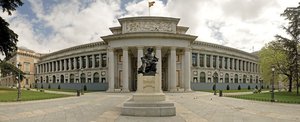
Museo del Prado, MadrytMuseo del Prado Madryt 9 Christ as the Man of Sorrows, The Annunciation, San Alberto de Sicilia
Real Academia de Bellas Artes de San Fernando, MadrytReal Academia de Bellas Artes de San Fernando Madryt 2 The Knight's Dream (detail), The Knight's Dream
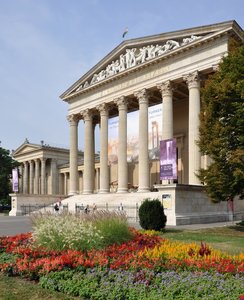
Szépművészeti Múzeum, BudapesztSzépművészeti Múzeum Budapeszt 2 St Anthony of Padua with Christ Child (detail), The Holy Trinity
Museo Lázaro Galdiano, MadrytMuseo Lázaro Galdiano Madryt 1 The visitation
Hispanic Society Museum - Library, Nowy JorkHispanic Society Museum - Library Nowy Jork 1 Saint Anthony of Padua and the Christ Child
Państwowe Muzeum Sztuki Dawnej im. A.S. Puškina, MoskwaPaństwowe Muzeum Sztuki Dawnej im. A.S. Puškina Moskwa 1 Stiil-life with a Pendulum
Museo Provincial de Bellas Artes, SaragossaMuseo Provincial de Bellas Artes Saragossa 1 Vanitas
Museu Nacional de Arte Antiga, LizbonaMuseu Nacional de Arte Antiga Lizbona 1 Still-Life with Fruit

Antonio De Pereda dekada po dekadzie: oryginały definiujące każdy okres

Dzieła według dekad

Wybierz dekadę, aby zobaczyć dzieło, które ją definiuje.

Pytania kolekcjonerów o obrazy Antonio De Pereda

Z jakiego dzieła najbardziej znany jest Antonio De Pereda?Odkryj odpowiedź

Christ as the Man of Sorrows (1641), Museo del Prado, Madryt. Następne są The Annunciation (1637) oraz San Alberto de Sicilia (1670).

W jakim wieku był Antonio De Pereda, gdy powstało Christ as the Man of Sorrows?Odkryj odpowiedź

30 lat: Christ as the Man of Sorrows pochodzi z 1641, a Antonio De Pereda urodził(a) się w 1611.

Jakie są dziesięć najsłynniejszych obrazów, których autorem jest Antonio De Pereda?Odkryj odpowiedź

Christ as the Man of Sorrows, The Annunciation, San Alberto de Sicilia, Saint Angel from Jerusalem, The Immaculate Conception, The visitation, Saint Anthony of Padua and the Christ Child, Stiil-life with a Pendulum, Saint Francis of Assisi in the Portiuncula i Vanitas. Powyższy ranking zawiera rok powstania oraz muzeum dla każdego z nich.

Ile obrazów pozostawił po sobie Antonio De Pereda?Odkryj odpowiedź

Nasz katalog zawiera 21 dzieł artysty Antonio De Pereda, datowanych od 1634 do 1670.

W których muzeach znajdują się arcydzieła Antonio De Pereda?Odkryj odpowiedź

W większości znajdują się w Museo del Prado (Madryt), Real Academia de Bellas Artes de San Fernando (Madryt) i Szépművészeti Múzeum (Budapeszt). Powyższa tabela muzeów zawiera ich pełną listę.

W których latach Antonio De Pereda namalował swoje najsłynniejsze dzieła?Odkryj odpowiedź

W 1650s: 5 z 21 dzieł na tej stronie powstało w tym czasie, w tym The visitation.

Jakie są pierwsze i ostatnie słynne oryginały Antonio De Pereda?Odkryj odpowiedź

Na tej stronie najwcześniejszy to The Relief of Genoa (1634), a najpóźniejszy San Alberto de Sicilia (1670).

Jakie tematy Antonio De Pereda wybierał najczęściej?Odkryj odpowiedź

Man (4), Skull (4) i Dark background (3), w ramach 21 dzieł na tej stronie.

Której techniki Antonio De Pereda używał najczęściej?Odkryj odpowiedź

Oil On Canvas, dla 13 z 21 dzieł na tej stronie.

Do jakiego nurtu artystycznego należy Antonio De Pereda?Odkryj odpowiedź

Baroque, sądząc po oryginałach na tej stronie.

Które dzieła Antonio De Pereda znajdują się w Museo del Prado?Odkryj odpowiedź

Christ as the Man of Sorrows, The Annunciation i San Alberto de Sicilia: Museo del Prado, Madryt posiada 9 dzieł widocznych na tej stronie.

Antonio De Pereda: życie i twórczość

Antonio de Pereda: Mistrz Hiszpańskiego Baroku

Antonio de Pereda y Salgado (1611 – 1678) był wybitnym malarzem epoki hiszpańskiego baroku, który zapisał się w historii sztuki przede wszystkim dzięki swoim zachwycającym martwym naturom. Urodzony w Valladolid, stał się jedną z kluczowych postaci madryckiej szkoły malarstwa, wnosząc do niej nową głębię i emocjonalną intensywność.

Wczesne lata i artystyczne korzenie

Pereda dorastał w niezwykle sprzyjającym mu środowisku; jego ojciec, matka oraz dwaj bracia byli malarzami. Ta głęboko artystyczna atmosfera bez wątpienia ukształtowała jego wczesną wrażliwość i pobudziła pasję do tworzenia. Swoje pierwsze kroki w warsztacie malarskim stawiał w Madrycie, kształcąc się pod okiem Pedro de las Cuevas, szanowanego wówczas mistrza.

Mecenat i początki kariery

Przełomowym momentem w życiu artysty stało się znalezienie protektora w osobie Giovanni Battista Crescenzi, wpływowej postaci na dworze hiszpańskim. Crescenzi objął Peredę opieką, otwierając przed nim drzwi do prestiżowych możliwości i oferując cenne wskazówki artystyczne. Jednak po śmierci mecenasa w 1635 roku, losy Peredy uległy zmianie – został on usunięty z dworu, co zmusiło go do poszukiwania nowych zleceń, głównie wśród instytucji religijnych.

Rozwój artystyczny i unikalny styl

Styl malarski Peredy charakteryzuje się mistrzowskim wykorzystaniem tenebrizmu – techniki opartej na dramatycznym kontraście między światłem a głębokim mrokiem. Ten zabieg, tak typowy dla baroku, nadaje jego dziełom niezwykłej głębi oraz niemal namacalnej intensywności emocjonalnej. Choć artysta zdobył największą sławę dzięki martwym naturom, z równą biegłością tworzył malarstwo religijne oraz monumentalne kompozycje historyczne.

Najważniejsze dzieła i osiągnięcia

  • Martwe natury: Twórczość Peredy w tym nurcie słynie z niezwykłego realizmu, dbałości o najdrobniejszy detal oraz bogatej symboliki. Do jego najbardziej cenionych przykładów należą „Martwa natura z owocami” oraz „Martwa natura z hebanową skrzynią”.
  • Malarstwo historyczne: Artysta wniósł znaczący wkład w program dekoracyjny Salón de Reinos w pałacu Buen Retiro w Madrycie. Jego najbardziej znamiennym dziełem historycznym jest „Odwzajemnienie w Genui” (1635), powstałe jako część cyklu obok arcydzieł Velázqueza, takich jak słynne „Kapitulacja Bredy”.
  • Malarstwo religijne: Pereda pozostawił po sobie liczne płótna o tematyce sakralnej, często przedstawiające sceny z żywotów świętych oraz narracje biblijne. Wyrazem jego kunsztu w tym gatunku jest m.in. poruszający „Święty Hieronim”.

Źródła inspiracji

Twórczość Peredy była owocem dialogu z wielkimi mistrzami i nurtami swojej epoki:

  • Pedro de las Cuevas: Pierwszy nauczyciel, który położył fundamenty pod jego warsztat.
  • Giovanni Battista Crescenzi: Mecenas, którego wsparcie umożliwiło mu rozwój w kręgach dworskich.
  • Caravaggio i karawagioniści: Dramatyczne operowanie światłocieniem w jego pracach jest wyraźnym echem wpływu Caravaggia oraz jego następców.

Znaczenie historyczne

Antonio de Pereda zajmuje fundamentalne miejsce w kanonie hiszpańskiego baroku. Jego martwe natury uznawane są za jedne z najdoskonalszych przykładów tego gatunku, ukazujące niezwykłą zdolność artysty do oddawania tekstury, światła i formy. Z kolei malarstwo historyczne dowodzi jego wszechstronności jako twórcy wielkich narracji malarskich. Poprzez swój wkład w krajobraz artystyczny XVII-wiecznej Hiszpanii, Pereda pozostawił po sobie dziedzictwo mistrzowskich dzieł, które do dziś budzą zachwyt i podziw widzów na całym świecie.